 Free shipping on orders over £29,85
  Shipping Tracking!


 Google
 Facebook
← Back to How do you apply a vitrifying resin to a painting?

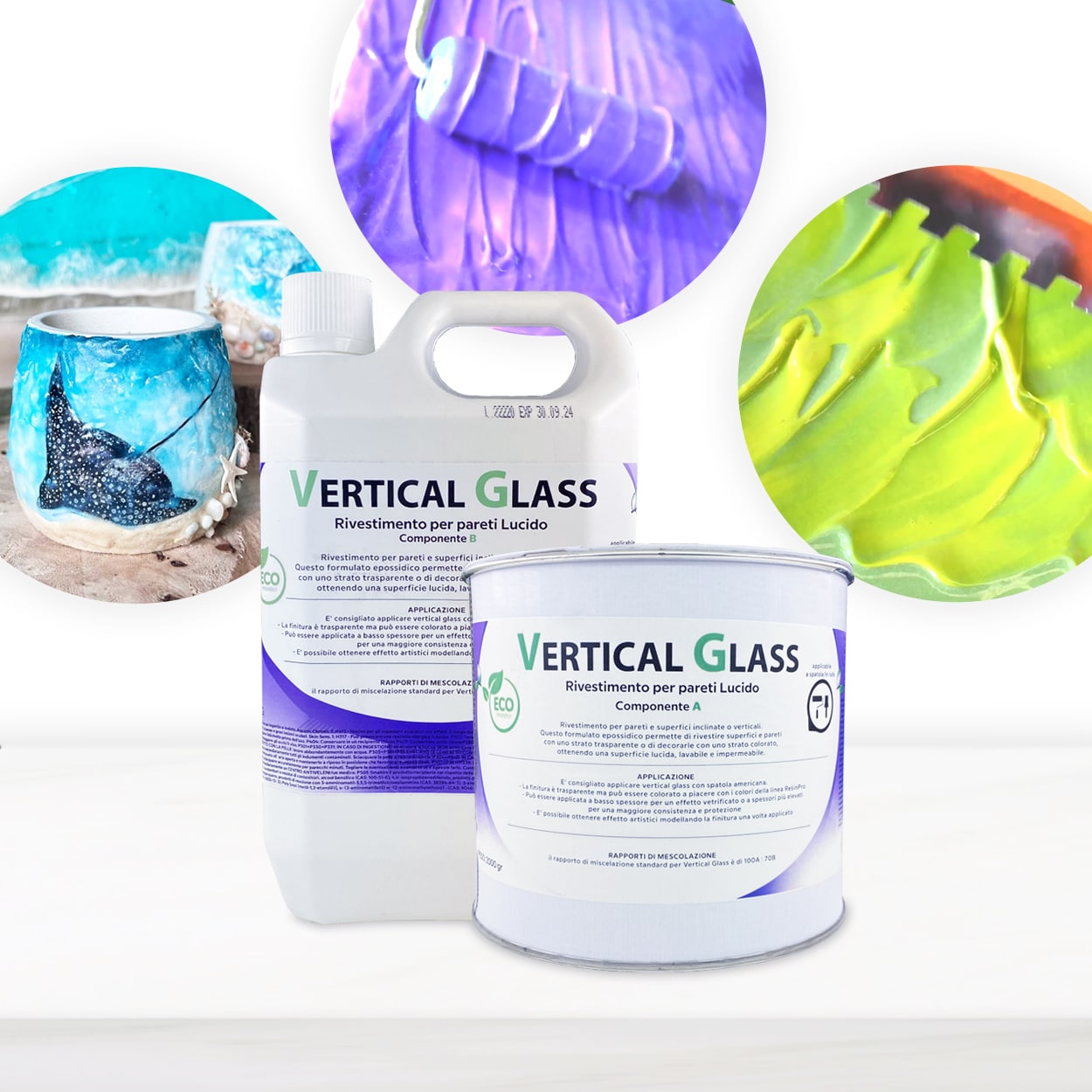
Achieving a flawless, glass-like finish with vitrifying resin often comes down to how you handle and apply the mixture. One of the most common issues is the formation of bubbles, many of which occur through overworking the resin once it’s poured.
Understanding Overworking and Its Effects
Overworking refers to excessive stirring or manipulation of the resin once it’s on your painting. This can introduce more air into the resin or keep bubbles from rising to the surface, making it difficult to achieve a clean, transparent finish. While it’s tempting to endlessly spread or adjust the resin, restraint is crucial for the best outcome.
Simple Steps to Minimise Bubbles
- Mix carefully: When combining resin and hardener, stir slowly and steadily to reduce air incorporation.
- Pour gently: Rather than dumping the mixture all at once, pour slowly in a thin stream to allow bubbles to escape before settling.
- Spread with control: Use a spatula, brush, or a short-pile roller to distribute the resin evenly. Work the resin just enough to cover the surface and then leave it to self-level.
- De-bubble efficiently: If bubbles do appear, use a torch or heat gun briefly, holding it at a distance to coax bubbles out without re-working the resin further.
When This Matters Most
Careful resin application is especially important for vibrant artwork, photographic pieces, or projects where clarity and a flawless surface are key. An excess of bubbles can obscure details and significantly impact the finished look.

Related products
Related guides
Mastering your application technique by avoiding overworking ensures that vitrifying resin delivers the clear, professional finish your artwork deserves. For more tips and techniques, see our full guide on how to apply a vitrifying resin to a painting.