 Free shipping on orders over £29,85
  Shipping Tracking!


 Google
 Facebook
← Back to How are emulsifiable synthetic resin paints made?
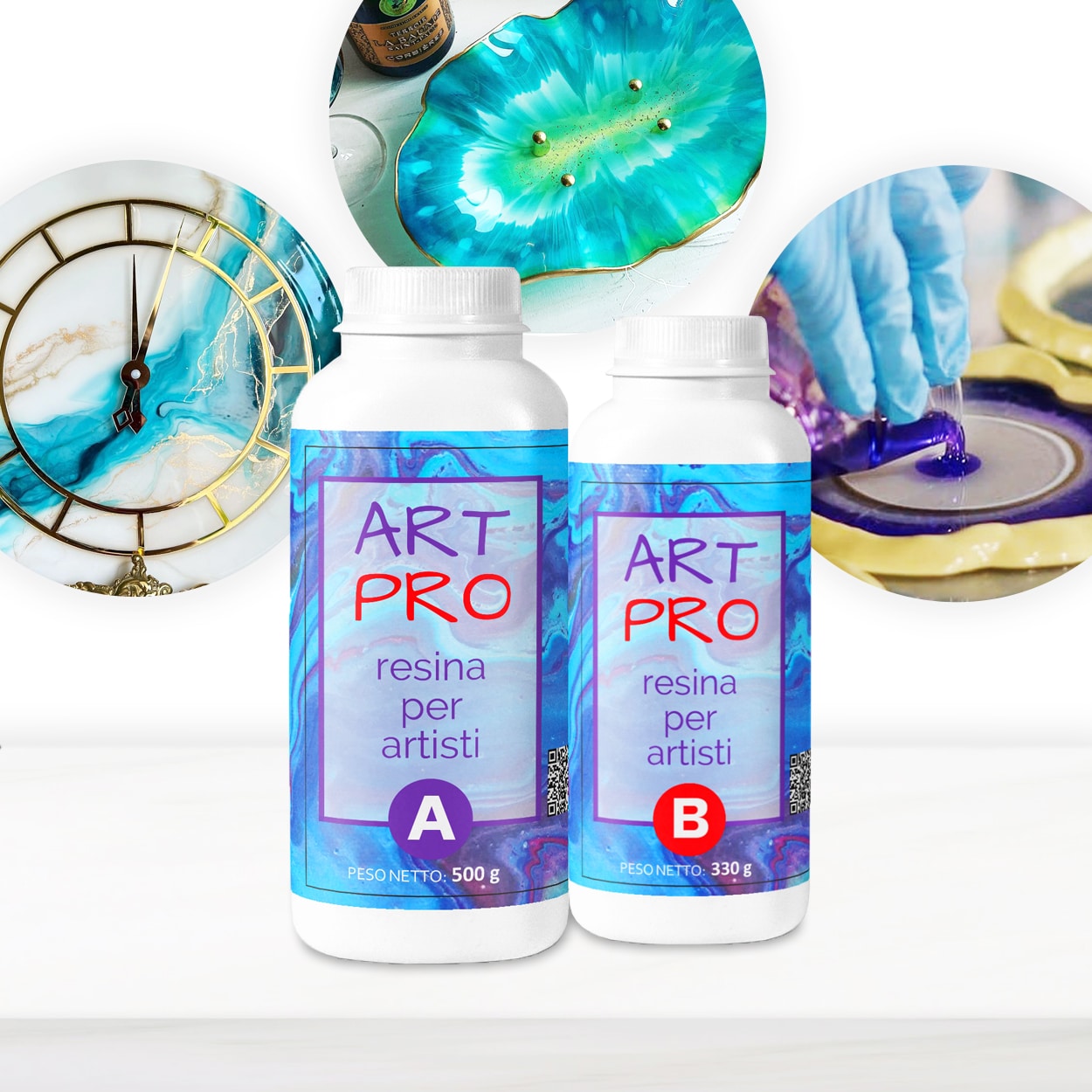
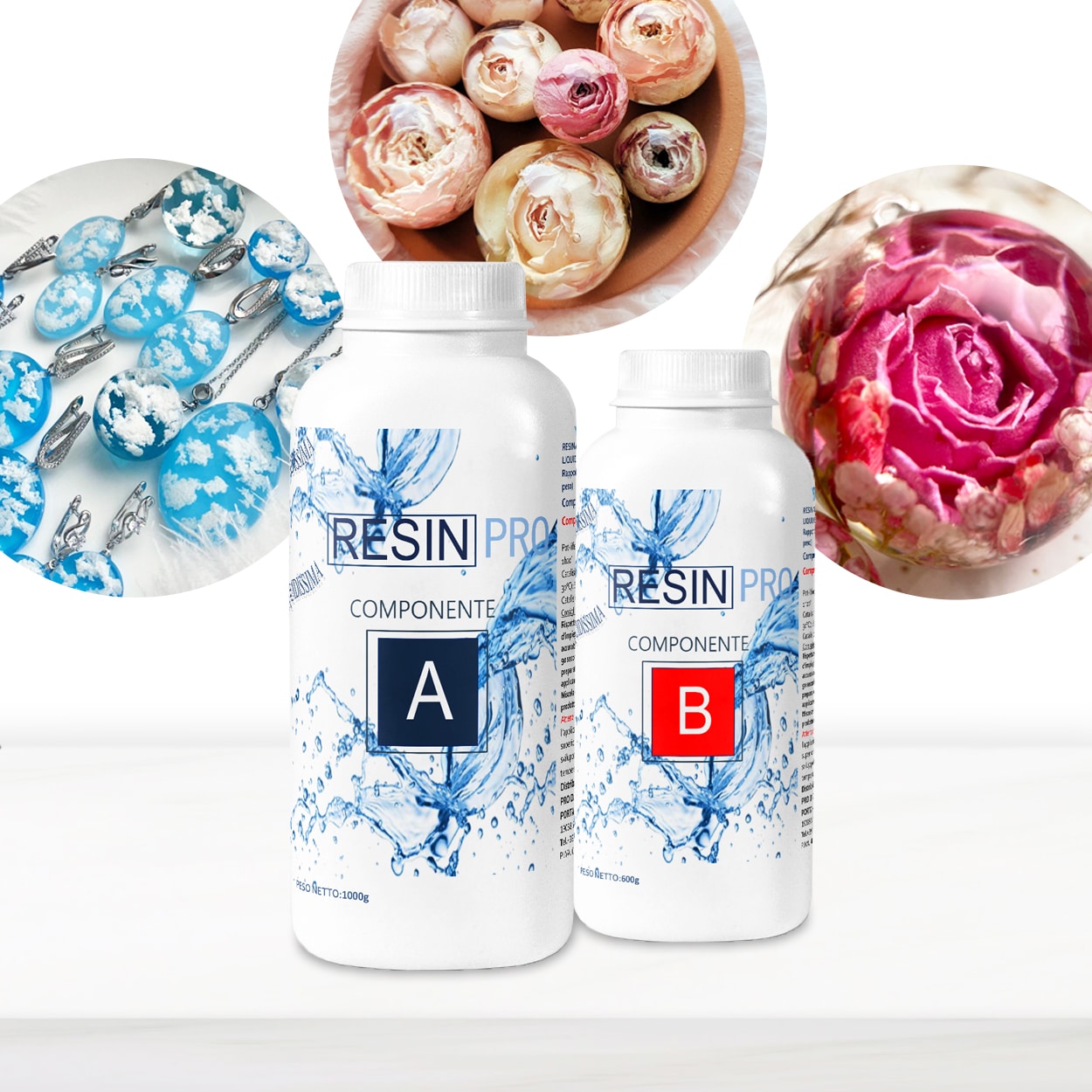
Choosing the right type of synthetic resin paint can significantly impact the finish and durability of your project. Understanding the fundamental differences between resin, epoxy, and acrylic systems helps you select the best option for your needs.
Synthetic Resin Paints: Core Binders and Their Impact
Synthetic resin paints are formulated using either epoxy or acrylic resins as primary binders. This choice influences their properties, with epoxy resin-based systems offering high durability, enhanced clarity, and superior resistance to chemicals. Acrylic resin-based paints, on the other hand, are renowned for their flexibility and faster drying characteristics, making them an excellent choice for projects that require a quick turnaround or movement without cracking.
If you are aiming for a glass-like, scratch-resistant finish, products such as Art Pro Clear Epoxy Resin are ideal for artists and crafters looking for both clarity and resilience.


When to Choose Epoxy vs. Acrylic Systems
- Epoxy Resin Systems: Best suited for projects that demand high durability, such as tabletops, floors, or artwork requiring superior clarity and a robust, protective surface. These are less flexible but provide lasting performance against yellowing and abrasion.
- Acrylic Resin Systems: Chosen for flexibility, ease of use, and rapid drying, making them perfect for decorative items, surface coatings with some movement, or when time constraints are present.
Consider the specific conditions and functional needs of your piece when deciding between the two systems.
Practical Tips for Application and Buying
Before selecting a resin product, identify if your project needs the strength and chemical resistance of an epoxy, or the flexibility and speed of an acrylic system. Always follow the manufacturer’s recommended mixing ratios and curing times for best results. For intricate colour work or coasters, high viscosity resins like Art Pro Deluxe Ultra-High Viscosity Epoxy Resin give precise line control and a durable, glossy finish.
If you are new to resin work, starter kits such as the “Trasparente” Epoxy Resin Kit are a straightforward entry point for experimenting with both function and finish.
When This Matters
Knowing the difference between epoxy and acrylic-based paints is crucial when long-term durability, clarity, or flexibility can affect the outcome and longevity of your creative or surface coating project.
Related products
Related guides
Understanding the distinct properties of synthetic resin, epoxy, and acrylic systems ensures the finished result aligns with your expectations. For further details on formulation and usage, explore our full guide on how emulsifiable synthetic resin paints are made.