 Free shipping on orders over £29,85
  Shipping Tracking!


 Google
 Facebook
← Back to How are emulsifiable synthetic resin paints made?
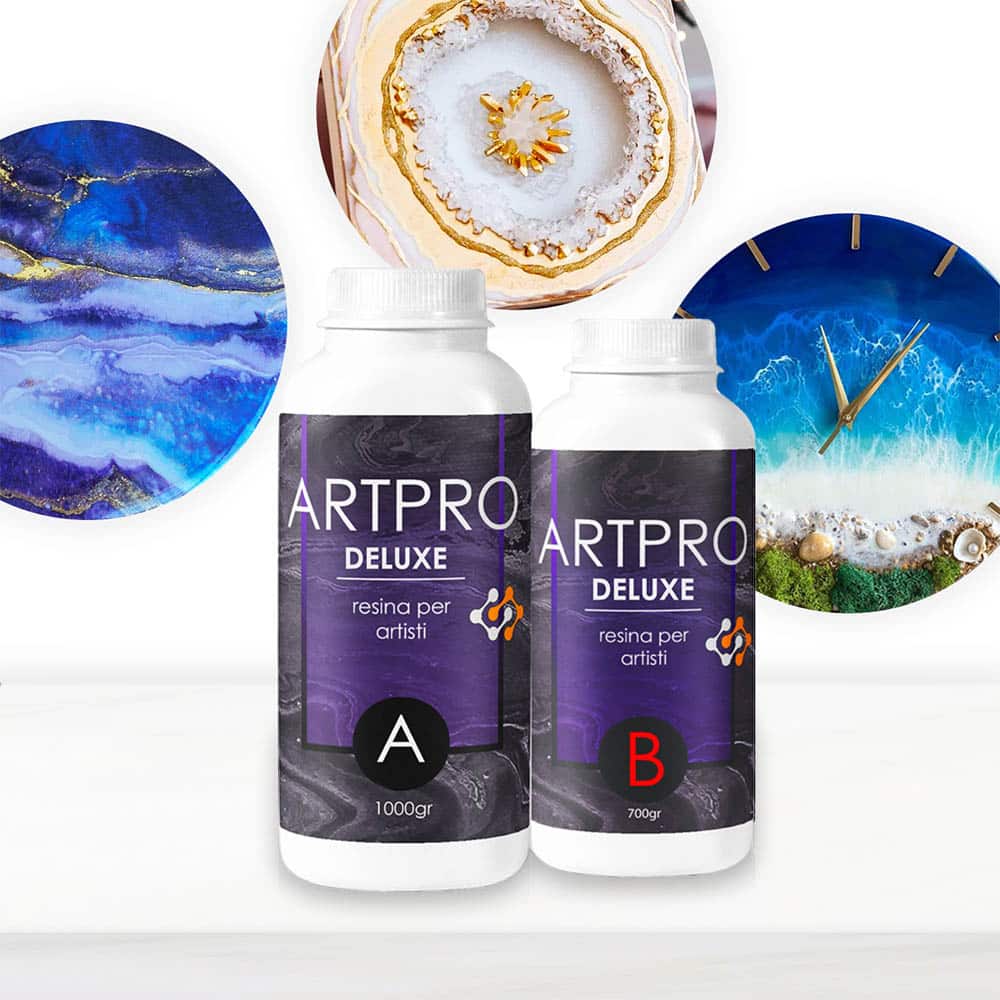
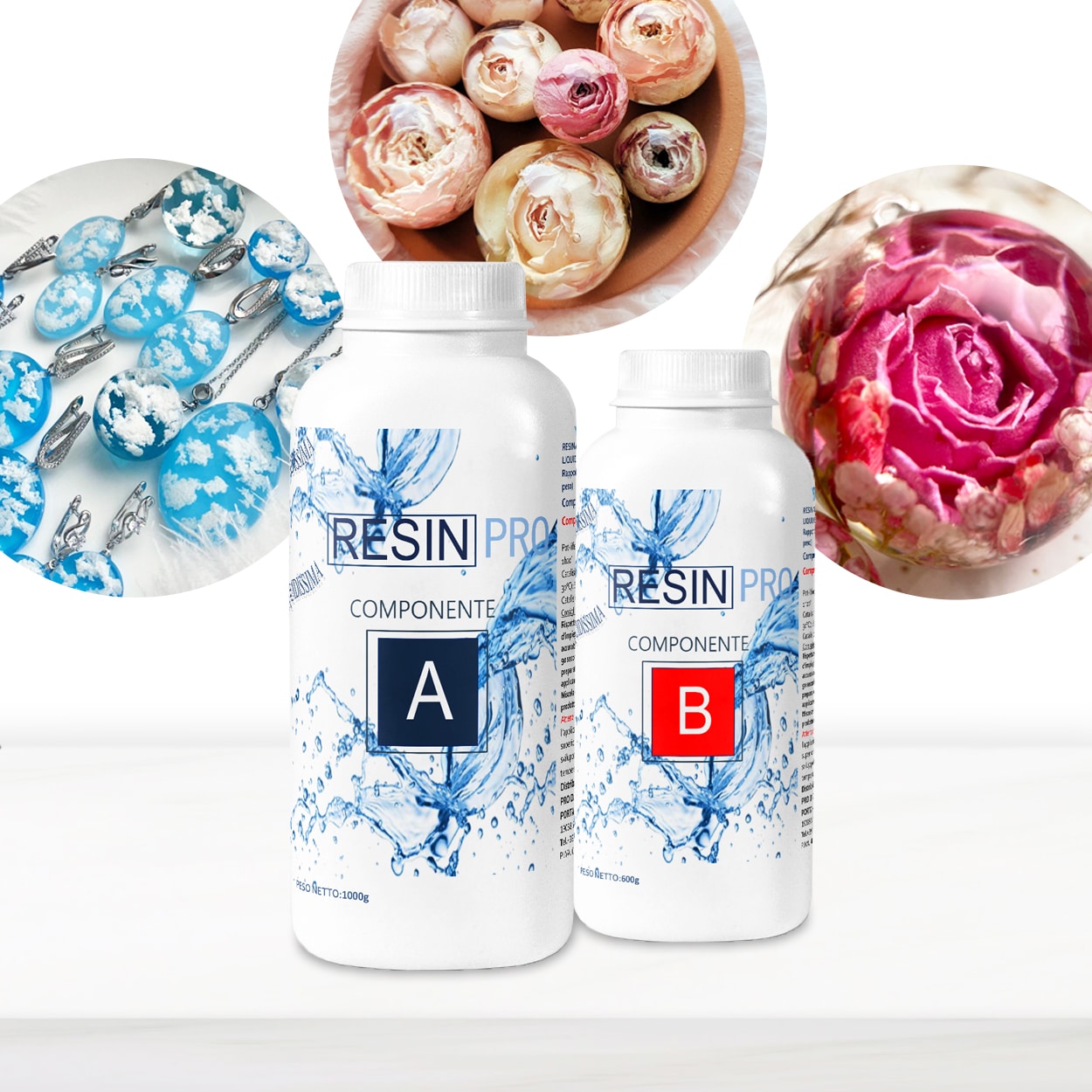
Sunlight can take its toll on painted surfaces, often causing them to lose their vibrancy and become dull. This is where UV resistance in synthetic resin paints plays a crucial role, ensuring your finishes stand the test of time both inside and out.
How UV Exposure Affects Resin Paints
Ultraviolet (UV) rays from sunlight are notorious for breaking down chemical bonds in paints, which can lead to yellowing, fading, and brittleness over time. Synthetic resin paints with UV-resistant formulations help to maintain their original clarity and colour, even after prolonged sun exposure. This is especially important for artworks, furniture, and surfaces that are regularly in contact with natural light.
Choosing UV-Resistant Resin Products
When selecting a resin paint or coating, look for options that highlight their UV protection features. For example, “Art Pro Deluxe” epoxy resin includes powerful UV filters and is specifically designed to reduce yellowing and maintain a clear finish over years of use. Products with high UV resistance make a significant difference for outdoor projects or decorative pieces displayed in sunny rooms.
When UV Resistance Matters Most
- Outdoor and window-facing surfaces: Furniture, worktops, and art exposed to daylight need reliable UV protection.
- Artworks and decorative finishes: Maintaining true colours is essential for creative and professional presentation.
- Functional surfaces: Durable, long-lasting coatings are a must for floors, tables, and frequently handled objects.
Related products
Related guides
For artists and makers keen to preserve the beauty of their painted or resin-crafted pieces, prioritising UV resistance in your material choices is key. To find out more about synthetic resin paints and how they’re designed for lasting results, visit our main guide on how emulsifiable synthetic resin paints are made.