 Free shipping on orders over £29,85
  Shipping Tracking!


 Google
 Facebook
← Back to How are emulsifiable synthetic resin paints made?
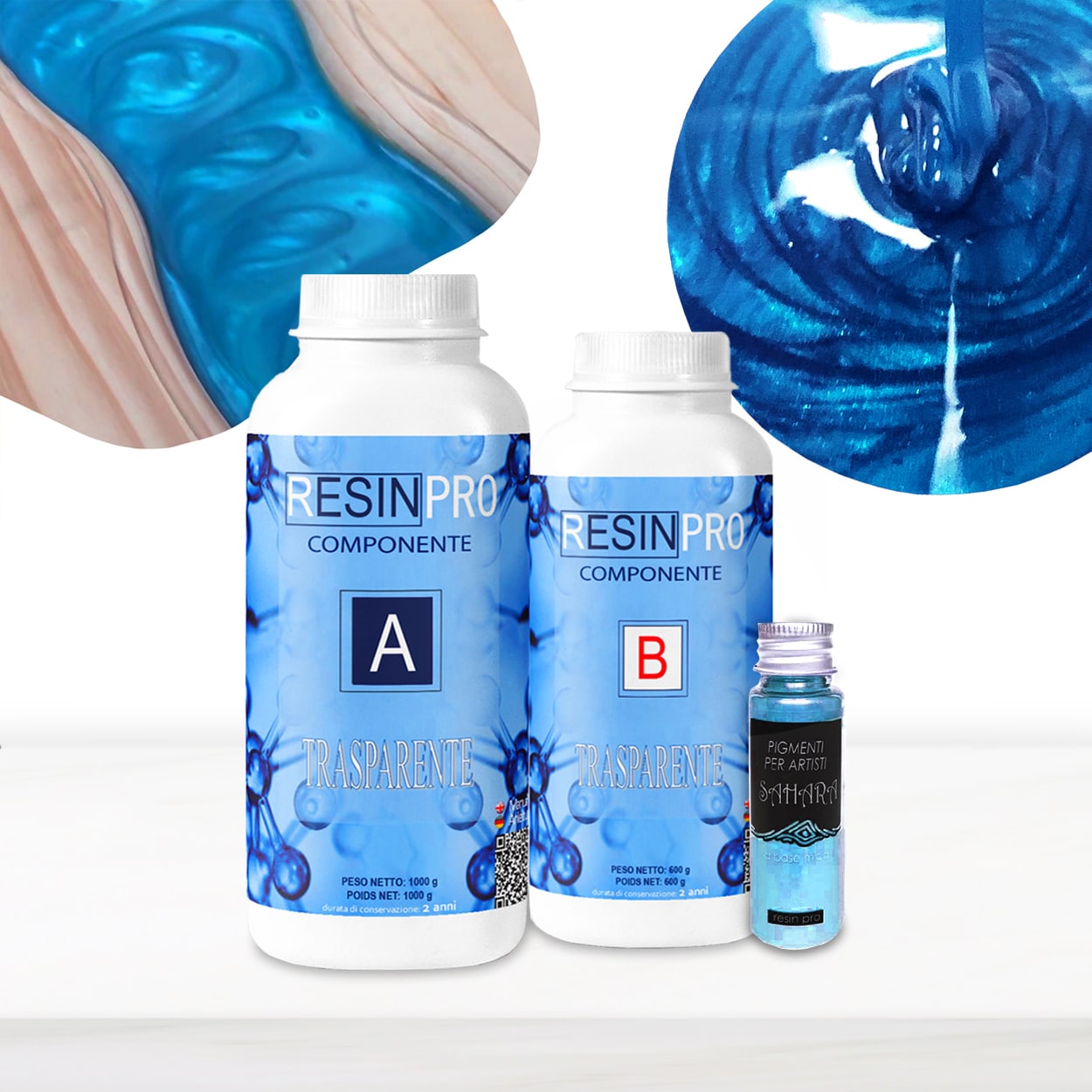
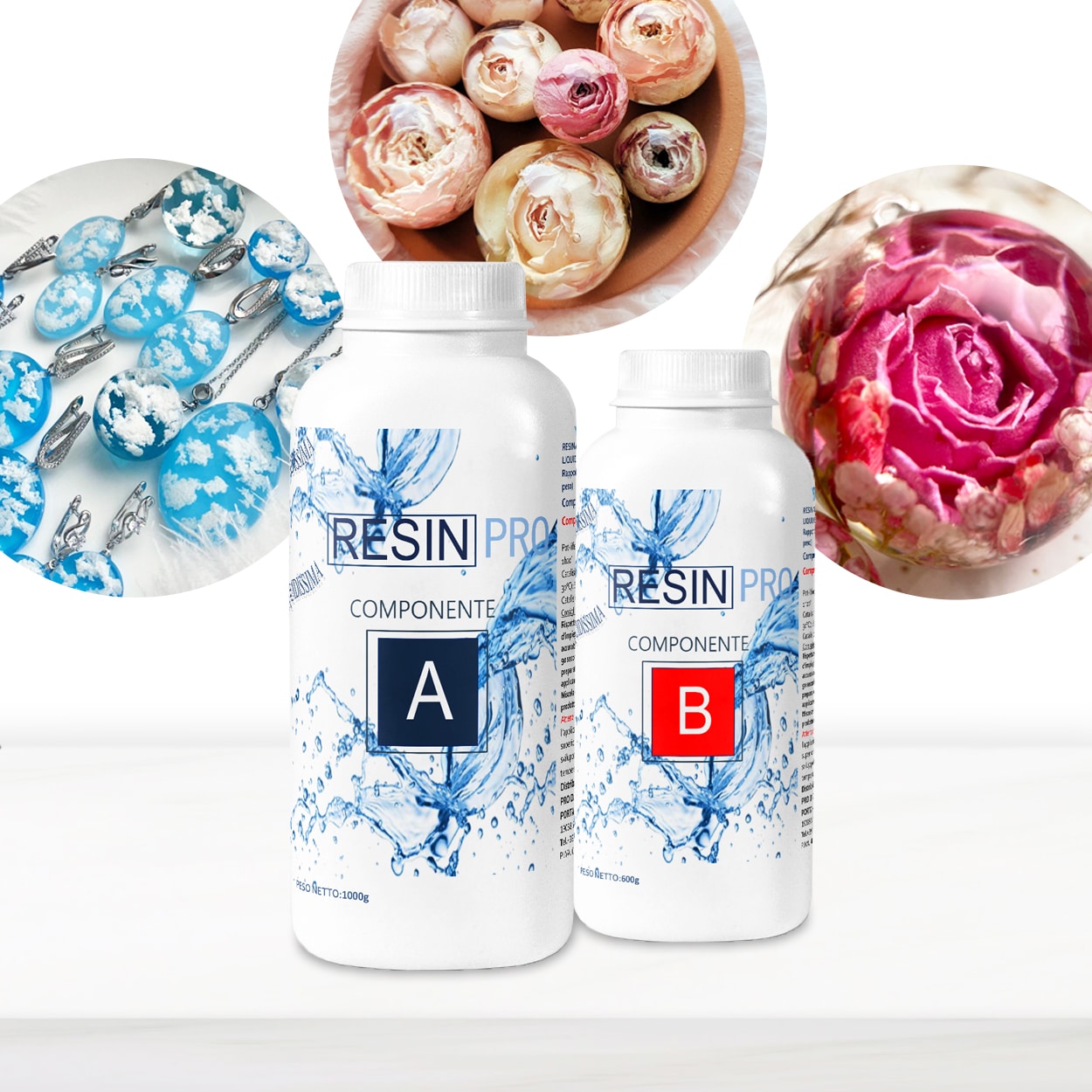
Wondering if you can confidently use synthetic resin paints inside your home or studio? With modern formulations, indoor use is possible when choosing resins certified as non-toxic and solvent-free, and using them as directed. Here’s what to consider for a safe and successful experience.
What Makes a Synthetic Resin Paint Safe Indoors?
For indoor projects, always check that your resin is labeled as non-toxic, solvent-free, and certified for safe use. These products are formulated to minimise emissions and odours, significantly reducing risks involved in indoor applications. For instance, the “Trasparente” Epoxy Resin Kit is described as certified non-toxic, odourless, and solvent-free, making it suitable for use on surfaces like wood, ceramics, and floors.

Best Indoor Use Practices
- Ventilate: Even with low-emission products, work in a well-ventilated area or near an open window.
- Follow Instructions: Adhere to each manufacturer’s recommended ratios and safety tips.
- Protect Skin: Use gloves and work surfaces to avoid direct contact, as even non-toxic resins can cause irritation for some people.
Certified indoor-safe epoxies, such as “Art Pro Deluxe” and “Art Pro”, also have solvent-free, non-toxic formulas and are formulated for both safety and professional results.
When Indoor Resin Paint Safety Matters Most
Safety is especially crucial in spaces with children, pets, or where you plan to use coated surfaces for daily activities. Using a trusted, certified product becomes even more important when applying finishes to tables, counters, artworks, or decorative objects inside living areas.
Related products
Related guides
Choosing the right indoor resin paint ensures your creative projects are both beautiful and responsible. For more on choosing and using synthetic resin paints, explore our main guide: How are emulsifiable synthetic resin paints made?