 Free shipping on orders over £29,85
  Shipping Tracking!


 Google
 Facebook
How do you clean a very dirty resin floor?
Restore the shine and hygiene of neglected resin floors

Heavily soiled or neglected resin floors can present a challenge, but with the correct approach, you can safely lift even stubborn grime, grease, and adhesive residues without damaging your resin surface. This practical guide explains each step for an effective clean, how to protect your floor’s finish, and top tips for ongoing maintenance.
What You’ll Need
- Strong Technical Degreaser for Resin Projects – 100% Natural Formula: For breaking down heavy grease and residue
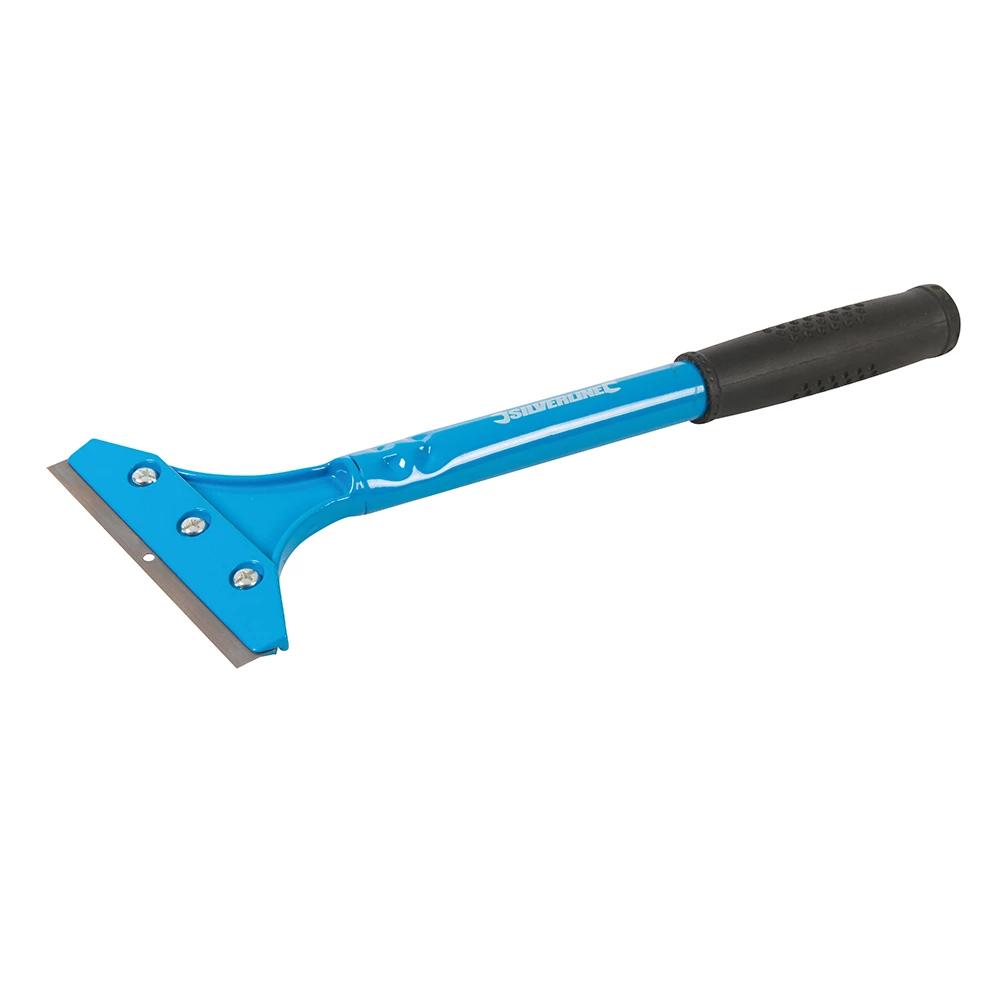
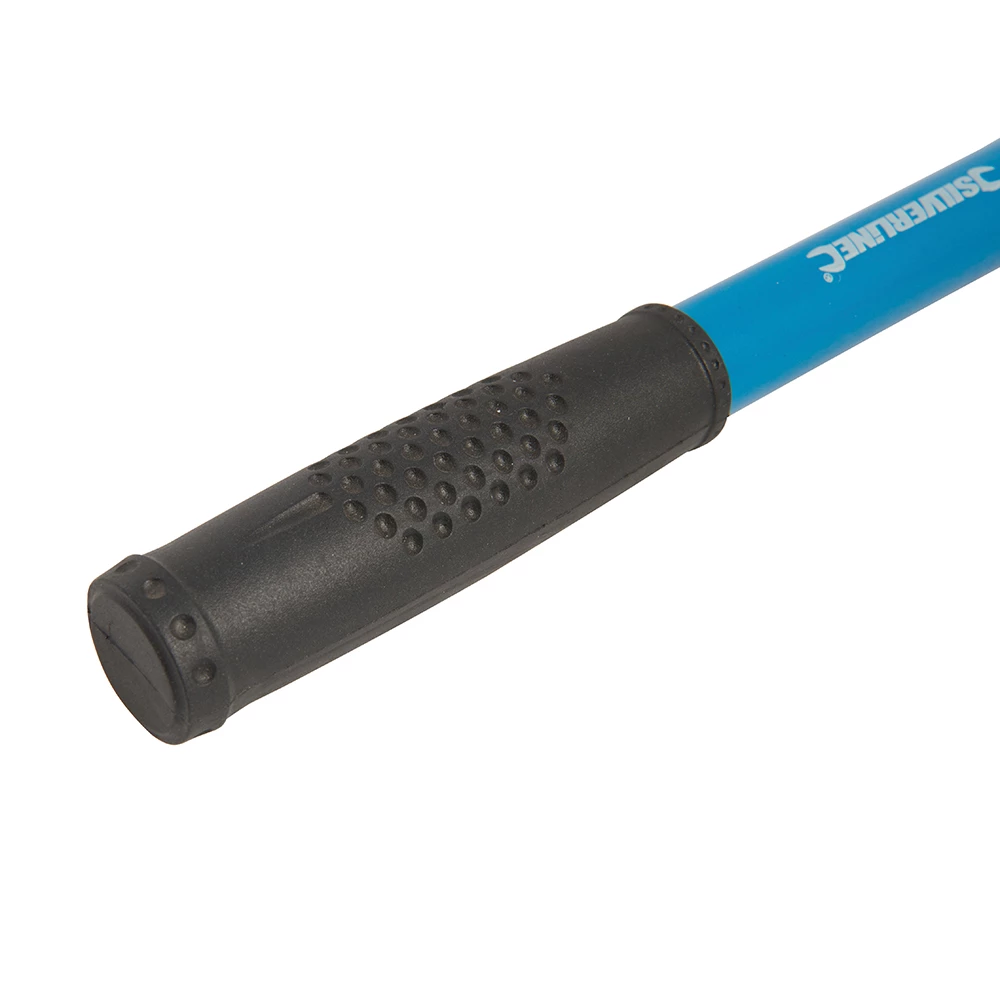
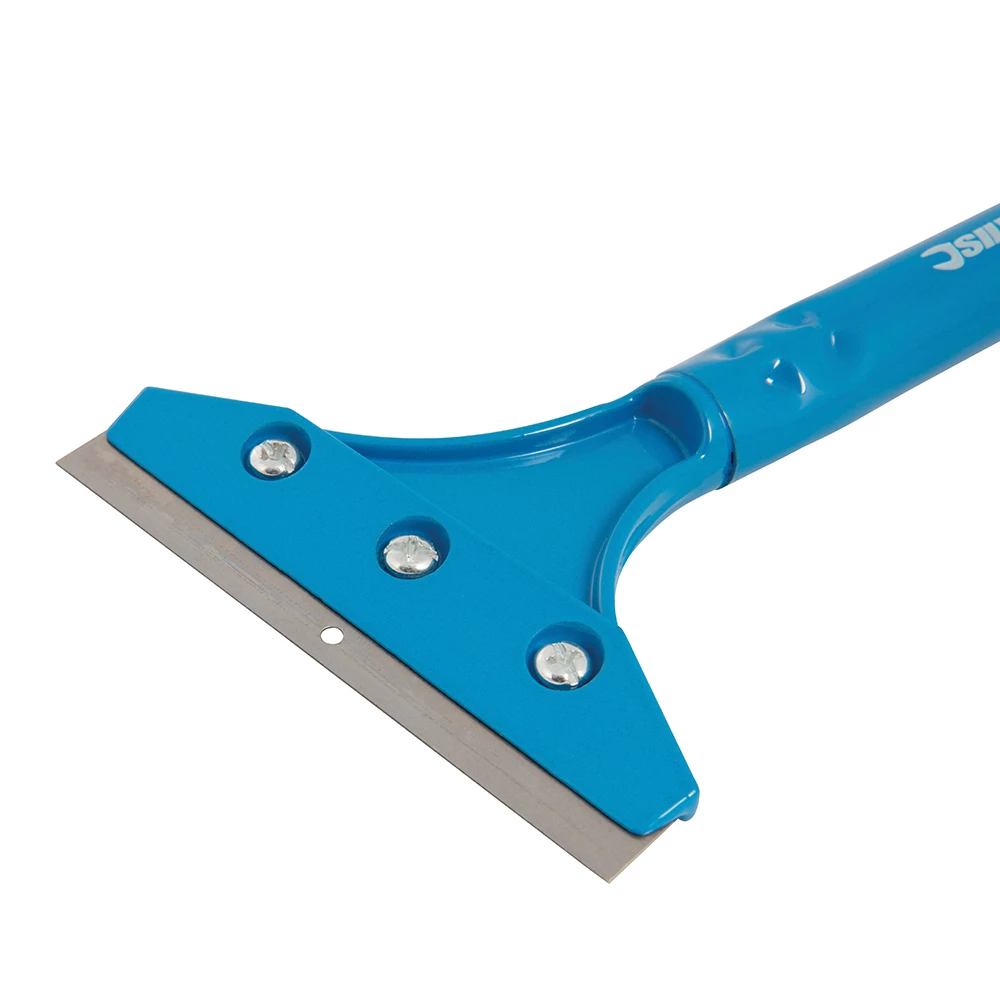
- Heavy Duty Scraper for Paint and Epoxy Resin Removal: For manual removal of stuck-on debris or paint
- Pure Isopropyl Alcohol 99.9% – 1000ml Bottle for Epoxy Resin Projects & DIY: For final wipe-downs and bubble-free prep
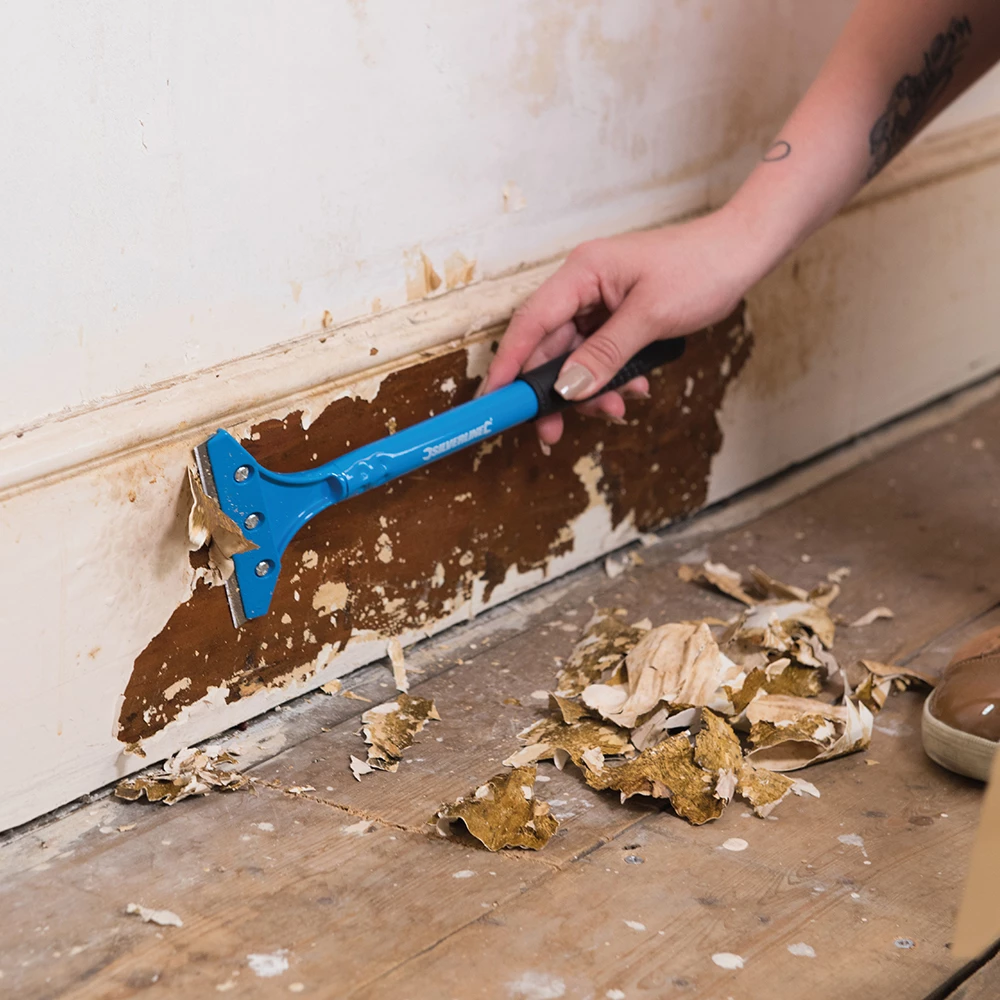
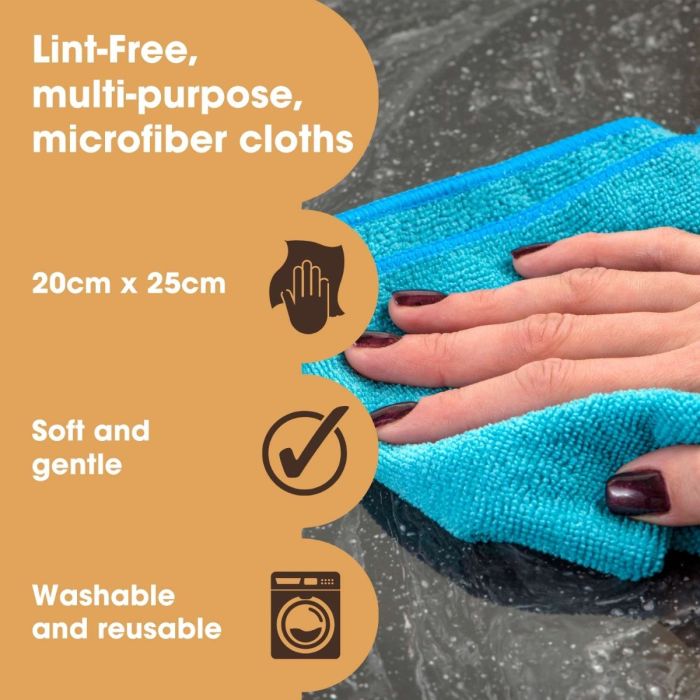
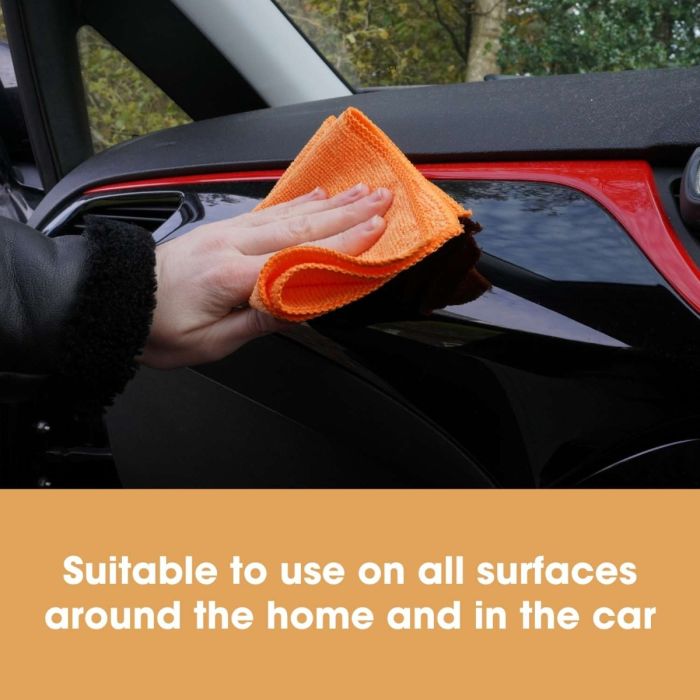
- Coloured Microfibre Cloths – Pack of 10 Multi-Coloured Cleaning Cloths: For gentle, lint-free cleaning and drying
- Mop and bucket
- Warm water
- Protective gloves (especially when using solvents)
Visual Guide to Essential Cleaning Supplies
See how recommended tools like Strong Technical Degreaser, Heavy Duty Scraper, and microfibre cloths combine for effective, safe resin floor cleaning.
Step 1: Remove Loose Dirt and Debris
Start by thoroughly clearing the resin floor of dirt, grit, dust, and larger debris. Use a soft broom, dustpan, or a vacuum with a brush head suitable for hard flooring. This step prevents abrasive particles from scratching the resin during the wet cleaning stages. Pay special attention to edges, corners, and beneath furniture where grime can accumulate unnoticed.
Sweep or vacuum thoroughly before wet cleaning for best results and to protect the finish.

Step 2: Remove Stubborn Residues by Hand
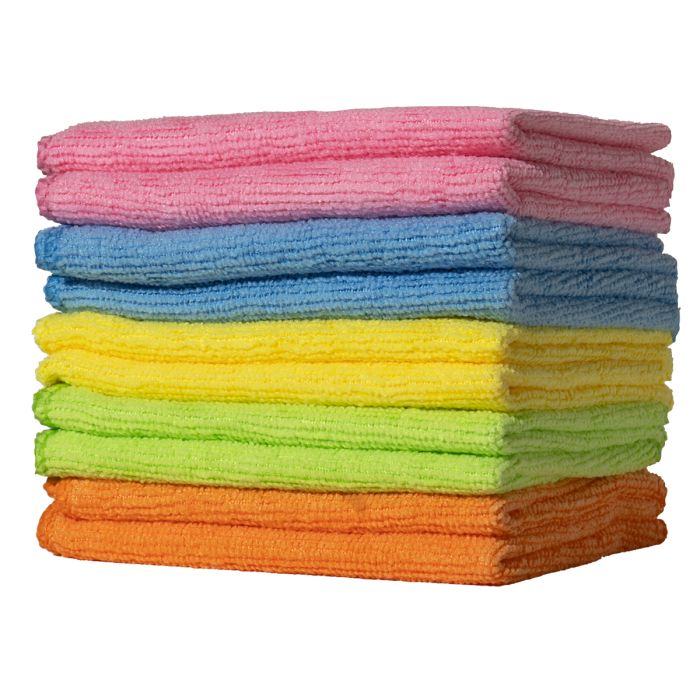
For dried paint splashes, sticky residues, or compacted dirt, gently work across the affected areas using a manual scraper. The Heavy Duty Scraper for Paint and Epoxy Resin Removal is designed to offer precise control, making it ideal for resin floors without risking deep scratches. Always hold the tool at a shallow angle and apply consistent, even pressure.
Take care to work slowly, checking as you go to avoid damaging the surface. If any adhesive or stubborn residue resists gentle scraping, move on to the degreasing step below rather than forcing the issue.
Step 3: Deep Clean with a Suitable Degreaser
Mix a solution of warm water and an effective yet surface-safe degreaser. The Strong Technical Degreaser for Resin Projects – 100% Natural Formula breaks down grease, silicone, and organic build-up without harsh chemicals. Apply the solution liberally using a mop, or for heavy spots, directly onto a Coloured Microfibre Cloth and work into the area by hand.
Allow the degreaser several minutes to act on particularly greasy stains. Wipe away residues and excess product with clean, damp microfibre cloths to leave the floor streak-free and safe for walking.
Step 4: Final Rinse and Buff Dry
After removing built-up grime, rinse the floor with a mop and clean warm water to remove any cleaner residues. For polishing and a final hygienic touch, lightly dampen a microfibre cloth with Pure Isopropyl Alcohol 99.9% and pass it over the surface. This evaporates quickly and helps restore the characteristic sheen of resin materials.
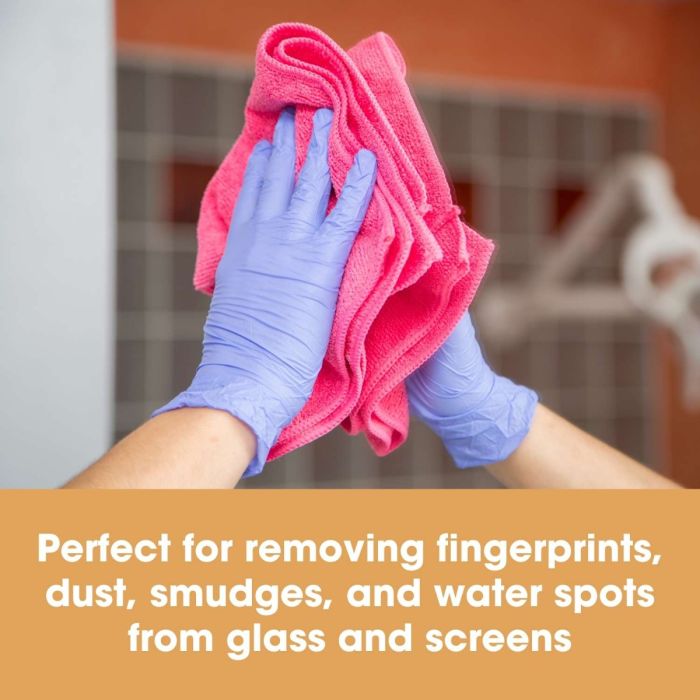
Allow the floor to air dry completely, or finish with a dry microfibre cloth to prevent streaks and water marks—especially useful for high-shine resin floors in showrooms, kitchens, or commercial areas.
Tips, Common Mistakes, and Aftercare
Test cleaners on a small hidden area first to ensure compatibility with your floor’s finish. Never use harsh abrasives or acidic products, as these can dull or damage resin. Tackle stains quickly to prevent setting and always remove excess water to avoid slip hazards or streaking. For routine maintenance, a damp microfibre cloth and a small amount of mild detergent are usually enough to keep resin floors looking their best.
Maintaining Your Resin Floor's Appearance
Regular maintenance prevents the build-up of dirt and extends the lifespan of resin floors. Incorporate periodic deep cleans and immediate stain removal for long-lasting shine and performance.
- Strong Technical Degreaser for Resin Projects – 100% Natural FormulaOriginal price was: £10.95.£9.45Current price is: £9.45.Strong Technical Degreaser is a 100% natural cleaner suitable for various surfaces including epoxy resin projects, fitting the floor cleaning theme.
- Heavy Duty Scraper for Paint and Epoxy Resin Removal£8.95Heavy Duty Scraper is designed for effective removal of paint and coverings, suitable for careful cleaning tasks.
- Pure Isopropyl Alcohol 99.9% – 1000ml Bottle for Epoxy Resin Projects & DIYPrice range: £10.45 through £20.95Pure Isopropyl Alcohol 99.9% in a 1000ml bottle is suitable for epoxy resin projects, including bubble removal and creating effects.
- Coloured Microfibre Cloths – Pack of 10 Multi-Coloured Cleaning Cloths£4.95Microfibre cloths suitable for cleaning and protecting leather and fabric around the home, fitting the theme of cleaning very dirty resin floors.
Frequently Asked Questions
Which cleaners are safe for resin floor surfaces?
Use pH-neutral or specially formulated degreasers, and avoid acidic or abrasive cleaning agents to protect the finish.
How can I remove paint or sticky residues from a resin floor?
Carefully use a sharp scraper and follow up with a natural degreaser to lift stubborn spots without harming the resin.
Can I use vinegar or bleach to clean a resin floor?
No, both can damage or dull resin surfaces. Stick to recommended cleaners and gentle methods.
How do I prevent future stains on resin floors?
Wipe spills promptly, use mats near entrances, and clean regularly with suitable products to minimise staining.
Should I dry resin floors with microfibre cloths after cleaning?
Yes, drying helps avoid streaks and watermarks, especially on high-shine or coloured resin surfaces.
How often should I deep clean a resin floor?
Perform a deep clean every few months or when heavy soiling occurs, and maintain daily with light, regular cleaning.