 Free shipping on orders over £29,85
  Shipping Tracking!


 Google
 Facebook
How is excess resin removed from composites?
A clear, practical guide for resin cleanup and finishing


Excess resin on composite surfaces can compromise both the appearance and performance of your finished piece. Whether you’re working with carbon fibre, mixed media art or other composite systems, removing excess resin safely is essential for a flawless result and long-term durability. This guide will walk you through the best practice methods to eliminate surplus resin, clean surfaces, and bring out a polished shine in your composite projects.
What You’ll Need
- Pure Isopropyl Alcohol 99.9% – 1000ml Bottle for Epoxy Resin Projects & DIY – For cleaning and removing surface residue from uncured resin.
- Strong Technical Degreaser for Resin Projects – 100% Natural Formula – Useful for breaking down greasy or silicone residues.
- “Epoxy Polish” – Epoxy Resin Polishing System – For restoring clarity and gloss to finished surfaces after cleaning.
- Lint-free cloths or shop towels
- Plastic or silicone spatula (for gentle scraping)
- Wet and dry sandpaper (various grits, from 400 to 2000)
- Protective gloves, mask, and eyewear

Safely Cleaning Composite Surfaces
Work in a well-ventilated area and always protect your hands and eyes when cleaning composites with solvents or abrasive materials. Dispose of resin-contaminated cloths according to local environmental guidelines, and keep cleaning products away from heat or open flames for maximum safety.

Step 1: Prepare Your Workspace and Materials
Before starting the removal process, organise your tools and make sure your workspace is well-ventilated. Lay down protective coverings to prevent spills or splashes damaging other surfaces. Wear protective gloves and eyewear throughout the process to minimise skin contact with chemicals and reduce the risk of irritation. Have all your cloths, spatulas, and chosen cleaning solutions close at hand for smooth workflow.
Step 2: Remove Uncured Resin from Surfaces
If you notice excess resin before it has fully cured, it’s important to act swiftly. Use a plastic or silicone spatula to gently scrape away as much of the uncured resin as possible. Remove uncured resin immediately to prevent deeper penetration into the composite. Afterwards, dampen a lint-free cloth with Pure Isopropyl Alcohol 99.9% and wipe the affected area. The high purity alcohol helps break down the sticky residue without leaving residues or damaging the underlying composite matrix, making it ideal for the safe removal of surface resin.


Step 3: Clean Residual Film and Prepare for Further Work
Even after initial removal, you may notice a thin layer of resin or greasy buildup, especially if release agents or lubricants were used in the moulding process. In these instances, Strong Technical Degreaser for Resin Projects – 100% Natural Formula is highly effective. It breaks down organic residues while remaining gentle on skin and most composite surfaces. Spray or apply to a cloth, rub thoroughly, and wipe dry. Always check surface compatibility with a small test patch if unsure. This degreaser is especially helpful for cleaning tools and post-casting equipment as well.
Step 4: Sand and Polish Hardened Resin for a Smooth Finish
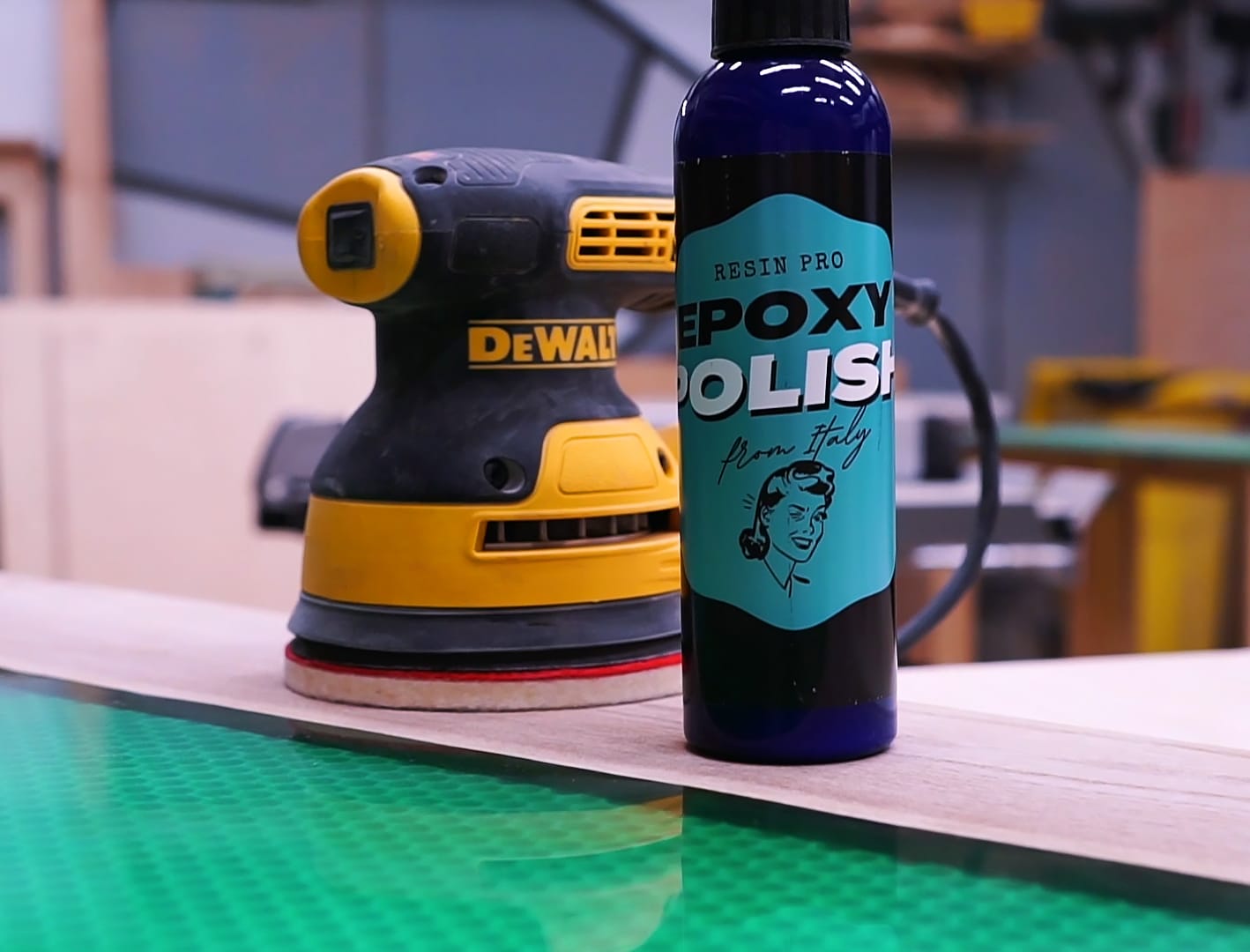
For cured resin spills or accumulation, careful sanding may be necessary. Begin with a medium grit (about 400), gently sanding the area by hand or with a soft sanding block. Gradually move to finer grits up to 2000 for best results, always using light water mist to minimise dust and heat. When the surface is flat and smooth, it’s ready for polishing. Polish only fully cured resin: using “Epoxy Polish” – Epoxy Resin Polishing System will remove micro-scratches and restore a clear, glossy appearance. Follow instructions for either hand or machine application for best effect.
Tips, Common Mistakes, and Troubleshooting
To prevent residue build-up, work cleanly and remove excess resin as soon as possible. Avoid excessive abrasion or chemical overuse, as aggressive cleaning can mar the composite surface or affect adhesion. Allow solvents and cleaners to evaporate fully before proceeding with further finishing steps. When in doubt, test unfamiliar products on a discreet area. Good technique minimises both manual effort and the need for aggressive chemicals.
Perfecting Your Composite Finish
For the highest gloss, finish polishing with a soft microfibre cloth after using a resin-specific polish. Between coats or repairs, use mild solvents and degreasers only as needed to maintain surface clarity without dulling the composite material.

- Pure Isopropyl Alcohol 99.9% – 1000ml Bottle for Epoxy Resin Projects & DIYPrice range: £10.45 through £20.95Pure Isopropyl Alcohol 99.9% helps remove surface bubbles and assists resin art effects, suitable for epoxy resin projects.
- Strong Technical Degreaser for Resin Projects – 100% Natural FormulaOriginal price was: £10.95.£9.45Current price is: £9.45.A natural, gentle degreaser designed for removing grease and silicone from epoxy resin projects and various surfaces.
- "Epoxy Polish" – Epoxy Resin Polishing SystemPrice range: £18.95 through £47.45Epoxy Polish offers a system for polishing epoxy resin surfaces to a glossy finish, suitable for various resin projects.
Frequently Asked Questions
What is the best way to clean excess epoxy from composites?
Remove uncured resin with a spatula then wipe with isopropyl alcohol. For cured resin, use sanding and finish with polishing.
How do I safely remove uncured resin from a composite surface?
Scrape gently, then clean with high-purity isopropyl alcohol using a lint-free cloth.
Do I need to sand before polishing resin?
Sanding is necessary if the excess resin has hardened, followed by polishing to achieve gloss.
Can I use a natural degreaser on cured epoxy?
Yes, a plant-based degreaser helps remove greasy or oily residues without harming epoxy surfaces.
How can I avoid scratches when finishing composites?
Start with fine sandpaper, use light pressure, and polish with purpose-made resin polishes for a smooth finish.