 Free shipping on orders over £29,85
  Shipping Tracking!


 Google
 Facebook
How to recover a resin table?
Refresh, repair and restore your resin table with expert tips


Resin tables are known for their unique appearance and hard-wearing surfaces, but over time even the best finishes can develop scratches, dull patches, or surface blemishes. Whether you are rescuing a well-loved table from daily wear or restoring a misapplied resin finish, this guide provides all the steps and expert advice needed to recover your resin table to a near-original shine.

What You’ll Need
- “Epoxy Polish” – Epoxy Resin Polishing System: For restoring gloss and removing surface scratches.
- “EpoxyTable 5-Five” – Deep Pour Epoxy Resin for Tables and Large Projects – Up to 5cm: Best for resurfacing thicker layers or repairing deep damage.
- “Trasparente” – Multipurpose Clear Epoxy Resin for Casting – Up to 2cm: Suitable for resealing fine surfaces and shallow repairs.
- “River-Table” – Complete Kit for Creating Your First Epoxy Resin Table: Provides all-in-one solutions for major restoration or redesign projects.
- Clean microfibre cloths
- Sanding pads (various grits, e.g., 360 to 4000)
- Nitrile gloves and eye protection
- Mixing sticks and measuring cups (if reapplying resin)

Essential Tools and Workspace Setup
Setting up your workspace is key to a successful table restoration. Use clean, lint-free cloths and arrange all sanding and polishing materials nearby for efficiency. Ensure you have adequate ventilation and protective gloves before starting any resin sanding or pouring work. Taking a few minutes for preparation now will save hours of corrective work later.
Clean the Surface Thoroughly
Begin by removing all dust, debris, and greasy marks from your resin table. Use a gentle, non-abrasive cleaner and a soft cloth, avoiding strong solvents that might damage the surface. Ensure the table is completely dry and free from residues before moving to the next step, as any lingering dirt can cause surface imperfections after repair.
Pay special attention to textured or inlaid areas where dust can easily accumulate. If you need to remove sticky spots or ingrained dirt, use warm soapy water followed by a dry cloth. Allow the table to air-dry fully in a dust-free area for best results.

Address Scratches and Imperfections
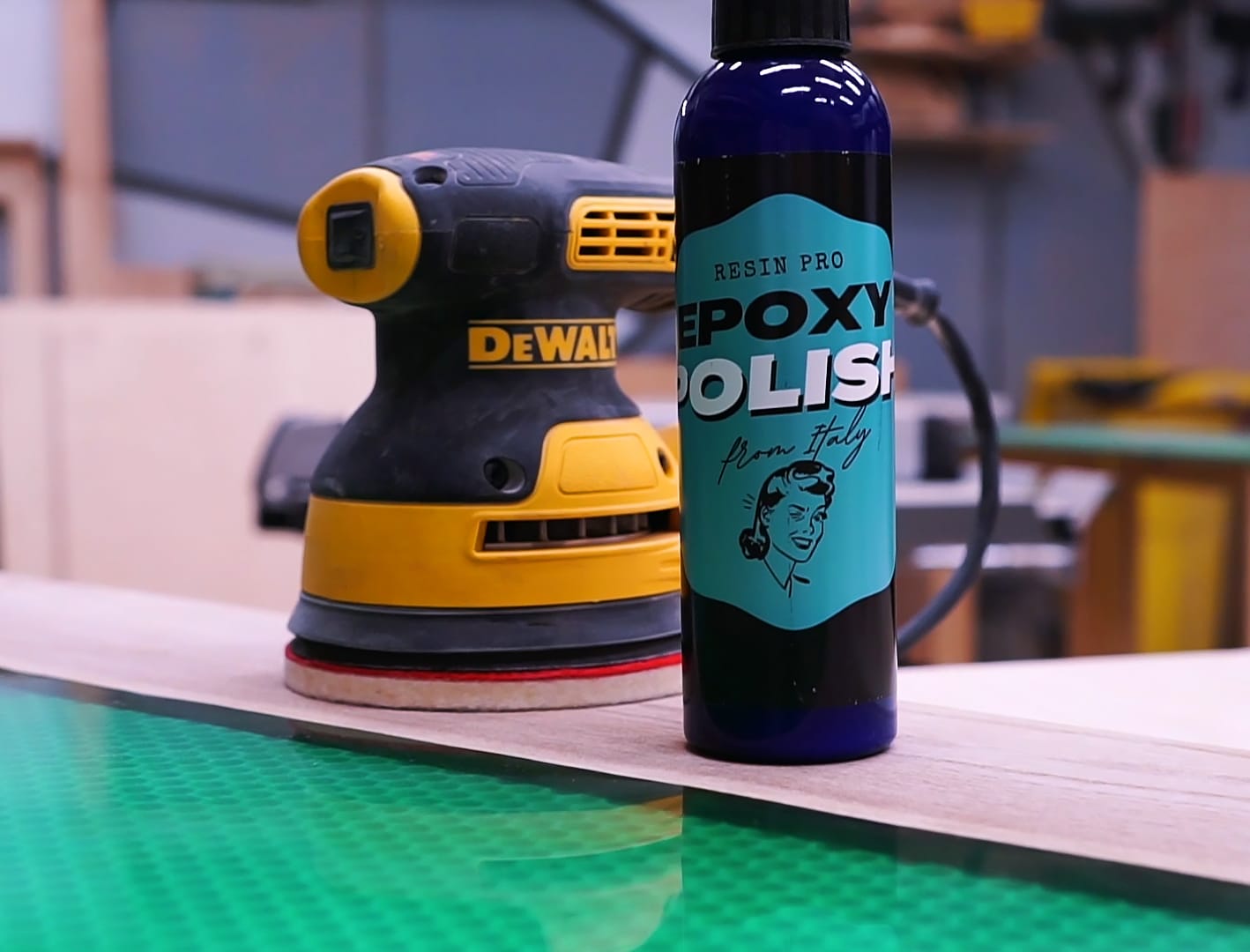
Light scratches, swirl marks, or dull areas are best remedied by carefully sanding the affected spots with fine-grit sanding pads—working up from 1000 grit to 4000 grit as the damage improves. Always sand in small, circular motions, applying minimal pressure to avoid removing too much resin from the surface.
Once sanding is complete, wipe away all dust and inspect the area. For deeper scratches or persistent dullness, use an advanced polishing system such as “Epoxy Polish” – Epoxy Resin Polishing System. With a polishing pad or microfibre cloth, work the polish gently into the resin, buffing until the shine is restored and any micro-abrasions have disappeared.
Reapply Epoxy Resin if Necessary
If your table has lost its finish or sustained surface damage that cannot be resolved through sanding and polishing, you may need to recoat it with a new layer of epoxy resin. Start by masking off any areas that should not be coated, ensuring a clean and dry surface throughout the process. Prepare your workspace with adequate ventilation and wear protective gloves and eyewear.
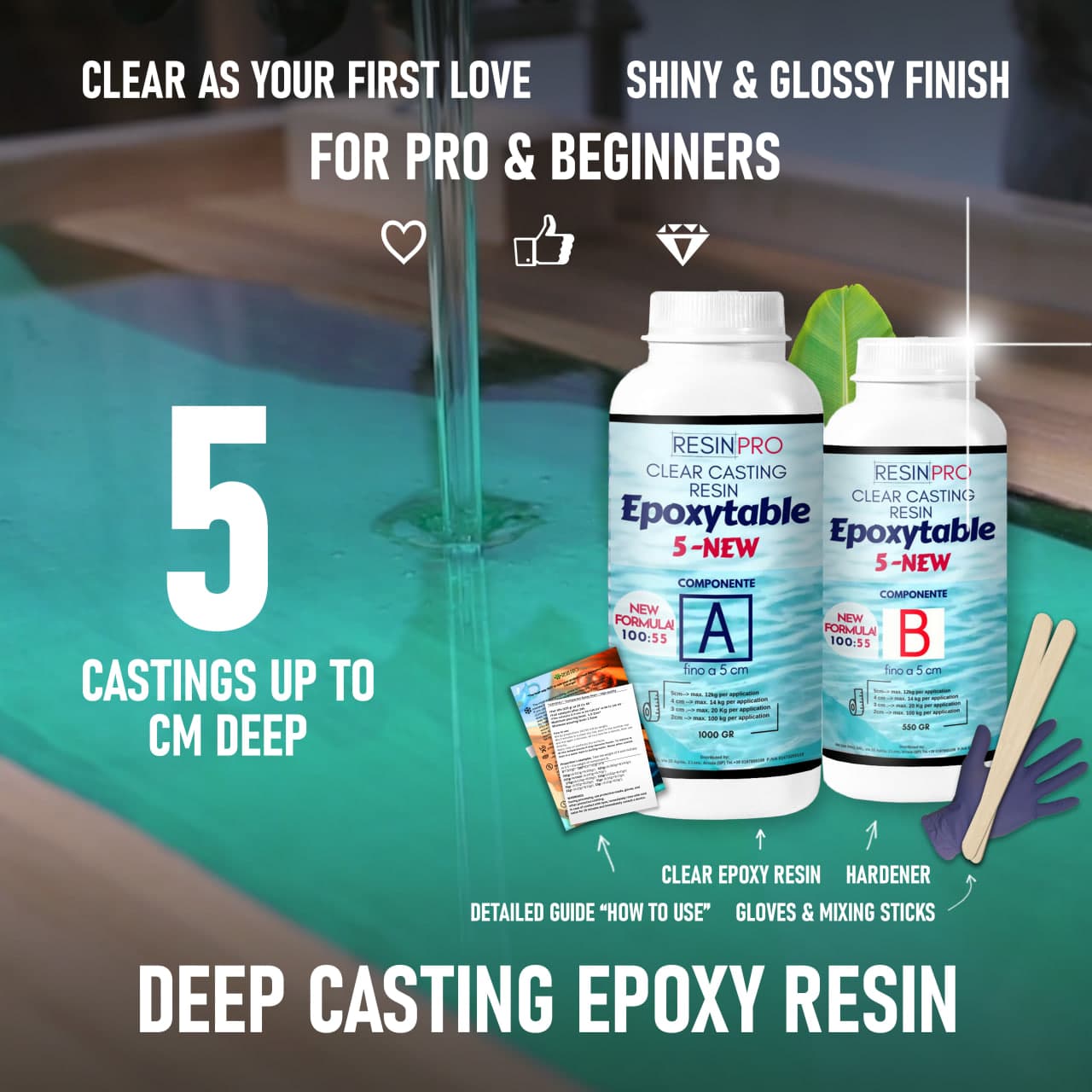
Select the appropriate resin for your repair: use “Trasparente” – Multipurpose Clear Epoxy Resin for Casting – Up to 2cm for layer repairs up to 2cm, or “EpoxyTable 5-Five” – Deep Pour Epoxy Resin for Tables and Large Projects – Up to 5cm for deeper work. Mix the resin and pour evenly to level, following manufacturer instructions closely to ensure a bubble-free, uniform finish. Allow curing time as per product guidelines.

Polish and Finish the Table
After the epoxy has cured, the surface may appear slightly matte or uneven. Begin by sanding with ultra-fine pads if required, always cleaning dust away between each grit. When smooth, apply a specialist polish like “Epoxy Polish” – Epoxy Resin Polishing System to enhance gloss and seal micro-scratches. Buff the surface gently using a rotary polisher or by hand, working until the table reaches your desired level of shine.
For those tackling a full restoration or creating a new look, consider an all-in-one kit such as the “River-Table” – Complete Kit for Creating Your First Epoxy Resin Table. This option provides step-by-step instructions and every component needed for a flawless professional result.
Common Mistakes and Tips
Poor surface preparation is a common reason for unsatisfactory results, so never skip cleaning or sanding. To avoid microbubbles in new resin, pour slowly in a dust-free setting and use a heat gun briefly to release trapped air. Always mix the resin thoroughly and measure accurately for an even cure. For matte or blotchy finishes, thorough polishing and progressive sanding are crucial. Allow adequate ventilation during epoxy work and protect the table from dust while curing for a pristine outcome.
Expert Restoration Insights
Professional finishers recommend working slowly and methodically. Take progress photos, especially during repair stages, so you can spot areas needing further attention. If you are experimenting or using a new product, conduct a small test on an inconspicuous area before committing to the full surface. Consistency and patience deliver outstanding results on every resin table restoration.

- "Epoxy Polish" – Epoxy Resin Polishing SystemPrice range: £18.95 through £47.45"Epoxy Polish" provides a system to restore a glossy finish for resin surfaces, suitable for use in recovering resin tables.
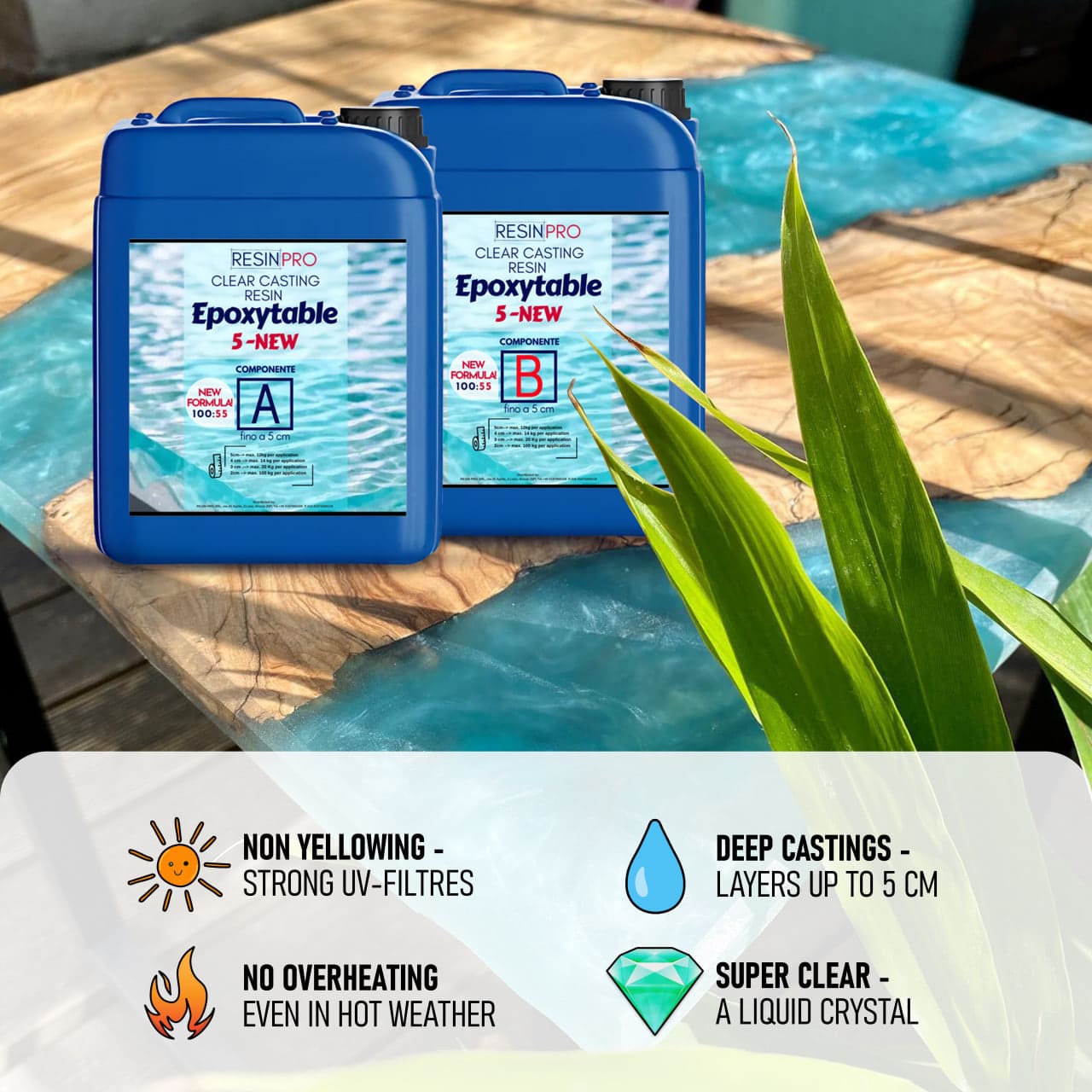
- "EpoxyTable 5-Five" – Deep Pour Epoxy Resin for Tables and Large Projects – Up to 5cmPrice range: £17.95 through £1,154.95EpoxyTable 5-Five is a deep pour epoxy resin designed for tables and large projects with up to 5cm thickness, providing clarity and scratch…
 "Trasparente" – Multipurpose Clear Epoxy Resin for Casting – Up to 2cmPrice range: £8.95 through £397.95"Trasparente" is a transparent epoxy resin suitable for clear castings and table surfaces up to 2cm thick, offering a self-levelling,…
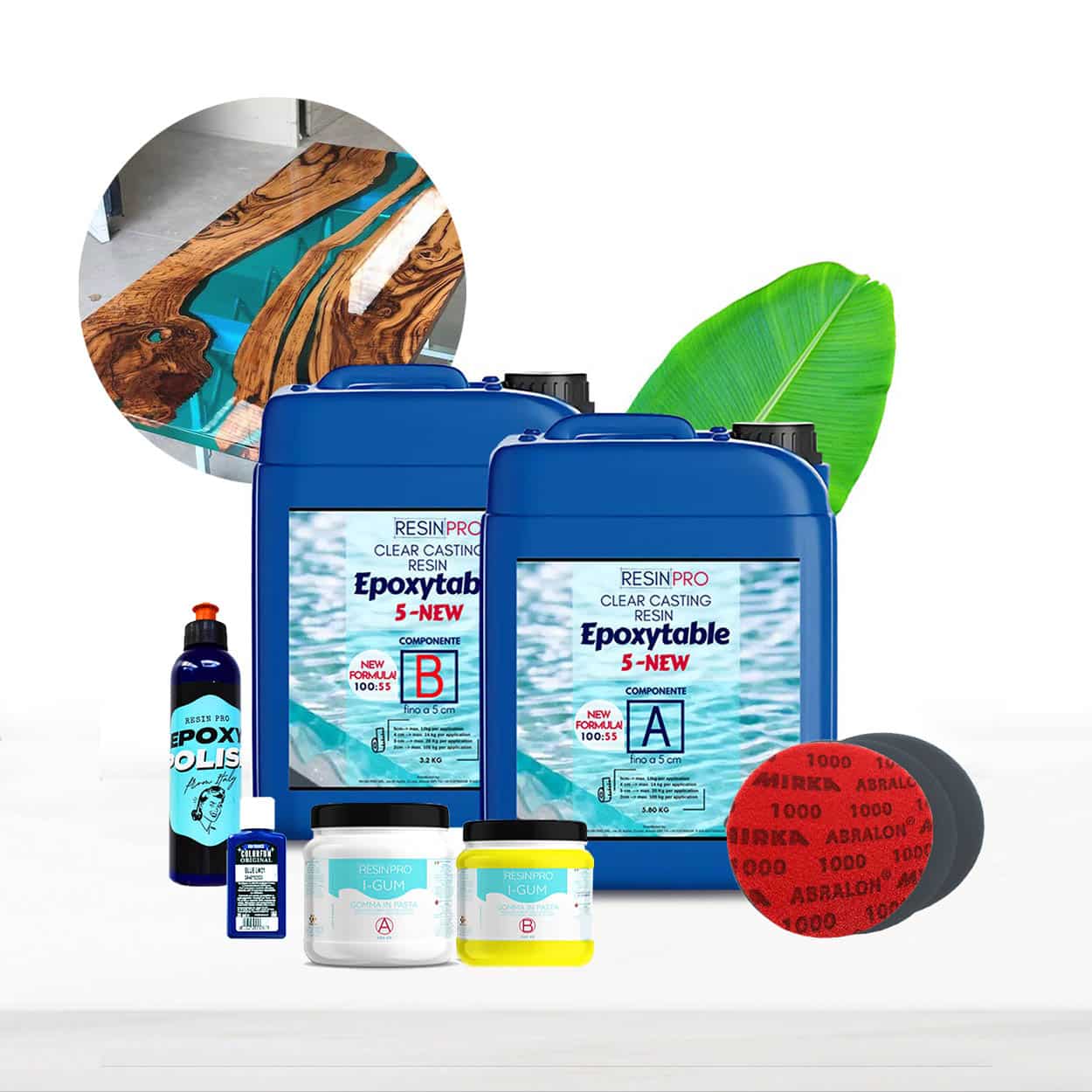 "River-Table" – Complete Kit for Creating Your First Epoxy Resin TablePrice range: £198.45 through £467.45"River-Table" kit provides materials and instructions for creating a wood and resin table suited to recovering resin tables.
Frequently Asked Questions
What is the best polishing system for restoring resin tables?
A dedicated epoxy resin polish system is ideal for removing scratches and restoring a high-gloss finish on resin tables.
How do I fix deep scratches in a resin table?
Sand the affected area with fine pads, then reapply a suitable epoxy resin layer before polishing the surface.
How can I prevent cloudiness when recoating my table?
Ensure the surface is fully clean and dry, and carefully mix and apply the resin according to manufacturer instructions for maximum clarity.
How long does a new resin layer take to dry?
Drying times vary but most epoxy resins require at least 24–72 hours to reach a hard, touchable finish depending on layer thickness.
Which resin should I use for shallow repairs?
Choose a multipurpose clear epoxy designed for shallow pours of up to 2 cm thickness for best blending and finish.
How do I fix matte or uneven patches after repair?
Repeat fine sanding and polishing steps to even out the finish and restore gloss throughout your table surface.