 Free shipping on orders over £29,85
  Shipping Tracking!


 Google
 Facebook
← Back to How to Resin a Staircase?
Careful preparation is essential for achieving a seamless resin finish on your staircase. Addressing any cracks, dents or uneven spots by repairing and sanding imperfections will ensure the final result looks flawless and lasts longer.
Assess Your Staircase Surface
Begin by inspecting each step for visible damage. Concrete stairs may have chips or cracks, while wooden steps can develop dents or splinters. Identify areas that need filling, reinforcing, or more intensive repair before you proceed to sanding. Attention to this detail early saves time and prevents resin failures later on.

Essential Repair Steps
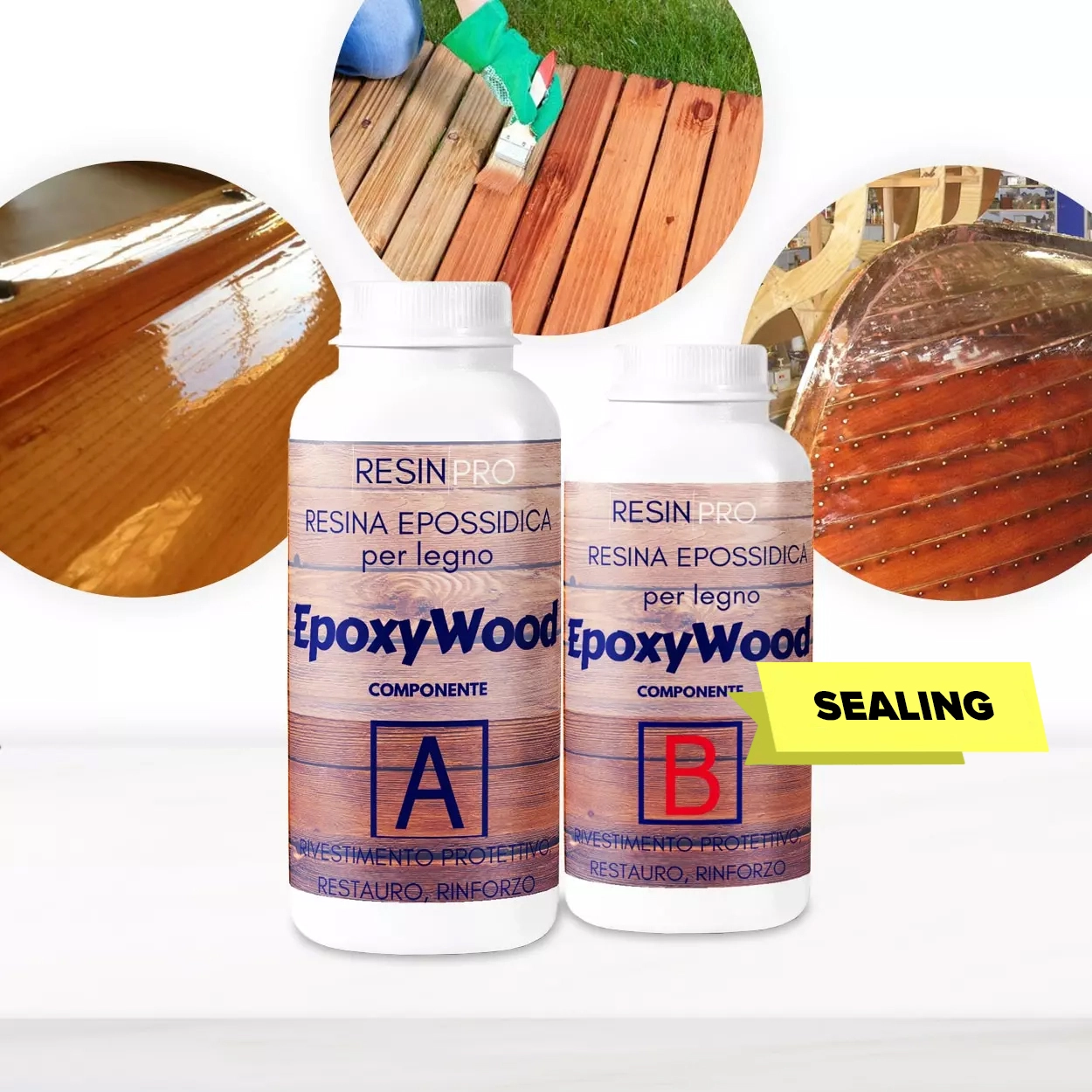
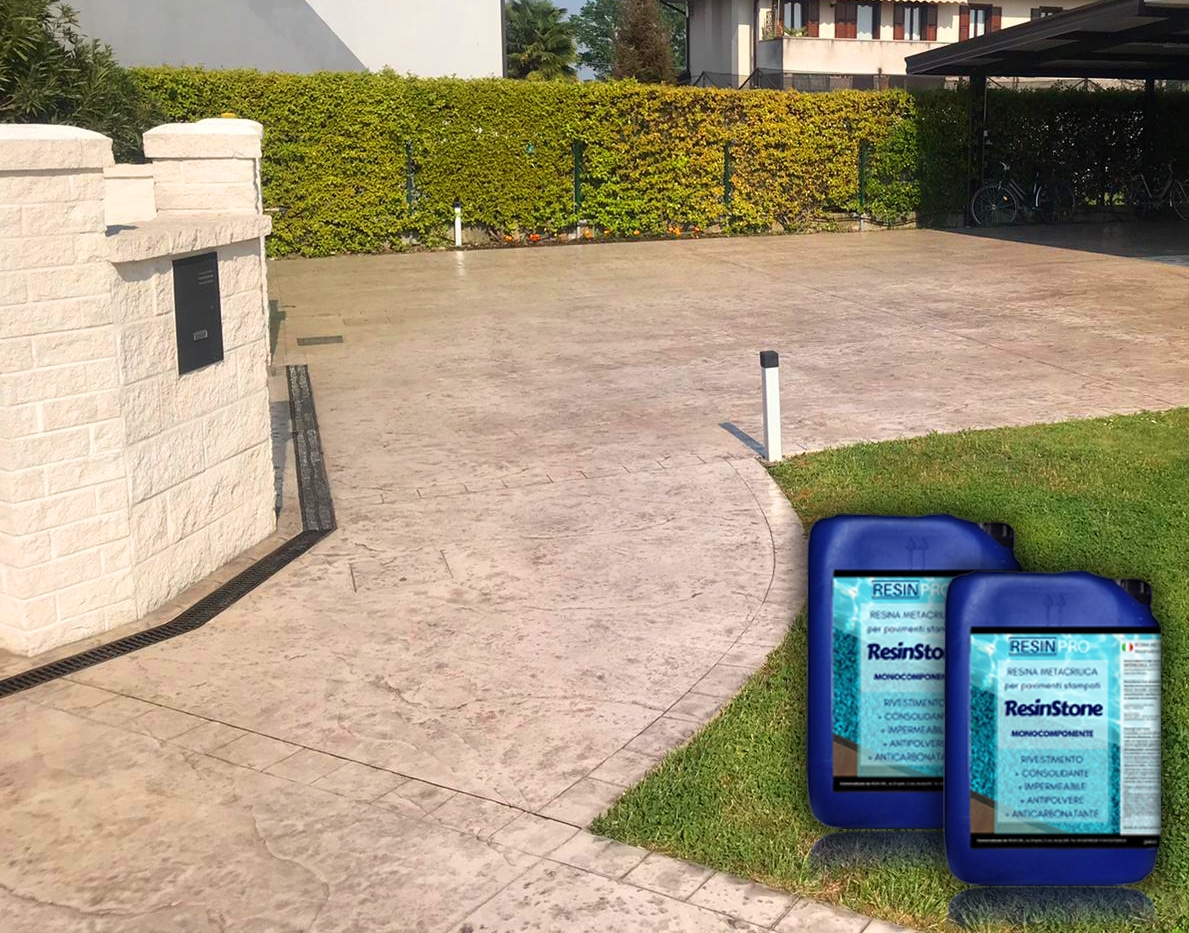
For concrete stairs, use a suitable filler or patch compound to address gaps or cracks. On wood, consider a product designed for deep penetration and structural enhancement—like EpoxyWood—to restore strength and provide a waterproof surface. Always allow any repair materials to cure fully before further preparation.
Sanding for a Smooth, Bondable Surface
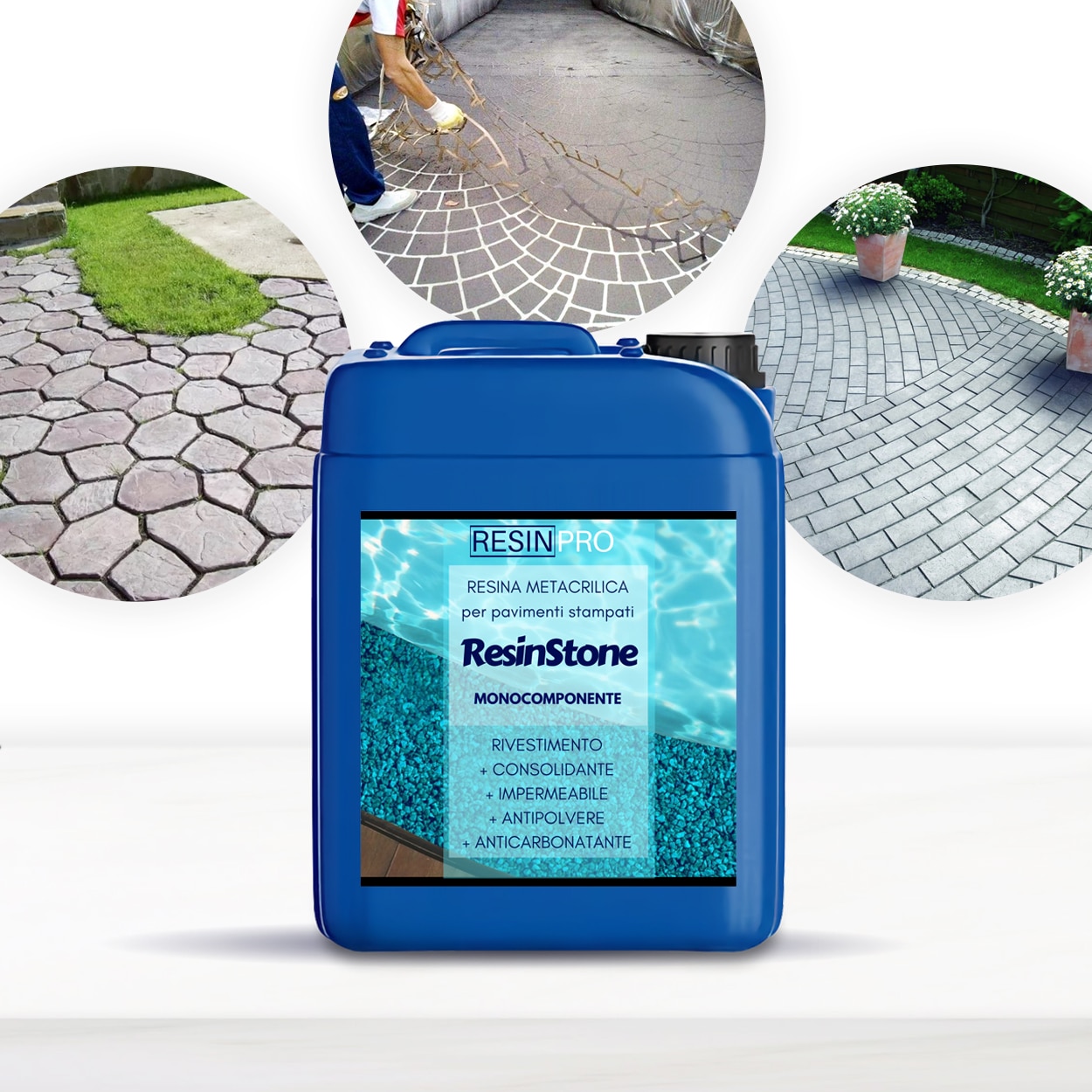
Once repairs are complete and dry, sand the entire staircase surface. Begin with a coarse grit to level uneven patches, finishing with a medium-to-fine grit for a smooth finish. Effective sanding ensures your chosen resin—whether it’s formulated for wood, like EpoxyWood, or concrete, such as Resinstone—adheres evenly for long-lasting results. After sanding, thoroughly remove all dust and debris before applying primer or resin.
Related products
Related guides
Getting the surface right by repairing and sanding is a critical foundation for any stair resin application. With this stage complete, you’ll be well prepared to follow the detailed steps in our How to Resin a Staircase? guide for professional results.