 Free shipping on orders over £29,85
  Shipping Tracking!


 Google
 Facebook
← Back to What is the resin for paints called?

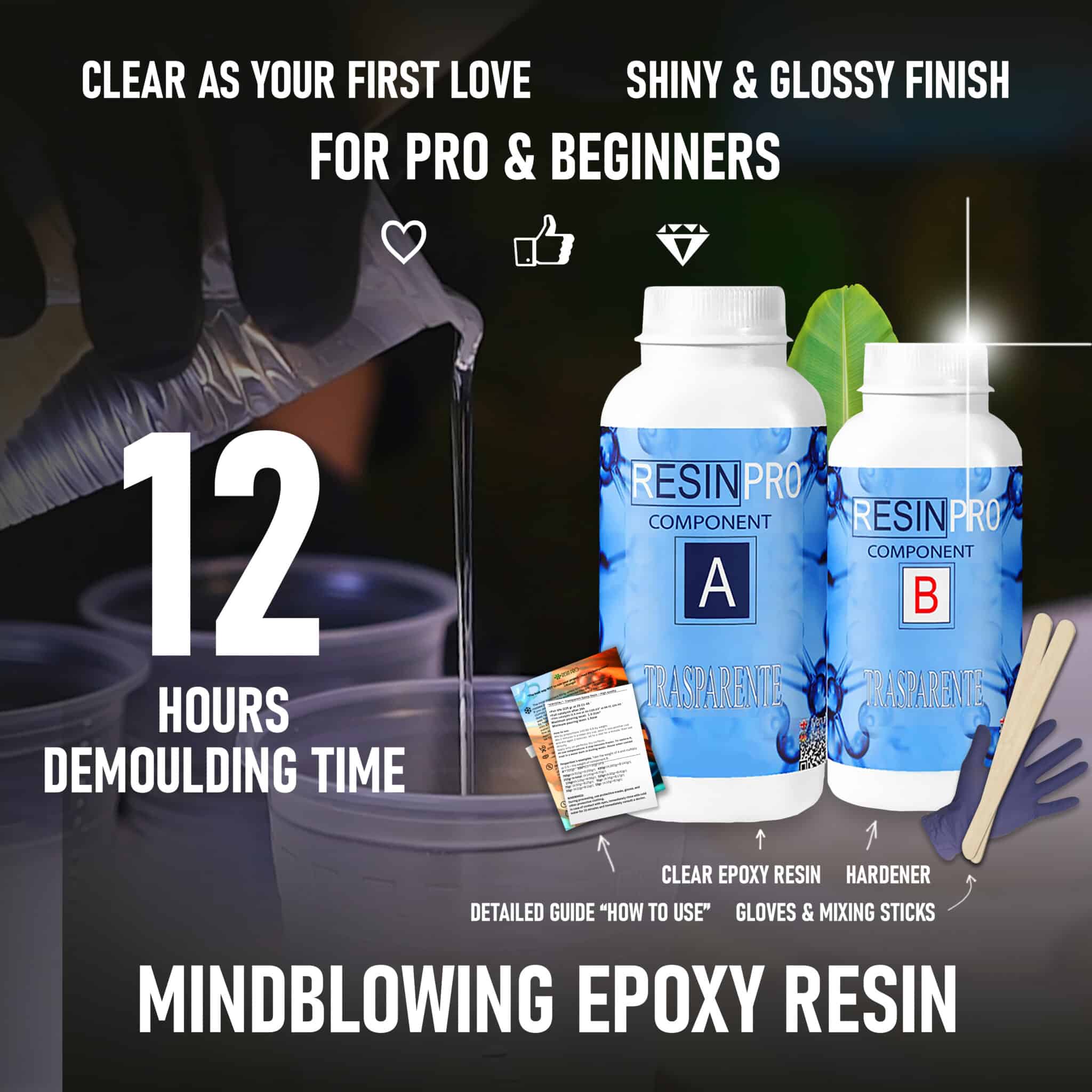
Epoxy resins used for paints and decorative finishes come in a range of formulas, each tailored for specific needs. Knowing their main differences helps you choose the right resin for your next art or DIY project.
Core Differences Between Epoxy Resins for Paints
The primary ways epoxy resins differ are in their clarity, odour, permissible layer thickness, and the durability of the final finish. Some resins are formulated for an ultra-clear, glass-like appearance, making them ideal for projects where a flawless look is crucial. Odourless options are preferred when working indoors or on items like coasters and trays. Maximum pour thickness per layer also varies—some products can be poured up to 2 cm while others are designed for thinner or thicker applications.

Choosing the Right Resin for Your Application
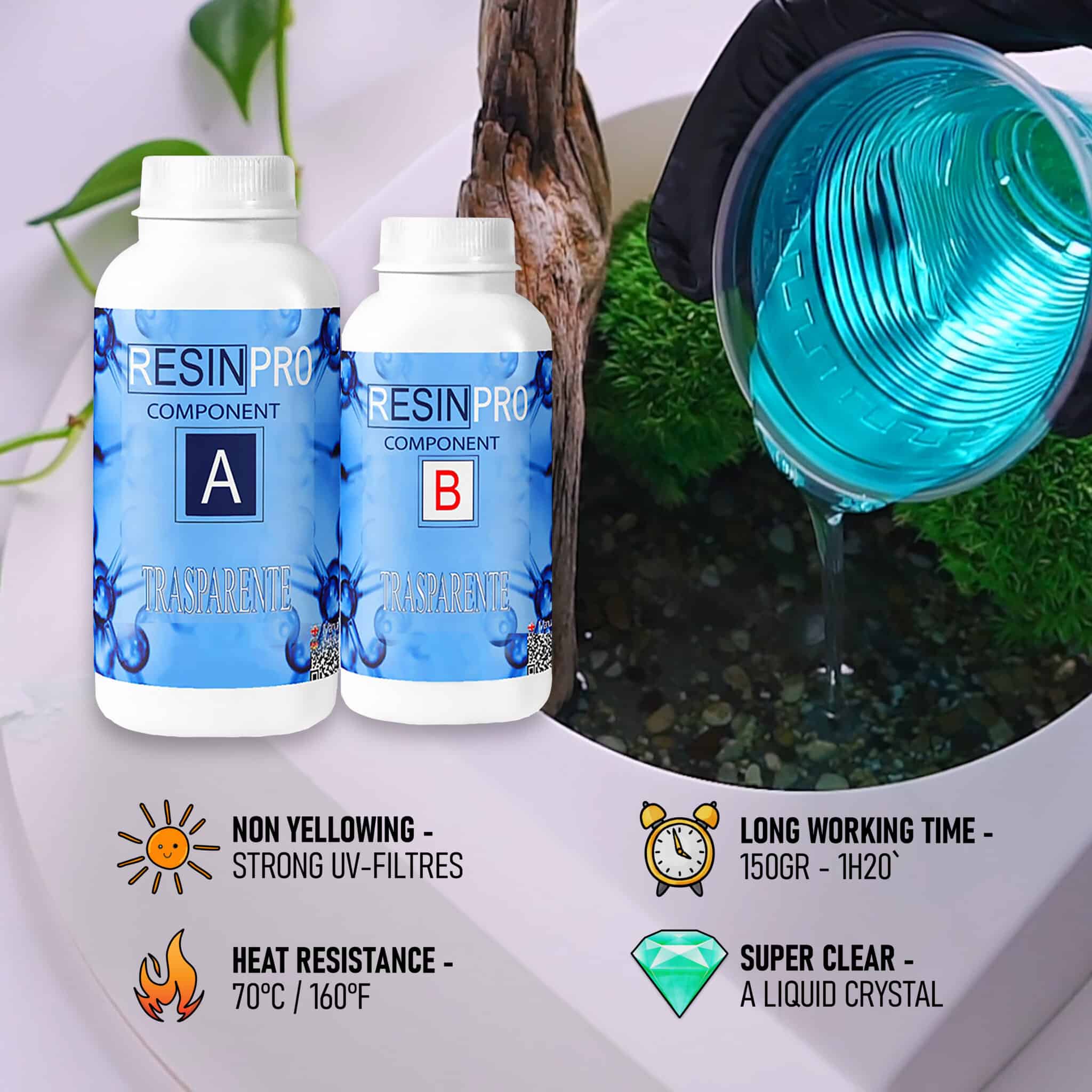
Select your epoxy based on both your intended use and work environment. For instance, “Trasparente” is suitable for clear casts and detailed projects up to 2 cm thick, while “Icrystal” is preferred for surfaces requiring lower odour and up to 1.5 cm thickness. For thin, high-gloss surface coatings, “Art Pro” excels, providing a durable, scratch-resistant finish favoured by artists. Always check each resin’s guidelines for layer limits and curing times.
When This Matters: Matching Resin to Project
- For large or thick pours, use resins rated for greater depth to avoid issues like overheating.
- Choose odourless or low-odour resins in poorly ventilated spaces or when creating items for indoor use.
- Prioritise clarity and UV protection for projects where long-term appearance and colour preservation are key.

Related products
Related guides
Understanding the unique strengths of each epoxy resin helps ensure the best result for both creative and functional finishes. For more on how these differences fit into wider paint and coating applications, see our guide at the parent page.