 Free shipping on orders over £29,85
  Shipping Tracking!


 Google
 Facebook
How to empty the resin tank?
Step-by-step cleaning for resin tank maintenance and care

Whether you’re working with 3D printers, resin art, or crafting projects, emptying your resin tank is a crucial maintenance step. Completing this task properly prevents cross-contamination, equipment damage, and ensures the quality of your next pour. This guide provides detailed instructions for safely emptying your resin tank, essential for both beginners and experienced resin users.
What You’ll Need
- 2L Graduated Measuring Cup for Resin – Precise Epoxy Dosing Tool: For safe collection and accurate measurement of excess resin.
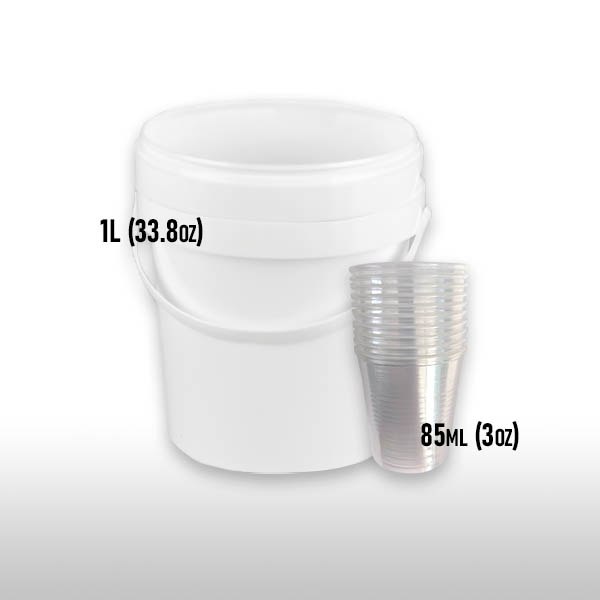
- Mixing Buckets Kit for Epoxy Resin Art – Easy Clean Flexible Design: To temporarily hold or transfer resin during tank emptying and cleaning.
- Pure Isopropyl Alcohol 99.9% – 1000ml Bottle for Epoxy Resin Projects & DIY: For cleaning tank surfaces after emptying (use only if compatible with your equipment instructions).
- Nitrile gloves and safety goggles
- Paper towels or lint-free cloths
- Waste container for resin disposal

Visual Guide to Resin Tank Preparation
Have your tools and resin containers ready before you begin. Using products like the 2L Graduated Measuring Cup for Resin helps ensure each step is safe and mess-free.
Step 1: Prepare the Area and Protect Yourself
Always wear gloves and work in a well-ventilated area. Resin can be sticky and potentially harmful to skin, and fumes should not be inhaled. Choose a clean, flat workspace covered with protective paper or a silicone mat to catch drips. Make sure your tools and containers are within easy reach to prevent accidental resin spills during the process.
Check that your waste disposal container is compatible with resin, and keep plenty of paper towels or absorbent cloths nearby for quick clean-up in case of spillage. Have safety goggles on if there’s any risk of splashing.
Step 2: Decant the Liquid Resin from the Tank
Remove the tank from your equipment following the manufacturer’s guidelines, being careful not to tip or jostle it. Transfer resin slowly to prevent drips and spills. Tilt the tank gently and pour its contents into a clean container, such as the 2L Graduated Measuring Cup for Resin for controlled and measured transfer.
If the tank holds more resin than your measuring cup’s capacity, use the Mixing Buckets Kit as an additional safe, flexible receptacle. Pour slowly to minimise the risk of resin spilling over the sides. If you plan to reuse the resin, ensure your containers are clean, dry, and appropriately labelled.
Step 3: Remove Cured or Semi-Cured Residues
Use a silicone spatula or flexible plastic scraper to gently coax out any cured or semi-cured resin from the tank base. Resin residue can cure quickly if left exposed. Avoid using metal tools that might scratch or damage the tank’s delicate surfaces. Collect these residues in a disposal-safe container.
Inspect the tank sides and corners for hidden residue that could affect your next project. Be thorough but gentle—the goal is to remove material without scoring the tank.
Step 4: Clean and Finalise Tank Maintenance
Once all liquid and solid resin has been removed, clean the tank walls with soft cloths and, if needed, a small amount of Pure Isopropyl Alcohol 99.9%. Apply the alcohol sparingly to avoid damaging sensitive parts, especially in tanks with anti-stick or FEP films. Wipe dry with paper towels or lint-free cloths before reinstalling or storing the tank.
Dispose of all waste resin materials according to local hazardous waste guidelines. Dispose of waste resin in accordance with local regulations. Regular maintenance will extend the life of your tank and ensure consistently high project results.
Tips, Common Mistakes, and Troubleshooting
Work methodically and do not rush—spills happen most often when people are in a hurry. Never mix old residue with new resin, as contamination affects curing and clarity. For persistent residues, soak briefly with For persistent residues, a small amount of isopropyl alcohol can help dissolve sticky resin.
If you notice fogging or scratching on your tank, minimise abrasive cleaning and always use soft tools or pads. Practice proper labelling and storage of your resin to avoid waste and maintain quality for future use.
- Pure Isopropyl Alcohol 99.9% – 1000ml Bottle for Epoxy Resin Projects & DIYPrice range: £10.45 through £20.95Pure Isopropyl Alcohol 99.9% is provided in a 1000 ml bottle and is commonly used for epoxy resin projects to remove surface bubbles and enhance…
- Mixing Buckets Kit for Epoxy Resin Art – Easy Clean Flexible DesignPrice range: £2.05 through £8.95Mixing Buckets Kit designed for practical use in epoxy resin art with easy clean and flexible features.
- 2L Graduated Measuring Cup for Resin – Precise Epoxy Dosing Tool£4.04A durable 2L measuring cup designed for precise dosing and easy cleaning in epoxy resin projects.
Frequently Asked Questions
Do I need to empty the resin tank after every use?
If you switch resin types or pause projects for extended periods, always empty and clean the tank to maintain quality and prevent contamination.
How do I clean the resin tank without causing damage?
Use soft tools and lint-free cloths, and avoid harsh chemicals that are not compatible with tank materials or FEP films.
Can I reuse resin left in the tank?
Liquid resin can usually be stored and reused if kept in a clean, sealed container and not exposed to dust or light.
How do I dispose of waste resin safely?
Cure waste resin before disposal and follow local hazardous waste guidelines to protect the environment.
What should I do if there is cured resin stuck in the tank?
Carefully peel or pry off using soft plastic tools to avoid scratching or damaging the tank.