 Free shipping on orders over £29,85
  Shipping Tracking!


 Google
 Facebook
← Back to How Do You Use Epoxy Resin? Tips and Guide

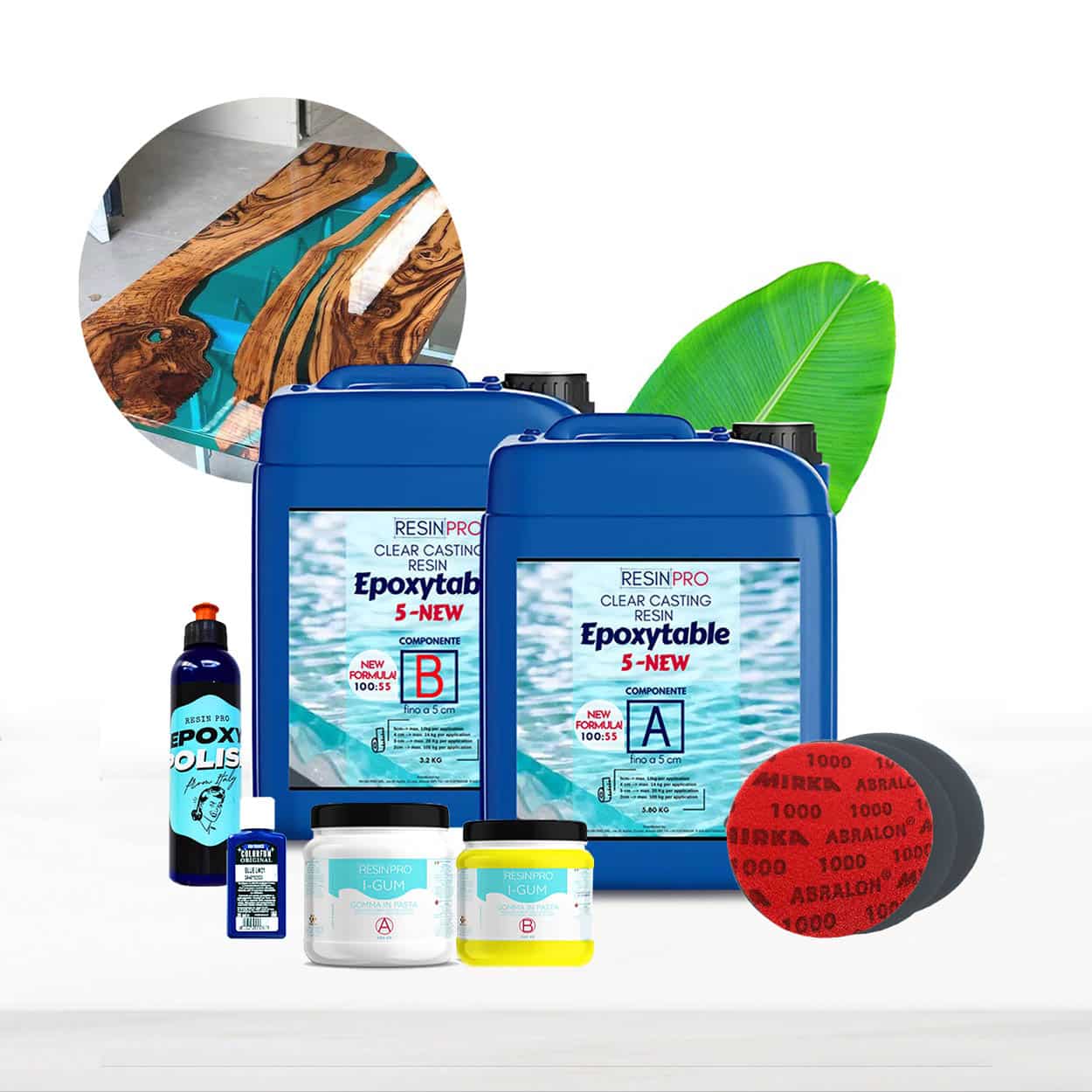
Achieving crystal-clear results with deep pour epoxy resin projects, such as river tables or artistic castings, often involves working with layers up to 5cm thick. Selecting a resin that cures slowly with controlled heat generation is essential for a flawless finish free from bubbles and risk of overheating.
Why Choose Low-Heat Epoxy for Deep Pouring?
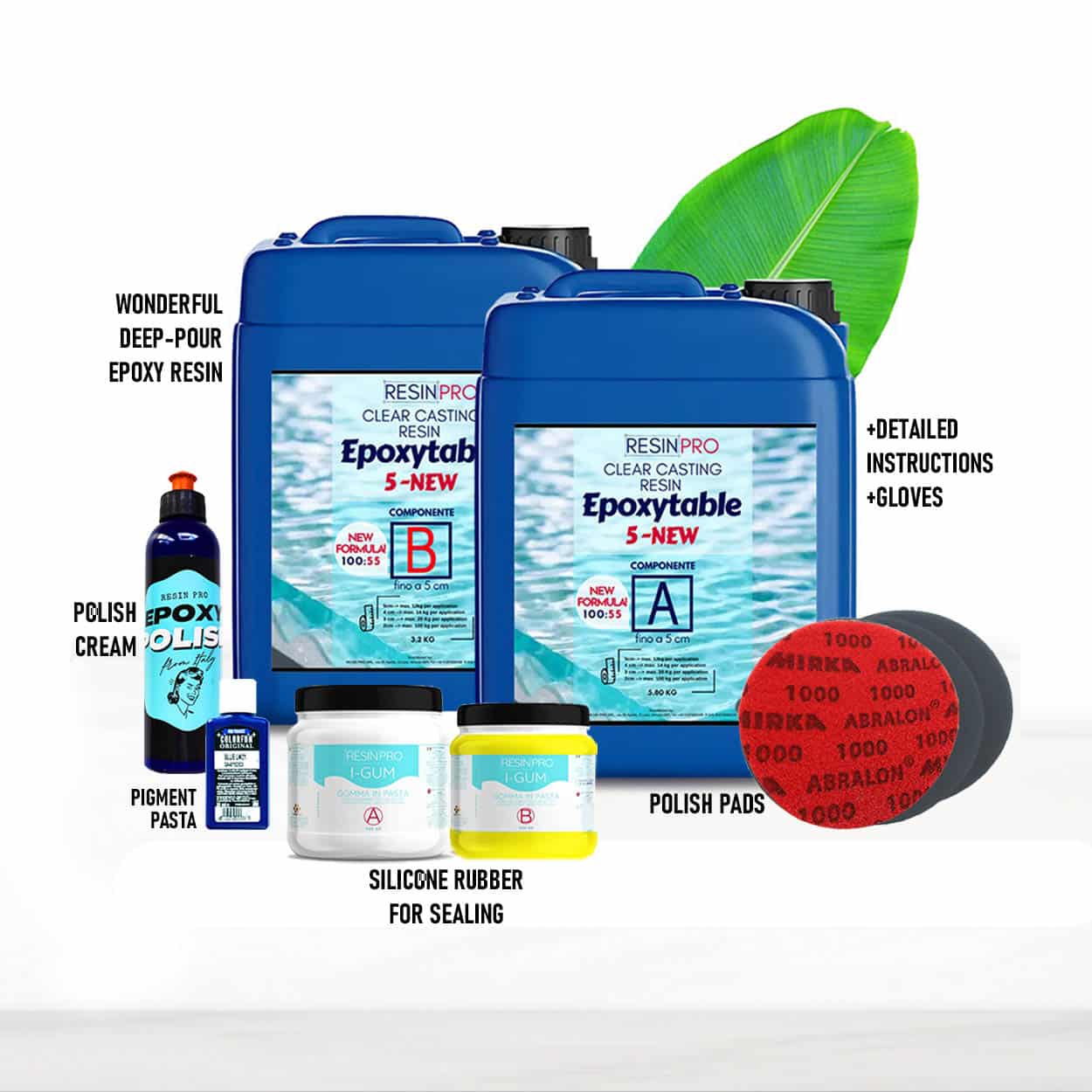
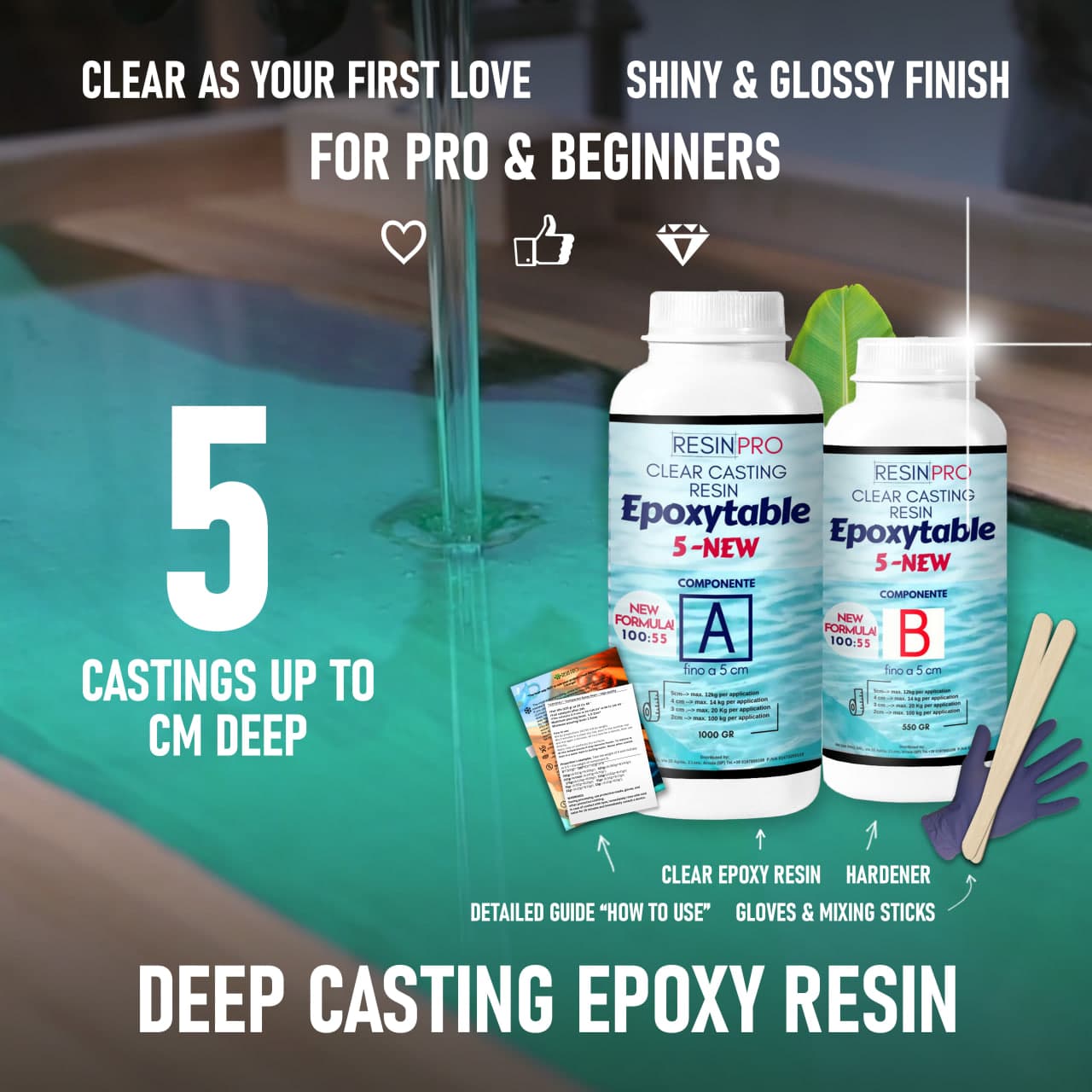
When pouring epoxy resin in thick layers—especially up to 5cm—a low-exothermic formula helps prevent common issues like cracking, yellowing, or surface warping. Products such as EpoxyTable 5-Five are specifically designed for these applications, combining long working times and minimal heat build-up. This ensures easier handling and consistent results in large projects such as tabletops and encapsulated artwork.
Best Practices for Smooth Deep Pours
- Prepare Your Workspace: Ensure your mould or formwork is level, well-sealed, and free of dust.
- Mix Carefully: Combine resin and hardener thoroughly but gently to minimise bubbles.
- Pour in One Layer: Use a deep-pour specific resin for up to 5cm; do not attempt this thickness with standard formulas.
- Control Environmental Temperature: Work in a cool environment to help dissipate heat during curing.
- Monitor the Cure: Avoid using heat guns excessively to pop bubbles, as this may accelerate curing unexpectedly.
When to Use a Deep Pour Approach
Opting for a 5cm deep pour method is ideal for creating river tables, encapsulating objects, or casting large decorative items where uninterrupted clarity is required. If your project requires even thicker casting, consider layering pours with several hours between applications to maintain quality and safety.

Related products
Related guides
For anyone interested in mastering deep epoxy pours, using the right low-heat resin is key. Discover more woodworking and resin techniques in our full epoxy resin usage guide.