 Free shipping on orders over £29,85
  Shipping Tracking!


 Google
 Facebook
← Back to How to use resin to seal?
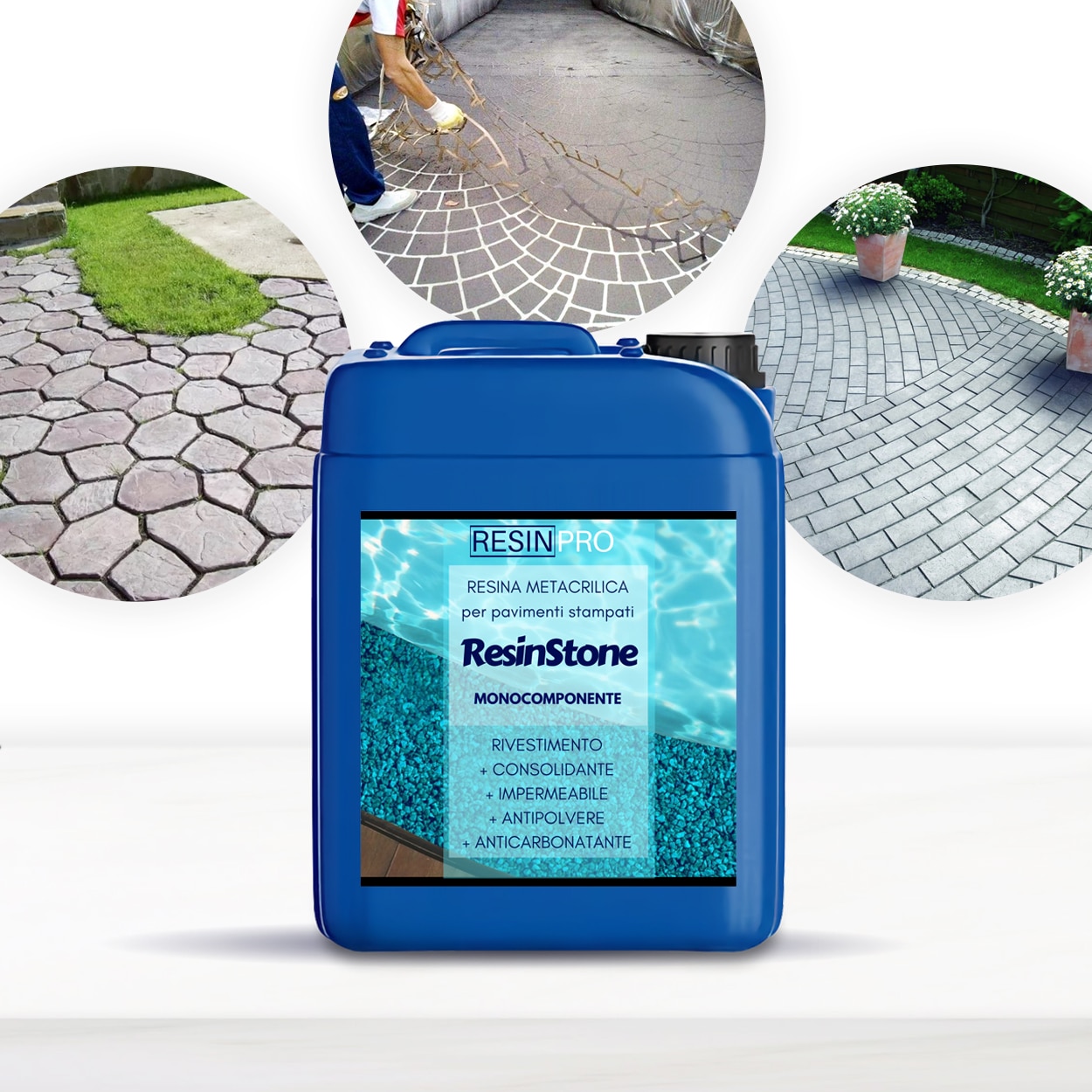

Sealing with resin is a popular way to protect surfaces, but is it really waterproof? If you’re considering resin to guard against moisture, here’s what to know about its effectiveness and application.
How Resin Creates a Waterproof Barrier
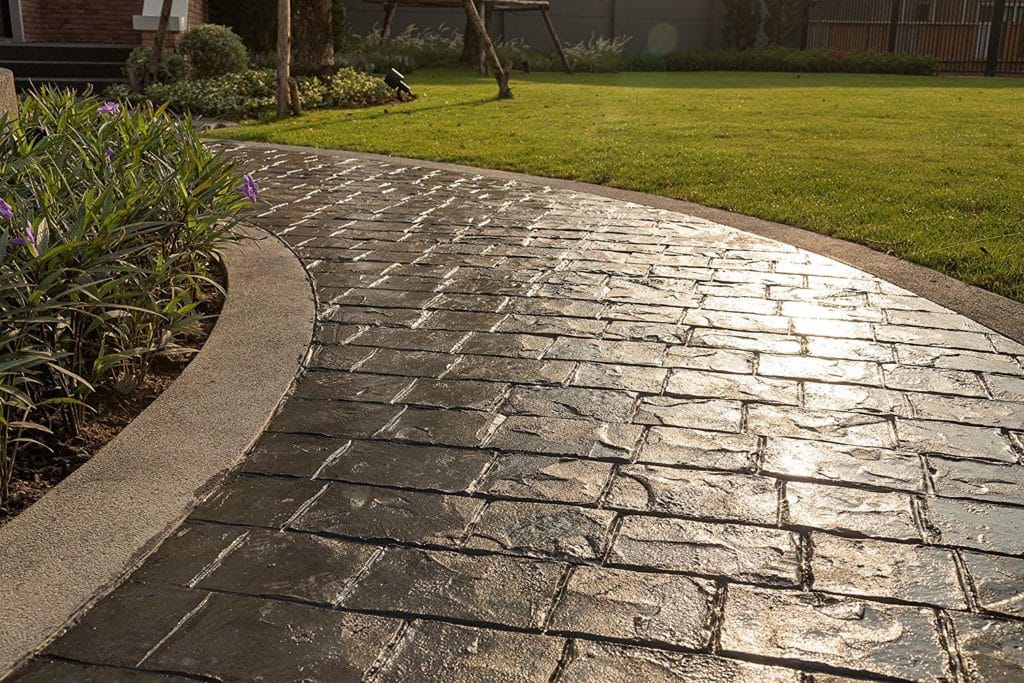
When correctly applied, resin forms a continuous layer over a surface that blocks water ingress. This is true for both epoxy and methacrylic resins, which are commonly used for sealing concrete, wood, and decorative surfaces. The resin seeps into pores and hardens, creating a robust barrier that keeps out moisture, reducing risks of rot or staining.
Choosing the Right Resin for Effective Sealing
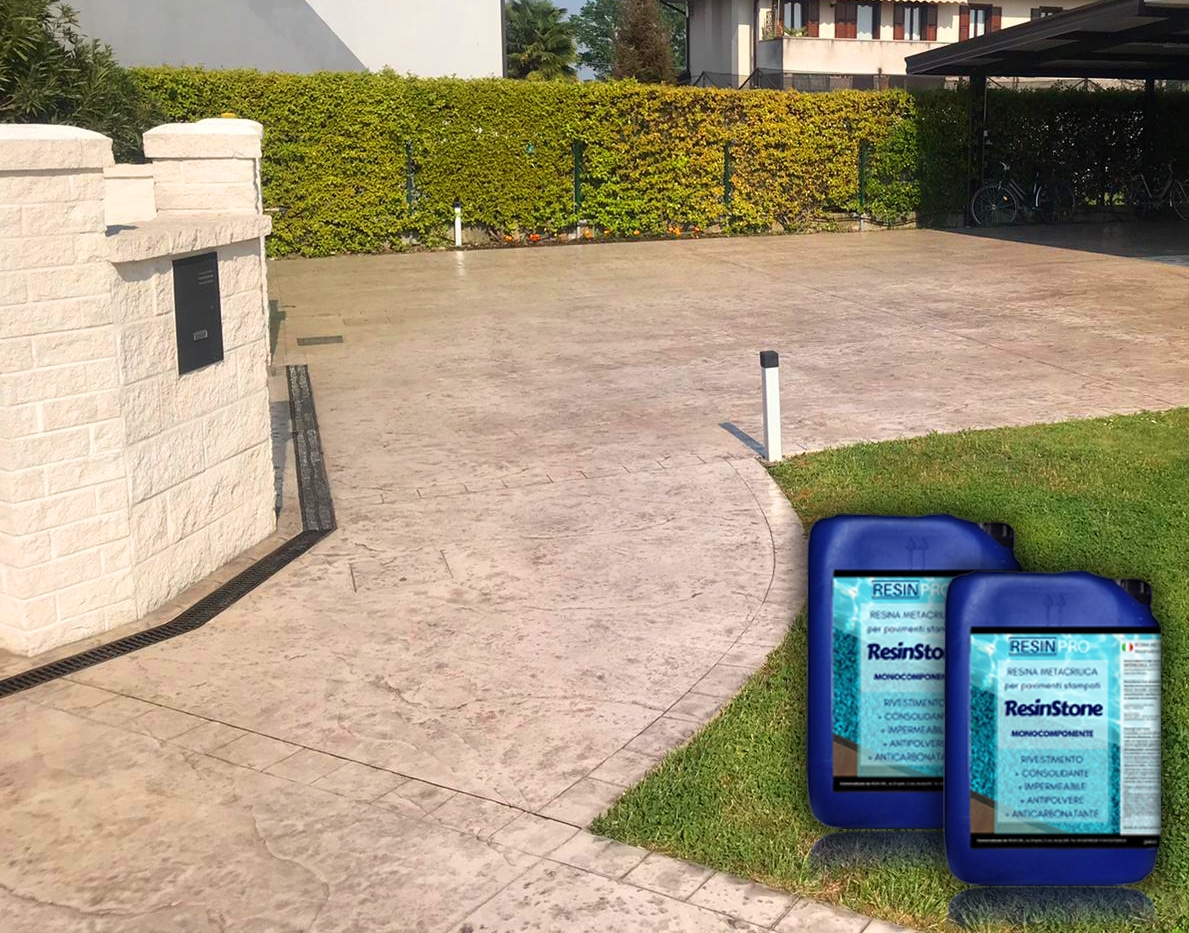
It’s important to select a resin matched to your surface for proper waterproofing. For concrete floors or driveways, a dedicated resin like Resinstone is formulated for absorbent surfaces. For wood, an option like EpoxyWood penetrates deep, shielding timber from moisture. For decorative coatings or smaller items, clear epoxies such as Art Pro offer both protection and a high-gloss finish. Always ensure surfaces are clean and dry before application for the best result.
When Waterproofing with Resin Matters
- Outdoor areas: Prevent rain and ground moisture from damaging patios, paths, or wooden fixtures.
- Interiors exposed to spills: Resin sealing is ideal for tabletops, bathroom vanities, and kitchen counters.
- Restoration jobs: Reinforce old or weathered wood to extend its life and look.
Related products
Related guides
Resin is a practical solution when you need a waterproof seal on various surfaces. Choosing the right type and applying it with care maximises protection. For more advice on sealing techniques, see our main guide on how to use resin to seal.