 Free shipping on orders over £29,85
  Shipping Tracking!


 Google
 Facebook
← Back to How to Use E-30 Resin?
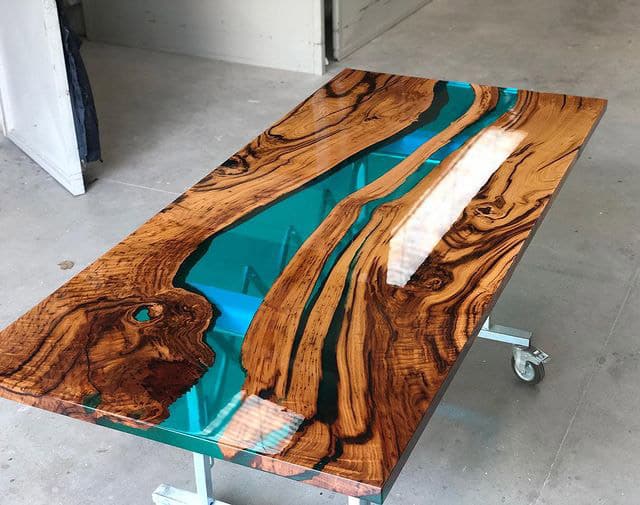

If your resin pour overheats or appears cloudy, it can spoil your project and create risks. Understanding what causes these issues is essential for achieving professional, clear results with epoxy resins.
What Causes Overheating and Cloudiness?
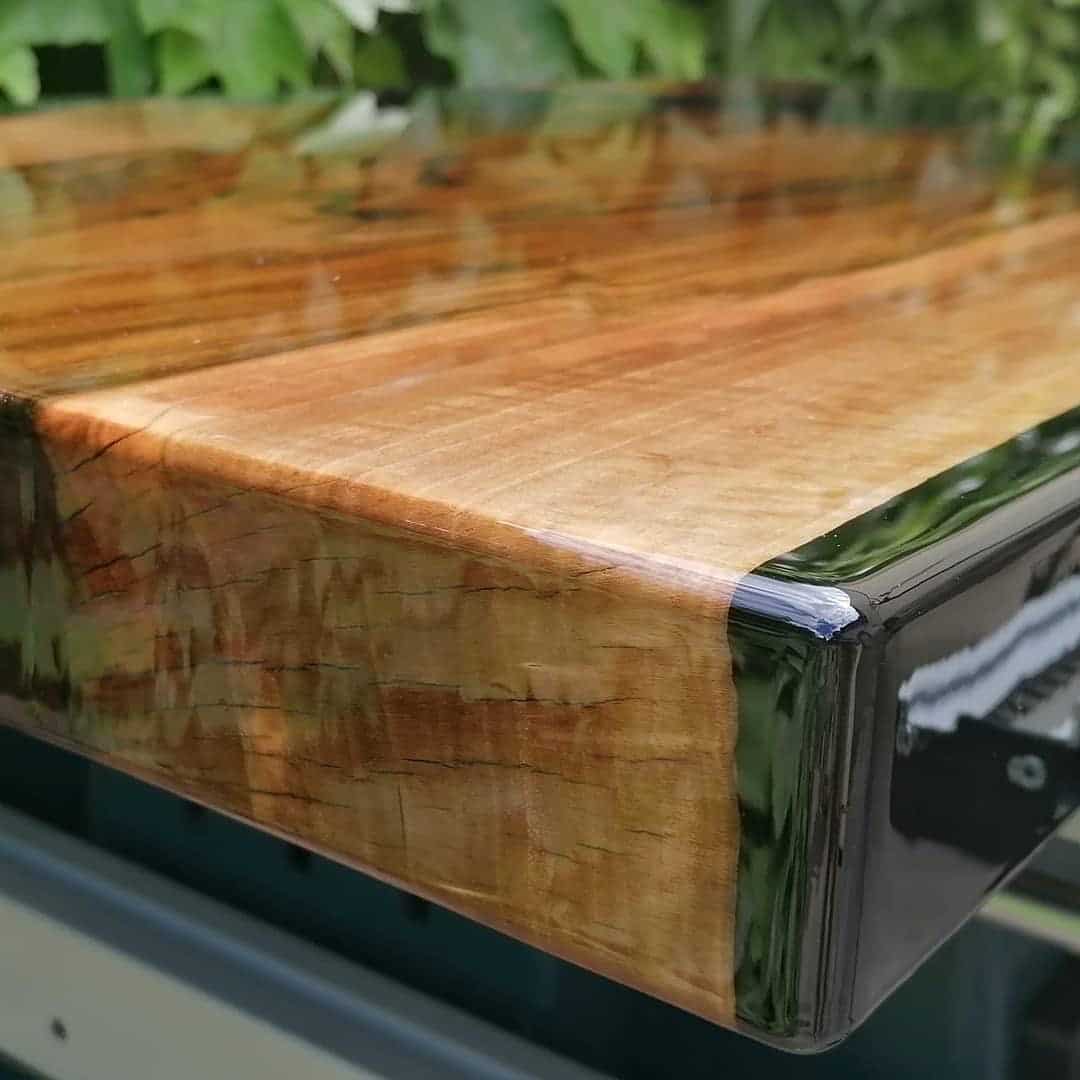
Epoxy resins generate heat during the curing process, known as an exothermic reaction. Pouring resin in layers that are too thick, working in warm conditions, or not mixing the resin and hardener thoroughly are common culprits for overheating. Too much heat can accelerate the cure, resulting in a cloudy or milky appearance, bubbles, or even warping of your mould. Poor mixing can also leave microbubbles or streaks, leading to hazy finishes and incomplete cures.

How to Prevent These Issues
- Check Pour Thickness: Always stick to the recommended maximum thickness for your chosen resin. For example, Epoxytable 10-Ten safely allows up to 10cm per pour, while some resins, like “Trasparente”, are best for thinner layers up to 2cm.
- Mix Carefully: Stir resin and hardener thoroughly, scraping the sides and bottom of the container, to ensure even curing and minimise cloudiness.
- Control Your Environment: Work in a well-ventilated area at moderate temperatures, avoiding direct sunlight or close proximity to heaters, which can speed up the reaction.
- Layering for Large Projects: If your project requires greater thickness, pour in multiple thin stages to avoid excess heat build-up and achieve clearer results.
When This Matters Most
Attention to pour thickness and temperature matters most for deep castings, river tables, or detailed pieces where clarity is crucial. The risk of overheating or cloudy appearance rises with thicker pours or in warm rooms, so choose products specifically formulated for your project’s needs.

Related products
Related guides
Maintaining careful control of each step will help you avoid overheating or cloudiness in epoxy resin pours. For project-specific advice and a full guide to working with E-30 resin, see our parent page on how to use E-30 resin.