 Free shipping on orders over £29,85
  Shipping Tracking!


 Google
 Facebook
How to cover bathroom tiles with resin?
Achieve a seamless waterproof finish for bathroom walls

Want to refresh your bathroom without the hassle of removing old tiles? Resin coating is an effective method for upgrading bathroom walls, delivering a waterproof, hygienic, and modern look that lasts. This step-by-step guide will help you master the process of covering bathroom tiles with resin for a striking, seamless result.
What You’ll Need
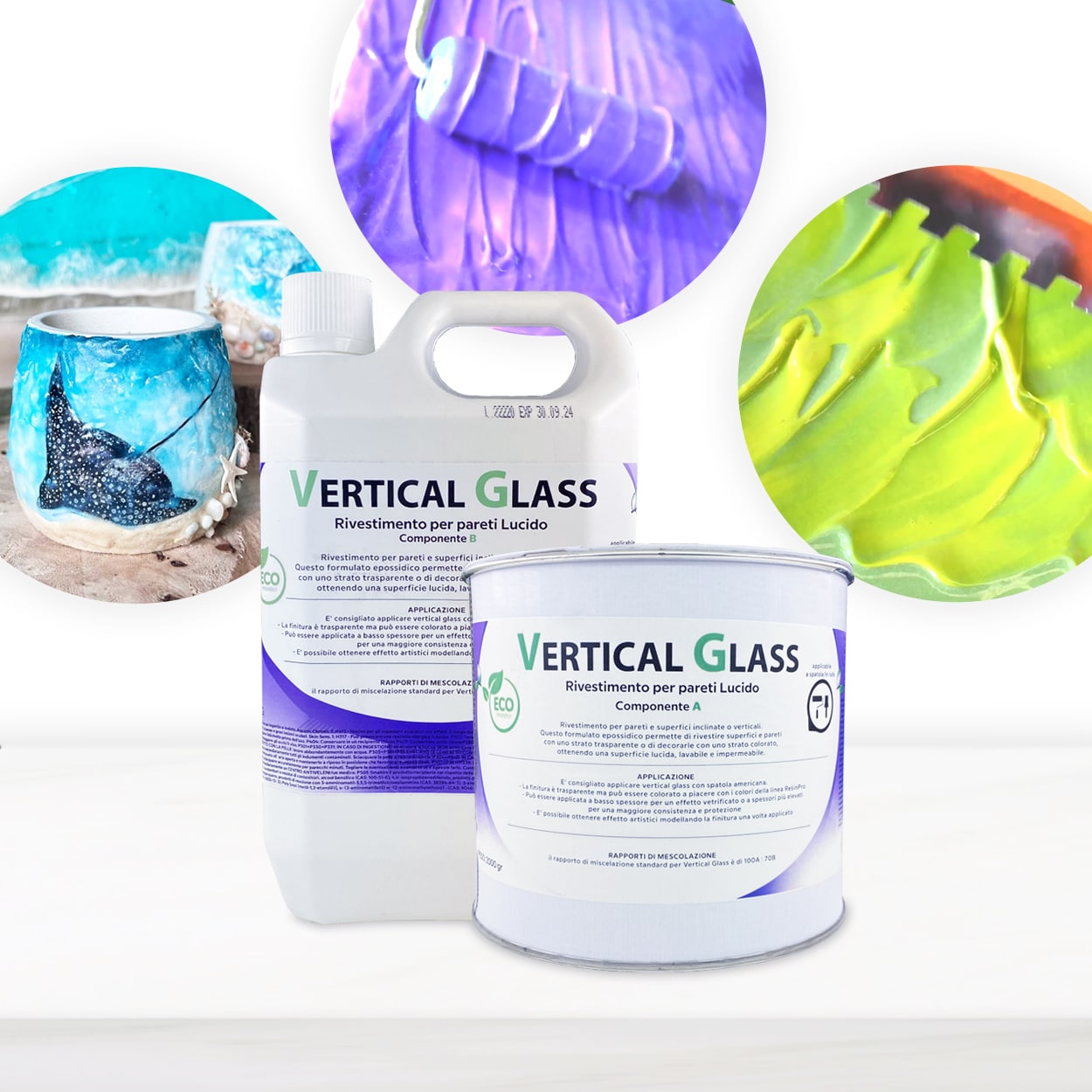
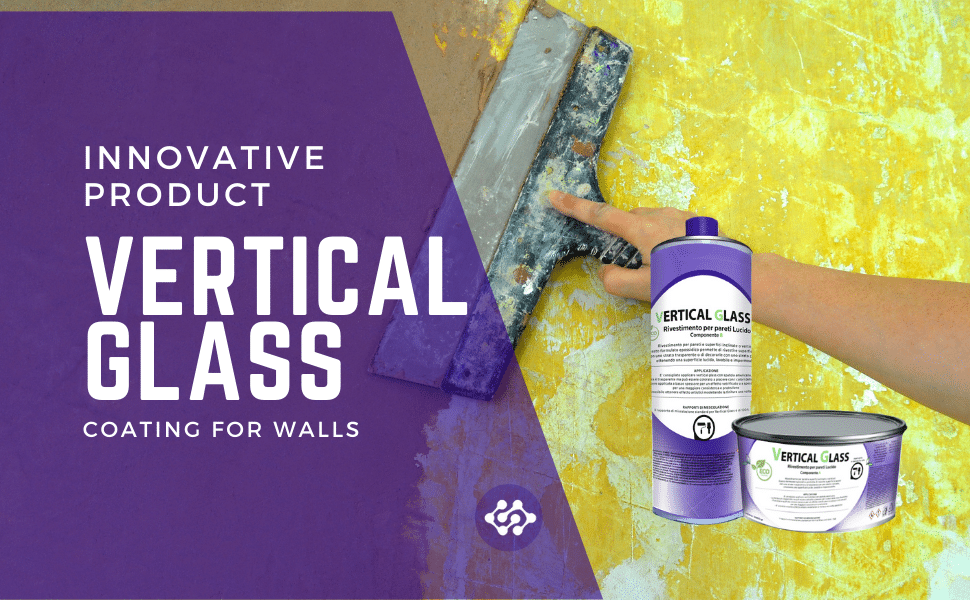
- “Vertical Glass” – Thick Resin Decorative Wall Coating: Thick epoxy suitable for vertical surfaces, provides a waterproof finish ideal for bathroom tiles.
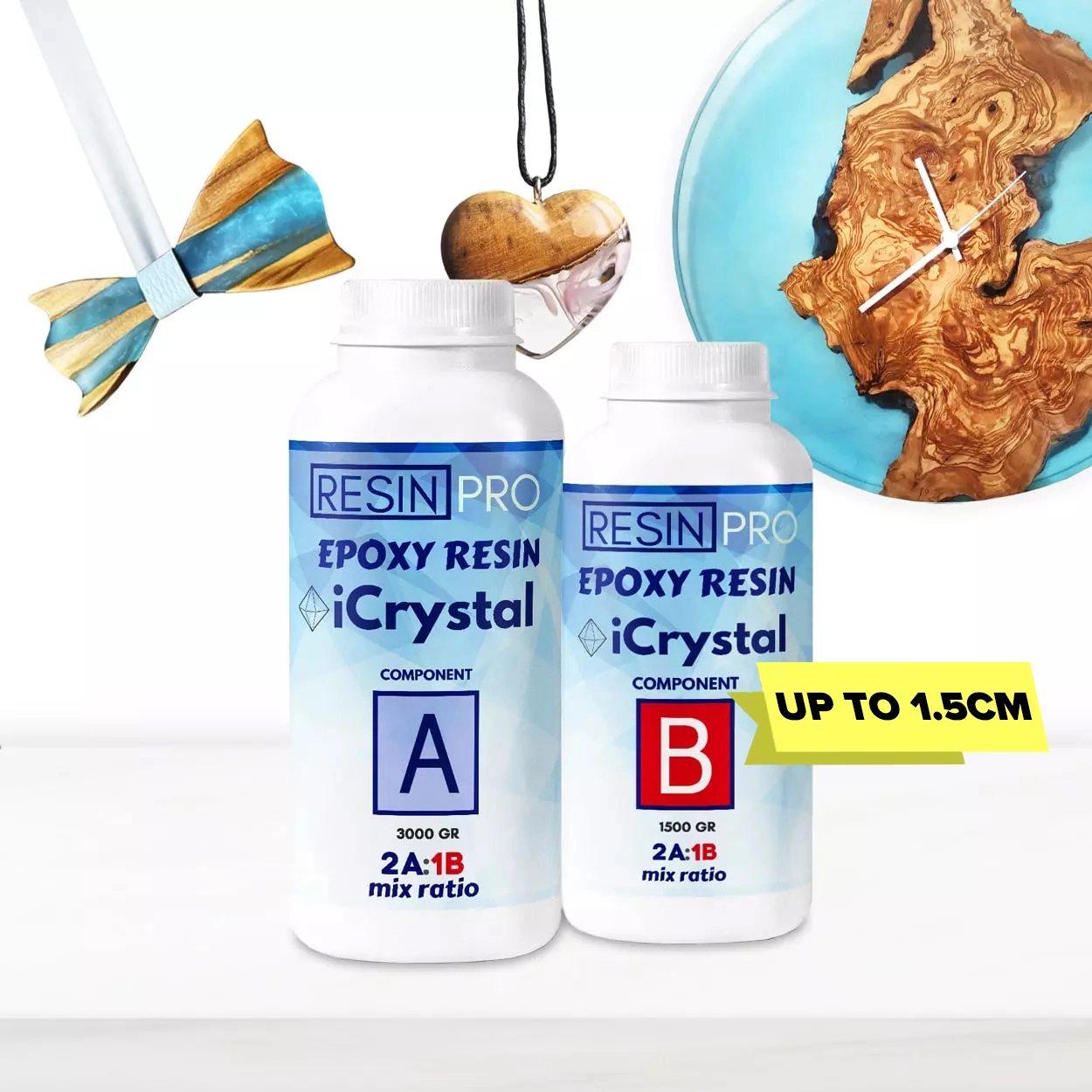
- “Icrystal” – Clear Epoxy Resin – Odourless Formula – Up to 1.5cm: Clear, odourless epoxy for transparent or decorative top layers if clarity is desired.
- “Trasparente” – Multipurpose Clear Epoxy Resin for Casting – Up to 2cm: Option for those needing a thicker clear layer or specific effects.
- “Art Pro” – Clear Epoxy Resin for Artists and Surface Coating: Best for artistic surface finishes or accent details.
- Protective gloves and goggles
- Mixing tools & containers (disposable recommended)
- Spatula or trowel
- Fine abrasive pad or sandpaper (if surface prep is needed)
- Cleaning supplies (detergent, cloth, isopropyl alcohol)
- Masking tape & dust sheets
Essential Tools and Prepping for Resin Application
Choose a resin designed for vertical surfaces to ensure adhesion and flow control—specialist wall resins resist sagging. Take time to thoroughly clean, sand, and dry your tiles before starting. Prepare your workspace by masking and covering all areas not to be coated.
Step 1: Prepare Your Tiles Thoroughly
Thoroughly clean and degrease the tile surface to ensure maximum adhesion. Remove soap scum, limescale, and stubborn residues using a suitable detergent, followed by a wipe down with isopropyl alcohol. Check for cracks or loose tiles and repair these issues before moving on. Give the tiles a light key with an abrasive pad or fine grit sandpaper for improved bonding, especially if they are glossy.
Ensure tiles are fully dry and dust-free; any moisture beneath the resin may cause failures. Remove all dust after sanding.


Step 2: Mask the Surrounding Areas
Carefully mask adjoining surfaces like bath edges, taps, and sockets using quality masking tape and cover floors or adjacent walls with dust sheets. Proper masking minimises accidental resin contact and ensures a crisp edge to your new surface.
Plan the working area so you have clear, uninterrupted access to all tile faces you intend to coat.
Step 3: Mix Resin Components Accurately
Measure and mix your chosen resin strictly according to the instructions. For most bathroom tile applications, “Vertical Glass” – Thick Resin Decorative Wall Coating is specially formulated for vertical surfaces, providing reliable waterproofing and easy, spatula-based application. Use a disposable mixing container and mix thoroughly to avoid streaks or unmixed patches.
Mix resin components precisely as even small errors can affect curing, clarity, and adhesion. Only prepare as much as you can apply within the product’s working period.

Step 4: Apply Resin in Even Layers
Transfer mixed resin in small batches to your working area. Apply resin methodically in small batches using a spatula, moving across the tiles in a consistent direction. Distribute the material evenly, aiming for your target thickness. Avoid overworking the surface and watch for drips or build-up at edges. For decorative effects, incorporate pigments into the resin before application or layer for artistic finishes. For a clear, glossy look, “Icrystal” – Clear Epoxy Resin can be used as a transparent topcoat over a prepared resin base.
Work with adequate ventilation and wear gloves/goggles throughout.
Step 5: Curing and Finishing Touches
Allow for correct curing time as specified by the product. Keep the area dust-free while curing. If needed, a final sanding with fine abrasive after the first cure can help achieve a satin finish—”Vertical Glass” is sandable after 48 hours. Remove masking tape carefully before the resin has fully hardened to achieve clean lines.
Hold off on heavy cleaning or water exposure until the resin has reached its full cure state to ensure maximum durability and waterproofing.


Tips, Common Mistakes, and Troubleshooting
Always measure resin hardener and base accurately for proper results. Maintain consistent room temperature and avoid excessive humidity. If you spot bubbles, pass a heat gun or torch briefly over the wet resin to help them rise and burst. Avoid thick pours on vertical tiles unless using a specialist wall coating such as “Vertical Glass”, as other resins may sag or drip.
Common errors include poor surface preparation, under-mixing, or applying too thick a layer. When in doubt, test on a small area first. Wear protective gear and ventilate well during application and curing to minimise discomfort.
Aftercare and Maintenance of Resin-Coated Tiles
Wipe your resin-coated tiles with non-abrasive cleaners for long-lasting shine. Inspect regularly for chips or scratches and perform any small repairs as needed to keep your bathroom protected and looking its best.
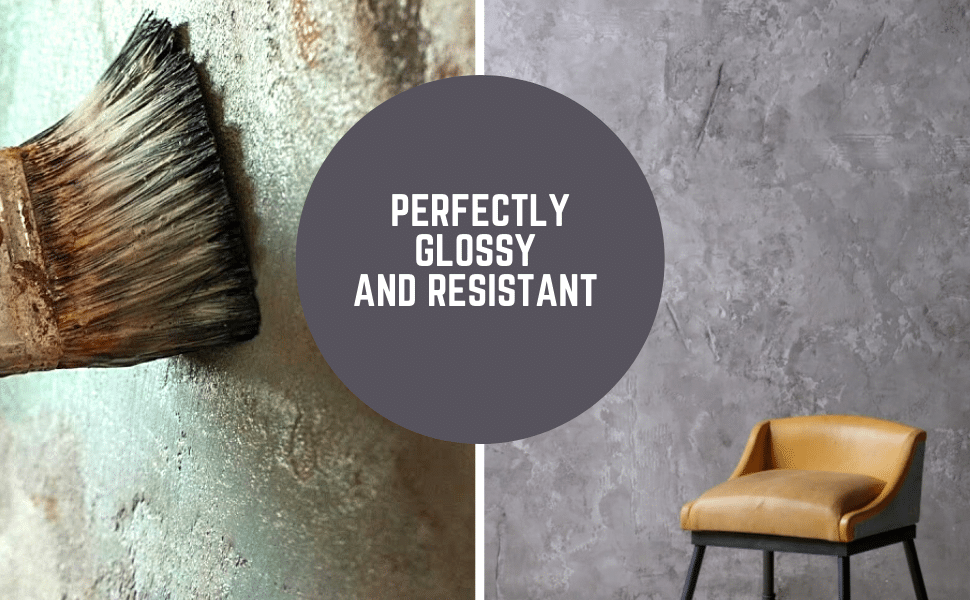
- "Vertical Glass" – Thick Resin Decorative Wall CoatingPrice range: £78.95 through £188.95"Vertical Glass" offers a waterproof, customisable epoxy finish suitable for vertical and sloping surfaces in interior environments.
- "Icrystal" – Clear Epoxy Resin – Odourless Formula – Up to 1.5cmPrice range: £12.45 through £341.45"Icrystal" Clear Epoxy Resin offers high transparency and scratch resistance, designed for durable surface coatings and artistic projects.
 "Trasparente" – Multipurpose Clear Epoxy Resin for Casting – Up to 2cmPrice range: £8.95 through £397.95Ultra-clear multipurpose casting resin suitable for up to 2 cm layers, designed for detailed and DIY projects in this theme.
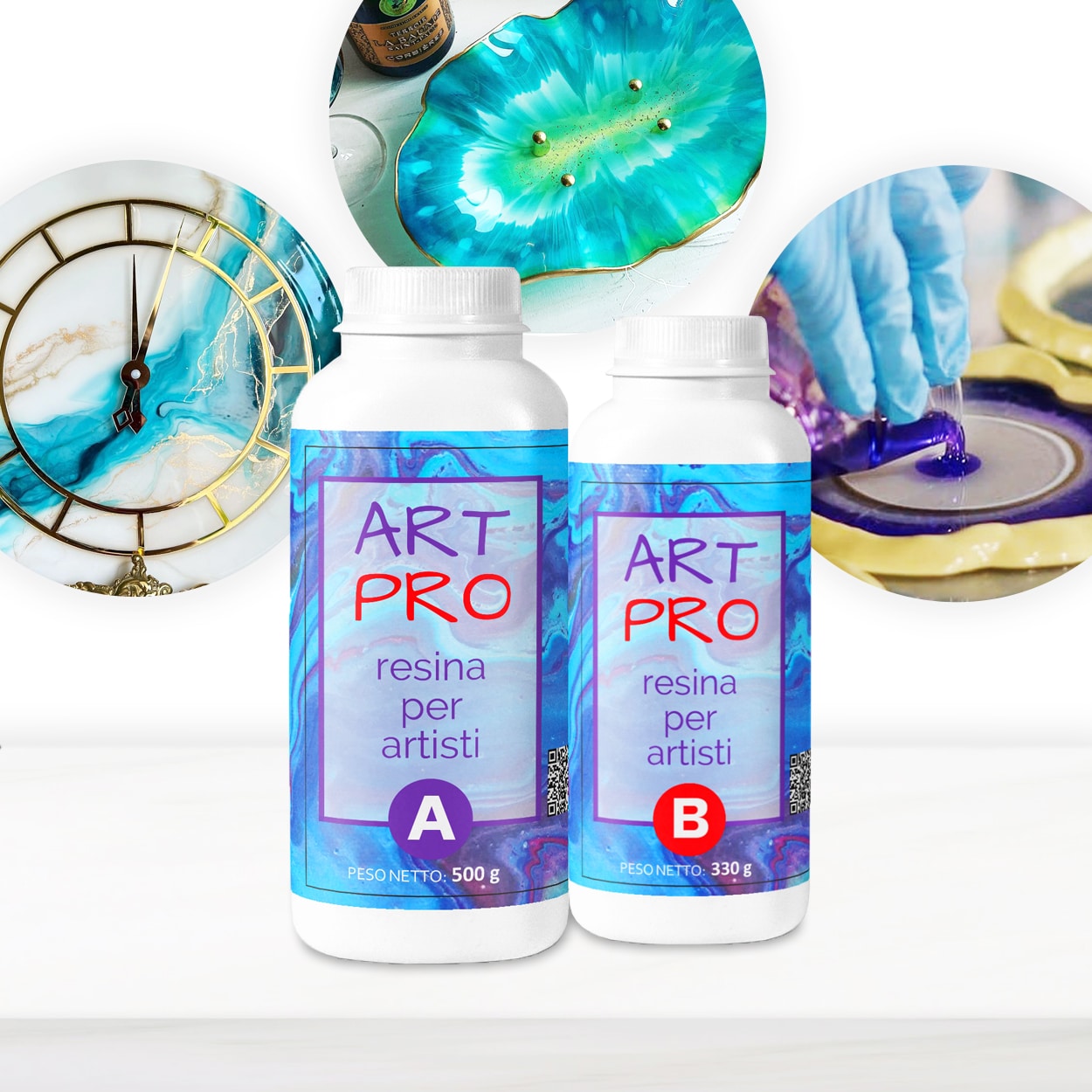 "Art Pro" – Clear Epoxy Resin for Artists and Surface CoatingPrice range: £19.95 through £267.95"Art Pro" is a clear epoxy resin suitable for artists and DIY enthusiasts seeking durable, non-toxic coatings with high clarity and UV protection.
Frequently Asked Questions
Can I apply resin onto my existing bathroom tiles?
Yes, as long as the tiles are clean, dry, and securely attached, resin can be applied directly for a seamless new surface.
Does a resin coating make tiles waterproof?
Epoxy resin forms a waterproof barrier, making it ideal for protecting bathroom surfaces from moisture and stains.
Which resin is best for vertical bathroom walls?
Specialised wall coatings such as "Vertical Glass" resin are best, as they resist sagging and provide strong adhesion on vertical tiled areas.
Do I need to remove old tiles before applying resin?
No, if the old tiles are stable and sound, resin can be used to cover and update them without removal.
How long after coating can I use my shower?
Wait until the resin is fully cured, usually 2–3 days, before exposing it to water or regular bathroom use.
How do I achieve a glossy finish with resin?
Most bathroom resins cure to a high-gloss finish naturally; ensure proper mixing and application for the clearest result.