 Free shipping on orders over £29,85
  Shipping Tracking!


 Google
 Facebook
← Back to How was Resina Ora Ercolano born?
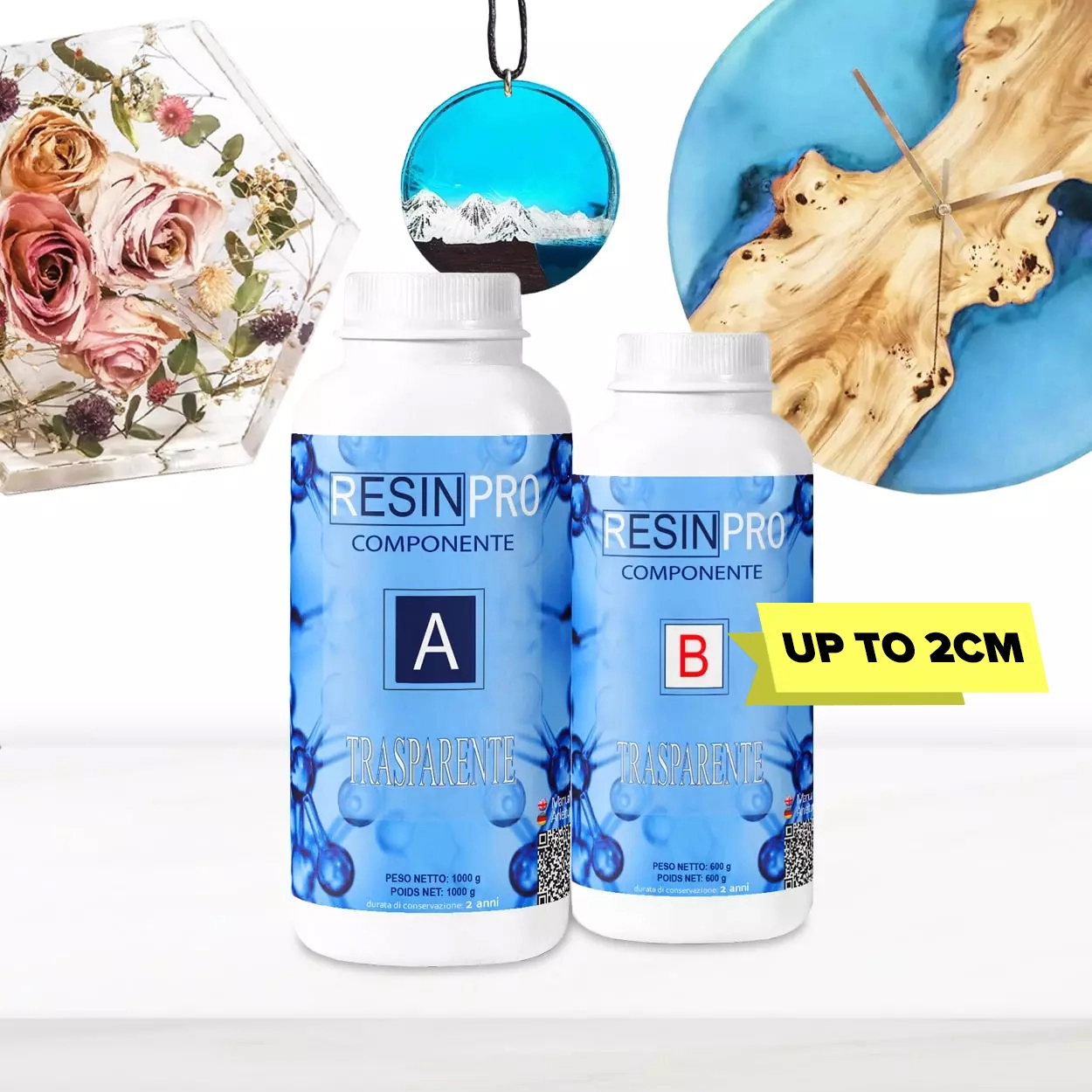

Selecting the right resin is crucial when tackling medium to large casting projects, especially as the ideal choice depends on the size and thickness of your pours. This guide walks you through which epoxy to pick and why thickness matters for the result and project safety.
Understanding Resin Types by Pour Thickness
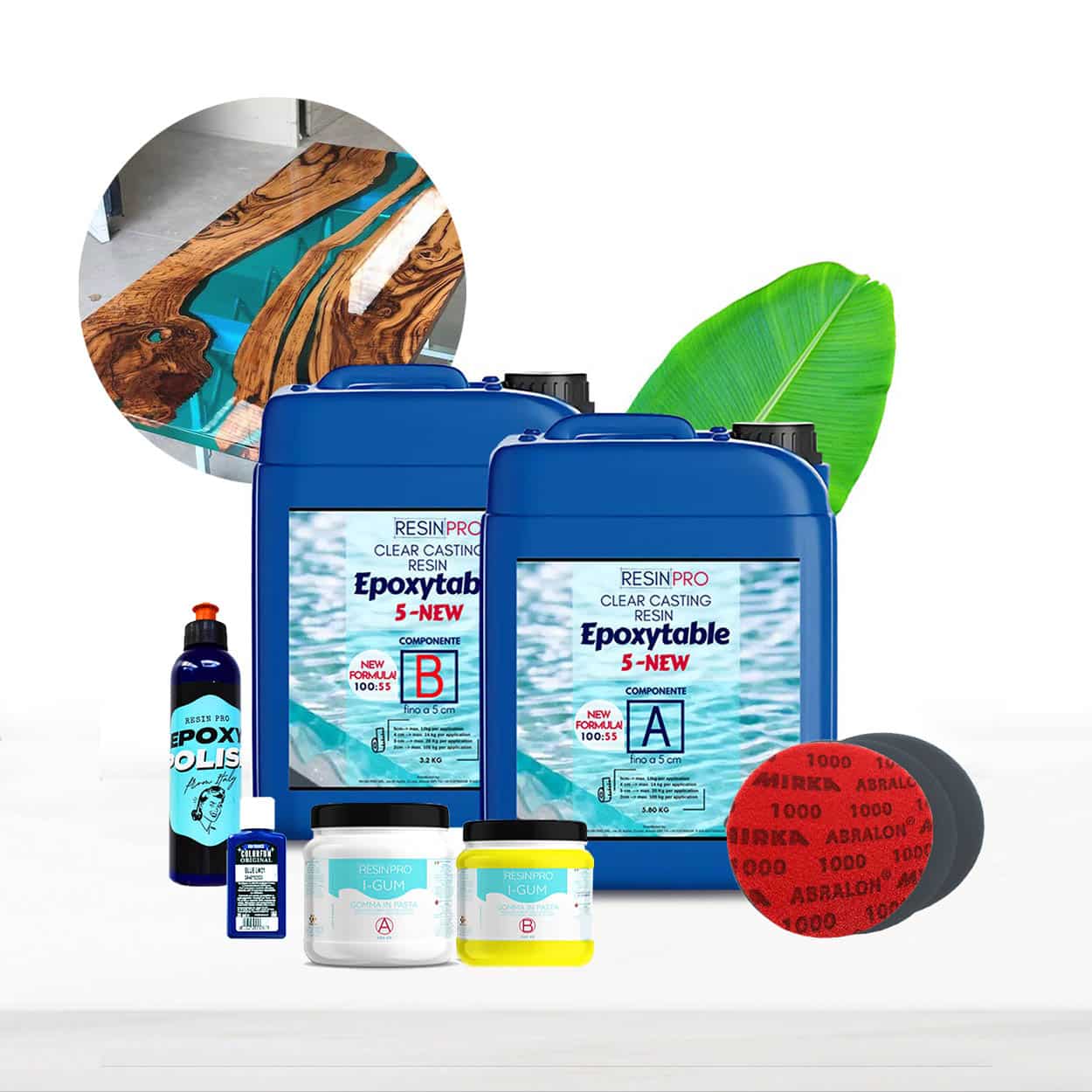
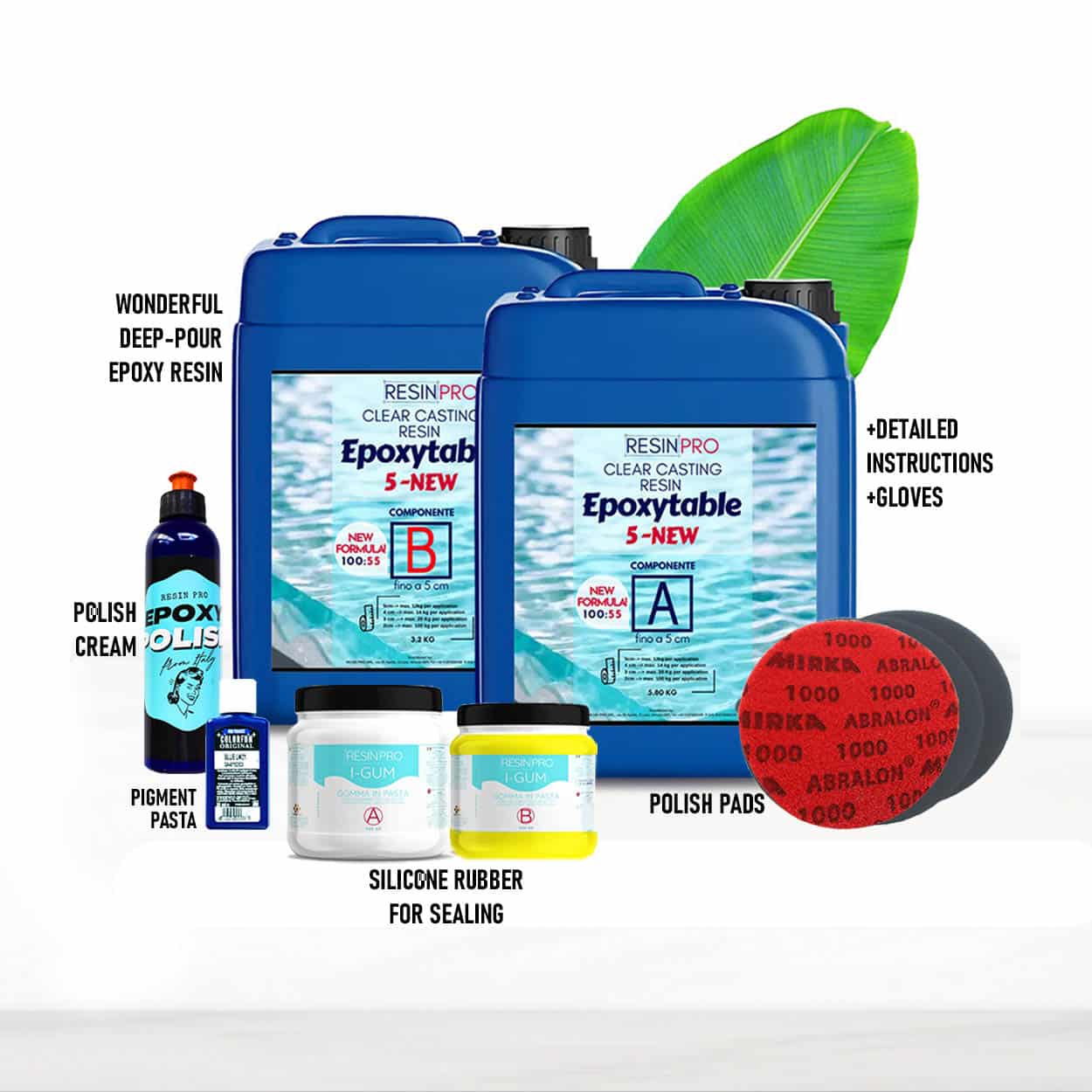
Epoxy resins have varying curing properties that suit different casting depths. For pieces with layers up to 0.5 cm, a faster-setting art resin such as Art Pro is a reliable option. As you move to thicker pours (0.5–2 cm), choosing a multipurpose clear resin like “Trasparente” is recommended for its consistent, high-clarity finish. If your project demands layers from 2 to 5 cm, specialist deep pour resins, such as those found in complete table kits, can help manage curing without overheating. For pours above 5 cm or extensive dimensions, high-volume resin systems like Epoxytable-Ten provide the additional control and stability required for a steady cure.

Practical Guidance for Choosing and Using Epoxy Resin
Before starting, measure the thickness of your intended pour and pick a resin formulated for safe curing at that depth. Overpouring standard resins can cause excessive heat or surface imperfections. For creative pieces up to 2 cm thick—like detailed castings or table inlays—”Trasparente” creates a clear, durable finish. For large tables or deeper river projects, a complete beginner-friendly kit such as the “River-Table” Complete Kit simplifies both material selection and safe pour processes.
- Always consult product instructions for maximum pour thickness and recommended temperature conditions.
- Work in a dust-free, level area to minimise bubbles and imperfections.
- If you’re new to resin, start with small test pours before attempting complex work.
When Thickness Matters Most
Choosing the correct resin type is particularly important for deep pours like river tables, embedded items, or artistic memorial pieces. Using an unsuitable resin can result in clouding, distortion, or thermal cracking. Select your materials with care to achieve results that are both visually appealing and structurally sound.
Related products
Related guides
Whether you’re creating a show-stopping table or an artistic centrepiece, matching your resin to the size and thickness of your project ensures professional results and a smooth experience. For more on resin craft origins and expert tips, return to the main hub.