 Free shipping on orders over £29,85
  Shipping Tracking!


 Google
 Facebook
← Back to How to coat a steel bracket with resin?
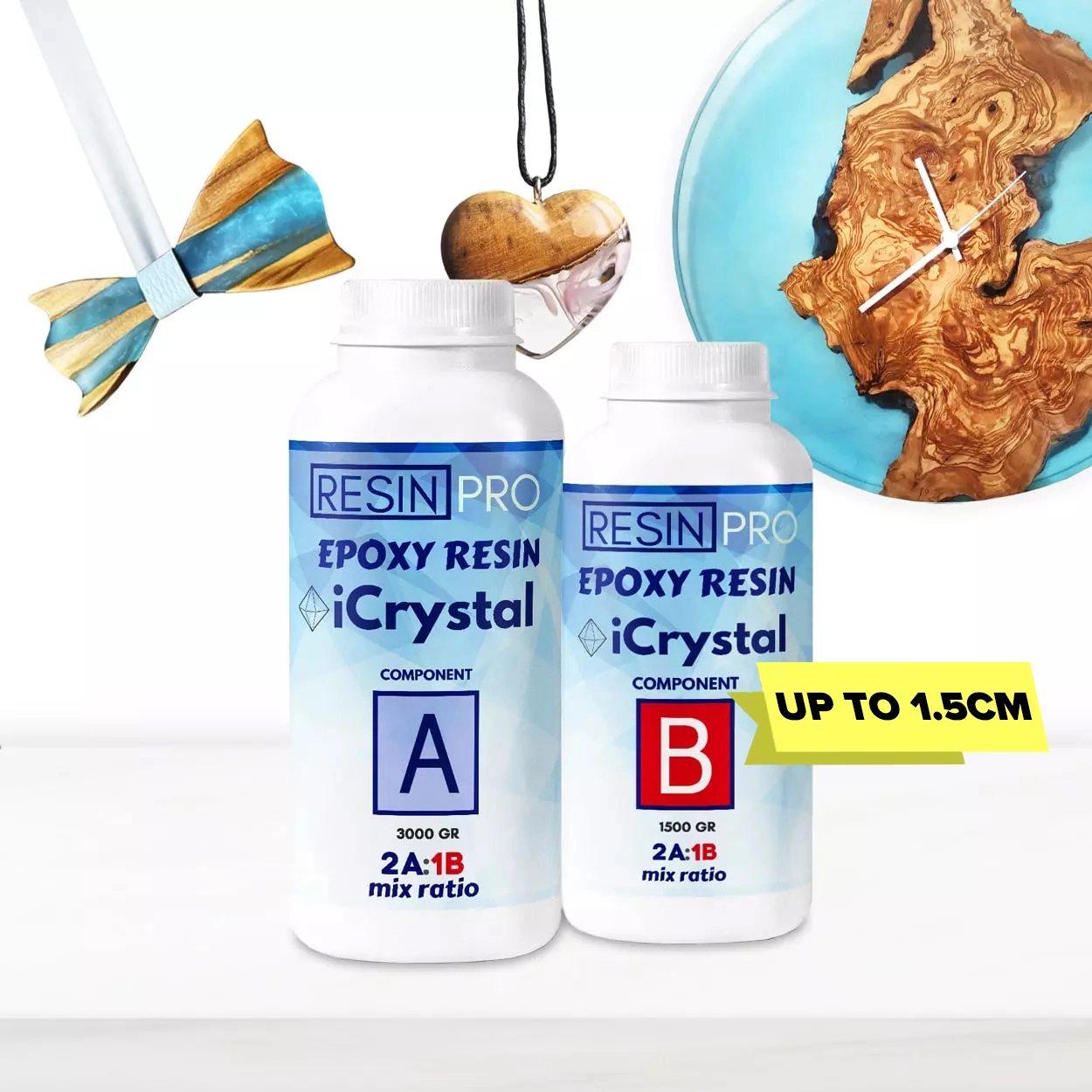

Struggling to get resin to bond to your steel bracket? Achieving a strong, lasting resin coat on metal requires attention to both surface preparation and application technique.
Why Resin Fails to Stick to Steel
Epoxy resins naturally adhere better to surfaces that are clean, dry, and textured. Steel brackets are often coated with grease, oils, or manufacturing residues which act as barriers, preventing the resin from gripping properly. A smooth metal surface also poses a challenge, as resin needs some texture to latch onto.


Steps to Improve Resin Adhesion
- Clean thoroughly: Remove any traces of grease, oil, and dust using a suitable degreaser or alcohol-based cleaner. Avoid using soaps that could leave behind a residue.
- Roughen the surface: Lightly sand the steel bracket with fine-grit sandpaper. This gives the resin more surface area to grip, leading to a tougher bond.
- Final wipe-down: After sanding, wipe the surface clean again to remove particles left from abrasion.
- Apply resin promptly: Once the surface is fully dry and dust-free, apply your chosen resin, such as the Icrystal Clear Epoxy Resin, following the manufacturer’s instructions.
When Attention to Prep Matters Most
Surface prep is particularly important for brackets used in visible locations, high-stress fixings, or where a durable finish is crucial. Thorough cleaning and sanding are the keys to long-term performance if you want a smooth, professional resin coating on steel.

Related products
Related guides
Correct surface preparation transforms resin adhesion on steel brackets, making your coating projects more reliable. For more in-depth advice on resin coating techniques, see our full guide on how to coat a steel bracket with resin.