 Free shipping on orders over £29,85
  Shipping Tracking!


 Google
 Facebook
← Back to How to paint a boat with epoxy paint?
Understanding the effect of weather, especially humidity and temperature, is crucial when applying epoxy paint to your boat. Weather conditions can influence how well epoxy cures and the quality of the final finish.
Why Weather Matters for Epoxy Application
Epoxy paints rely on specific conditions to cure properly. High humidity slows down drying and encourages clouding or poor adhesion, while low temperatures can make the curing process sluggish or even incomplete. For best results, work within the recommended temperature and humidity ranges often found on the product’s packaging or data sheet.

Tips for Applying Epoxy in Varying Conditions
- Check local forecasts: Plan painting during dry, mild weather if possible.
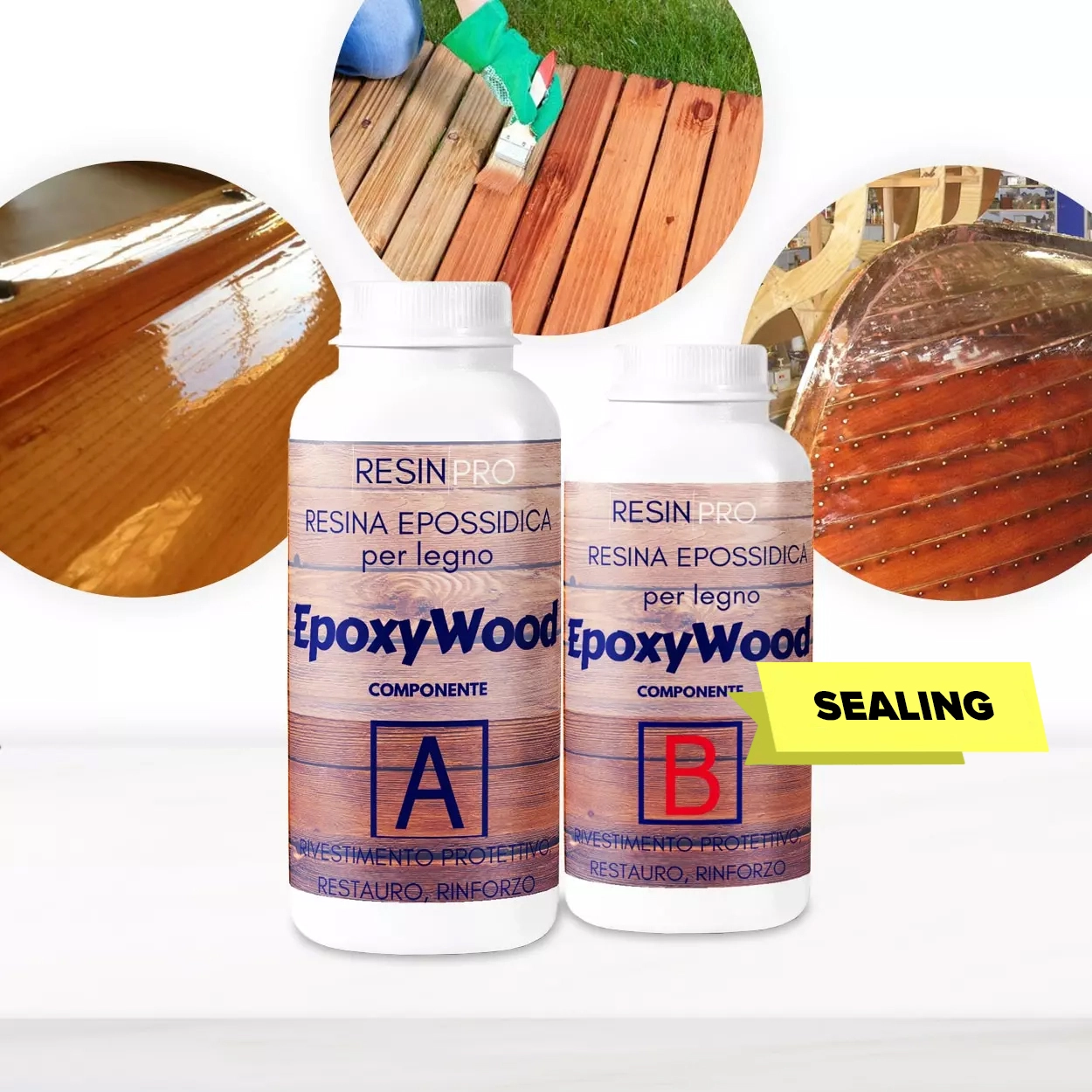
- Surface preparation: Ensure all surfaces are dry before applying epoxy. Any moisture can jeopardise adhesion and finish. Products like EpoxyWood are specifically designed to work best on dry timber.
- Application tools: Use the appropriate rollers for uniform coats—consider short-pile or large rollers for different surface sizes.
- Allow extra time: In cooler conditions, curing takes longer, so be patient before applying additional coats or putting the boat in use.
When This Matters Most
If you’re painting in an outdoor setting or during seasonal changes, keeping a close eye on humidity and temperature is especially important. Premature application in unsuitable weather can lead to subpar, short-lived results and may require redoing sections of your work.

Related products
Related guides
By accounting for weather conditions before applying epoxy paint, you’ll achieve a smoother, longer-lasting finish. For a full step-by-step overview, see our main guide on how to paint a boat with epoxy paint.