 Free shipping on orders over £29,85
  Shipping Tracking!


 Google
 Facebook
How do you remove the sticky part of epoxy resin?
Practical methods for dealing with sticky resin residue


Dealing with tacky or sticky spots on epoxy resin is a common issue, especially for DIYers and hobbyists. Tackiness can be caused by incorrect mixing, poor curing conditions, or accidental spills. This guide explains how to safely and efficiently remove sticky epoxy resin, whether from your project or work surfaces, helping you rescue your crafts and restore smooth finishes without damaging your work.
What You’ll Need
- Pure Isopropyl Alcohol 99.9% – 1000ml Bottle for Epoxy Resin Projects & DIY – For dissolving sticky residues and cleaning surfaces.
- Strong Technical Degreaser for Resin Projects – 100% Natural Formula – Useful for gentle, natural residue removal.
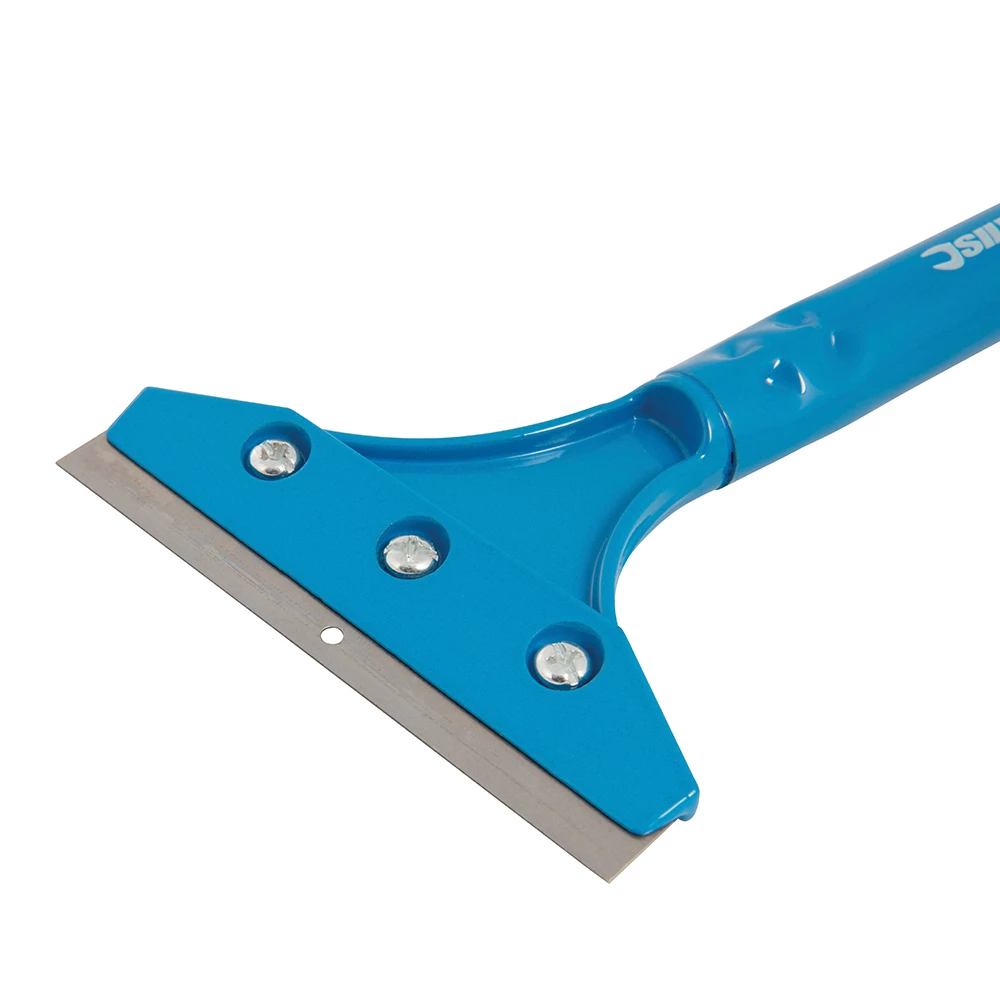
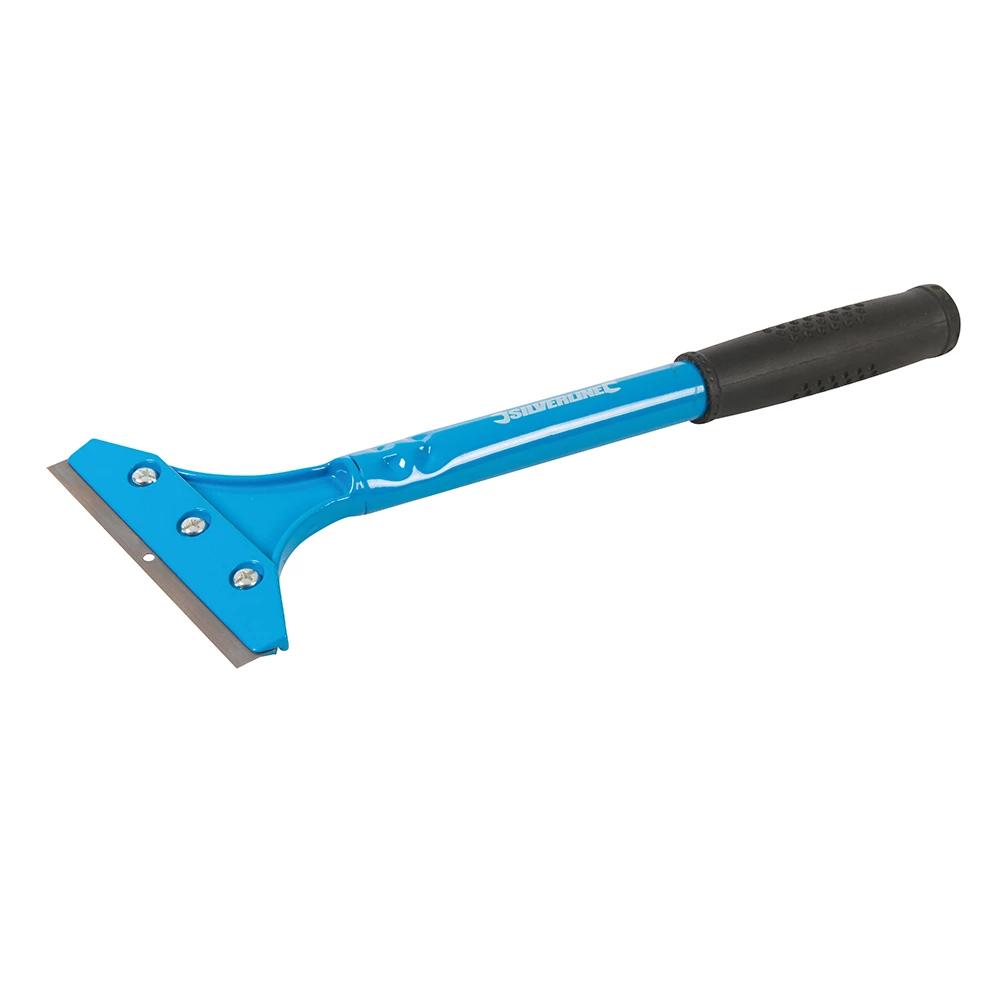
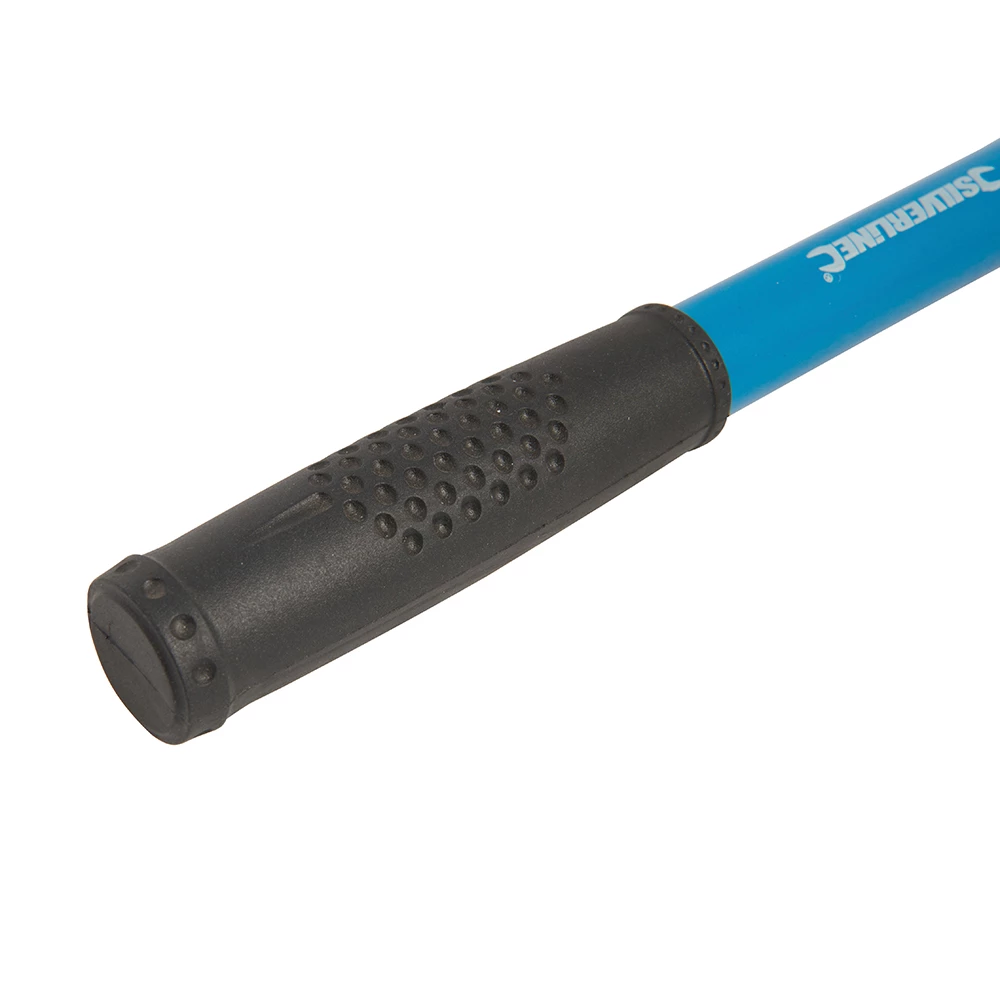
- Heavy Duty Scraper for Paint and Epoxy Resin Removal – For scraping off cured sticky patches.
- Paper towels and soft cloths
- Disposable gloves
- Protective mask if working in a poorly ventilated space
Visual Demonstration: Removing Sticky Epoxy
See close-up techniques for dabbing, wiping, and scraping, highlighting different methods for each type of sticky residue. Observe how isopropyl alcohol and technical degreaser are used safely on various resin projects.
Step 1: Assess and Prepare the Surface
First, examine the epoxy resin project to identify which areas feel sticky or tacky. This may present as a residue that does not fully cure or a soft surface. Remove any loose dust or dirt from the area with a dry cloth. Make sure the workspace is well-ventilated because some cleaning agents can release fumes.
Always wear protective gloves when handling sticky epoxy resin. This prevents skin contact and keeps you safe from irritants commonly found in uncured resin.

Step 2: Remove Uncured Resin Residues
Gently dab the sticky epoxy surface with a soft cloth soaked in isopropyl alcohol. Allow the solvent to dissolve the tacky layer, taking care not to spread it beyond the affected area. Wipe away loosened residue using clean paper towels, repeating until the surface feels smooth or most of the sticky layer has been removed.
You can use Pure Isopropyl Alcohol 99.9% – 1000ml for this step, as it efficiently dissolves sticky resin without leaving residue behind. Allow solvents to evaporate fully before touching the surface.
Step 3: Use Natural Cleaners for Mild Stickiness
If residue remains after alcohol cleaning, or if you prefer a gentler approach, apply a small amount of a natural degreaser to the area. Work in the cleaner using a soft cloth or sponge in circular motions. Let the product sit briefly on the sticky spot for maximum effectiveness before wiping away. Rinse the area with a damp cloth and allow it to dry.
Strong Technical Degreaser for Resin Projects – 100% Natural Formula is ideal for safer, skin-friendly removal, especially on sensitive surfaces or when chemical odours are a concern.
Step 4: Mechanically Remove Cured or Thick Residue
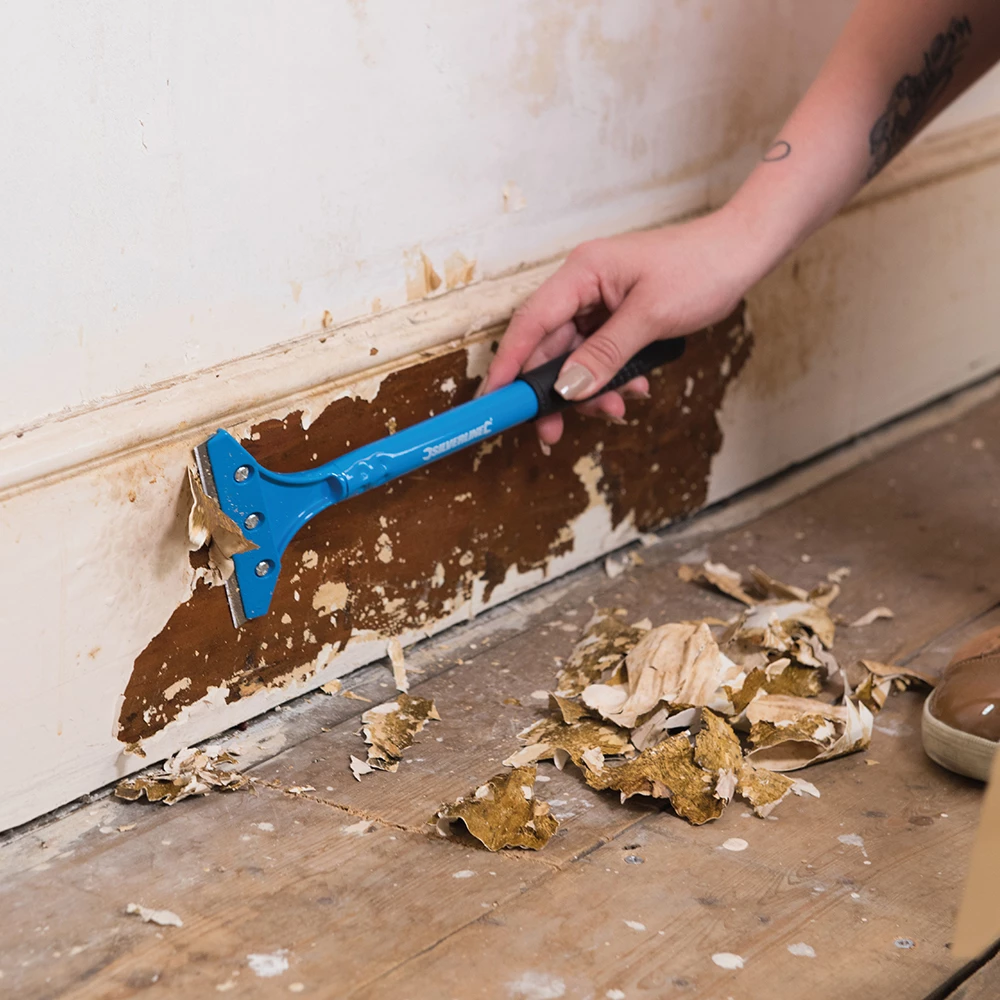
For thick or partially cured sticky spots that resist cleaning, gently scrape the area with a mechanical scraper. Hold the scraper at a shallow angle and work slowly to avoid gouging underlying cured resin or your substrate. Remove small sections at a time and wipe away debris as you go. Take care not to press too hard or dig into surrounding unaffected surfaces.
The Heavy Duty Scraper for Paint and Epoxy Resin Removal is designed for effective, comfortable scraping of resin without damaging most work surfaces.
Never use abrasive tools on soft, uncured resin. Wait until the sticky patch is as solid as possible before attempting this approach.
Tips and Safeguards for Sticky Resin Fixes
Sticky resin often results from incorrect mixing ratios or insufficient curing time—always check your manufacturer’s recommendations. Avoid working in cold, damp, or poorly ventilated environments, which can prevent proper curing. Test removal methods on a small area first. If you plan to re-coat the project, ensure the surface is thoroughly cleaned and dry for optimal adhesion. Patience is key—rushing can make the problem worse.
Before and After: Restoring Epoxy Surfaces
Compare resin projects before and after sticky residue removal. Note the improvement in clarity and smoothness after applying proper cleaning agents and tools described above.
- Pure Isopropyl Alcohol 99.9% – 1000ml Bottle for Epoxy Resin Projects & DIYPrice range: £10.45 through £20.95Pure Isopropyl Alcohol 99.9% is suitable for epoxy resin projects, helping remove bubbles and supporting creative effects.
- Strong Technical Degreaser for Resin Projects – 100% Natural FormulaOriginal price was: £10.95.£9.45Current price is: £9.45.Strong Technical Degreaser is a natural formula designed for cleaning resin projects and various surfaces gently and effectively.
- Heavy Duty Scraper for Paint and Epoxy Resin Removal£8.95Heavy Duty Scraper designed for comfortable and precise removal of paints and coverings, suited to projects involving epoxy resin.
- Tooth Shaped Spatula for Epoxy Resin Application£3.45The Tooth Shaped Spatula supports precise epoxy resin application and an even spread, suitable for various project sizes.
Frequently Asked Questions
Why does epoxy resin turn sticky?
Sticky resin usually means the mixing ratio was incorrect, or the environment was too cold or humid for proper curing.
Is isopropyl alcohol safe for cleaning sticky epoxy resin?
Yes, it's commonly used on uncured epoxy surfaces—just ensure good ventilation and allow all solvent to evaporate.
Can a natural degreaser clean sticky resin?
Natural degreasers can break down light sticky residues safely, especially valuable for sensitive or skin-contact projects.
What if sticky resin remains after cleaning?
Try mechanical removal with a scraper, then wipe the area again with alcohol. Persistent patches may require additional layers to be removed.
Can you recoat epoxy after sticky resin removal?
Yes, but ensure the surface is fully cleaned and dried before adding new resin, for best adhesion and finish.