 Free shipping on orders over £29,85
  Shipping Tracking!


 Google
 Facebook
← Back to How do you apply resin on marble?
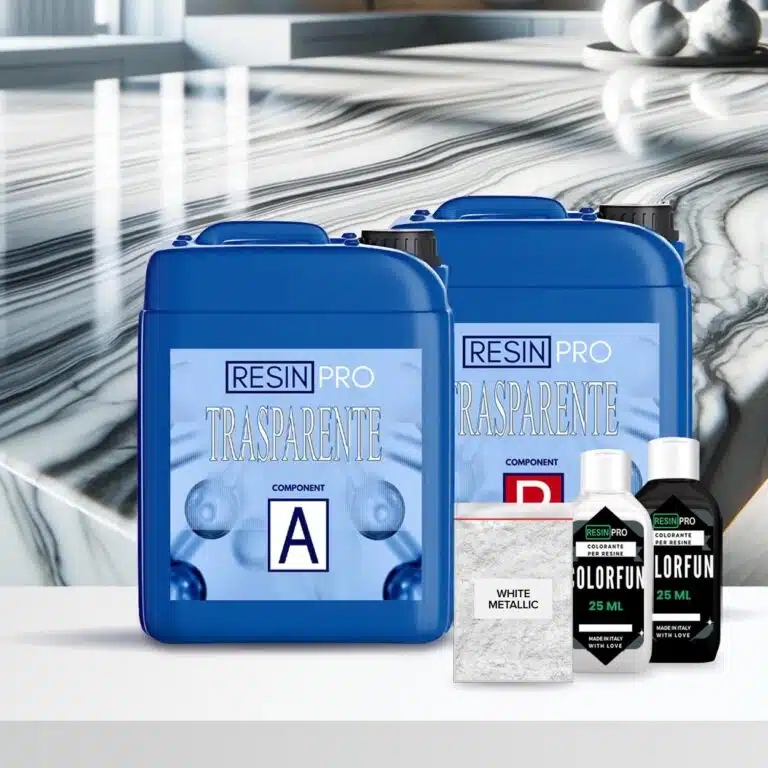
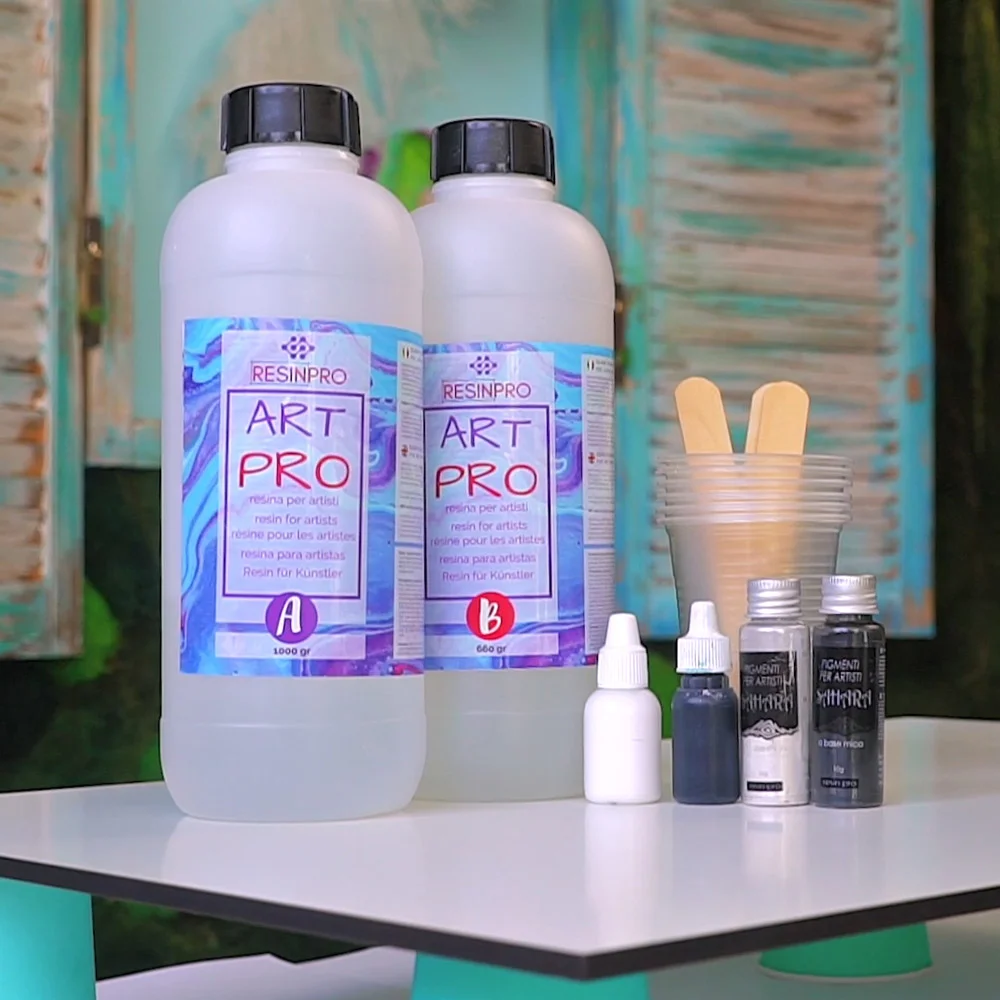
Applying the right thickness of resin to marble is essential for a flawless, durable finish. Whether you want a protective coat or aim for a deeper, stone-like effect, understanding resin depth helps achieve reliable results and avoids common pitfalls.
Recommended Thickness for Resin on Marble
For most surface finishing projects—such as countertops, vanities, or decorative panels—a resin layer of at least 1.5mm is advised. This provides both visual depth and a durable, protective shield. Thinner coats may not cover natural imperfections or withstand daily wear as effectively.
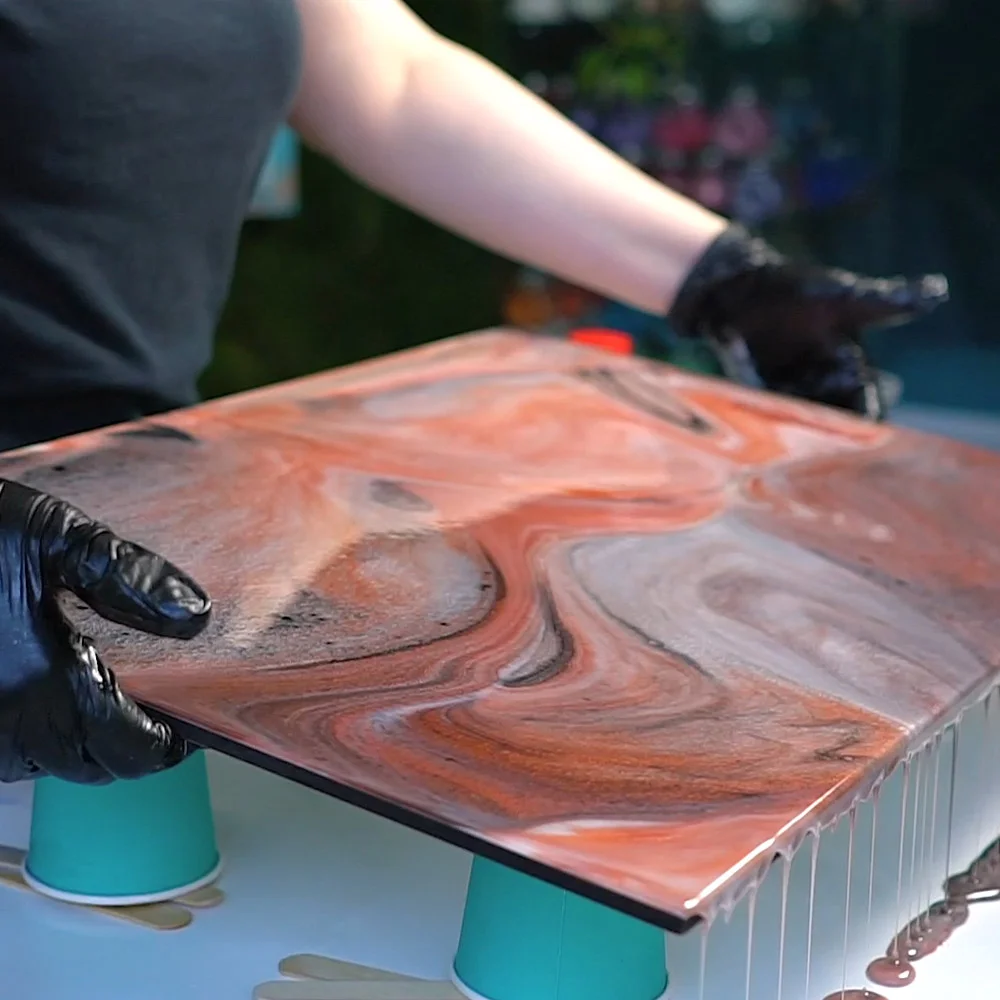
If you plan to pour a more substantial layer (beyond 5mm or even centimetres thick), it’s safer to apply resin in several stages. This minimises the risk of uneven curing or potential overheating, especially on larger surfaces like worktops or tables.

How to Achieve a Smooth, Even Resin Layer
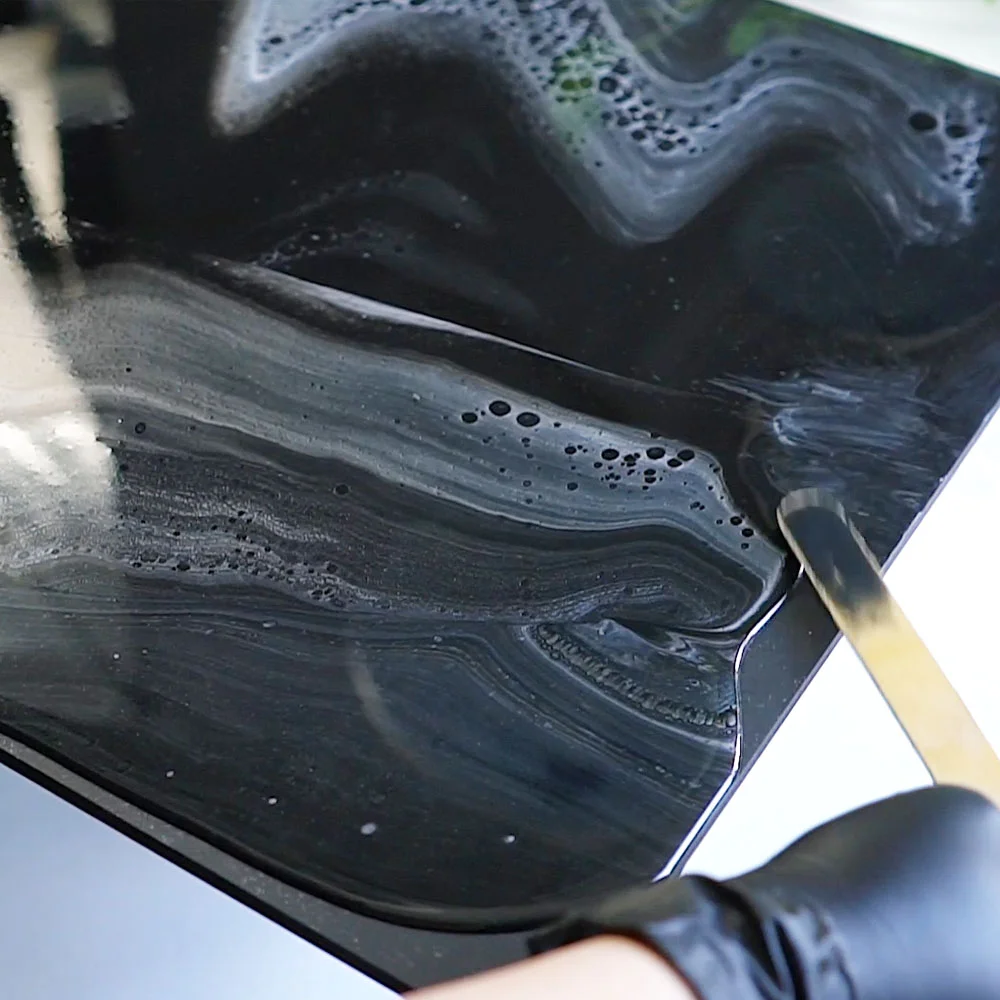
Begin by preparing your marble surface—clean thoroughly and ensure it is dry and free from grease. Use painter’s tape to form a border, then measure and mix your resin according to the manufacturer’s instructions. Pour steadily, allowing the product to self-level. For best clarity and durability, choose a product formulated for surface coatings. The Art Pro Clear Epoxy Resin is suitable for coatings of 1.5mm or more and is designed for easy application on decorative surfaces.
When Thickness Matters Most
- High-traffic areas: Thicker coatings (1.5mm+) help resist scratches and prolong surface life.
- Deep pour designs: Multi-layer pours are essential for thicknesses over 1cm to prevent curing issues.
- Restoring old marble: A more generous coat can help recover a smooth, uniform finish over worn or pitted regions.
Related products
Related guides
Selecting the right resin thickness ensures your marble project achieves both its functional and aesthetic goals. For more guidance on preparation and application, see our main hub on how to apply resin on marble.