 Free shipping on orders over £29,85
  Shipping Tracking!


 Google
 Facebook
← Back to How do you apply resin on marble?
Air bubbles are a common frustration when applying epoxy resin on marble. Fortunately, with careful preparation and the right techniques, you can achieve a crystal-clear finish every time.
Preparation: The Foundation for Bubble-Free Results
Start by ensuring your marble is thoroughly clean and completely dry. Even small traces of dust or moisture can trap bubbles beneath the resin layer. For best results, briefly warm your workspace and the resin components to room temperature—resin that’s too cold can trap more air during mixing.
- Wipe down the surface with isopropyl alcohol to remove fine particles.
- Level the marble to avoid pooling which can concentrate bubbles.
Mixing and Pouring Techniques
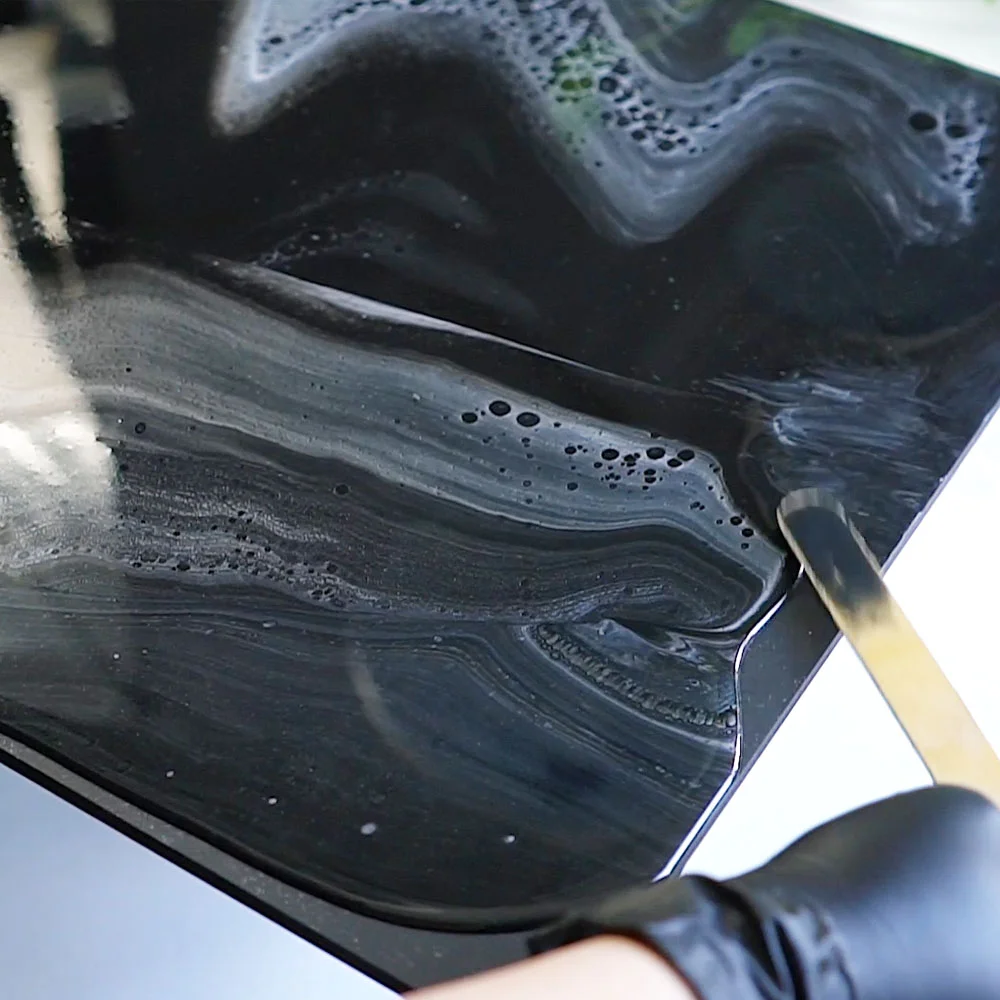
Mix your resin and hardener slowly and methodically, using a gentle, folding motion. Rapid stirring tends to introduce extra air. Once mixed, let the resin rest for a couple of minutes to allow bubbles to rise naturally. Pour the resin over your marble in a steady, thin stream from a low height, which helps bubbles escape before being trapped.
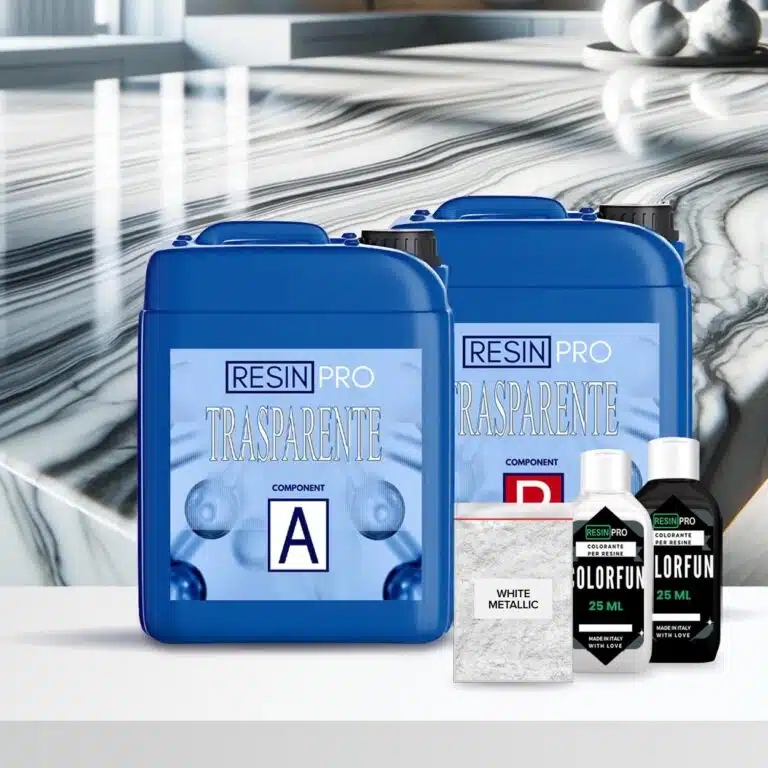
When working with products such as the Stone Effect Collection – Marble Epoxy Resin Countertop Kit, follow the included guidance for best results. These kits often provide isopropyl alcohol, ideal for achieving smooth finishes and minimising trapped air.
Finishing Touches: Releasing and Popping Bubbles
Shortly after pouring, scan the surface for visible bubbles. Run a heat gun or a small butane torch lightly across the resin’s surface to pop the bubbles—avoid holding the heat in one place to prevent damaging the layer. For edges and difficult spots, a cocktail stick or toothpick can help nudge out stubborn bubbles. Repeat a few times as the resin settles, particularly in the first 30–60 minutes.
When This Matters
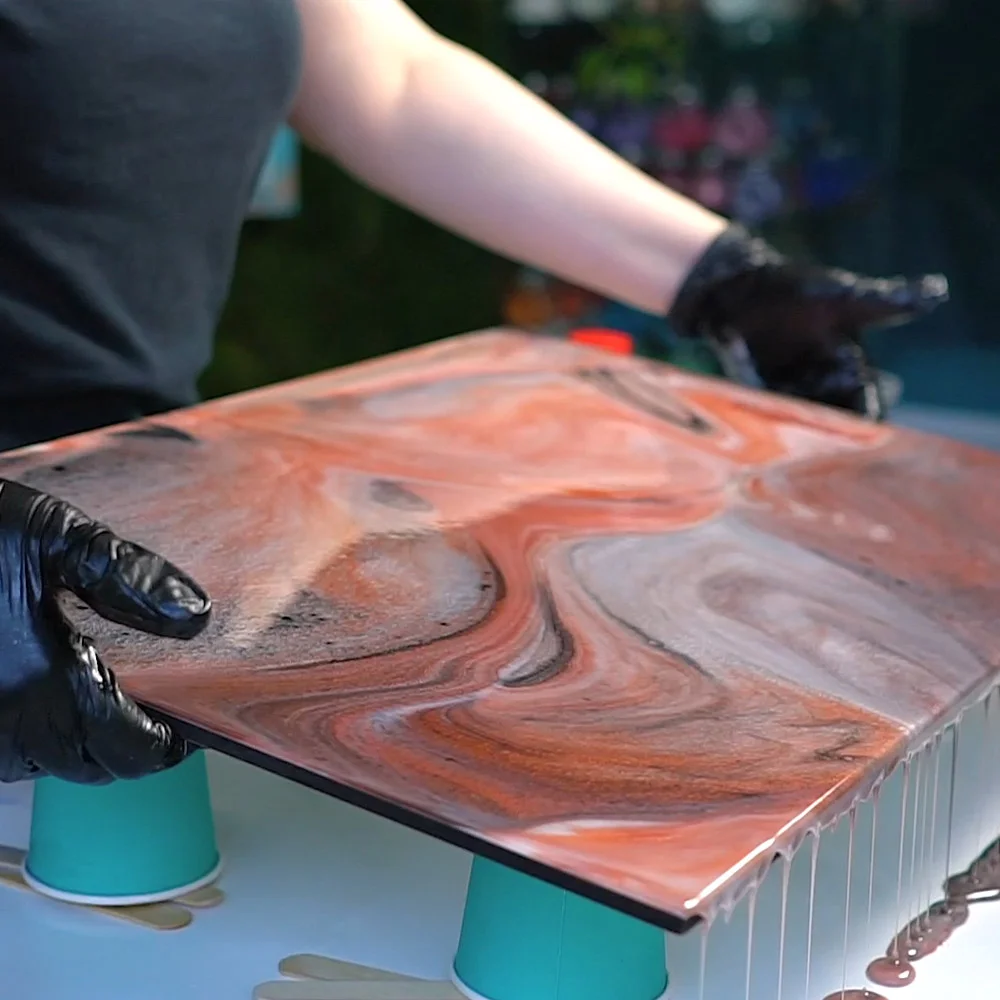
Preventing air bubbles is especially crucial for projects where clarity is essential, such as marble-effect worktops, decorative surfaces, or protective clear coats. A flawless finish helps showcase the natural beauty of marble beneath.
Related products
Related guides
Minimising bubbles when applying resin on marble requires patience and the right approach. Explore more tips and find the ideal resin for your project on our main guide to applying resin on marble.