 Free shipping on orders over £29,85
  Shipping Tracking!


 Google
 Facebook
← Back to How to make a wood, resin, and coin table?

Embedding coins in a resin table adds a unique, personal touch, but coins often shift when resin is poured. Mastering a few careful preparation steps helps keep your design neatly in place.
Securing Coins Before Pouring Resin
The key to keeping coins stationary is to secure them before adding resin. Use a small amount of clear-drying adhesive to lightly tack each coin to the base surface. Avoid excessive glue, as this can show through the resin or cause air pockets. Allow the adhesive to cure fully before moving on to the resin pour.
- Use a precision applicator for neat glue placement.
- Test adhesive compatibility on spare material to ensure it doesn’t react or cloud the resin.


Pouring Resin in Controlled Layers
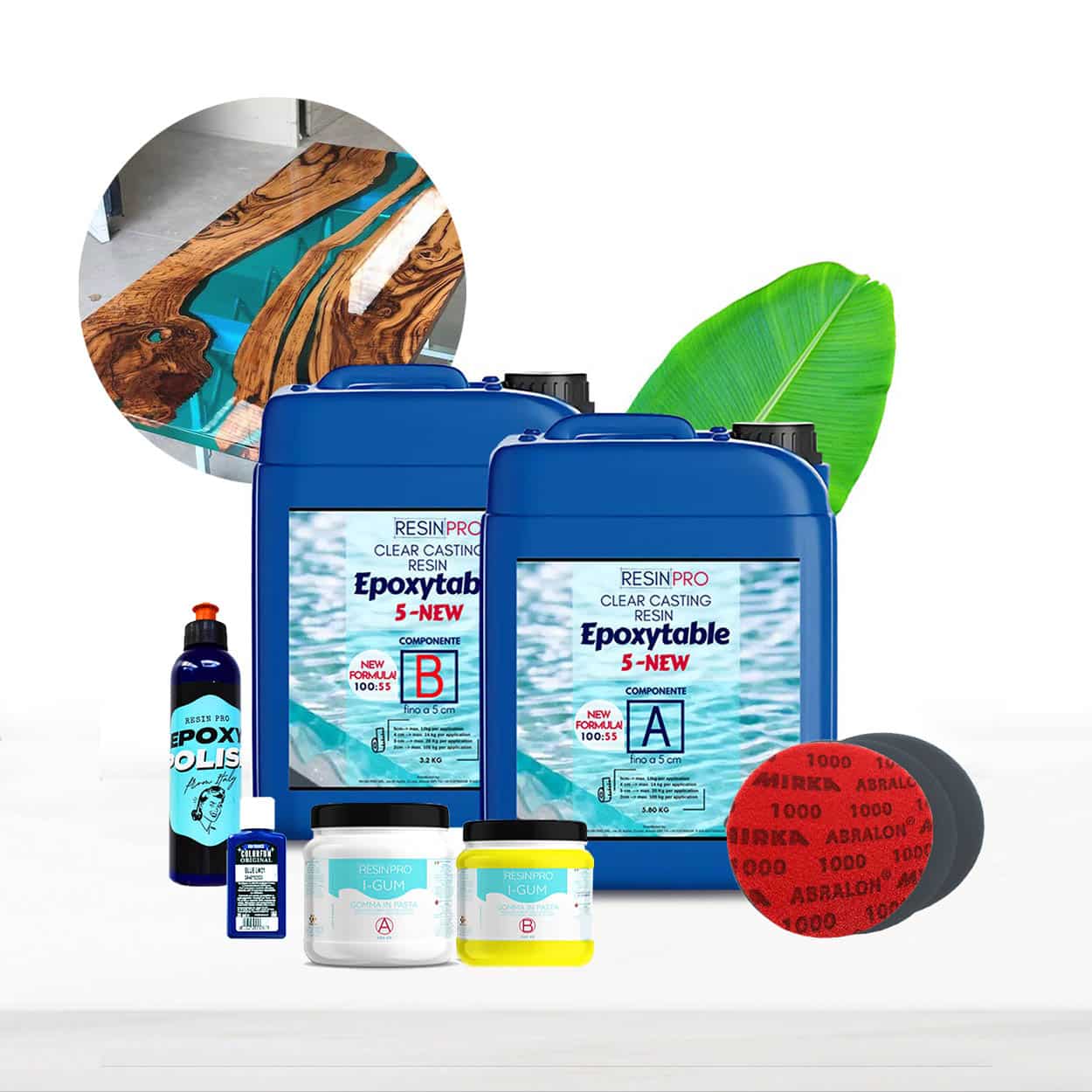
Rather than pouring the entire amount of resin in one go, it’s best to work in thin layers. Start with a shallow pour — just enough to cover and anchor the coins. Once this layer has cured to a stable tack (firm but not hard), coins will be locked in place for subsequent, deeper pours. Deeper projects are made easier with resins like EpoxyTable 5-Five, designed for thicker casting without overheating.
When This Matters Most
If your resin table design involves detailed patterns or vintage coins, preventing movement is crucial for a professional look. Taking the extra time to secure each coin and pour in stages protects both placement and visual clarity.

Related products
Related guides
Perfecting coin embedding in resin tables is all about preparation and patience. For a straightforward start, a comprehensive kit like the River-Table Complete Kit offers both materials and instructions to support your project. For more tips on composite table making, visit our full guide on how to make a wood, resin, and coin table.