 Free shipping on orders over £29,85
  Shipping Tracking!


 Google
 Facebook
How to coat wood with fiberglass resin?
Step-by-step guide for waterproofing and reinforcing wood surfaces

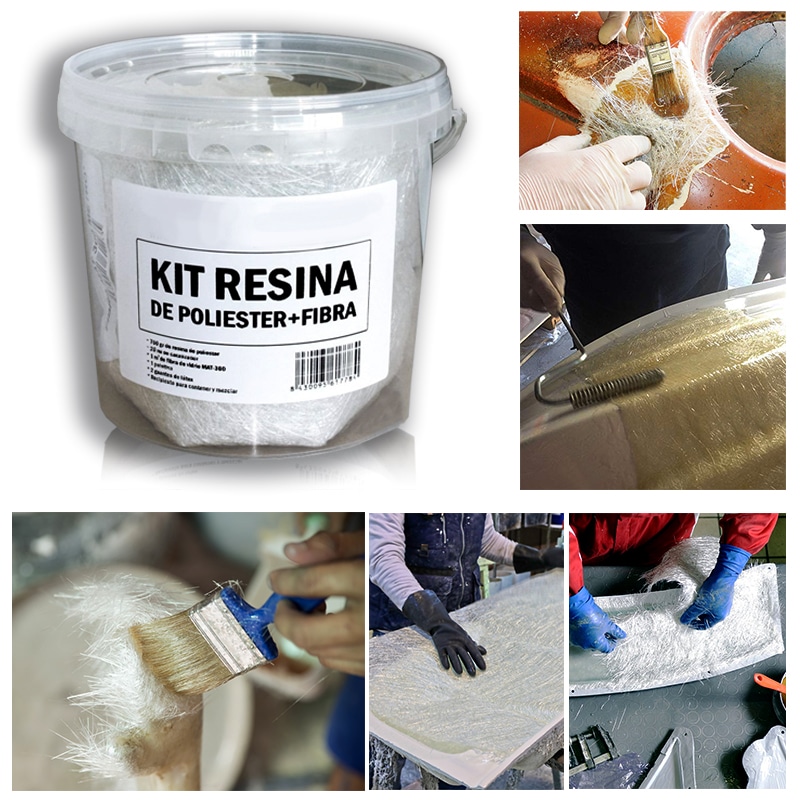
Coating wood with fibreglass resin is a reliable method to create a durable, waterproof, and structurally reinforced surface. Whether you are restoring a boat, making garden furniture more weather-resistant, or preparing wood for demanding use, mastering this skill ensures professional-quality results that stand the test of time. This guide covers everything you need to successfully apply fibreglass resin to wood without stress, pitfalls, or mess.
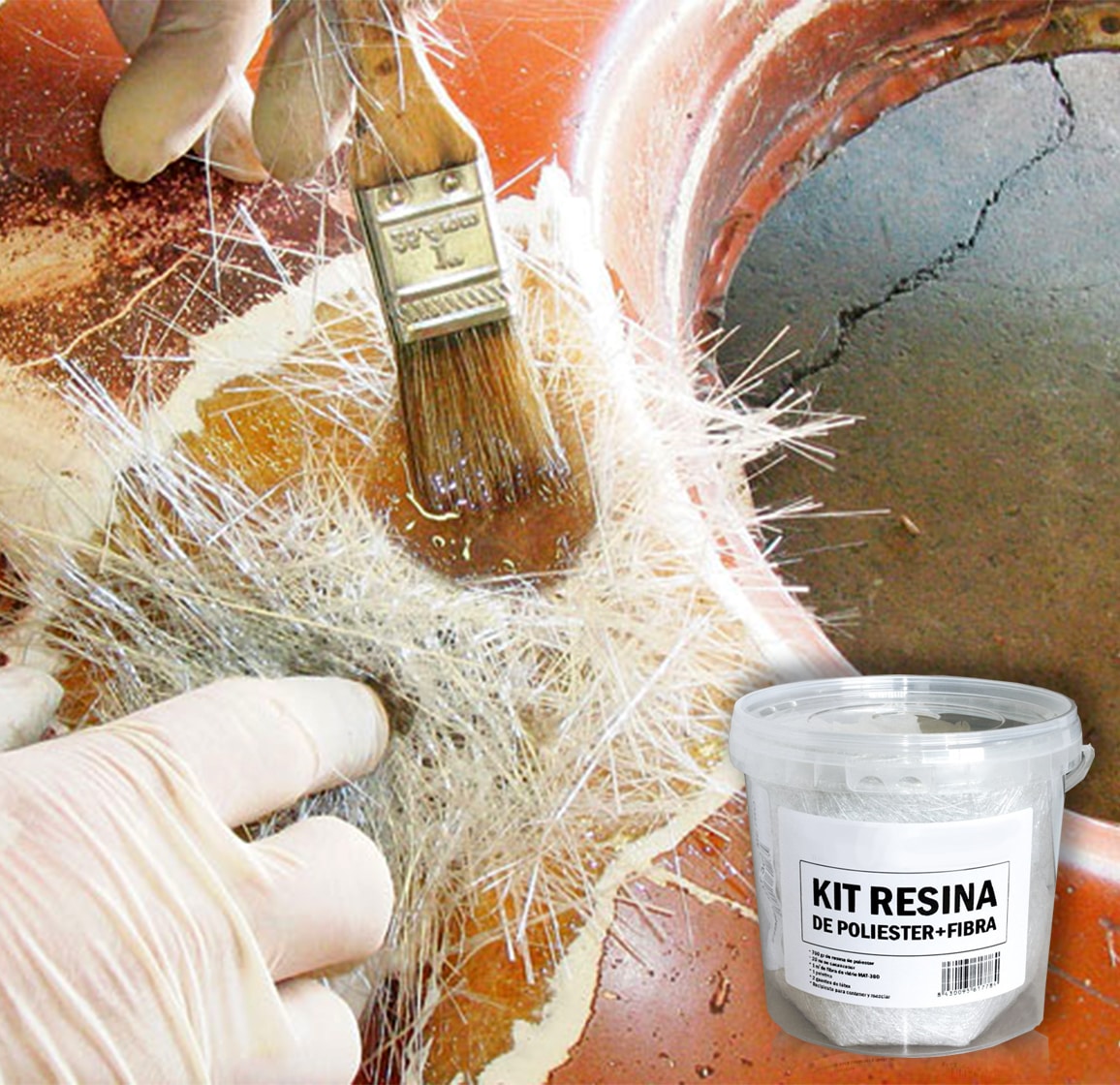
What You’ll Need
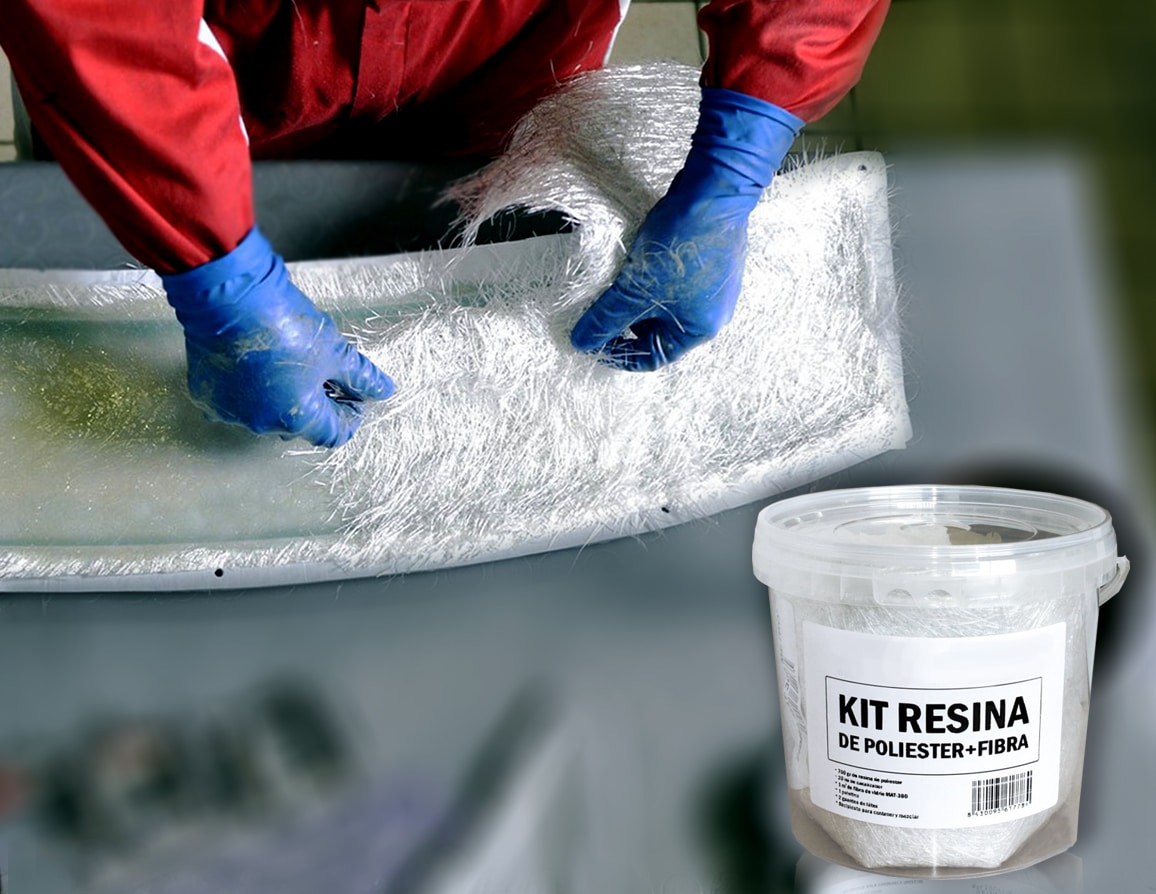
- Resin Fibreglass Repair Kit – Complete Polyester Resin and Hardener Set: A comprehensive kit with all resin, hardener, fibreglass mat, and basic tools ready for use.
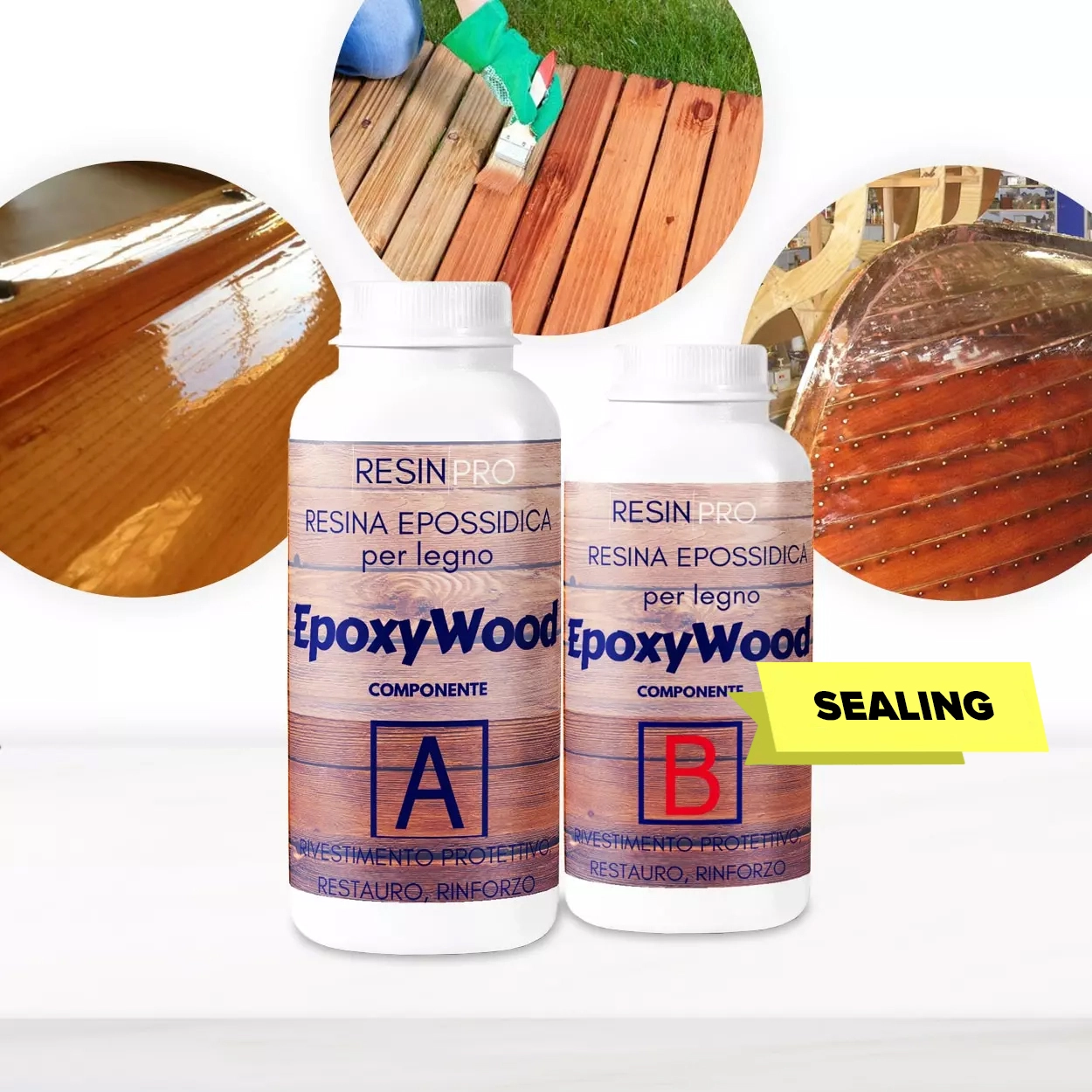
- “EpoxyWood” – Wood Restoration Epoxy Resin for Deep Penetration and Waterproofing: Intended for reinforcing and waterproofing the wood surface prior to fibreglassing, especially important for restoration or marine applications.
- “Trasparente” Epoxy Resin Kit 800g + Mica Powder 10g – 10 Colour Variations: Suitable as a clear, glossy topcoat or for artistic finishes.
- “Carbon Resin” – Epoxy Resin for Carbon Fiber & Fiberglass Coating: Perfect for strong, professional fibreglass impregnation over wood surfaces.
- Protective gloves, mixing containers, stirring sticks, application brushes/rollers, and surface preparation abrasives.
- Protective mask for fumes and dust if sanding or using in enclosed areas.
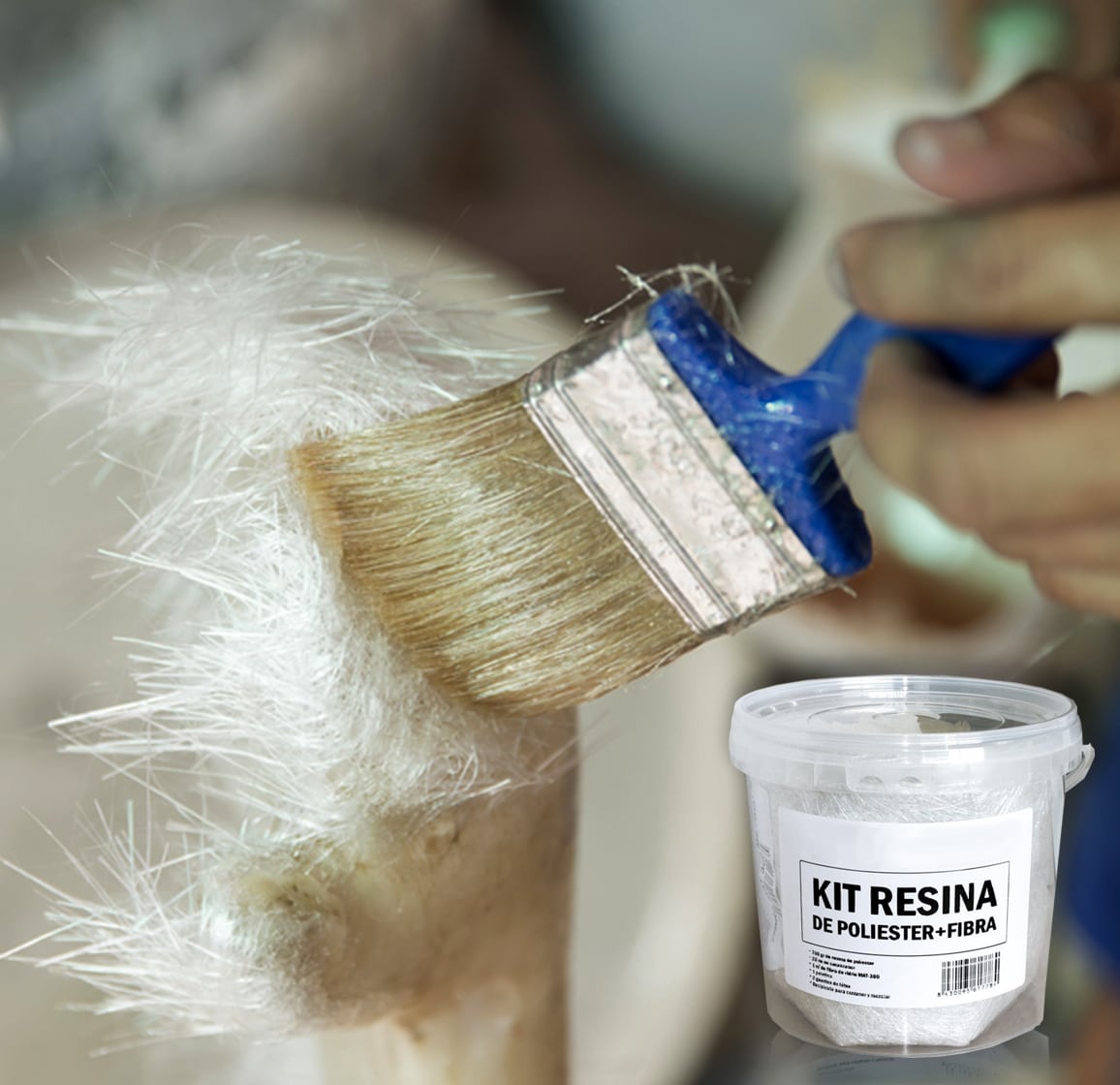
Essential Equipment and Workspace Setup
Before starting, gather all safety equipment and tools in a well-lit, ventilated workspace. Lay out mixing containers, protective gloves, stirring sticks, and old newspapers or plastic sheeting to protect your surfaces. It’s best to wear a respirator or mask and protective eyewear, especially if sanding or applying resin in enclosed spaces. Pre-cutting the fibreglass mat and arranging all resin components within reach ensures a smooth, uninterrupted process.
Step 1: Prepare the Wood Surface
Begin by ensuring your wood is clean, dry, and free from dust, grease, or old paint. Sand the surface to create a slightly rough texture – this promotes a stronger bond with the resin. Pay close attention to corners and edges, smoothing out any splinters or defects. Good surface preparation is crucial as it directly affects the performance and appearance of the final coated product.
If the wood is porous or aged, applying a penetrating epoxy such as “EpoxyWood” – Wood Restoration Epoxy Resin for Deep Penetration and Waterproofing can reinforce the fibres, seal the surface, and enhance the adhesion of subsequent fibreglass layers.
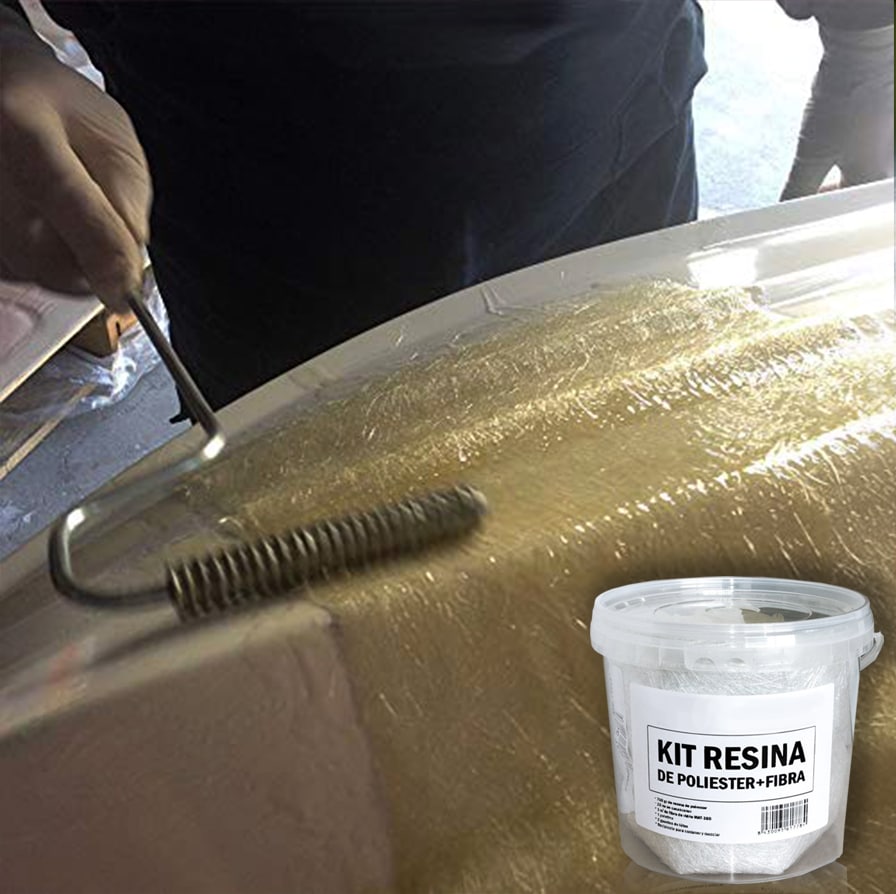
Step 2: Apply the First Layer of Resin
Wear protective gloves and adequate ventilation is essential. Mix your chosen resin and hardener according to the manufacturer’s instructions, ensuring a thorough and precise blend. Use a brush or roller to apply a thin, even layer over the prepared wood. This first coat acts as a primer, soaking into the fibres and providing an ideal base for the fibreglass mat.
Apply resin in thin, even layers to avoid bubbles, runs, or incomplete coverage. Allow this priming layer to become tacky but not fully cured before proceeding.
Step 3: Lay and Impregnate the Fibreglass Mat
Cut the fibreglass mat to fit the wood’s contours, allowing overlap where necessary. Lay the mat onto the tacky surface and gently press it to fit closely. Slowly apply additional resin over the mat, working methodically with a brush or roller to wet out all the fibres. Do not over-saturate, but ensure no dry patches remain.
Fully saturate the fibreglass mat for maximum strength. Work out any air bubbles with a roller or stippling brush for a smooth, integral finish. If using a kit such as the Resin Fibreglass Repair Kit – Complete Polyester Resin and Hardener Set, follow the enclosed instructions for optimal consolidation and curing.

Step 4: Finishing and Topcoating
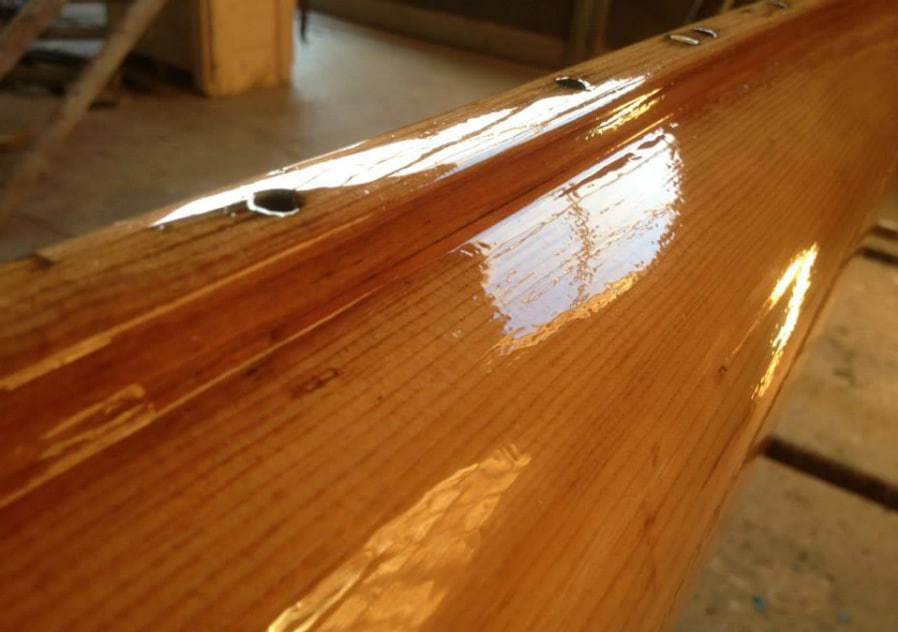
After the main resin layer has cured as specified, trim excess fibreglass from the edges using a sharp craft blade. For the best appearance and to protect from UV exposure, light sanding may be required before applying a final topcoat. This coat can be additional clear resin – for example, the “Trasparente” Epoxy Resin Kit 800g + Mica Powder 10g – 10 Colour Variations gives a glossy finish and enhances visual appeal.
Allow complete curing as recommended before exposing the project to weather or mechanical stress. Use a sharp blade and gentle sanding for best results when refining the finish.
Tips and Common Mistakes
- Work at recommended temperatures – Resin and hardener cure best at moderate room temperature. Avoid high humidity.
- Never rush surface prep – Skipping proper sanding or cleanup leads to resin lift, bubbles, or poor adhesion.
- Use the right brush or roller – Foam rollers and soft brushes help eliminate excess air, resulting in a seamless layer.
- Do not overwork – Excessive brushing can introduce bubbles and disturb the fibreglass weave.
- Always wear protection – Protect skin and lungs from dust and fumes, especially when sanding or using larger volumes of resin.

Surface Longevity and Project Examples
Properly applied fibreglass resin coatings can last for years, resisting water, weather, and mechanical wear. Common applications include marine plywood repair, waterproofing garden benches, structural reinforcement for tool handles, and even creative woodworking projects. Each use highlights the importance of thorough surface preparation and choosing the right resin for the task.
- Resin Fibreglass Repair Kit – Complete Polyester Resin and Hardener SetThe Resin Fibreglass Repair Kit offers a complete polyester resin solution for structural repairs, suitable for wood coating and similar uses.
- "EpoxyWood" – Wood Restoration Epoxy Resin for Deep Penetration and WaterproofingPrice range: £27.95 through £41.95EpoxyWood is formulated for repairing and protecting wooden surfaces with deep penetration and waterproofing in mind.
- "Trasparente" Epoxy Resin Kit 800g + Mica Powder 10g – 10 Colour Variations£20.95"Trasparente" is an ultra clear epoxy resin kit designed for multipurpose use including woodworking and artistic projects.
 "Carbon Resin" – Epoxy Resin for Carbon Fiber & Fiberglass CoatingPrice range: £19.95 through £37.95"Carbon Resin" epoxy resin is designed for composites with fibre impregnation and a glossy finish, suited for the "How to coat wood with fiberglass…
Frequently Asked Questions
Do I need to seal the wood before fibreglassing?
For best results, seal porous or aged wood with a penetrating epoxy before applying fibreglass resin. This helps with adhesion and durability.
Can I use epoxy or polyester resin on wood?
Both types are suitable for coating wood. Epoxy offers deep penetration and flexibility, while polyester kits provide quick, complete systems.
How do I stop bubbles when coating fibreglass on wood?
Apply resin in thin layers, work slowly with a brush or roller, and use a fibreglass roller to eliminate trapped air.
How long does fibreglass resin take to cure?
Curing times depend on resin type and temperature, but most systems take 8–24 hours for full strength. Always check the product guidance.
Does fibreglass resin protect wood from water?
Yes, a fully cured fibreglass resin layer provides excellent waterproofing for outdoor and marine use.
Should I sand between resin coats?
Light sanding between coats helps with adhesion and produces a smooth, professional finish. Always remove dust before recoating.