 Free shipping on orders over £29,85
  Shipping Tracking!


 Google
 Facebook
← Back to Can resin be painted on veneer furniture?
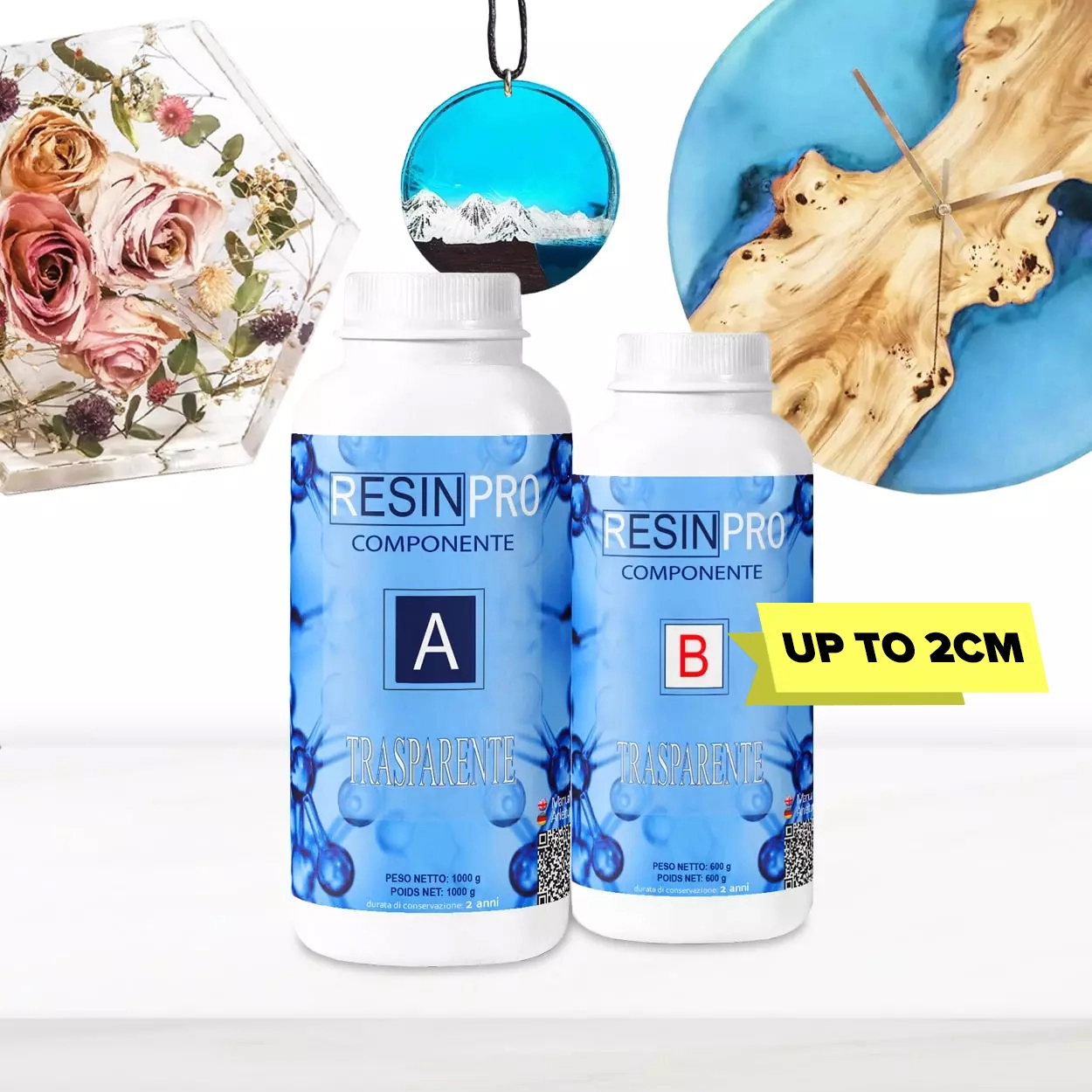
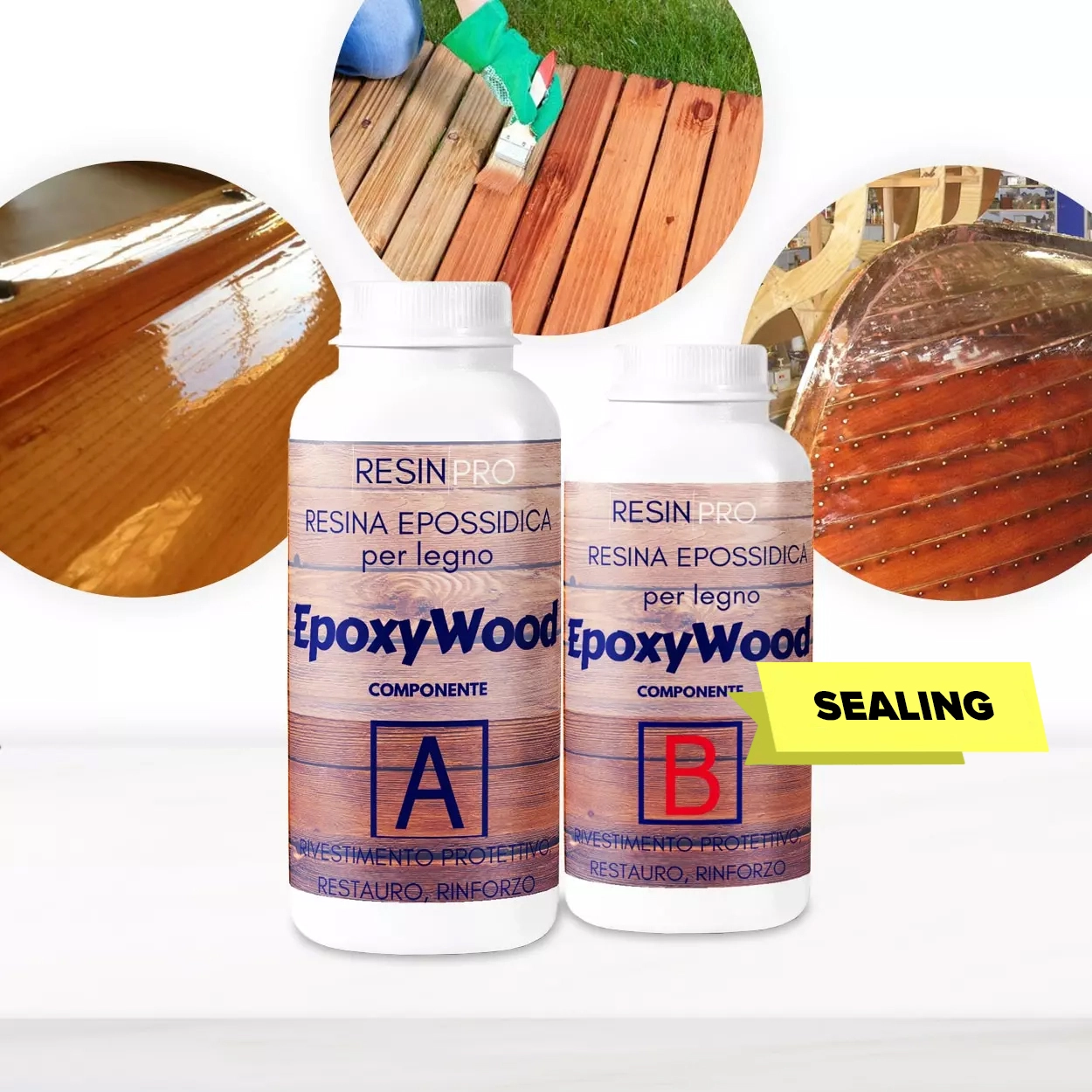
Epoxy resin has become a popular choice for enhancing and protecting veneer furniture. However, many wonder if epoxy resin is likely to yellow over time—especially when applied to surfaces like wood veneer. Here’s what you need to know about keeping your finish looking its best.
Why Can Epoxy Resin Yellow?
It’s natural to be concerned about yellowing, as standard epoxy resins are susceptible to the effects of UV light and environmental exposure. Over time, even clear resins may start to develop a yellow tint, which can alter the look of light-coloured veneers or affect glossy finishes.
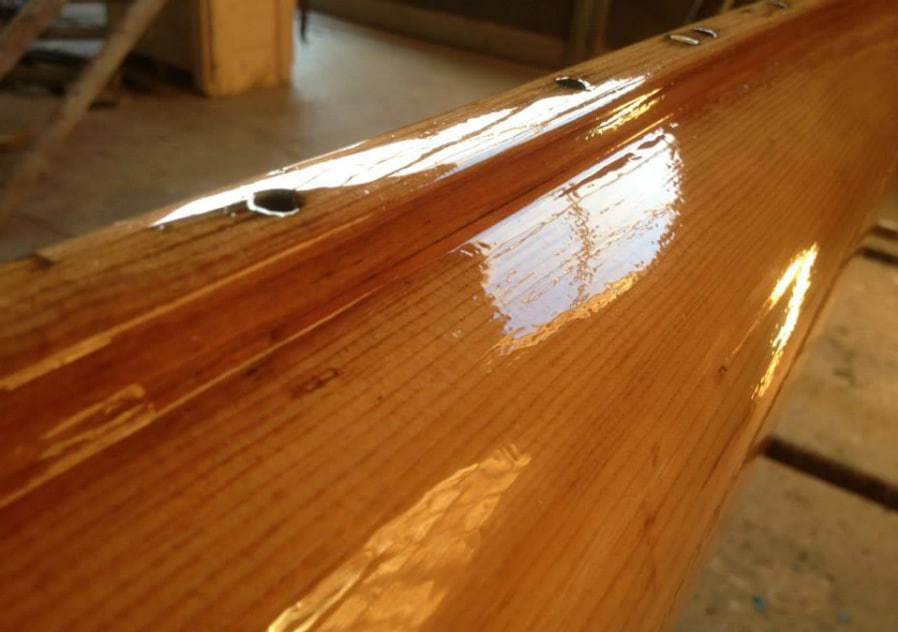

Choosing The Right Resin for Veneer
Modern formulations with advanced UV filters are designed to minimise discolouration. For example, products like Trasparente Multipurpose Epoxy Resin include integrated UV protection, helping the finish remain clear and brilliant for longer periods. For artistic projects or decorative surfaces, Art Pro Clear Epoxy also features UV stabilisers and a scratch-resistant surface—great for veneers used in coasters, trays, or table tops.
- Opt for resins labelled as UV-resistant for the best clarity retention.
- Apply in even, thin coats, as thicker layers are generally more sensitive to light exposure.
- If the veneer is exposed to direct sunlight, consider extra protective measures such as shades or UV-blocking top coats.
When This Matters
Yellowing is most noticeable on pale veneers or when maintaining a pristine, high-gloss finish is important. If you’re restoring fine furniture or working on a display piece in a bright room, selecting a high-quality, UV-stabilised resin is particularly vital.

Related products
Related guides
While some change can occur over time, choosing the right epoxy greatly reduces the risk of yellowing on your veneer furniture. Explore solutions with built-in UV protection to keep your projects clear and vibrant—find more insights about using resin on veneer in our main guide on the topic.