 Free shipping on orders over £29,85
  Shipping Tracking!


 Google
 Facebook
← Back to How are epoxy resins made?
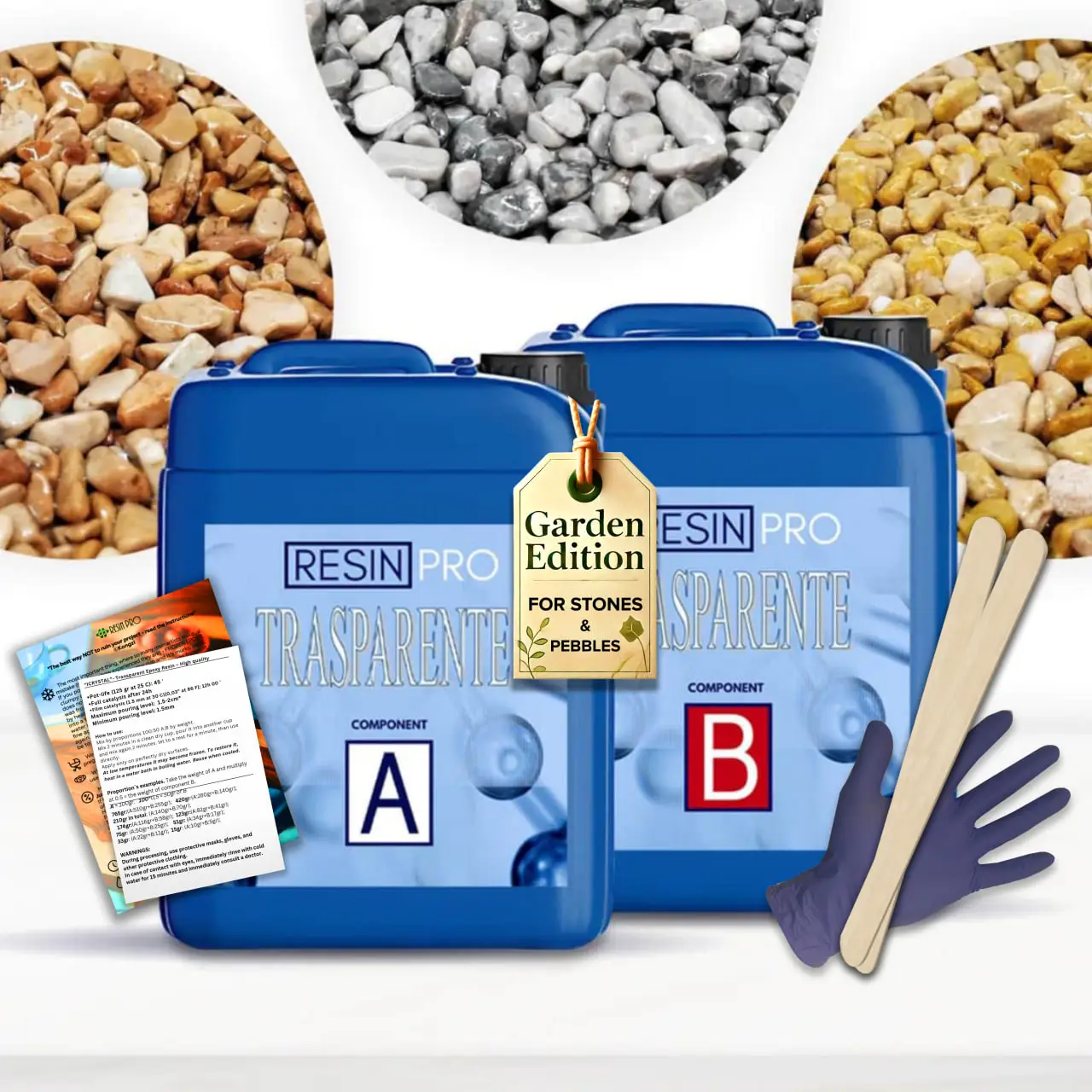

Cycloaliphatic amine hardeners are a key ingredient in high-performance epoxy resins, especially when long-lasting clarity and resistance to sunlight are essential. But what exactly sets them apart within epoxy systems?
Why Cycloaliphatic Amines Are Valued
Epoxy resins cured with cycloaliphatic amine hardeners are specially formulated to address a common problem: yellowing or degradation under sunlight. Unlike traditional amine systems, these hardeners impart stronger UV resistance, meaning surfaces remain clearer for longer even when exposed to outdoor conditions or bright lights.


Ideal Applications and Practical Considerations
Cycloaliphatic amine-cured epoxies are particularly suited to clear or decorative projects—such as transparent pebble floors, art pieces, and bar coatings—where appearance matters. They are also popular for applications like transparent epoxy binders for coloured aggregates, as these rely on non-yellowing resins to maintain a bright, clean look over time. When selecting a product, check for specific mentions of UV stability and resistance to yellowing to ensure it uses an advanced hardener system.
When This Matters Most
- If your work is outdoors or exposed to any direct sunlight, using an epoxy with a cycloaliphatic amine hardener can significantly enhance the appearance and lifespan of the finish.
- This choice is essential for clear coatings, decorative surfaces, or artistic uses that demand visual clarity.
Related products
Related guides
Understanding how cycloaliphatic amine hardeners shape the performance of modern epoxy resins helps you choose the right solution for long-lasting, visually stunning results. For a deeper look at how all epoxy components are made and combined, return to our main guide on epoxy resin manufacturing.