 Free shipping on orders over £29,85
  Shipping Tracking!


 Google
 Facebook
← Back to How are epoxy resins made?
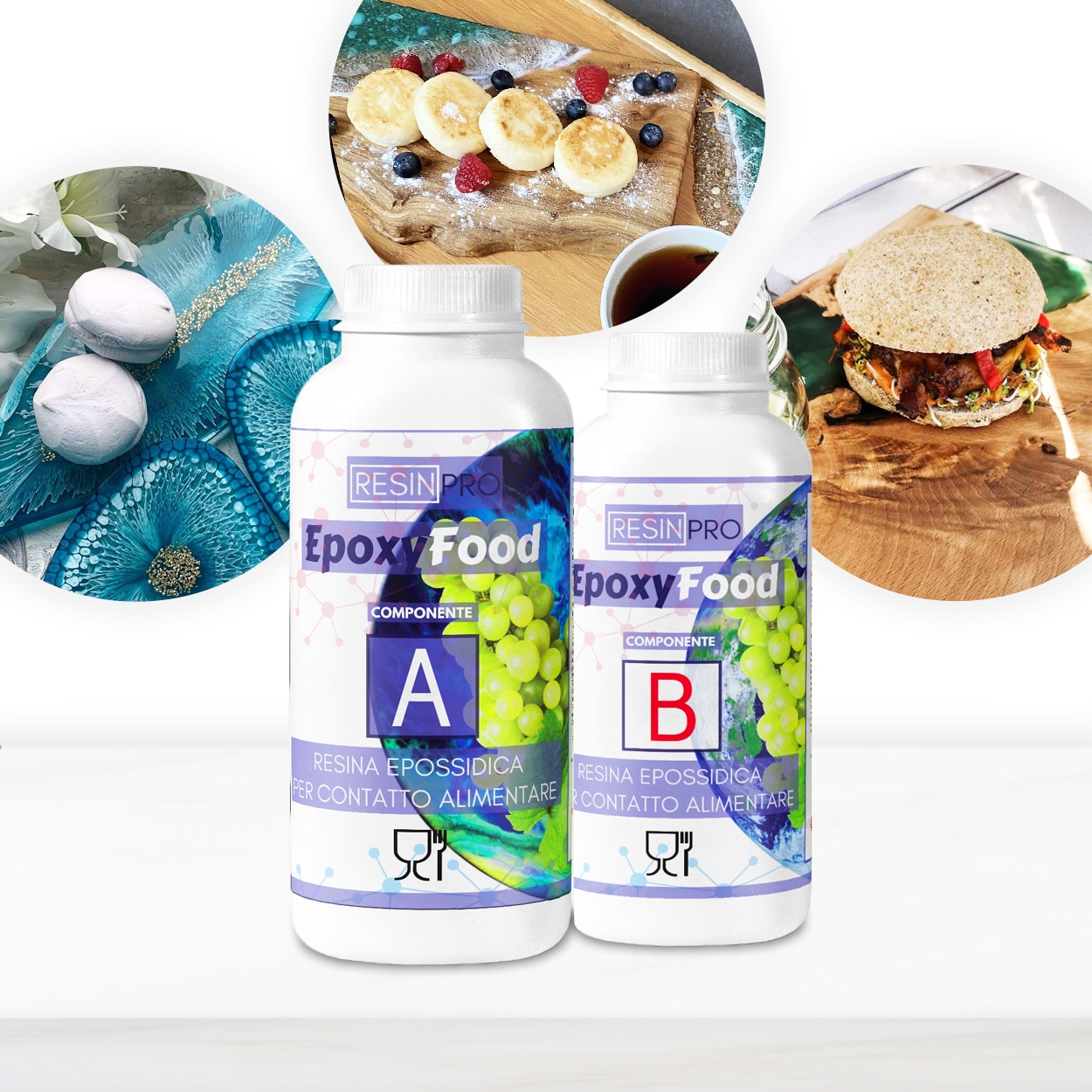
If you are planning to use epoxy resin on items that will come into contact with food, it’s important to know what truly makes a resin food safe. This guide explains the essentials and helps you choose the right solution for your kitchenware or serving projects.
Understanding Food Safe Epoxy Resin
A food safe epoxy resin is one that has been formulated and tested specifically for direct contact with food. This typically involves sourcing certified raw materials and following precise manufacturing standards. Equally important are the migration tests, which ensure that once the resin is fully cured, no harmful substances can migrate from the surface into food. Compliance with recognised food contact regulations, such as those set out in the EU, is crucial for verifying food safety.


What to Look for When Buying
When selecting an epoxy resin for projects like coating plates or serving boards, look for those with clear statements about food safety certification. For example, EpoxyFood is independently tested and certified to meet strict food contact requirements under EU Regulation No. 10/2011. Always check that the resin is solvent-free, odourless, and non-toxic once properly mixed and cured.
When This Matters
Using a certified food safe resin is particularly important for any surface or item that will directly touch food—such as chopping boards, serving platters, and decorative tableware. For projects where appearance and safety are equally important, a tested resin provides the peace of mind you need.

Related products
Related guides
Choosing a genuinely food safe epoxy resin ensures your kitchen creations are both safe and long-lasting. For more details on how epoxy resins are formulated and tested, visit our main guide on epoxy resin manufacturing.