 Free shipping on orders over £29,85
  Shipping Tracking!


 Google
 Facebook
← Back to What to Do If the Resin Cracks?
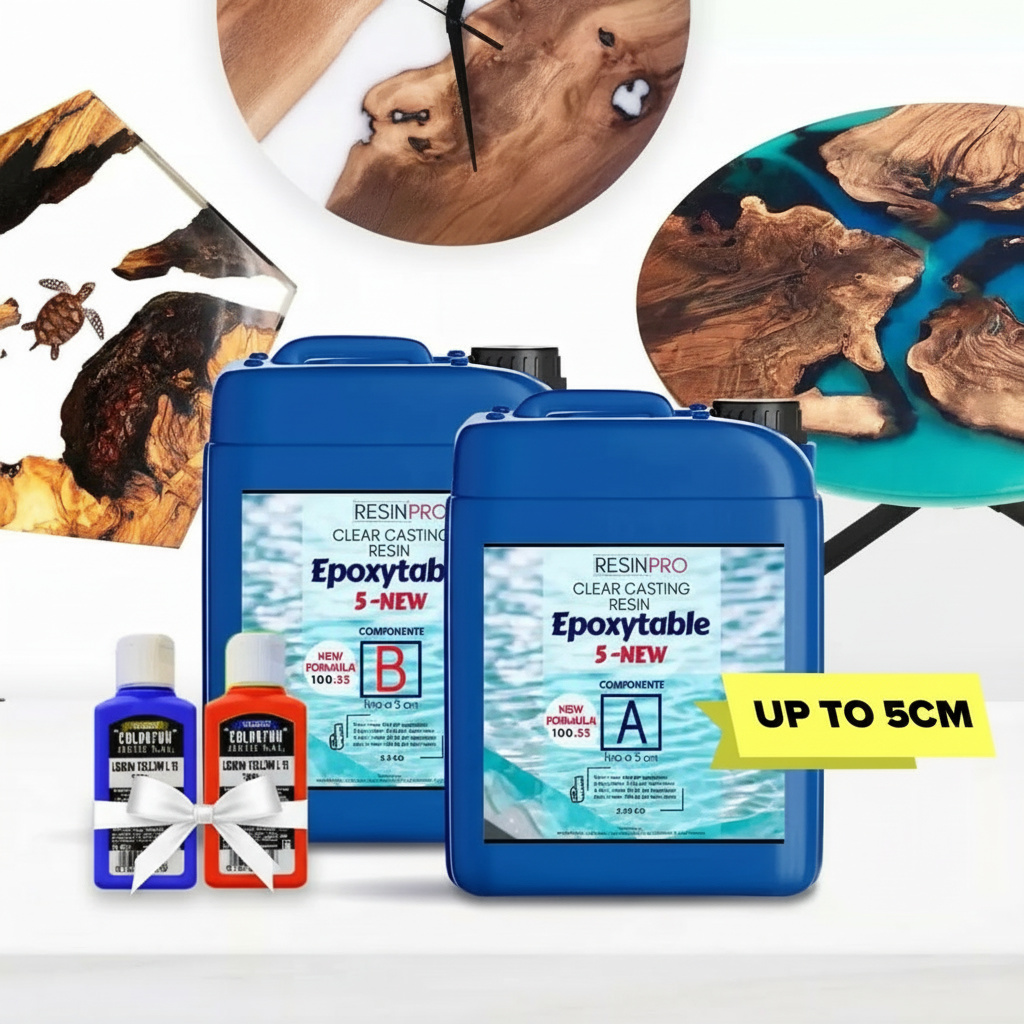

Choosing the right resin for crack repairs can make a huge difference to the outcome of your project. While deep pour resin offers distinctive benefits, it may not always be the simplest fix for every crack situation.
What Is Deep Pour Resin and When Is It Useful?
Deep pour resins, such as EpoxyTable 5-Five, are formulated for casting thick layers—often up to several centimetres at once. Their chemistry helps reduce shrinkage and heat build-up during curing, minimising the risk of cracking in large repairs. These resins are particularly suitable when a crack repair needs to fill a deep cavity or when casting a new section into a damaged surface.
Are Deep Pour Resins Always the Right Choice for Cracks?
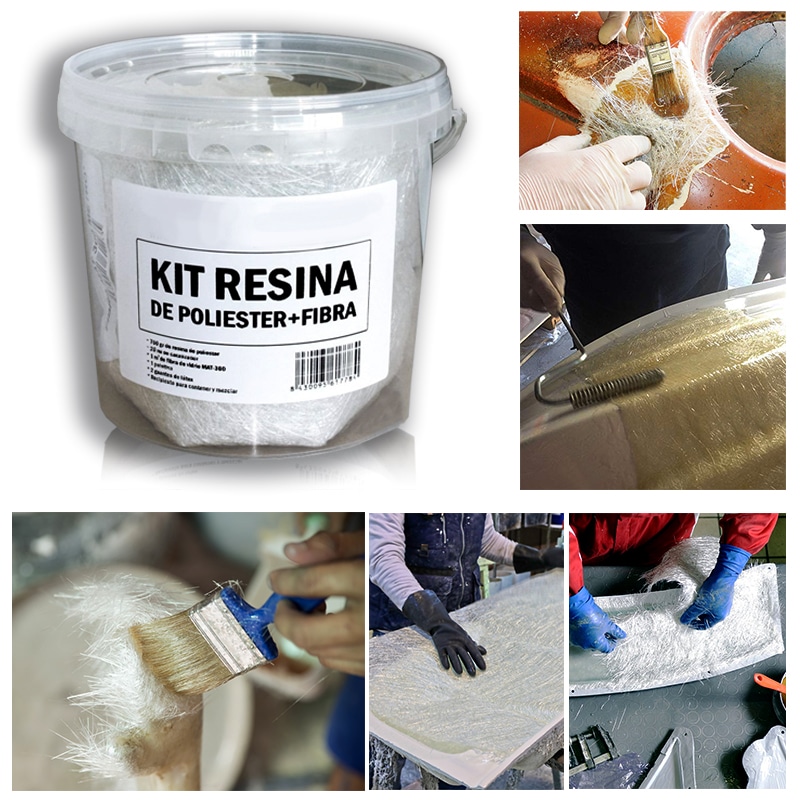
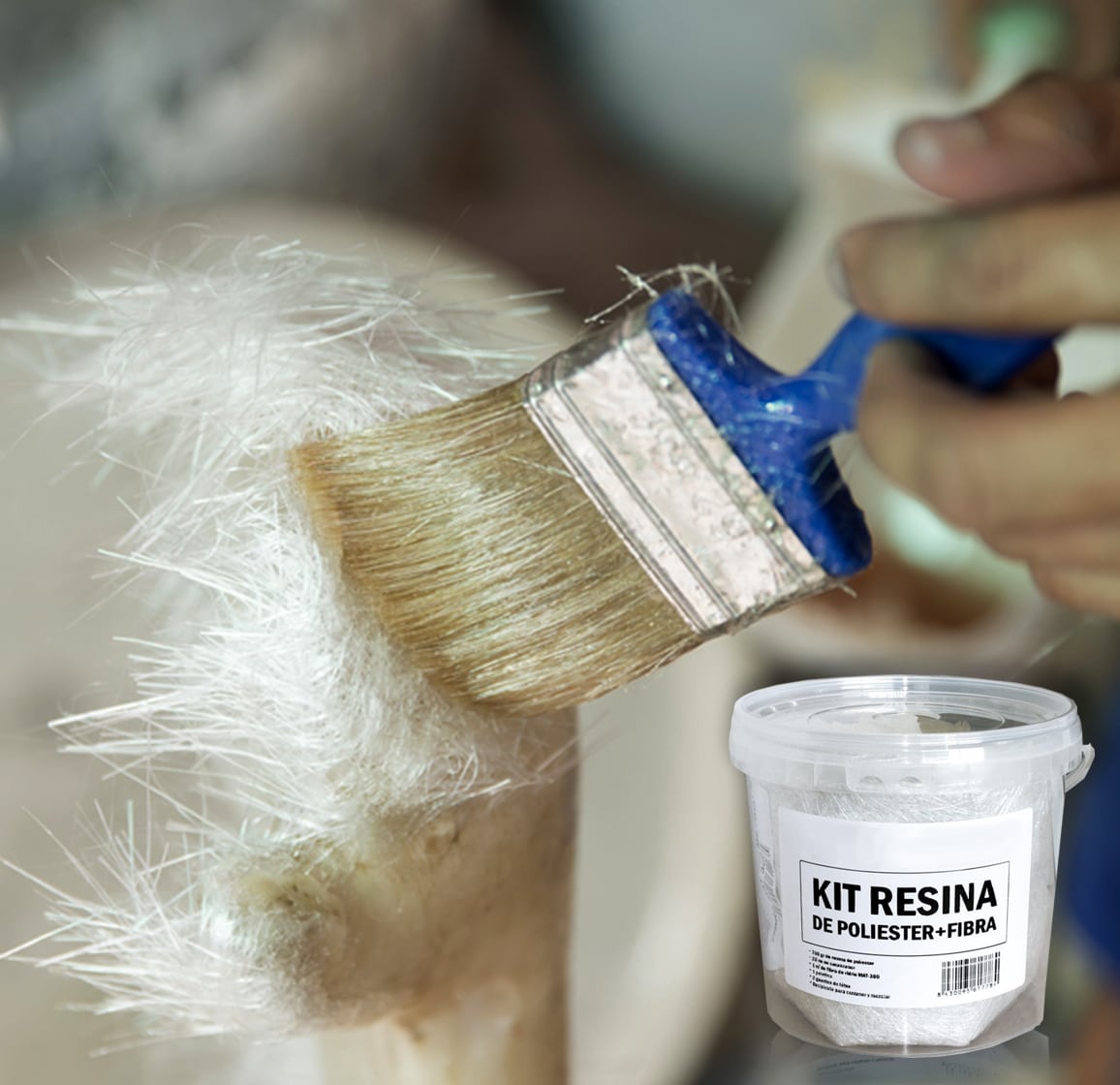
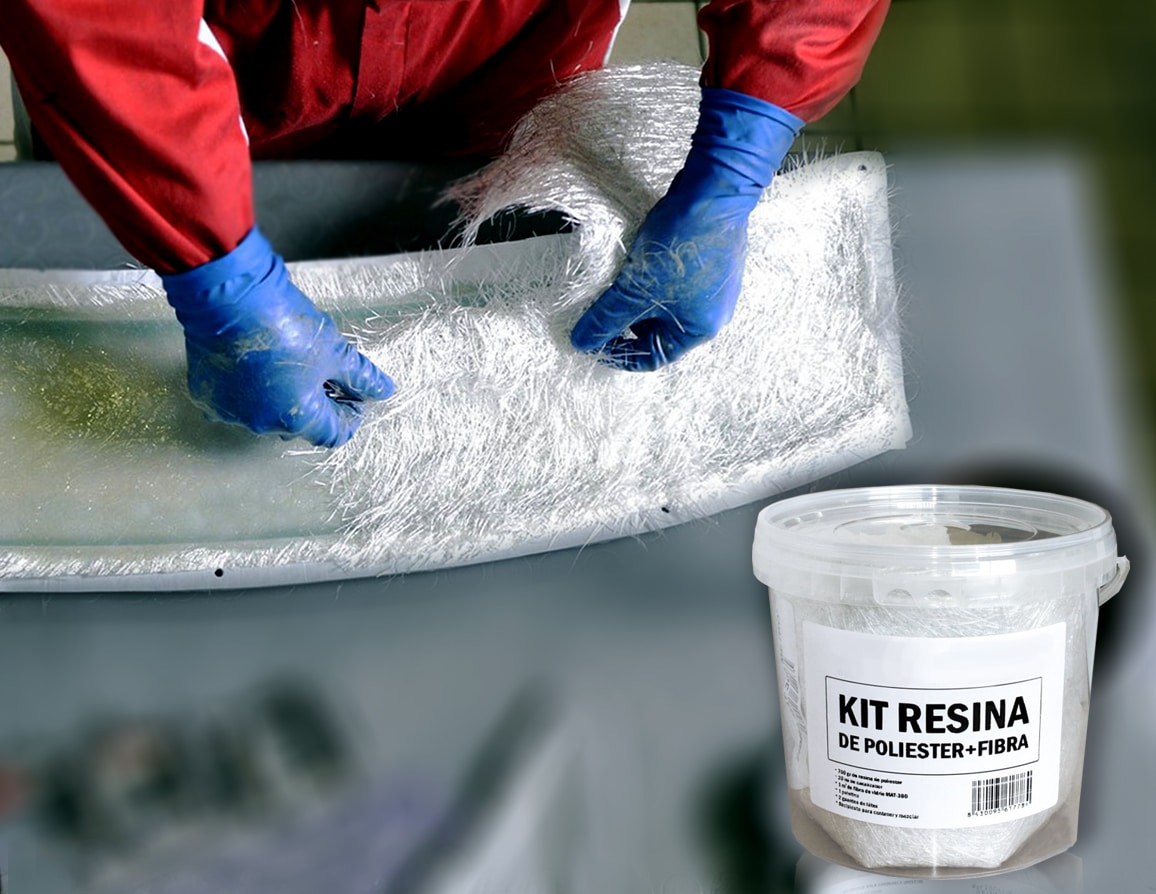
For thin, hairline cracks, deep pour resin is not always the best option. These products are designed for volume and may flow too readily, making them harder to control in fine fissures. If you’re dealing with fine or surface-level cracks, fibreglass-reinforced putties or standard repair kits—like the CROP 2K Fiberglass Putty or a complete polyester resin set—are often easier to apply and shape as needed.
Buying and Application Tips
- For deep or structural cracks, select a deep pour epoxy resin and follow manufacturer guidelines for mixing, pouring, and layer thickness.
- If the area is fine or shallow, use a crack-specific putty or repair kit for greater control and a seamless finish.
- Preparation is key—clean and roughen the area to ensure proper adhesion, and always work in suitable environmental conditions.
Related products
Related guides
Understanding the differences between deep pour and conventional repair options helps ensure your resin repairs last. For more advice on handling cracks and the best products to use, explore our main guide on what to do if the resin cracks.