 Free shipping on orders over £29,85
  Shipping Tracking!


 Google
 Facebook
How to apply resin on a car?
Step-by-step guide to protect and enhance automotive surfaces


Applying resin to your car can dramatically upgrade both its protection and appearance. Whether you aim for a durable barrier against the elements, need to repair panels, or want to showcase a high-gloss finish, the right process matters. This guide covers each stage, ensuring your resin work is both long-lasting and professional.

What You’ll Need
- Strong Technical Degreaser for Resin Projects – 100% Natural Formula – for cleaning surfaces pre-resin
- “Carbon Resin” – Epoxy Resin for Carbon Fiber & Fiberglass Coating – main coating resin
- Disposable gloves, mixing cups, suitable brushes/rollers, and protective eyewear
- Sandpaper (various grits, e.g. 400 to 1500) for smoothing cured resin
- “Epoxy Polish” – Epoxy Resin Polishing System – to finish to a deep gloss

See Surface Preparation in Action
Proper cleaning and surface prep are the foundation of every great resin application. Watch as debris and old stains are removed, setting up for a flawless resin coat.
Step 1: Prepare and Clean the Surface
Clean and degrease the car surface thoroughly before you begin. Start by washing the area with soap and water to remove dirt and debris. Dry with a clean microfibre towel.
Meticulous degreasing is vital. Use the Strong Technical Degreaser for Resin Projects – 100% Natural Formula to remove all traces of grease, oils, and contaminants—this prevents adhesion issues or blemishes in the resin layer. Allow the surface to air dry fully before proceeding.
Step 2: Sanding and Masking
Lightly sand the area to be coated using fine-grit sandpaper (typically 800–1000 grit for most automotive applications). This helps the resin grip and ensures a smooth, consistent application. Wipe away any sanding dust with a lint-free cloth.
Carefully mask off areas you do not want to cover with resin using quality automotive masking tape and film. Take particular care around trim, windows, and adjacent body panels to avoid accidental drips or overspray.
Step 3: Mix and Apply the Resin
Mix and apply resin evenly to your chosen area. Always read the resin’s instructions for precise mixing ratios. For most automotive coatings, “Carbon Resin” – Epoxy Resin for Carbon Fiber & Fiberglass Coating offers excellent clarity, impact resistance, and a strong, glossy finish.
Blend the resin and hardener completely, then pour into a fresh cup to ensure thorough mixing. Apply the resin smoothly with a brush or roller, working in even strokes to avoid streaks and bubbles. For larger or contoured surfaces, smaller sections may be easier to manage. Avoid over-brushing; let the resin self-level for a glass-smooth surface.
Step 4: Curing, Sanding, and Polishing
Allow proper curing before sanding or polishing. Keep dust and debris away while the resin cures—this typically takes 24–48 hours at room temperature. Never rush this step for best durability and appearance.
Once cured, light sanding with progressively finer grits (e.g. 1000, 1200, then 1500) will smooth any small imperfections. Wipe clean and dry. For a show-car shine, use the “Epoxy Polish” – Epoxy Resin Polishing System, ideally with a rotary polisher or polishing pad, as per instructions. This will remove micro-scratches and deliver a flawless, mirror-like gloss.
Tips and Troubleshooting
Polish the resin layer for a flawless, glossy finish. Always work in a well-ventilated, dust-free environment to avoid contamination. Do not overwork the resin; allow it to level itself. If air bubbles appear, pass a heat gun or torch lightly over the wet resin—not too close, to prevent burning the surface.
Test products on a small area first, especially on coloured or sensitive car panels. Ensure you wear gloves and eye protection throughout the process. If you notice milky spots or poor adhesion, check for leftover contamination or insufficient mixing. Address these before re-coating.
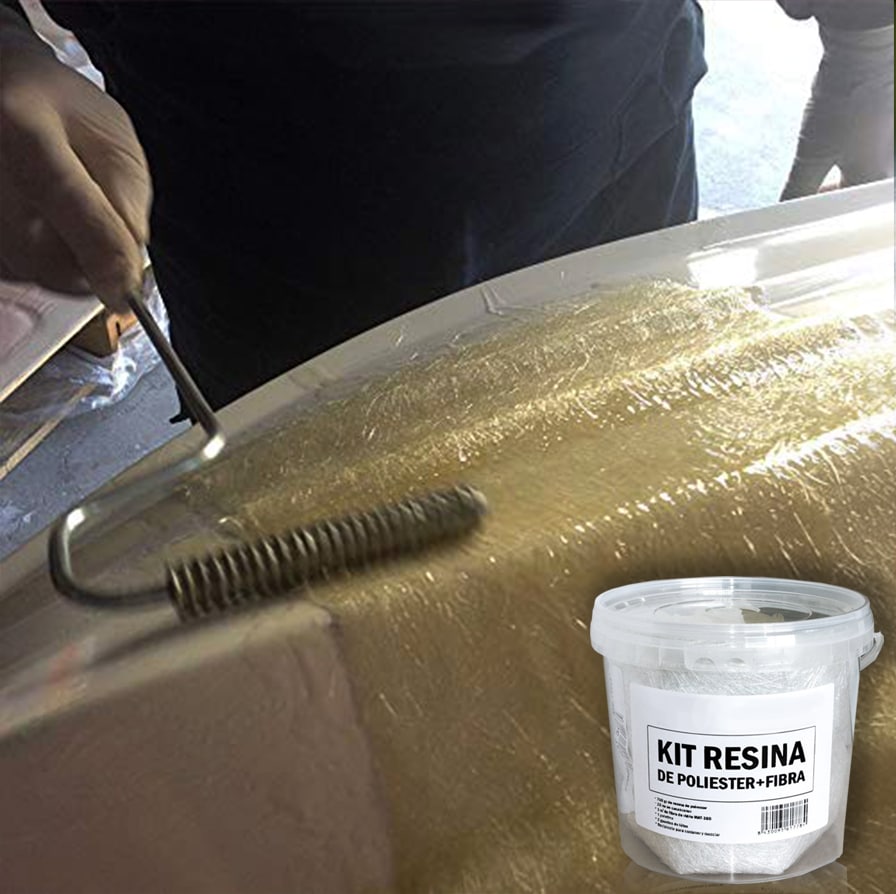
Brilliant Car Resin Finishes
From first coat to final polish, every step matters. Explore close-ups of cured, polished resin layers, highlighting the depth and clarity you can achieve.

- "Carbon Resin" – Epoxy Resin for Carbon Fiber & Fiberglass CoatingPrice range: £19.95 through £37.95Epoxy resin designed for carbon fibre and fibreglass projects offering durable, bubble-free impregnation and a glossy finish.
- Resin Fibreglass Repair Kit – Complete Polyester Resin and Hardener SetA complete polyester resin and fibreglass kit designed for repairs on boats, cars, pools, and rigid materials suited to the resin application theme.
 Strong Technical Degreaser for Resin Projects – 100% Natural FormulaOriginal price was: £10.95.£9.45Current price is: £9.45.Strong Technical Degreaser cleans epoxy resin surfaces and various materials gently using a 100% natural formula.
 "Epoxy Polish" – Epoxy Resin Polishing SystemPrice range: £18.95 through £47.45"Epoxy Polish" is a resin polishing system designed for professionals and hobbyists to achieve a mirror-like finish with ease and no swirl marks.
Frequently Asked Questions
Can I apply resin over existing paint on my car?
Yes, as long as the paint is fully cured, clean, and lightly sanded to improve adhesion.
What environment is best for applying resin to a car?
Choose a dry, dust-free, and well-ventilated area with stable, moderate temperature for optimal results.
How long should resin cure before using my car?
Allow at least 48 hours of curing before regular use. Full chemical resistance may develop over several days.
Can resin repair deep scratches or dents on a car?
While resin fills minor imperfections, deeper dents may require body filler or professional repair before application.
Is sanding always required before applying resin to a car?
Yes, sanding ensures proper adhesion and prevents peeling or delamination.
Can I use any polish to buff cured resin?
For best clarity, use a dedicated resin polish such as an epoxy resin polishing system.