 Free shipping on orders over £29,85
  Shipping Tracking!


 Google
 Facebook
← Back to How to choose a floor resin?
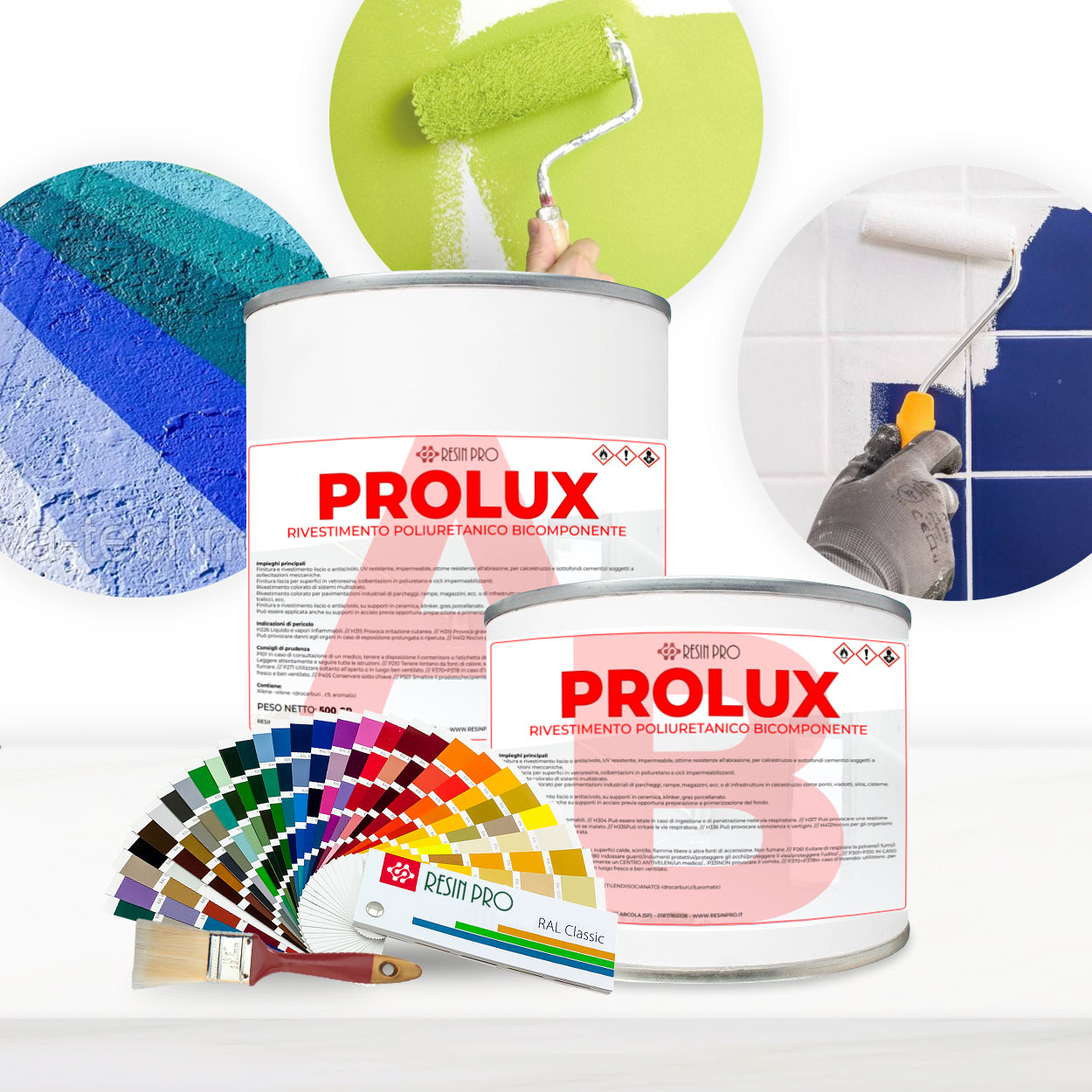
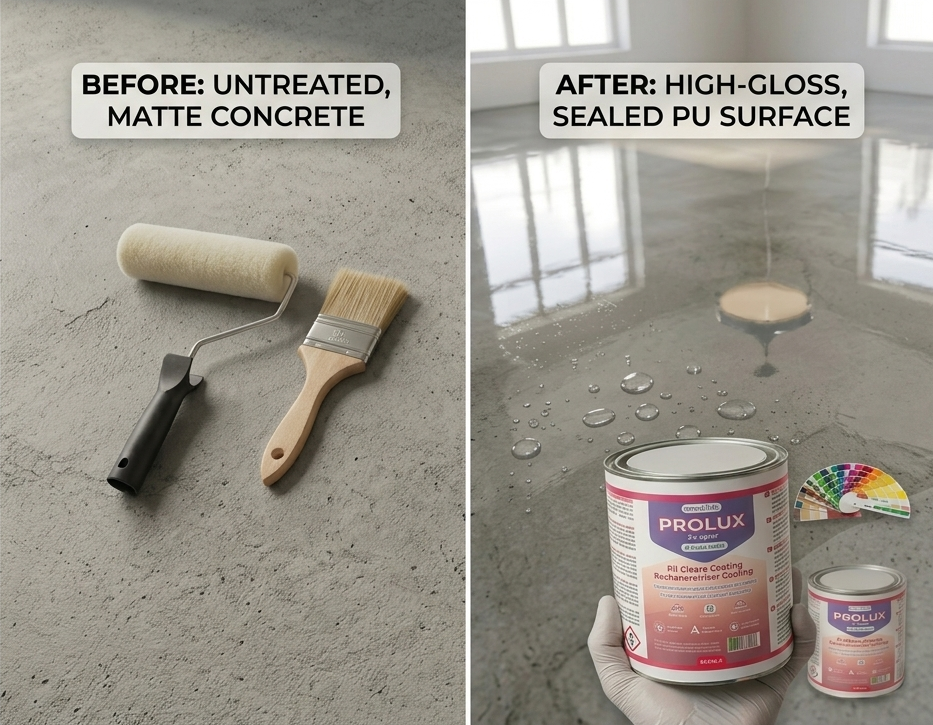
Choosing the right floor resin—be it PU (polyurethane), methacrylic or epoxy—depends on your flooring needs, type of substrate, and expected conditions. Understanding the strengths of each type will help you achieve a floor that is both attractive and long-lasting.
Assessing Your Floor’s Requirements
The decision begins with assessing your floor’s surface material, level of foot or vehicle traffic, exposure to moisture, and need for breathability or decorative effects. For example, garages, driveways, patios, and industrial settings may each present different challenges, such as the need for abrasion resistance or moisture management. Think about whether you require a completely sealed surface or a system that allows some permeability (especially outdoors).
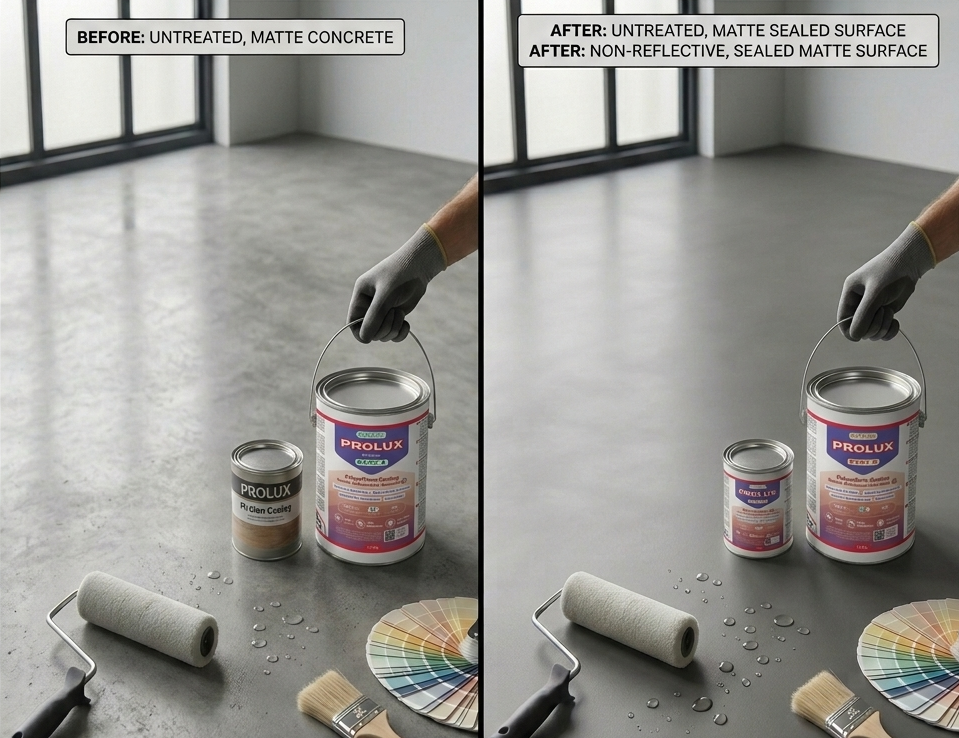
Understanding the Resin Options
- PU (Polyurethane): Robust and flexible, PU coatings like Prolux handle vehicle and foot traffic, resist weathering, and are a solid choice for damp or exposed areas. They’re suitable for various substrates, including concrete and ceramics, and can be tailored for anti-slip or decorative finishes.
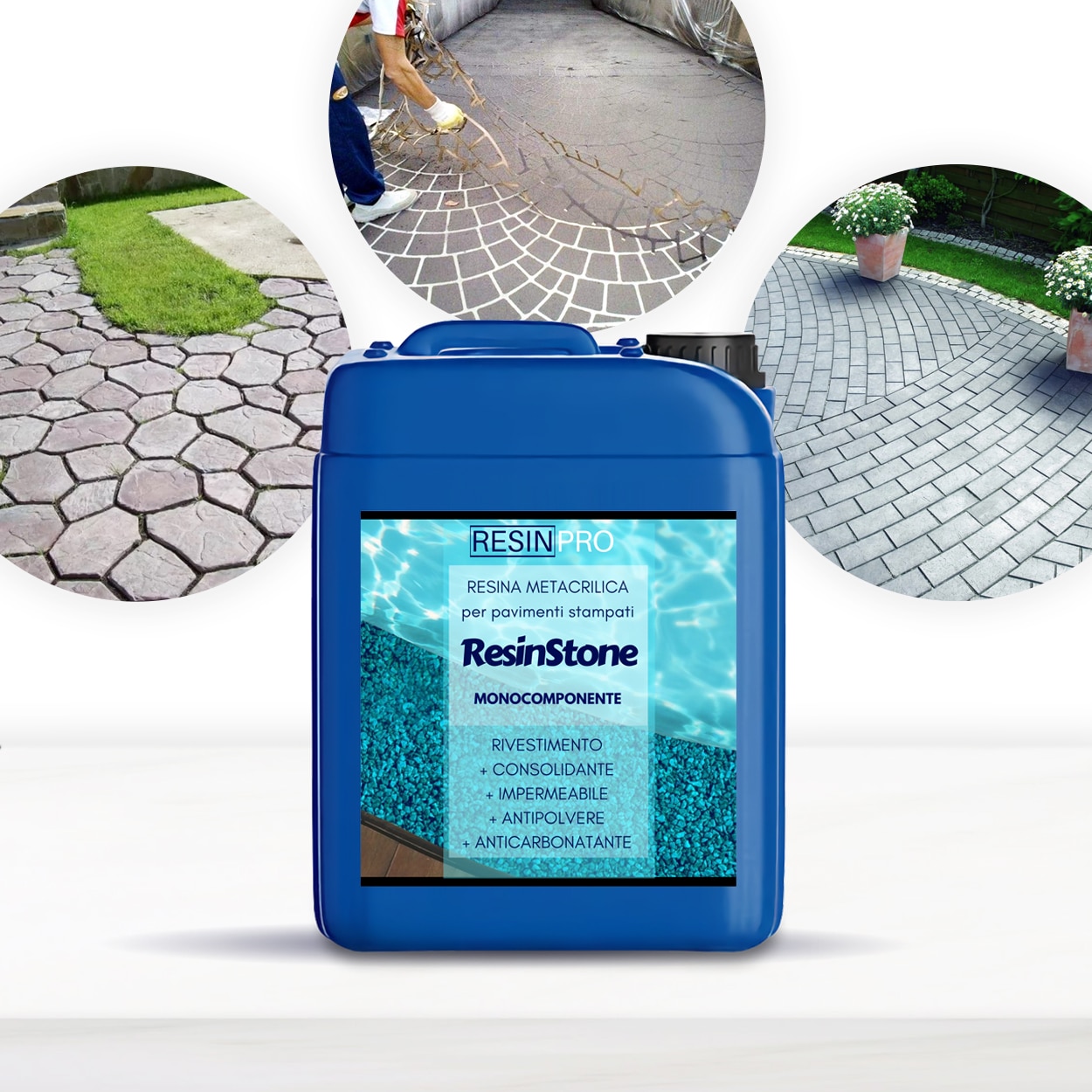
- Methacrylic: These provide deep penetration and long-lasting protection, especially on concrete. Fast-drying and breathable, options like Resinstone excel on surfaces needing moisture protection and mechanical strength while remaining somewhat vapour-permeable.
- Epoxy: Epoxy resins deliver a seamless, decorative finish and excellent mechanical resistance, commonly used for colourful decorative aggregates or pebble flooring. Products such as Trasparente epoxy binder are ideal for vibrant, UV-stable outdoor decorative floors.
Practical Selection Tips
- For high-traffic or heavy mechanical wear, PU or specialist epoxies offer maximum durability.
- If your floor is concrete and you value breathability or rapid project turnaround, methacrylic resins are an efficient solution.
- For creative, permeable or decorative surfaces, prioritise UV-resistant epoxies or the correct binder for your chosen aggregate.
- Always prepare your surface correctly and choose the resin compatible with your substrate for best results.

When This Matters
Your choice is vital when longevity, safety, or aesthetics are top priorities—for example, in garages, driveways, commercial spaces or paths exposed to rain or sun. The right resin also ensures you meet functional demands, such as wanting a non-slip finish, a vibrant decorative effect, or protection against regular moisture.
Related products
Related guides
Each resin type has unique strengths suited to particular flooring challenges. Careful selection will ensure your surface performs and looks its best. For more on floor resin options and making the right choice, see our full guide on how to choose a floor resin.