 Free shipping on orders over £29,85
  Shipping Tracking!


 Google
 Facebook
← Back to How do you coat a table with resin?
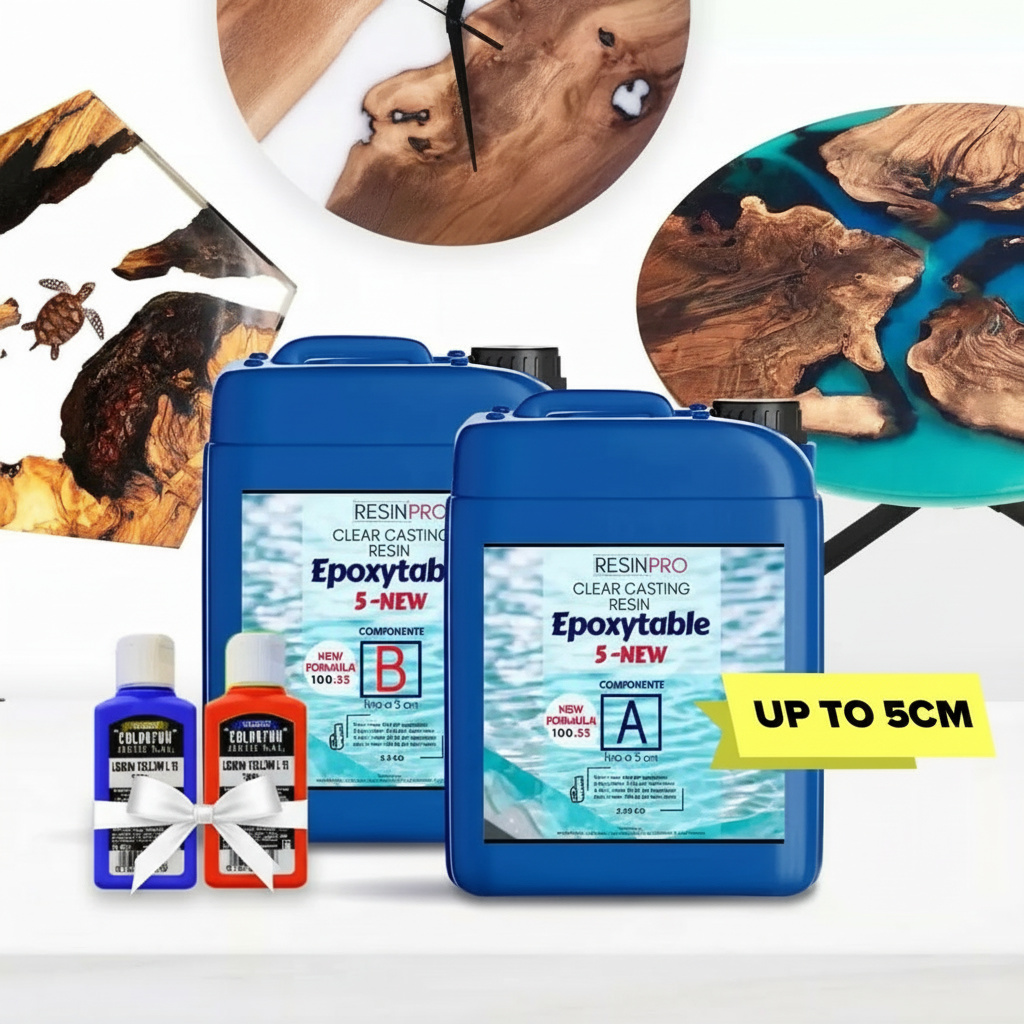

When it comes to coating a table with resin, many crafters and DIYers ask whether to pour their epoxy in one go or build it up in layers. If you aren’t sure about the process, taking the thin pour approach is often the safest and most reliable way to achieve a smooth, bubble-free and durable surface.
The Benefits of Thin Pours
Pouring resin in thin layers, typically no more than a few centimetres at a time, minimises the risk of trapping air bubbles and reduces the chance of overheating. This steady approach helps each layer cure thoroughly and allows for corrections if any issues like unevenness or debris arise. For most beginners or when pouring over embedded objects, thin pours are more forgiving and easier to manage than a single thick pour.
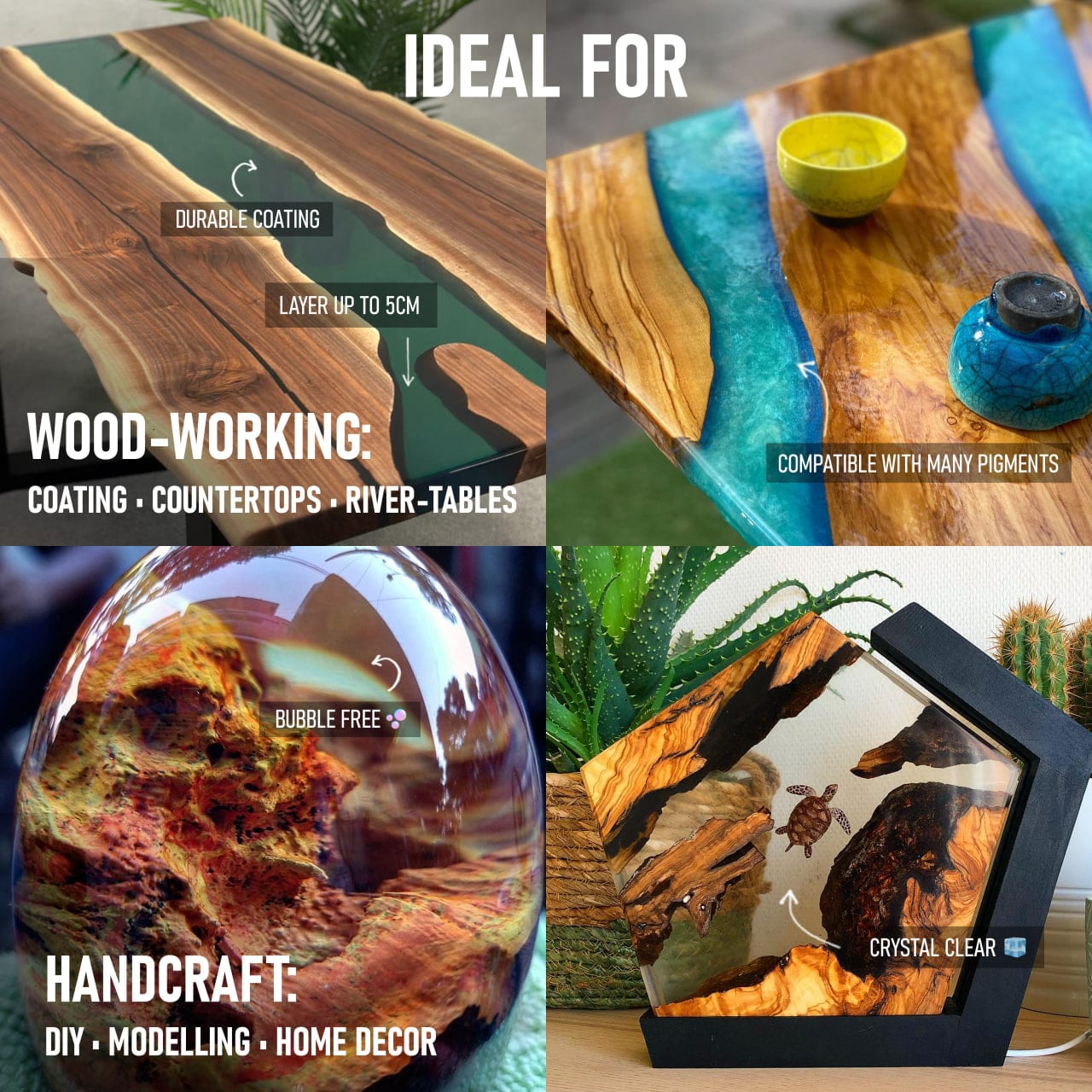
Layering Technique for Table Projects
Begin with a thin initial coat – sometimes referred to as a seal coat – and allow it to cure fully (usually 20 to 24 hours). If you wish to embed objects or add pigments, place them after the first layer has set before pouring the next layer. Repeat the process, building up to your desired thickness, but ensure each pour cures before adding the next. This method helps you avoid unwanted rush or surprises mid-project.
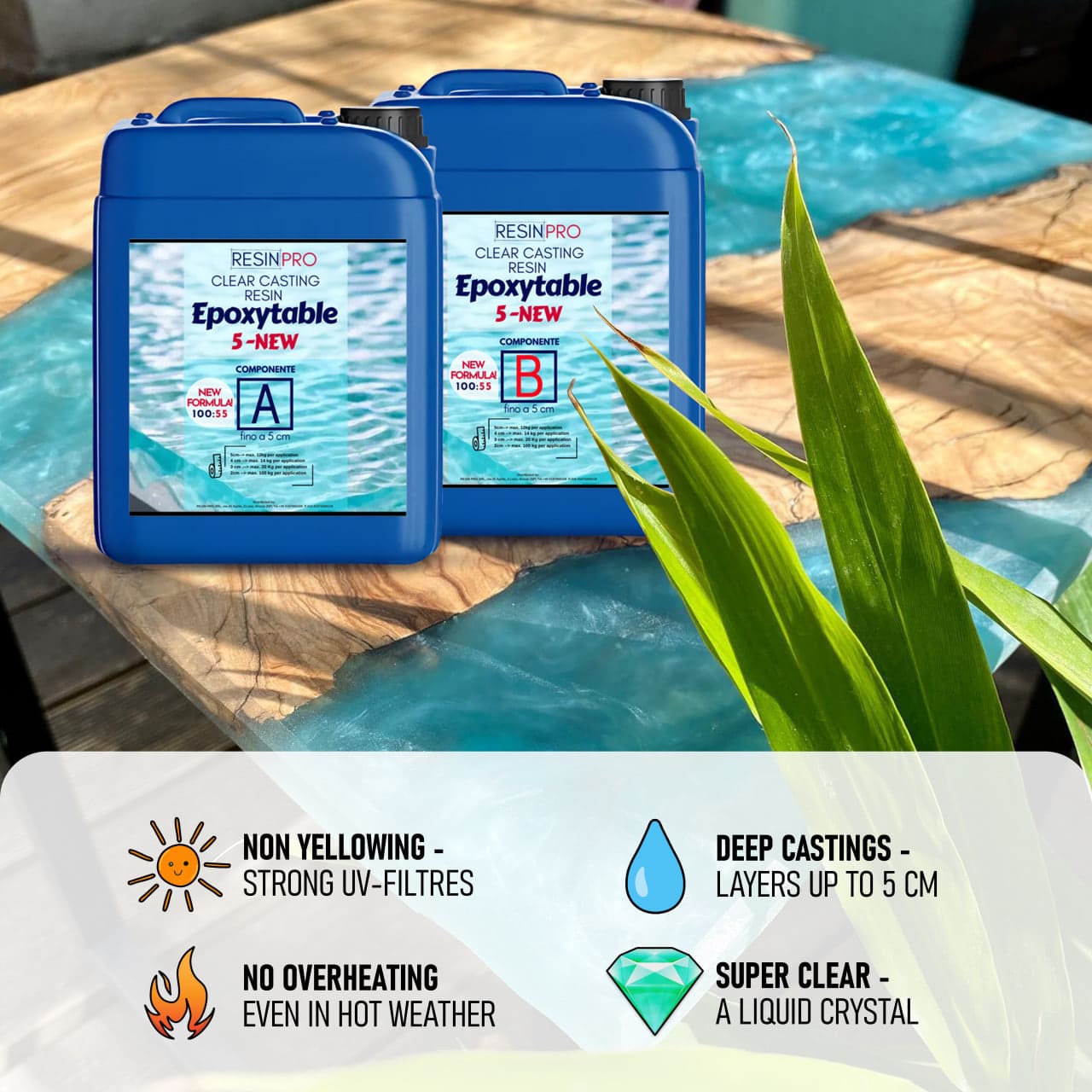
Products such as EpoxyTable 5-Five and the comprehensive “River-Table” kit are ideal for this approach, supporting both thin and medium-depth pours for table surfaces.
When Working in Thin Pours Matters Most
- If you’re new to resin or working on your first table project
- Whenever embedding items within the table to avoid bubble entrapment
- When the project requires precise, controlled results without risk of resin overheating

Related products
Related guides
Choosing to work in thin, manageable pours ensures better results and less stress, especially for those learning table resin techniques. To explore more detailed guidance and recommended products, visit the main guide: How do you coat a table with resin?.