 Free shipping on orders over £29,85
  Shipping Tracking!


 Google
 Facebook
← Back to How do you make putty without silicone?
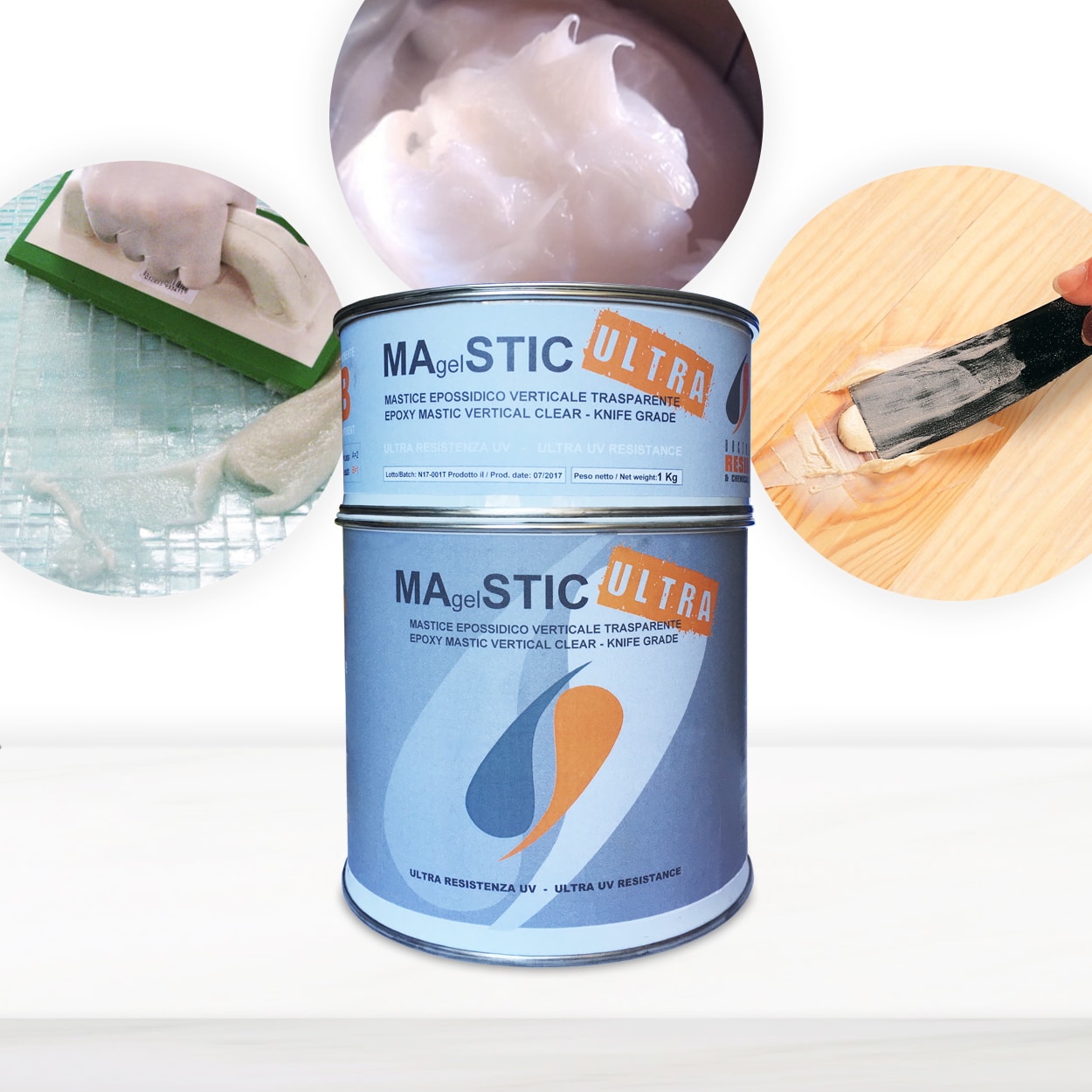
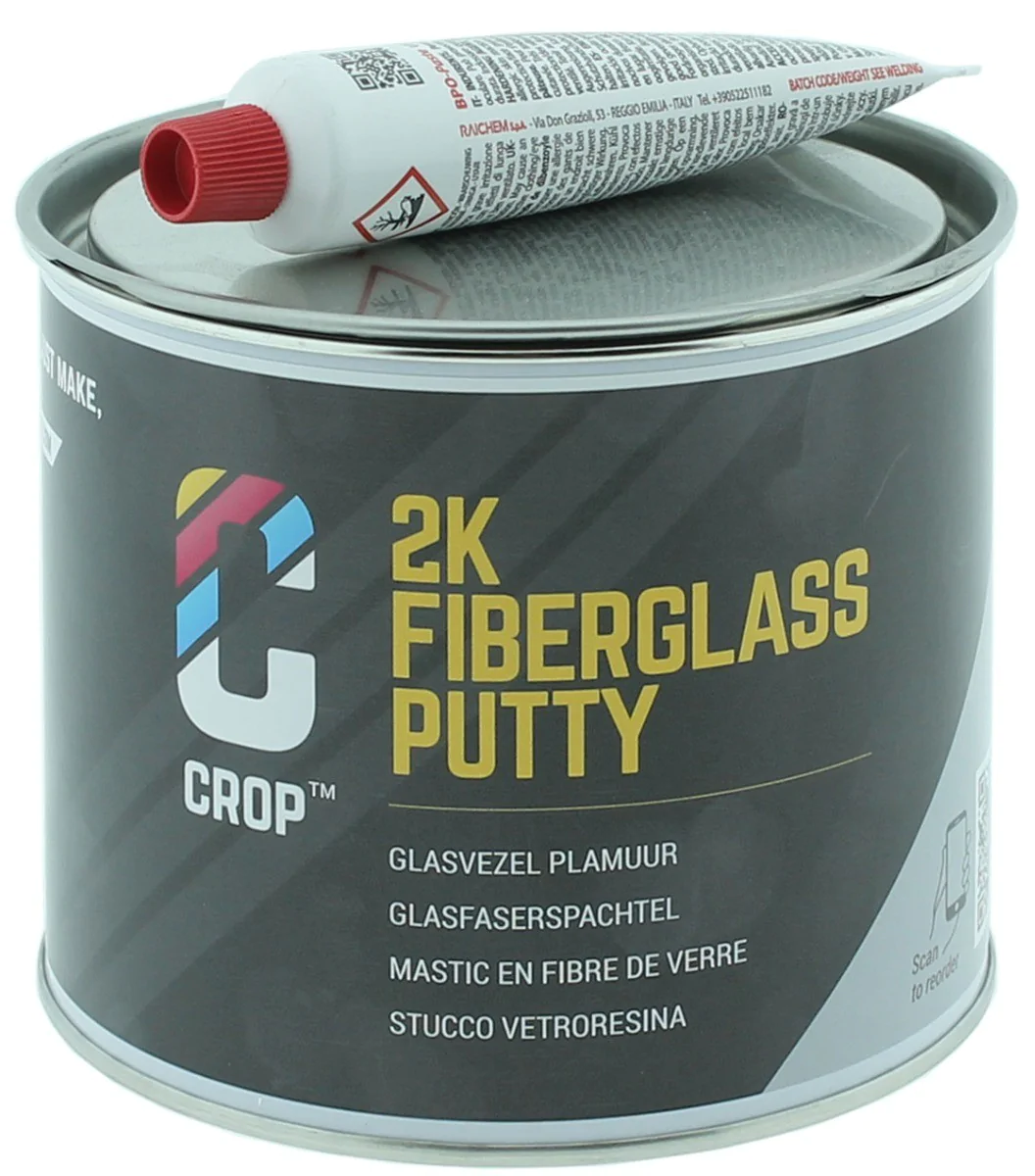
Epoxy putties are known for their versatility and are widely used for repair jobs indoors and out. If you’re considering outdoor use, it’s essential to understand how epoxy putty stands up to the elements and when it’s most effective for exterior projects.
Weather and UV Resistance
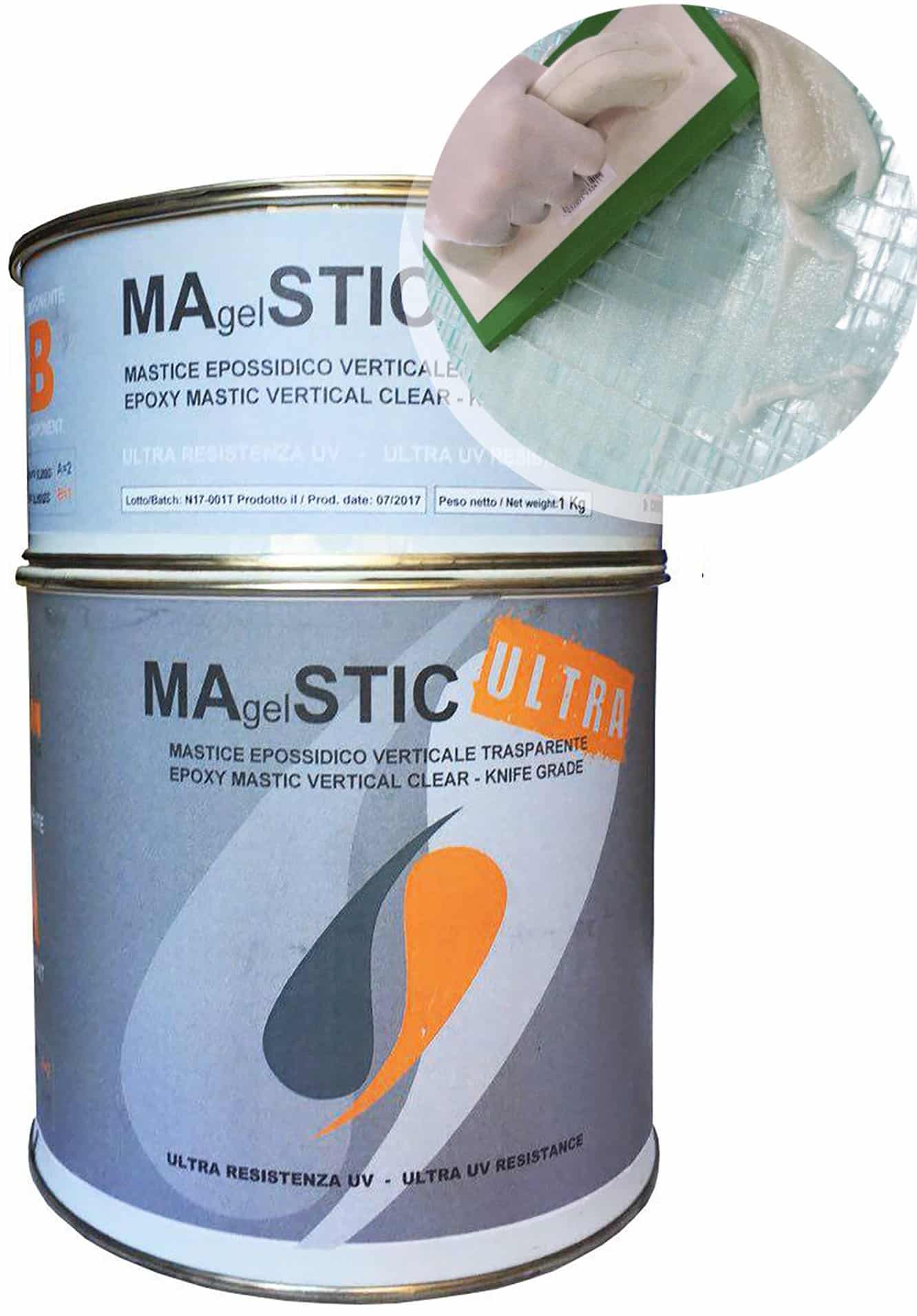
Many modern epoxy mastic products, such as Magelstick Epoxy Mastic, are formulated to withstand exposure to weather and sunlight. These putties offer good resistance to moisture, rain, and temperature changes, making them suitable for a range of exterior repairs. UV resistance provides further protection against sun-induced deterioration, helping maintain bond integrity and finish on exposed surfaces.
Choosing the Right Epoxy Putty for Outdoor Projects
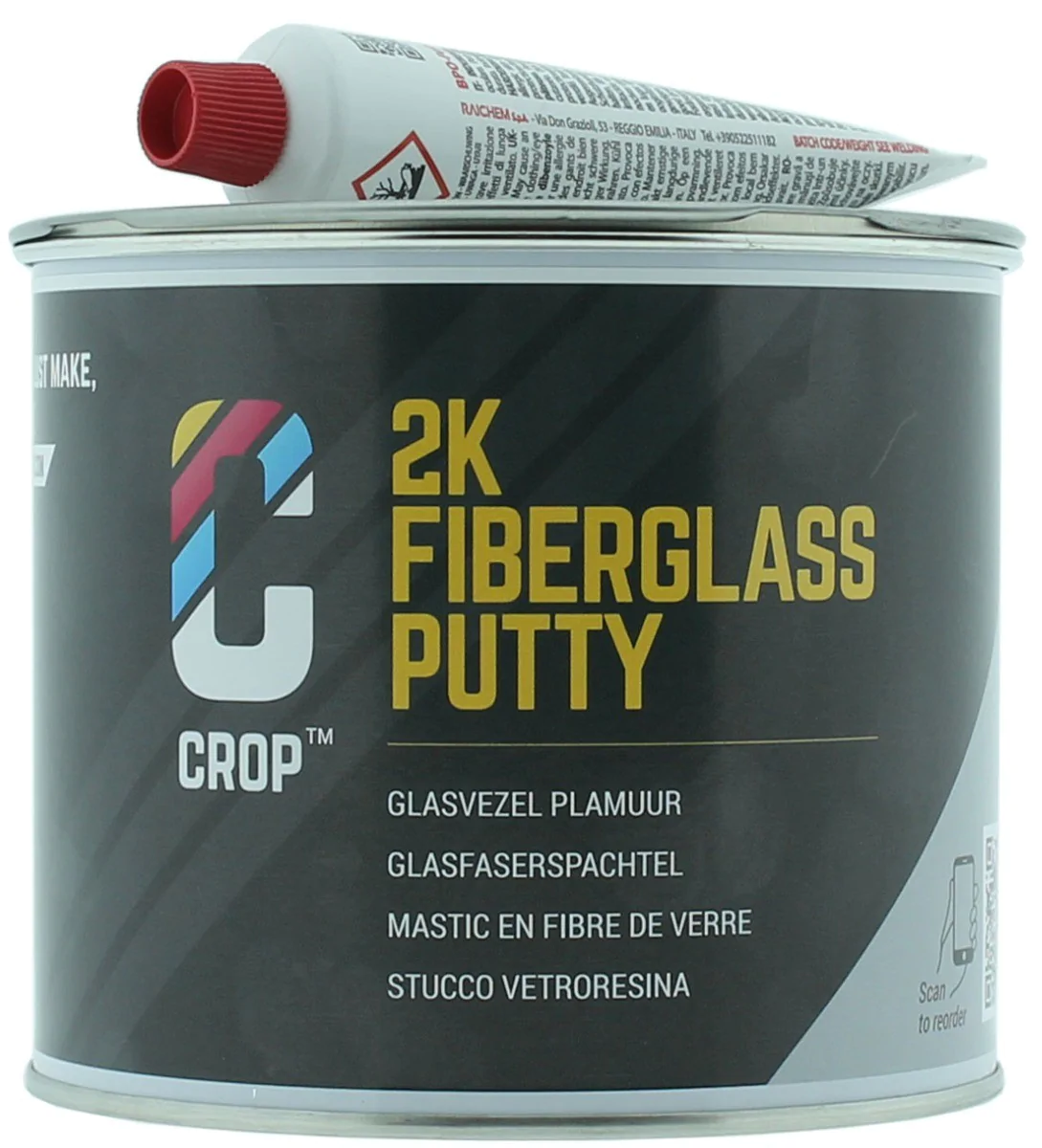
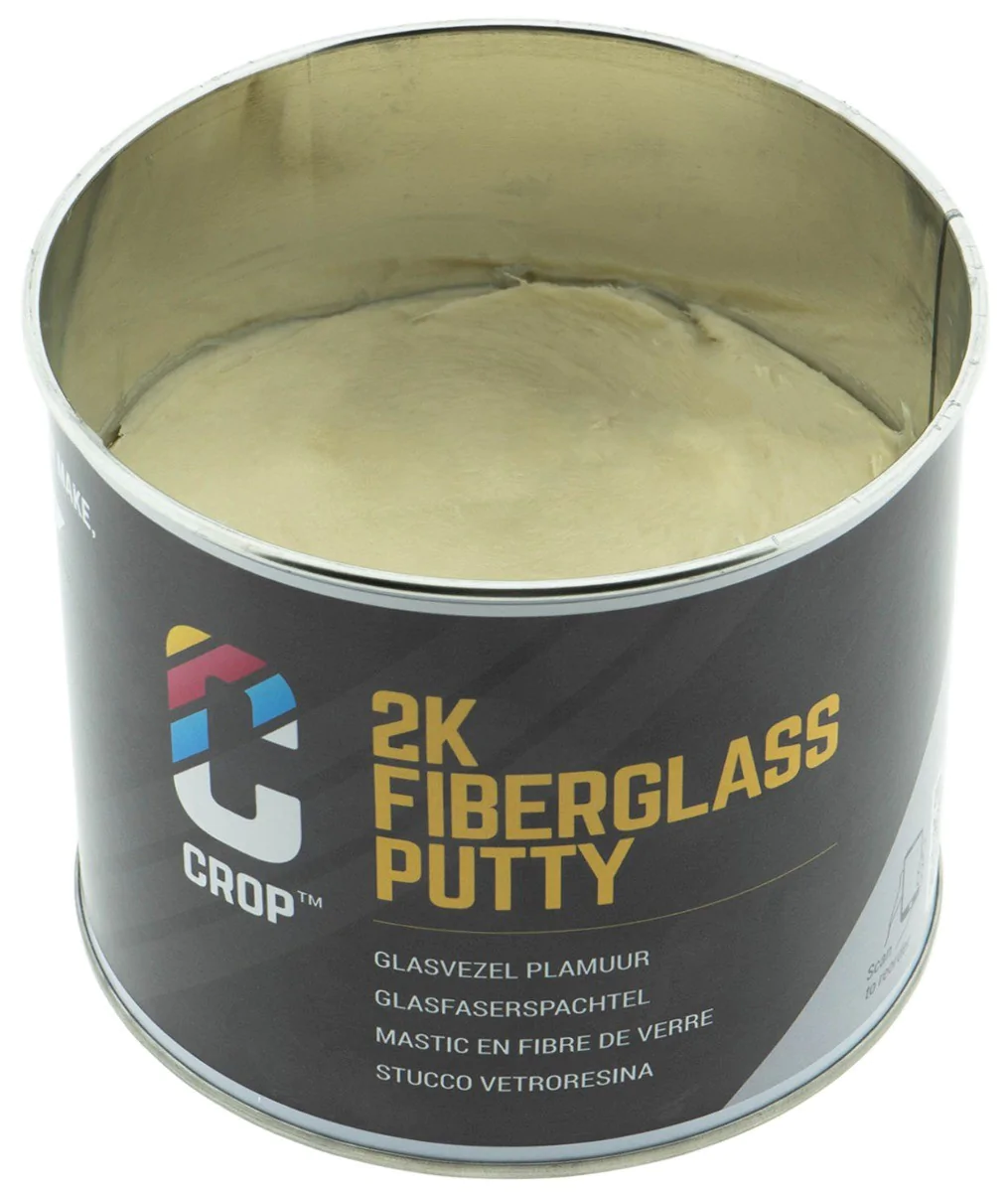
Selecting the correct product depends on your surface and project goals. For stone, metal, or concrete, a thixotropic epoxy mastic ensures reliable bonding and gap filling without running, even on vertical or overhead surfaces. For timber repairs, dedicated wood restoration resins like EpoxyWood are designed to seal, reinforce, and waterproof outdoor wooden structures. Always prepare surfaces well, work above the minimum application temperature, and allow full curing before exposure to severe weather.
When Outdoor Epoxy Use Matters Most
- Repairing stone, granite, or cement fixtures exposed to the elements
- Restoring external woodwork such as garden furniture or decking
- Bonding or filling in areas where long-term weather resistance is required
Related products
Related guides
With the right selection and application, epoxy putties make durable, weather-resistant solutions for outdoor repairs, helping you achieve lasting results without relying on silicone. Explore more effective putty solutions on our main guide to making putty without silicone.