 Free shipping on orders over £29,85
  Shipping Tracking!


 Google
 Facebook
← Back to How do you make putty without silicone?
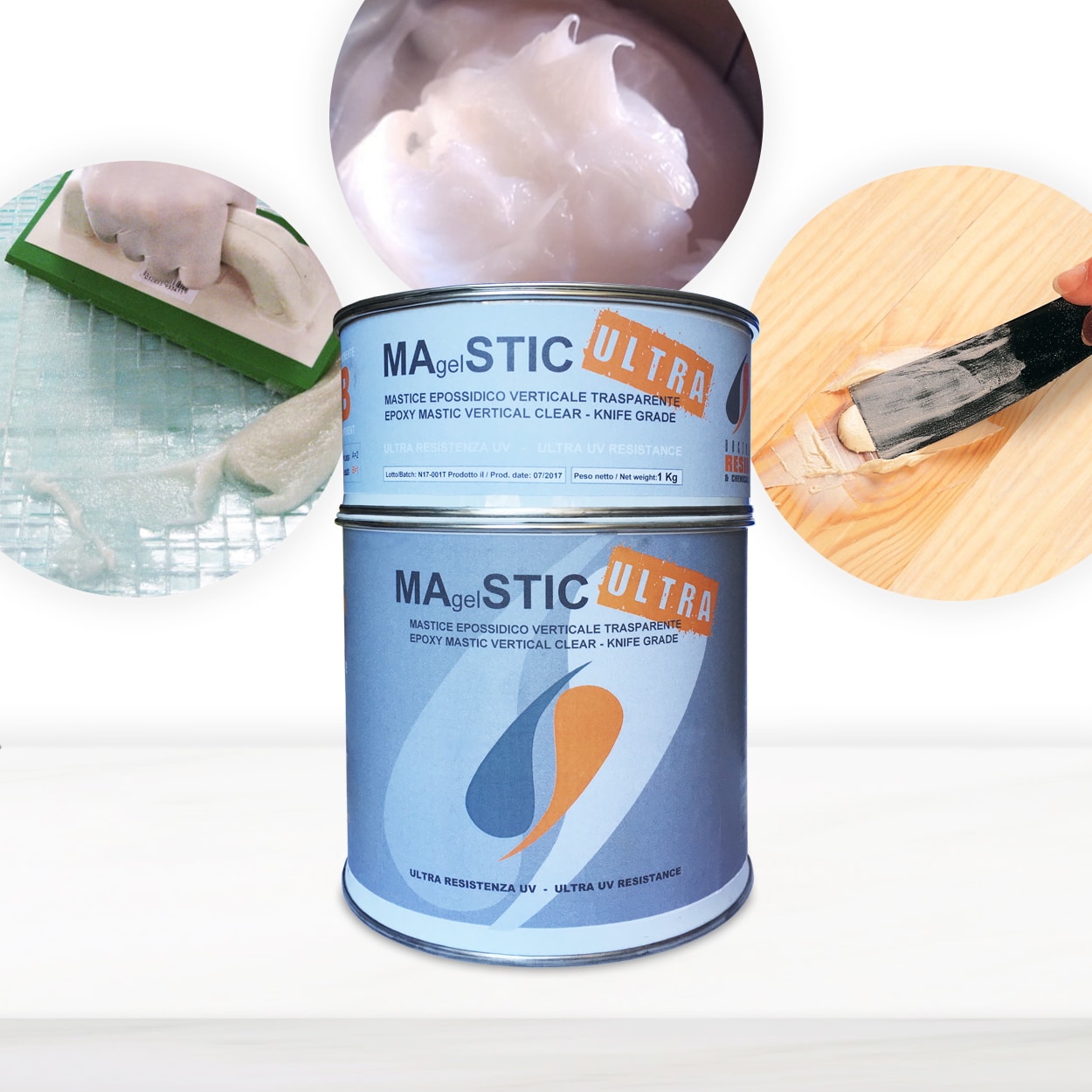
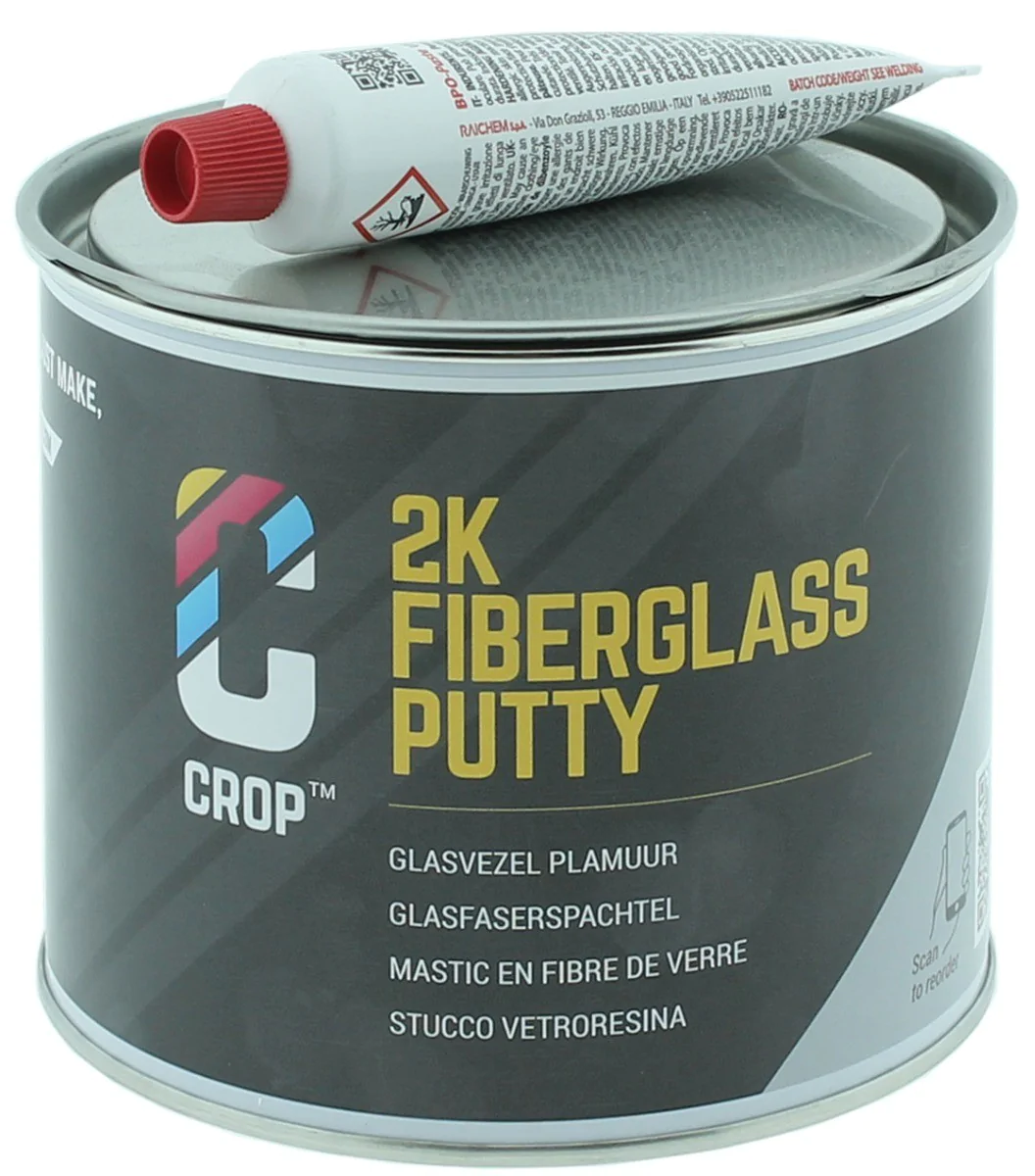
Choosing between epoxy and polyester putty can make a real difference in the outcome of your repair or restoration project. Each has unique properties suited to specific tasks and materials.
Essential Properties of Epoxy and Polyester Putty
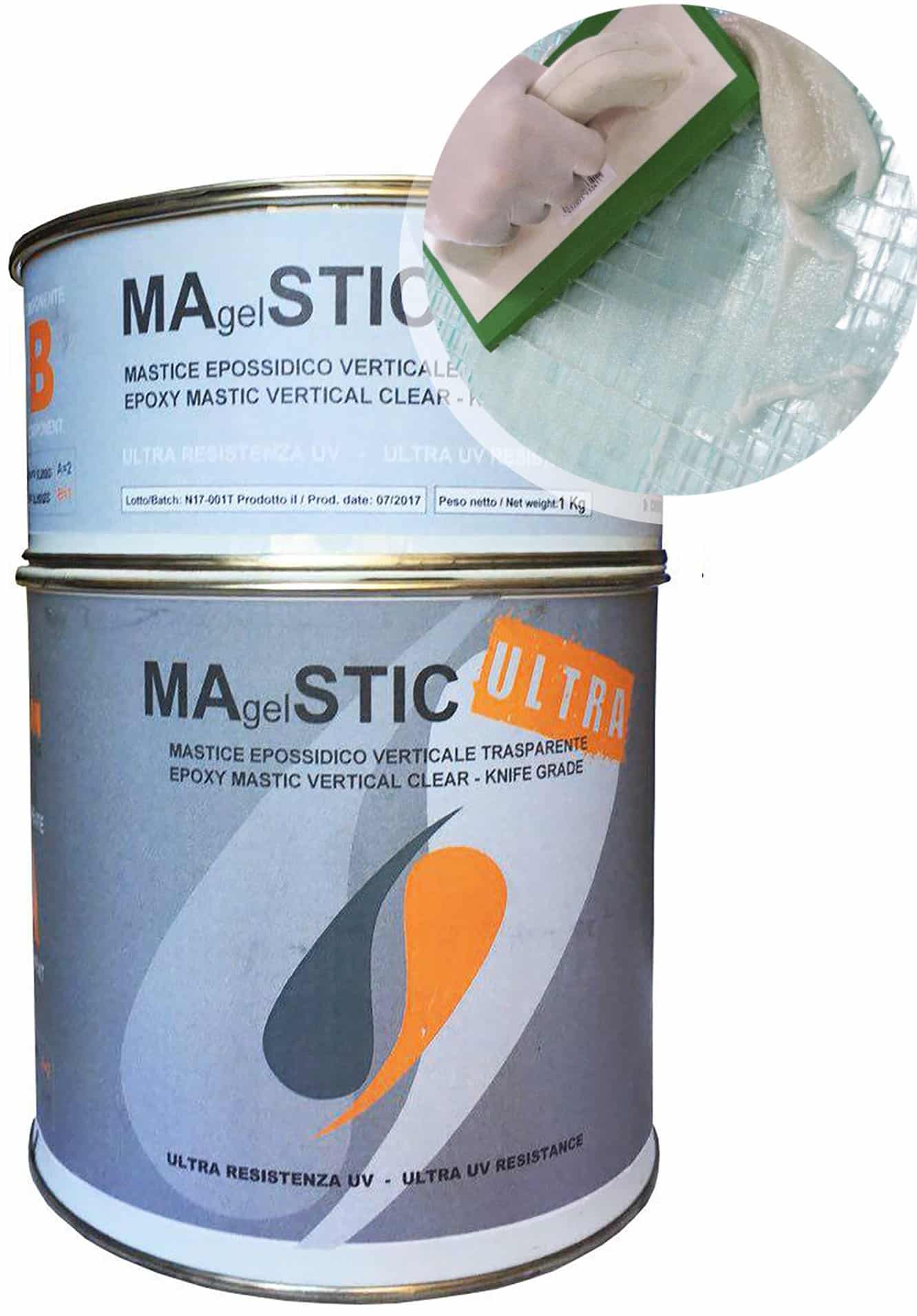
Epoxy putty is valued for its superb adhesion and exceptional resistance to chemicals, water, and weathering. It is ideal where mechanical strength and durability are paramount, such as bonding stone, metal, or cement. Magelstick Epoxy Mastic demonstrates how epoxy can be used effectively on both indoor and outdoor surfaces, offering lasting repairs and minimal shrinkage.
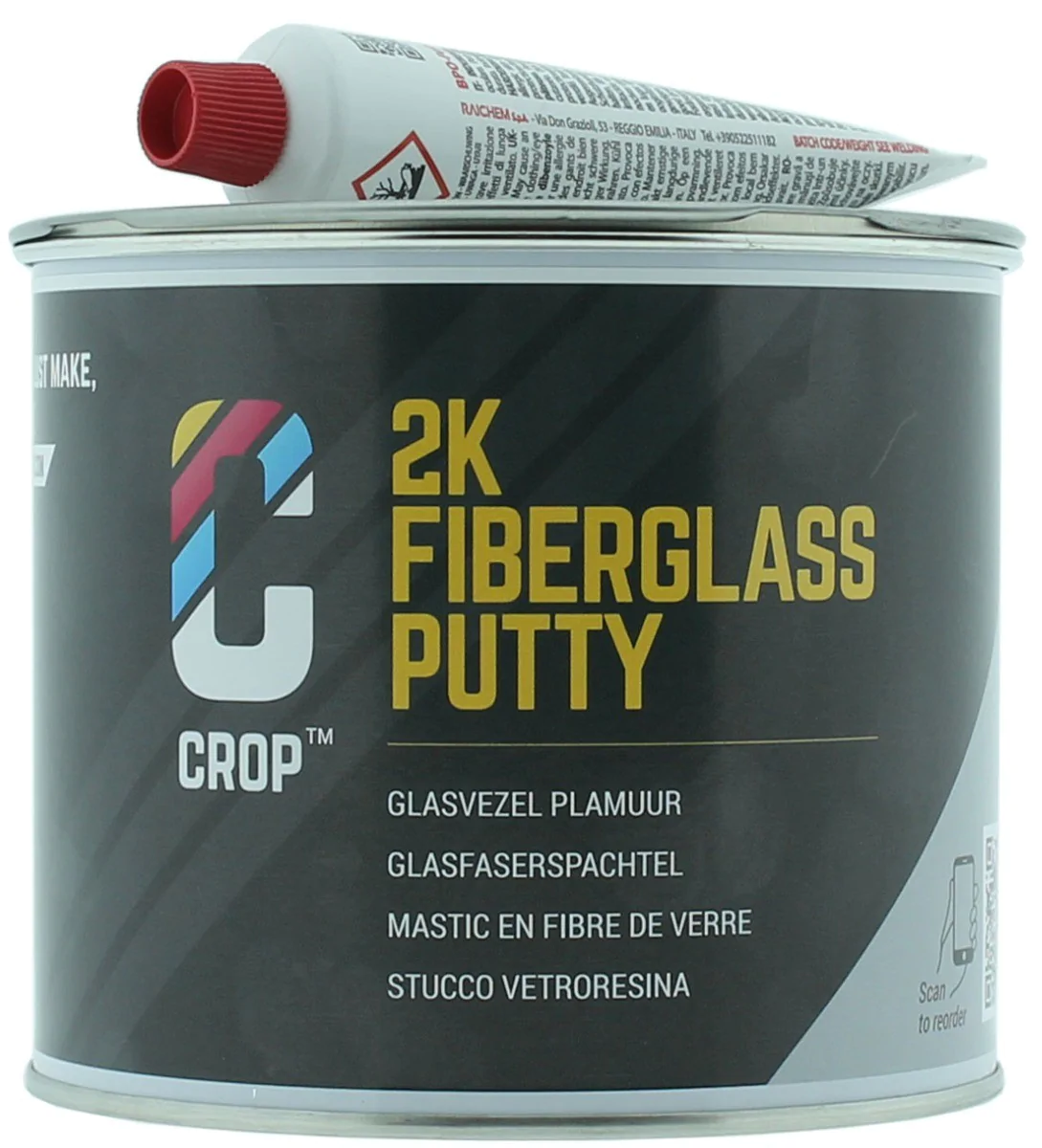
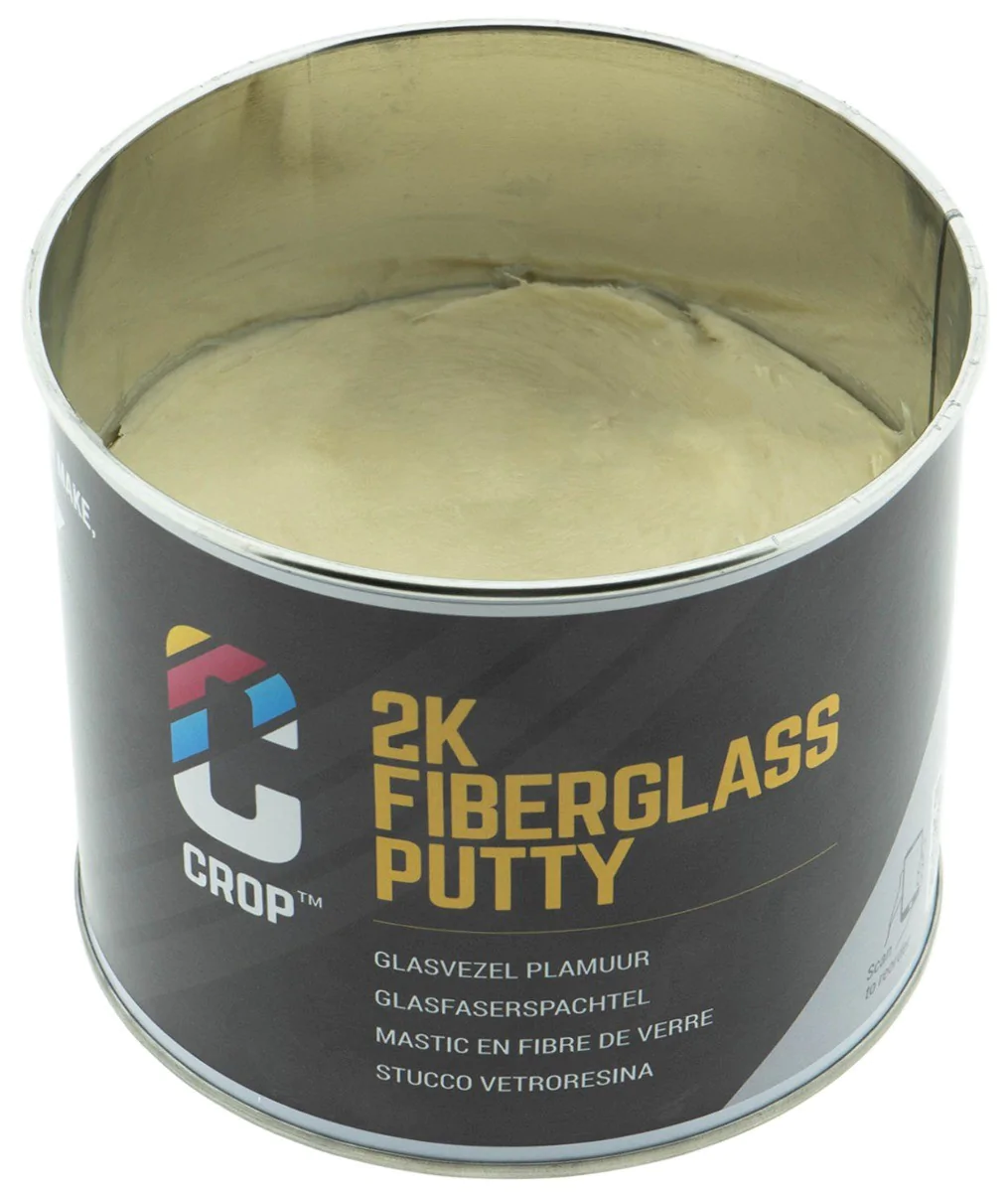
Polyester putty, like the CROP 2K Fiberglass Putty, excels in ease of sanding and can be applied in thicker layers, making it a practical option for filling deep dents, cracks, or shaping surfaces prior to priming and painting. Polyester putties cure quickly and are especially popular in automotive bodywork repairs thanks to the simple finishing process.
Practical Guidance on Choosing and Using Putty
If your priority is bonding strength and resistance to environmental stress, epoxy putty is generally the preferred choice. It’s perfect for surfaces that will be exposed to moisture, chemicals, or outdoor conditions. For ease of shaping or filling larger imperfections, polyester putty lets you build up thick, sandable layers rapidly, though it’s generally more suited to interior use or stable environments.
- For metal and stone repairs requiring strong, lasting adhesion, opt for a two-component epoxy mastic.
- For car bodywork or fibreglass patches, a fibreglass-reinforced polyester putty is efficient and easy to sand to a smooth finish.
- Always prepare your surface thoroughly and follow the manufacturer’s mixing ratios and application advice.
When This Matters Most
The difference between epoxy and polyester putty is particularly significant when durability and environmental resistance are needed. For repairs exposed to the elements, continual moisture, or substantial mechanical stress, epoxy stands out. Conversely, for bulk filling, quicker preparation, or areas where sanding to a fine finish is required, polyester putty is often favoured.
Related products
Related guides
Understanding when to choose epoxy or polyester putty ensures your project stands the test of time. For more guidance on making putty without silicone and other material options, explore the insights on our parent guide.