 Free shipping on orders over £29,85
  Shipping Tracking!


 Google
 Facebook
How to clean rough resin flooring?
Step-by-step guide to achieving a spotless resin floor

Maintaining a clean and smooth resin floor is essential for appearance, safety, and long-term durability. This guide walks you through practical steps to clean rough resin flooring, remove embedded dirt, and restore its original finish, whether you are a DIY enthusiast or a facilities manager. Achieving a spotless, rejuvenated floor is straightforward with the right tools and methods.
What You’ll Need
- Strong Technical Degreaser for Resin Projects – 100% Natural Formula – for gentle removal of grease and residues.
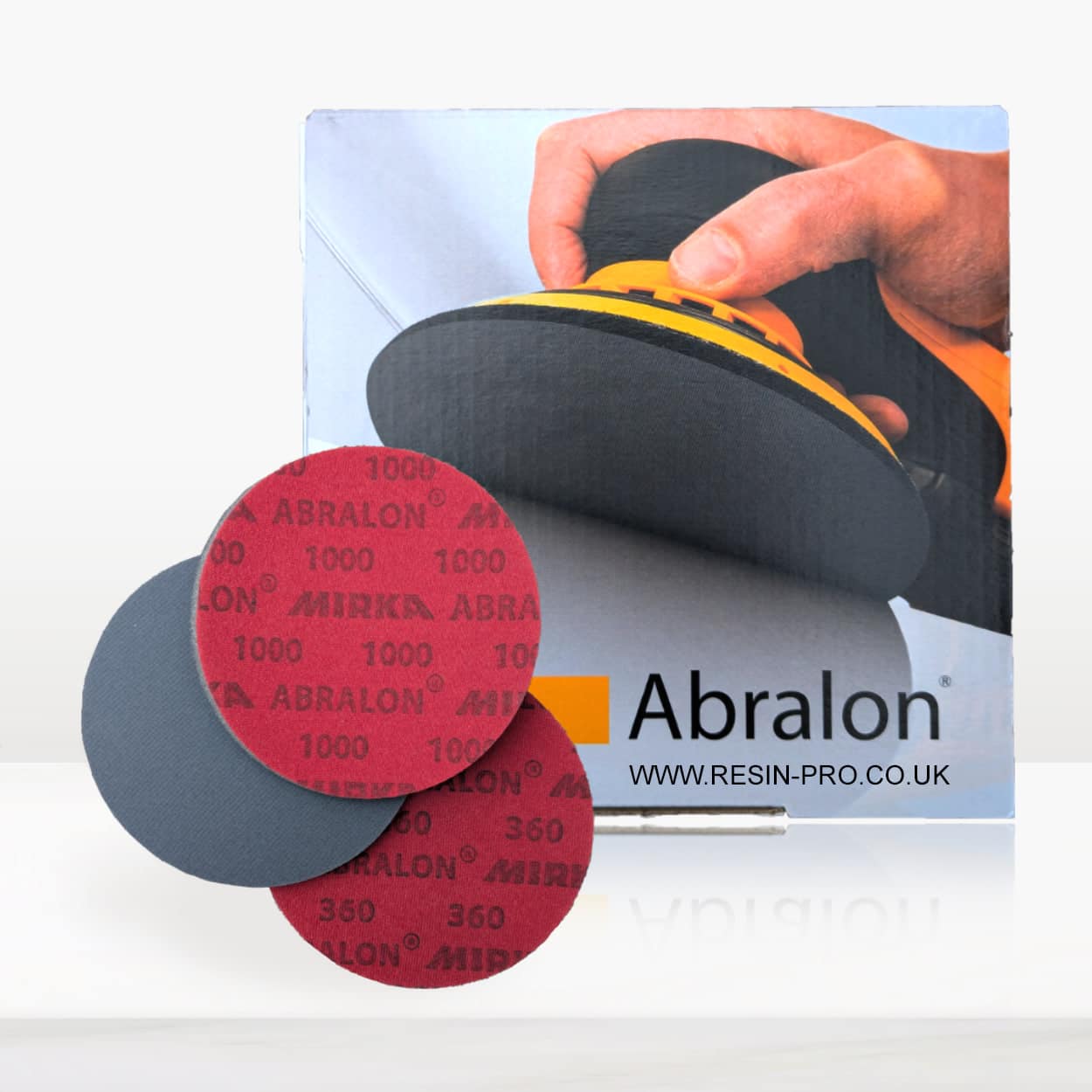
- “Ebonite Abralon” – Sanding Pads 360-4000 Grit for Resin and Wood – to smooth or refinish overly rough surfaces.
- Pure Isopropyl Alcohol 99.9% – 1000ml Bottle for Epoxy Resin Projects & DIY – for deep cleaning and residue removal.
- “Epoxy Polish” – Epoxy Resin Polishing System – if a glossy, professional-grade finish is desired post-cleaning.
- Soft microfibre cloths and buckets of clean water
- Rotary or hand polisher (optional, for best results on large areas)
- Personal protective equipment (gloves, goggles)
Essential Tools in Action
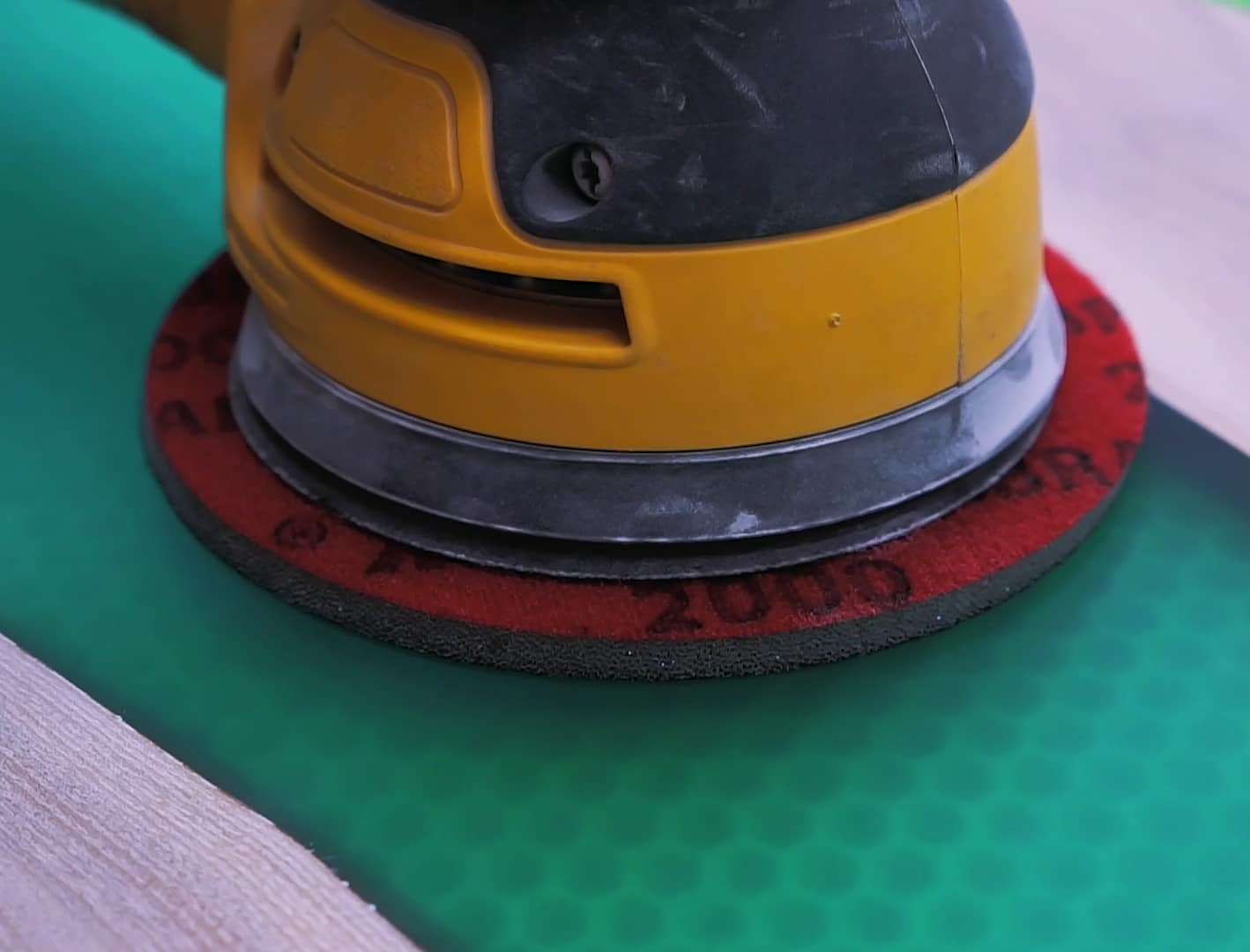
See the difference proper products make. Degreasing agents lift away contaminants, while Ebonite Abralon sanding pads and polishing kits transform rough resin into a smooth, attractive surface.
Step 1: Prepare the Area and Assess the Floor
Begin by removing all furniture and obstructions from the resin floor, ensuring the entire surface is easily accessible. Sweep or vacuum to eliminate loose debris and grit, as these particles can scratch the resin during cleaning. Examine the floor for any concentrated stains or areas of heavy grime; these will need extra attention. Wear personal protective equipment when cleaning resin flooring to protect your skin and eyes, particularly when using cleaning solutions or sanders.
Step 2: Remove Grease and Surface Contaminants
Dampen a soft cloth or mop with warm water and wipe down the floor to remove lighter dust or spills. For persistent stains, oily spots, or silicone residues, apply a small quantity of the Strong Technical Degreaser for Resin Projects – 100% Natural Formula directly to the affected areas. Allow the solution to sit for several minutes, then scrub gently with a non-abrasive pad. Rinse thoroughly with clean water to prevent film-forming on the resin surface. Test cleaning methods on an inconspicuous patch first to ensure compatibility and prevent surface discolouration.
Step 3: Address Surface Roughness and Stubborn Residues
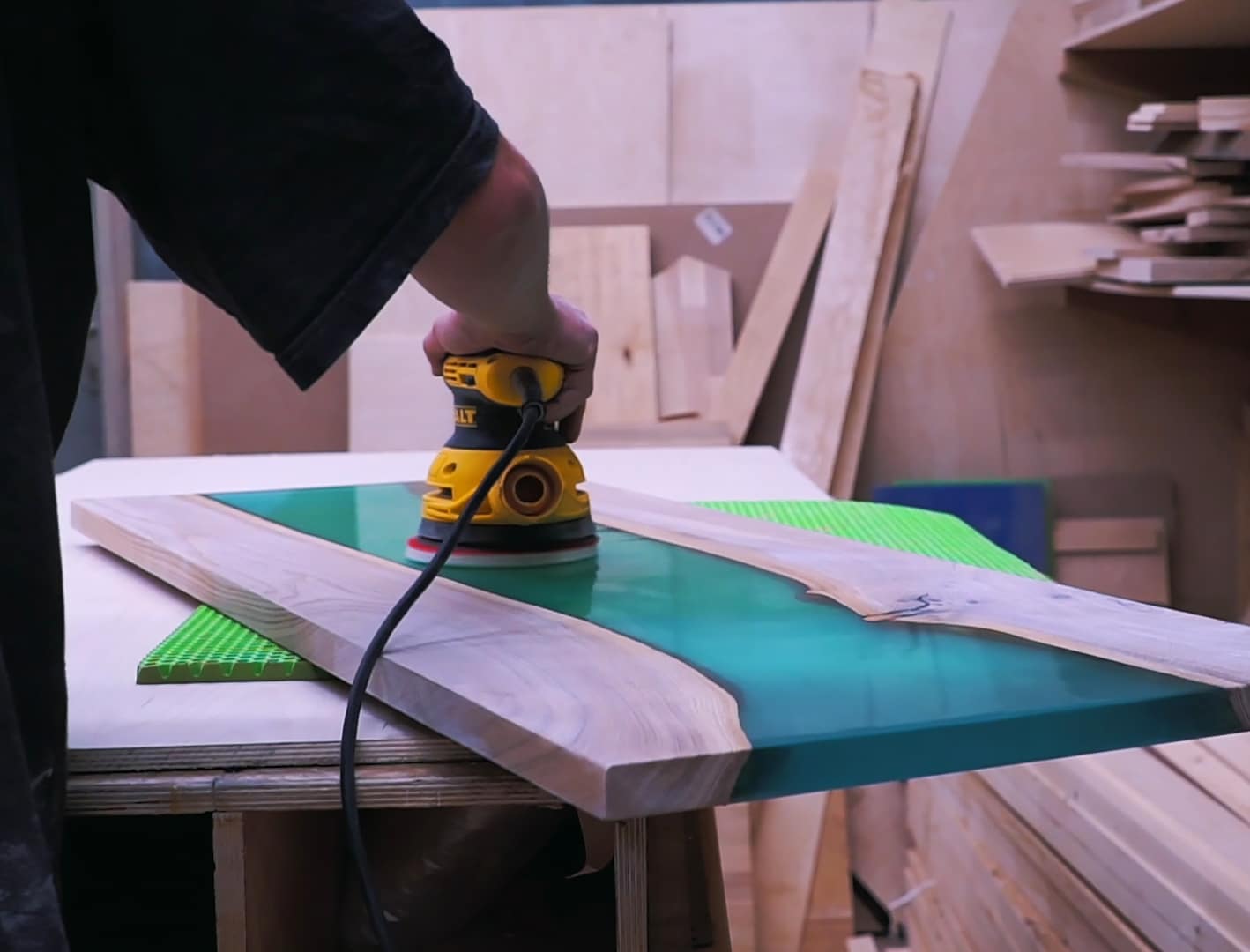
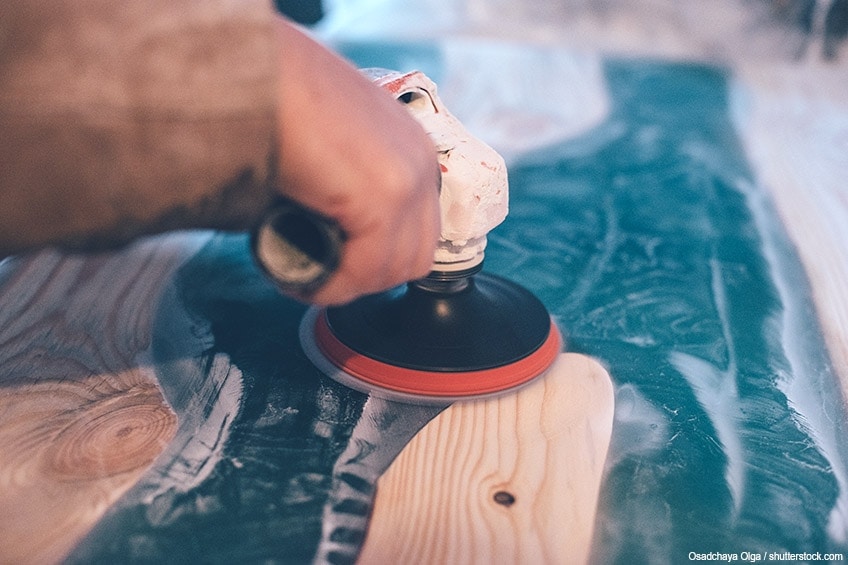
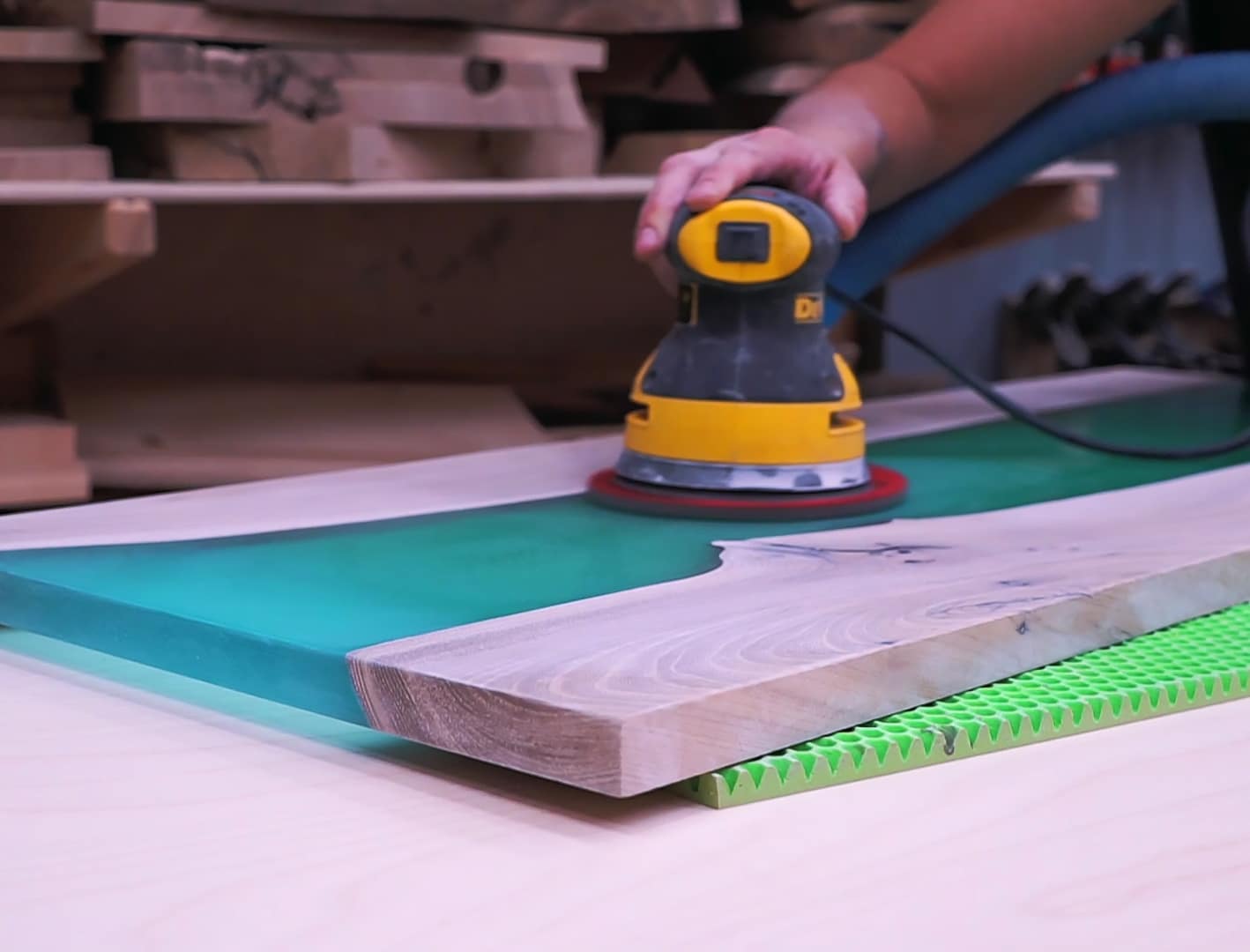
If the floor remains rough or feels gritty, mechanical refinement may be needed. Use “Ebonite Abralon” – Sanding Pads 360-4000 Grit for Resin and Wood to carefully smooth problem areas. Choose an appropriate grit level: start with a coarser pad for pronounced irregularities, and work up to finer grades for finishing. Sanding should be done evenly and lightly to avoid scratching or uneven wear. Clean away dust with a vacuum or damp cloth between grits.
In cases where sticky residues or alcohol-soluble marks are present, wipe affected spots with a lint-free cloth dampened with Pure Isopropyl Alcohol 99.9% – 1000ml Bottle for Epoxy Resin Projects & DIY. This will help dissolve contaminants and leave no residue behind due to the alcohol’s rapid evaporation.


Step 4: Buff and Polish the Surface for Gloss
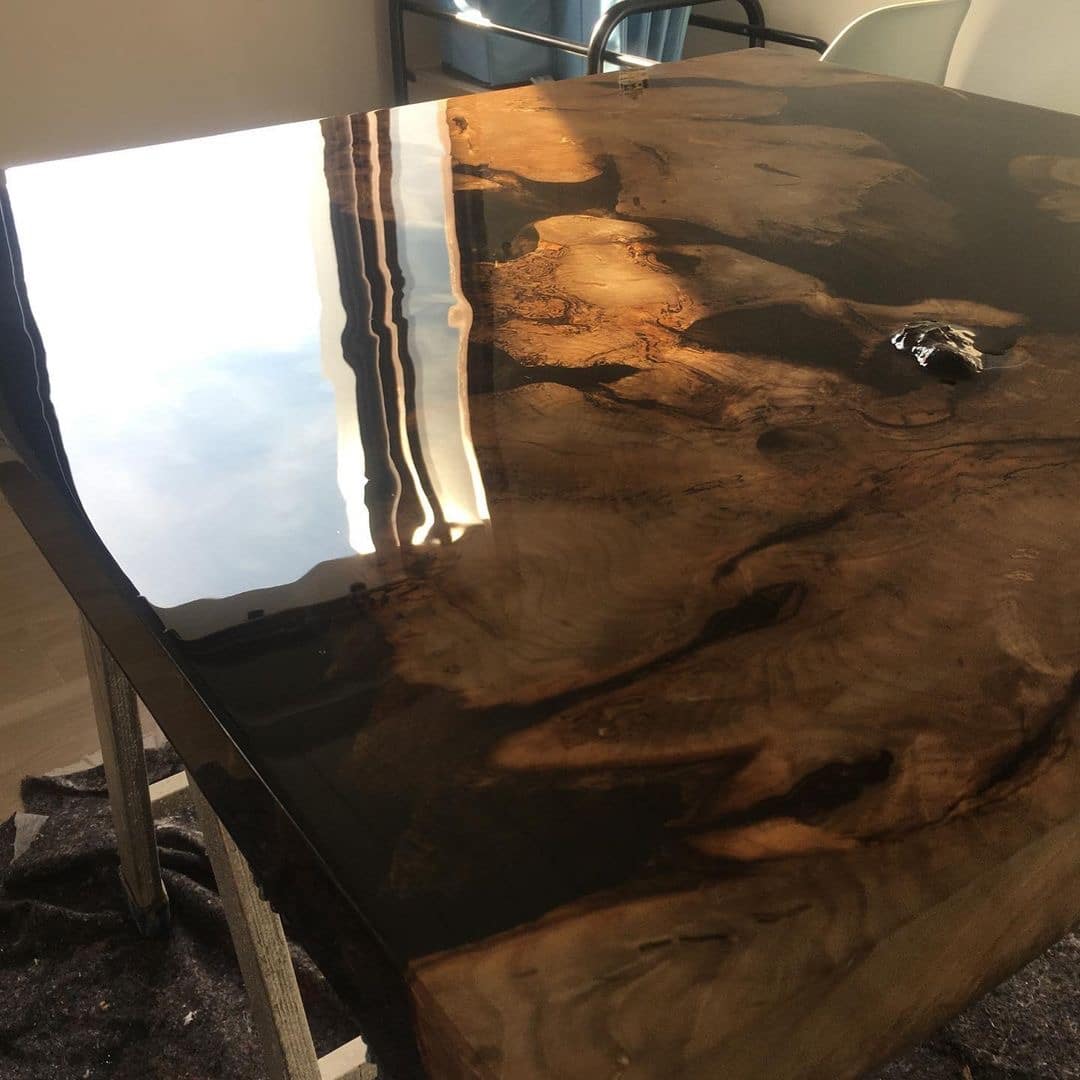
After ensuring the floor is clean and smooth, restore its appearance with a suitable polish. For a glossy finish, apply “Epoxy Polish” – Epoxy Resin Polishing System as directed, using a rotary polisher or pad holder if available. Work the polish into the resin in a circular motion, starting with a small, manageable area. Buff thoroughly for an even, streak-free result. Finish by wiping away excess product with a dry microfibre cloth. Repeat as needed across the entire floor for consistent sheen and rejuvenation. Avoid using harsh abrasives or acidic cleaners as these can damage the resin’s integrity.
Tips and Common Mistakes
- Work in small areas to maintain control over cleaning, especially when sanding or polishing.
- Always remove all product residues between steps to avoid unwanted streaks or dullness.
- Avoid flooding the resin floor with water, as standing moisture can seep into seams or subsurface layers.
- Do not use steel wool, bleach, or acidic products, which can permanently obscure or damage resin finishes.
- Buff thoroughly for a glossy, even finish, and do not rush polishing or wiping stages.

Real-World Resin Floor Cleaning Examples
Our customers share their resin floor care journeys, highlighting both everyday maintenance and deep cleaning projects. The right combination of degreaser, sanding, and polish leads to a flawless finish.
- Strong Technical Degreaser for Resin Projects – 100% Natural FormulaOriginal price was: £10.95.£9.45Current price is: £9.45.Strong Technical Degreaser is a natural, gentle cleaner suitable for various surfaces in resin projects under the given theme.
- "Ebonite Abralon" – Sanding Pads 360-4000 Grit for Resin and Wood£4.15"Ebonite Abralon" sanding pads provide versatile polishing for resin and wood surfaces in cleaning and finishing tasks.
- Pure Isopropyl Alcohol 99.9% – 1000ml Bottle for Epoxy Resin Projects & DIYPrice range: £10.45 through £20.95Pure Isopropyl Alcohol 99.9% is suitable for epoxy resin projects and cleaning moulds, supporting effects and bubble removal.
- "Epoxy Polish" – Epoxy Resin Polishing SystemPrice range: £18.95 through £47.45"Epoxy Polish" is a system designed for resin projects that rejuvenates surfaces to a mirror-like shine with ease.
Frequently Asked Questions
Can I use baking soda or household cleaners on resin floors?
Avoid harsh household cleaners and abrasive powders, as they can dull or scratch resin surfaces and lead to uneven wear.
How often should resin flooring be cleaned?
A light clean weekly and a deeper clean every 3–6 months will keep resin flooring looking its best without risking damage.
What if stains persist after normal cleaning?
Use a resin-safe degreaser or isopropyl alcohol for targeted spot cleaning, testing first to avoid dulling glossy finishes.
Can resin polish be applied manually or is a machine required?
A polisher gives best results, but small areas can be treated by hand with increased effort and proper polishing sponges.
How do I safely remove grease from resin flooring?
Use a natural, solvent-free degreaser and avoid scrubbing with abrasive pads to protect the floor's surface.
Does sanding resin flooring make it glossier or duller?
Sanding alone may dull the finish temporarily but preps for polishing, which restores or exceeds original gloss.