 Free shipping on orders over £29,85
  Shipping Tracking!


 Google
 Facebook
← Back to How do you cook resin?

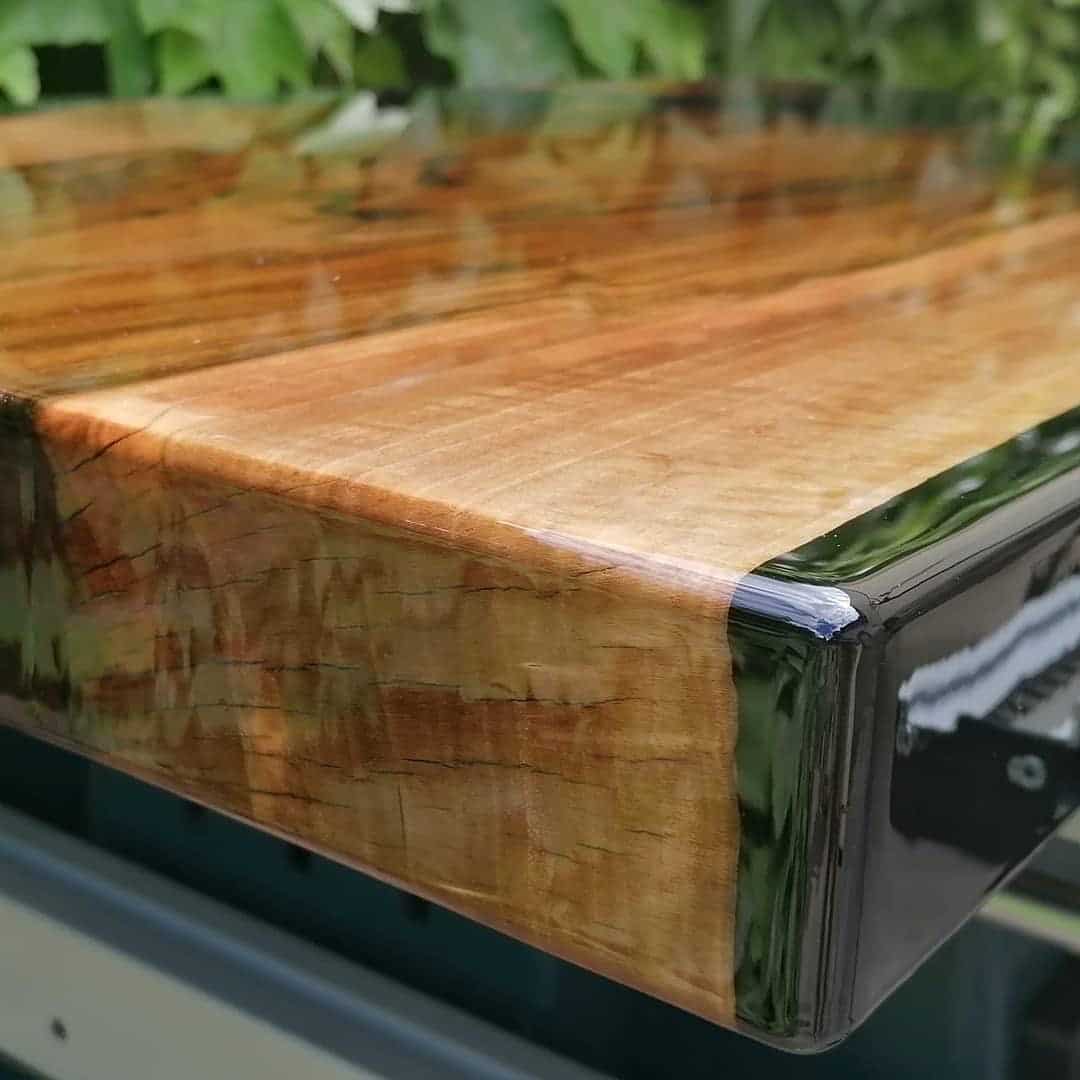
When working with epoxy resin, it’s important to understand the difference between deep pour and shallow pour formulas. The choice affects everything from how thick you can cast each layer to how safely and smoothly your project cures.
Deep Pour vs Shallow Pour: The Science
Deep pour resins are specially engineered to control internal heat during the curing process, which allows you to pour thick layers—sometimes up to 10cm—without overheating or risking cracks. These resins cure slowly, giving heat time to dissipate safely. Shallow pour or coating resins, on the other hand, cure much faster but can only be applied in thinner layers, typically under 2cm, otherwise they may overheat or cure unevenly.


Choosing the Right Resin for Your Project
Your selection depends on the dimensions of your project. For tabletops or art pieces requiring thick pours, a resin such as “Epoxytable 10-Ten” is suitable for depths up to 10cm. For projects between 2cm and 5cm, EpoxyTable 5-Five is ideal. For surface coatings or art, a fast-curing shallow pour formula is the right choice as it cures quickly in thin layers.
When This Matters Most
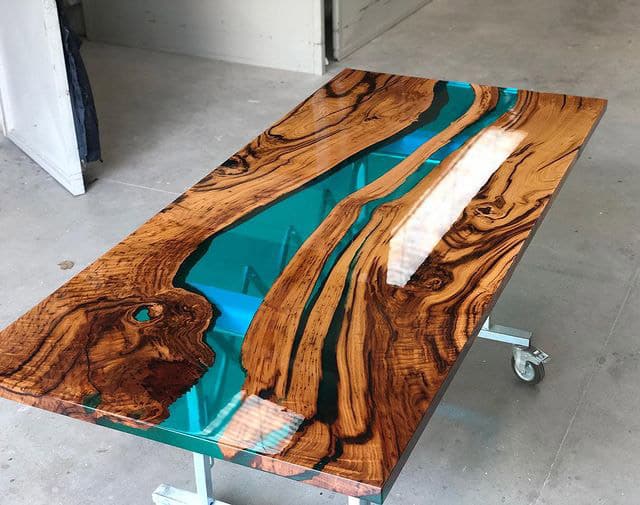
- Deep pour: Large pieces like river tables, chunky castings, and thick art panels where clarity and structural integrity rely on proper, slow curing.
- Shallow pour: Coatings, trays, small crafts, and projects needing quick build-up or layering.
Related products
Related guides
Understanding these differences helps you select the best resin for safe, successful results—whether you’re casting thick slabs or adding a glossy coat. Explore our full guides and deep pour selections on the parent resin curing page.