 Free shipping on orders over £29,85
  Shipping Tracking!


 Google
 Facebook
← Back to How do you cook resin?

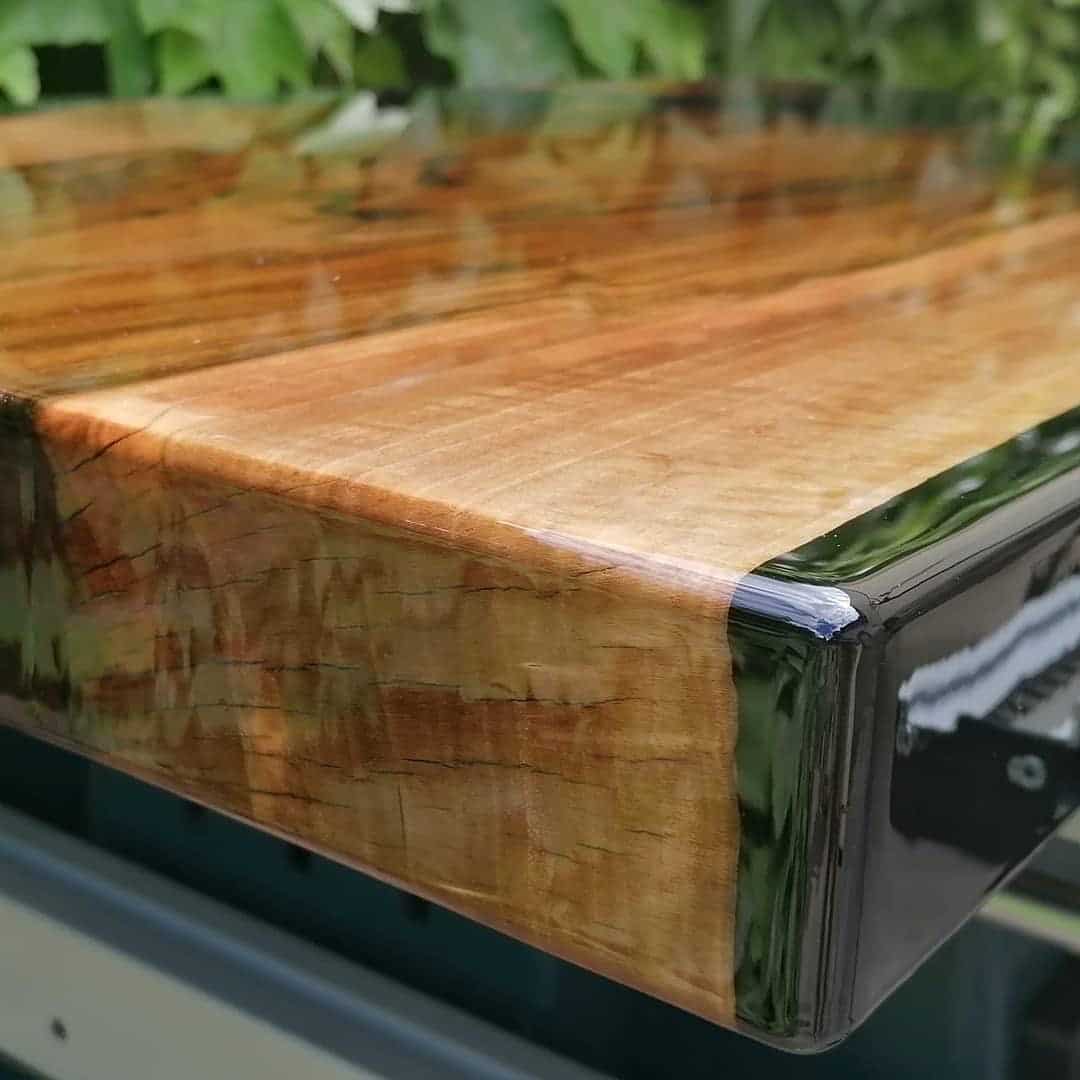
Resin pouring can look straightforward but even experienced crafters occasionally encounter problems like bubbles, yellowing, or brittle surfaces. Here’s how to avoid the most common pitfalls and achieve professional, long-lasting results.
Avoid Over-Pouring and Choosing the Wrong Resin
Many problems arise from pouring resin in layers that are too thick or not suited to the resin type. Exceeding the recommended depth can cause overheating, leading to yellowing, bubbles, or even cracks as the resin cures. Always select a resin tailored for your project’s thickness: for deep pours up to 10cm, high-performance options like Epoxytable 10-Ten are ideal, while shallower projects benefit from resins formulated for thinner layers. If your project requires a multi-layer approach, allow each layer to cure fully before proceeding.


Environmental Conditions and Resin Handling
Pouring resin in unsuitable environments—such as overly cold, hot, or humid settings—may result in surfaces that turn yellow or become brittle over time. Aim for a clean, dust-free workspace where temperature and humidity are stable. Accurate measuring and thorough mixing in the correct ratios is also crucial. Rushing or skipping these steps often leads to cure issues and unsightly bubbles trapped beneath the surface.
Practical Tips to Achieve Bubbles-Free, Clear Results
- Read your resin’s datasheet for recommended pour depths and cure times.
- Mix slowly and intentionally to avoid introducing air. If in doubt, let the mixture stand briefly before pouring.
- If bubbles appear, gently torch the surface shortly after pouring to encourage them to rise and burst.
When This Matters
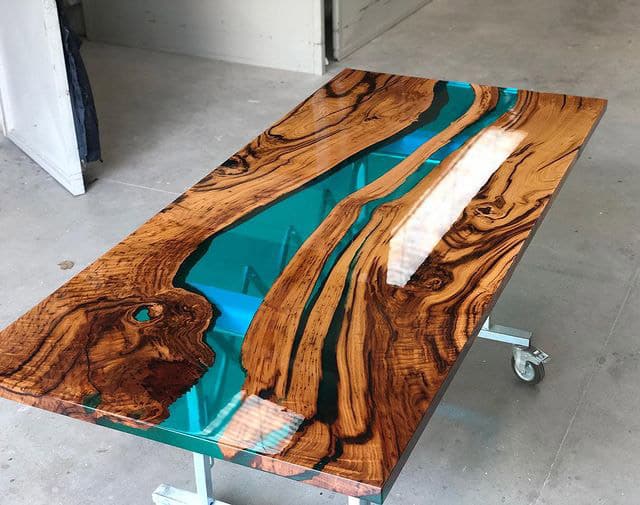
Minimising mistakes is especially important if you’re creating statement pieces like deep pour river tables or need large, flawless castings. Using the wrong techniques or products for your application can be costly and time-consuming to fix.
Related products
Related guides
Mastering resin pouring requires attention to product choice and technique. By staying mindful of the common mistakes above, you’ll make every pour closer to perfection. For more guidance on working with resin, visit our main resin guide.