 Free shipping on orders over £29,85
  Shipping Tracking!


 Google
 Facebook
How do you cook resin?
A practical guide to resin curing for tables and crafts

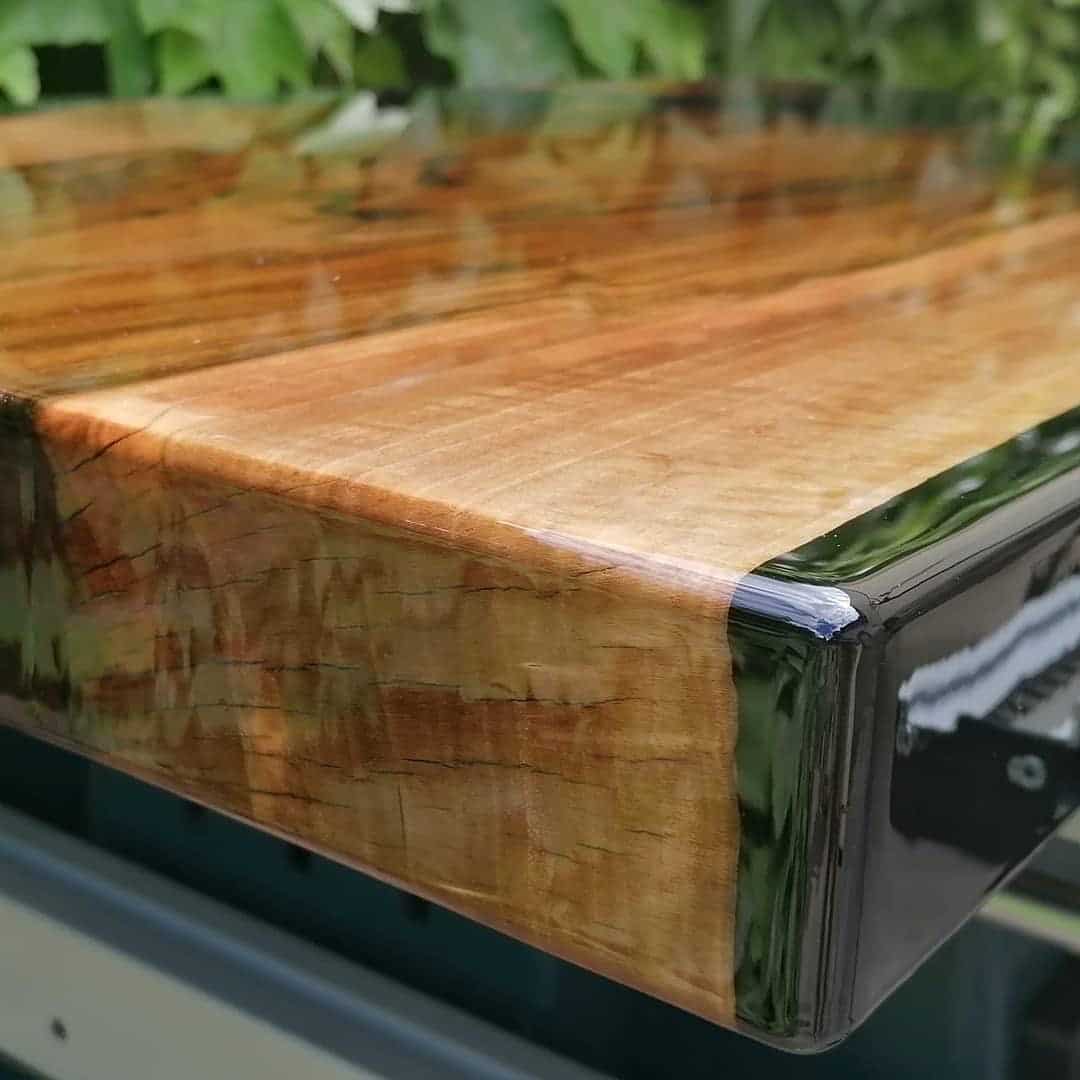
If you’re looking to understand the resin curing (sometimes called ‘cooking’) process for artistic, furniture or food-contact projects, this page will help you make the right product choices and avoid pitfalls. Whether you’re an experienced craftsman, DIY enthusiast, or just beginning with resin, discover resins suitable for everything from deep tabletop pours to fast-curing jewellery pieces—the guide below explains when, how, and why each type fits your needs.
Resin Curing: Comparing Types for Safe Project Success
Choosing the right resin is crucial, as ‘cooking’ resin is all about controlling how epoxy cures—not about heat-baking it in a traditional sense. Some projects, such as deep tabletop pours, require a slow-cure formula to manage heat buildup, while smaller crafts prioritise fast curing or crystal clarity. There are also food-safe options, but only certain resins meet those strict standards. Here, you’ll learn how depth, speed, and purpose influence your choice, and what makes one product a better fit over another:
- Low exothermic reaction allowing thick pours without overheating
- Strong UV filters protecting against yellowing for up to 5 years
- Highly mechanical resistant surface providing scratch resistance
- Low viscosity ensures bubble-free casting
- Long working time providing no rush during application
- Heat resistance up to 70°C

Understanding Epoxy Resin Curing
Epoxy resin does not require traditional cooking or baking. Instead, it cures through a chemical reaction at ambient temperatures. The process involves careful mixing and pouring, with environmental factors such as temperature and humidity playing a large role in successful outcomes. Never attempt to speed up resin curing using ovens or external heat sources unless stated by the manufacturer.
“Epoxytable 10-Ten” – Deep Pour Epoxy Resin (Up to 10cm)
When maximum depth is needed—such as for river tables or large artistic casting—the “Epoxytable 10-Ten” – Deep Pour Epoxy Resin for Tables, Up to 10cm Casting stands out. Specially engineered for pours up to 10cm, it features minimal exotherm and a long working time, making large-scale pours manageable and reducing the risks of overheating. Key advantages include: robust UV stability, so projects remain clear for years, and a super low viscosity that eliminates bubbles—a vital factor for flawless table surfaces.
“EpoxyTable 5-Five” – Deep Pour Resin for Medium Projects (Up to 5cm)
For pours between 2cm and 5cm, such as countertops and slightly smaller river tables, “EpoxyTable 5-Five” – Deep Pour Epoxy Resin for Tables and Large Projects – Up to 5cm is ideal. It has a controlled cure suitable for deep pours while preventing excessive heat generation. This resin offers similar UV and mechanical resistance to its thicker cousin but is more economical for less substantial projects. Durable and scratch-resistant, it’s trusted across thousands of professional builds.
“EpoxyFood” – Certified Clear Epoxy for Food Contact Projects
When your project demands a finish safe for direct food contact—such as serving boards, plates, or decorative kitchenware—“EpoxyFood” – Certified Clear Food Contact Epoxy Resin for Coating is the answer. Independently certified as compliant with EU food contact standards, it keeps surfaces non-toxic and crystal clear. This product should not be used with hot foods or for high-heat curing, but it’s perfect for safe, cold-contact kitchen projects.
“ICreation” – Fast Epoxy for Quick Jewellery and Craft Demoulding
For creators focusing on small, intricate designs, jewellery, or decorative art, “ICreation” – Fast Epoxy Resin, 6h Demoulding, Transparent Gloss Finish accelerates your workflow dramatically. With a 6-hour demoulding time, you minimise waiting and can complete more in less time—yet the finish still matches the clarity and gloss needed for professional crafts. While unsuitable for thick pours, “ICreation” shines in projects up to a few centimetres deep.
Tips for Safe Resin “Cooking” Across All Projects
Always check the manufacturer’s guidelines for working time, maximum pour depth, and required environment. Never use heat sources like ovens to “cook” resin—it’s about chemical curing, not baking. For deeper pours, pour in multiple layers when in doubt, and measure both temperature and humidity for best results. If using food-safe resin, avoid applying it to surfaces exposed to high temperatures or alcohol.
Essential Safety and Project Tips
Always work in a well-ventilated space, wear gloves, and follow all safety instructions on the resin product. For deep pours, allow each layer to fully cure before adding the next, and avoid excessive heat which can compromise structural integrity. Select your resin based on thickness, use case, and curing timeframe for consistent, safe results.

- “Epoxytable 10-Ten” – Deep Pour Epoxy Resin for Tables, Up to 10cm CastingPrice range: £35.95 through £351.95“Epoxytable 10-Ten” is suitable for creating tables with castings up to 10cm, offering long working time and non-yellowing UV filters.
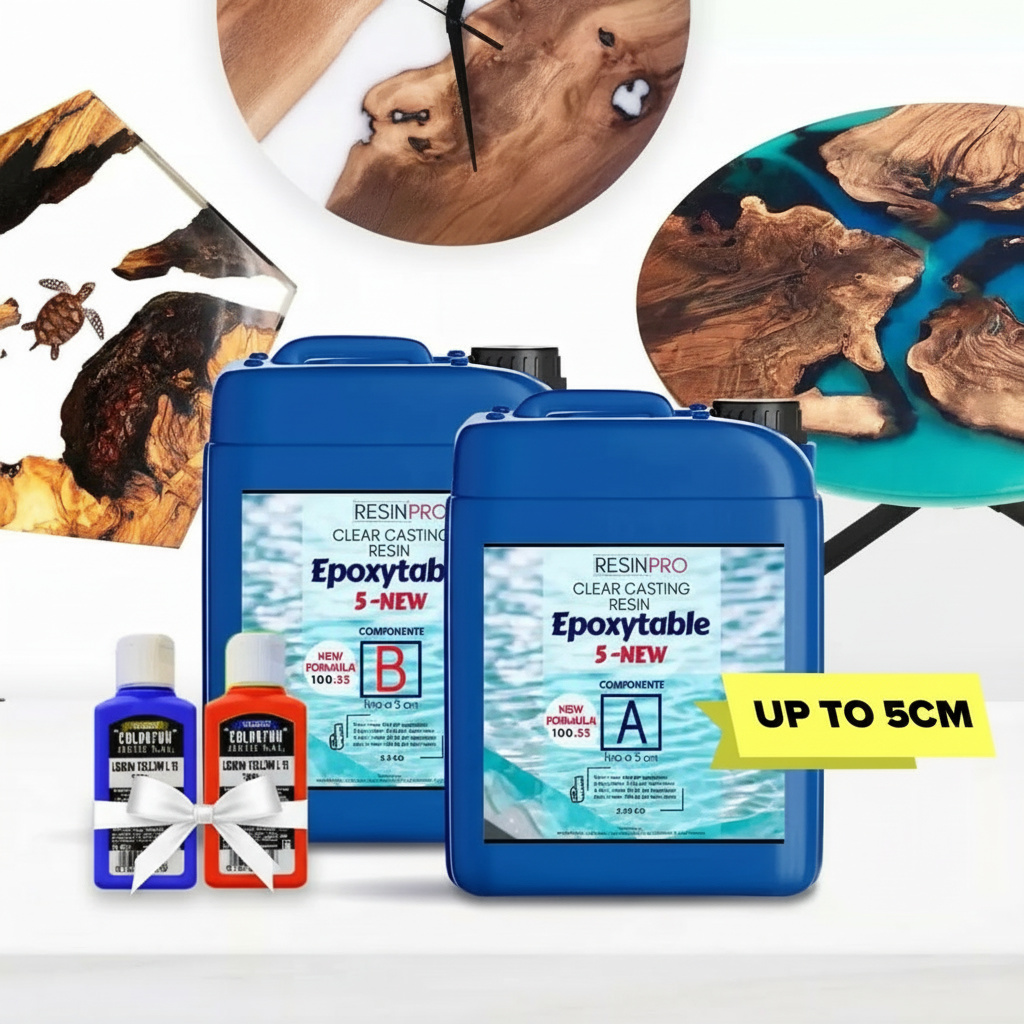 "EpoxyTable 5-Five" – Deep Pour Epoxy Resin for Tables and Large Projects – Up to 5cmPrice range: £17.95 through £1,154.95EpoxyTable 5-Five is a deep pour resin designed for tables and large projects up to 5cm, with low exotherm and UV resistance.
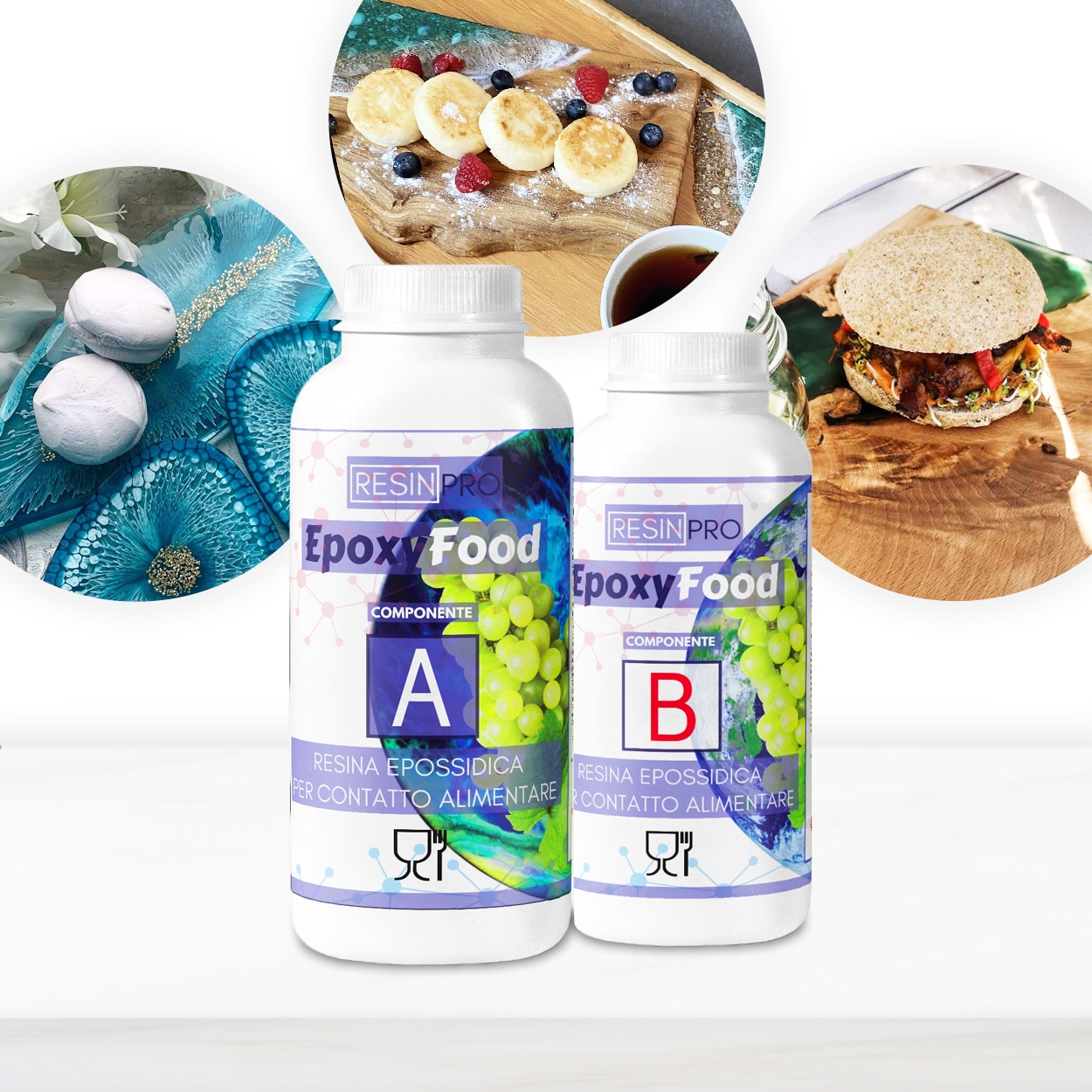 "EpoxyFood" – Certified Clear Food Contact Epoxy Resin for CoatingPrice range: £20.95 through £146.95"EpoxyFood" is a transparent, food-safe epoxy resin suitable for coating kitchen items with a clear, gloss finish.
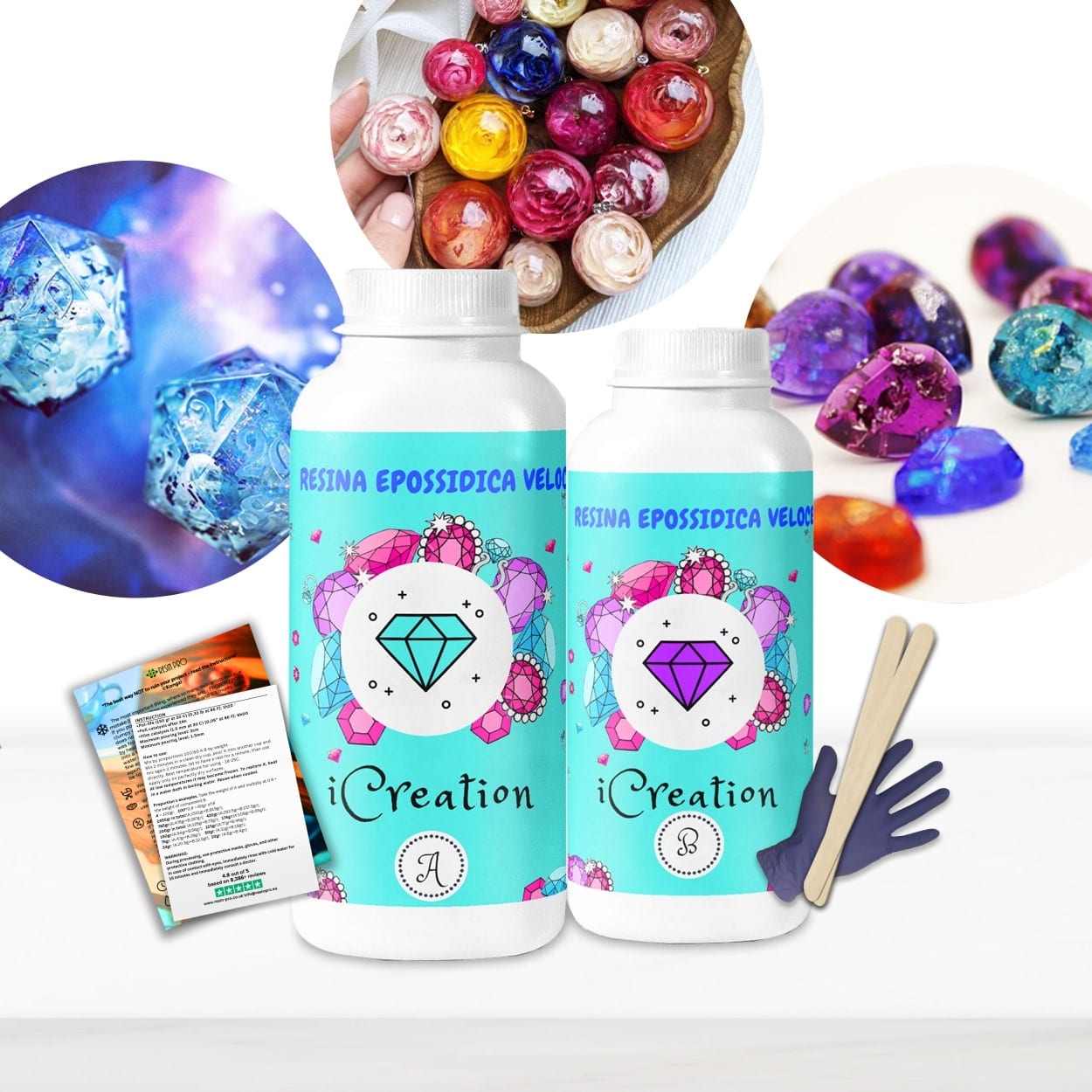 "ICreation" – Fast Epoxy Resin, 6h Demoulding, Transparent Gloss FinishPrice range: £15.95 through £55.95ICREATION Fast Epoxy Resin offers a clear, glossy finish with a 6-hour demoulding time, suitable for jewellery and decorative crafts.
Frequently Asked Questions
What is the difference between resins for deep and shallow pours?
Deep pour resins are formulated to control heat build-up during curing, allowing casting of thicker layers without overheating. Shallow pour or coating resins cure faster but must be poured in much thinner layers.
What’s the safest way to cure epoxy resin?
Follow the product instructions, avoid adding outside heat, and pour only up to the recommended depth at a time. Do not use ovens or direct flames on resin.
Can you bake or oven-cure epoxy resin?
Most epoxy resins are designed to cure at room temperature via chemical reaction. Using an oven can create hazardous fumes or structural issues unless explicitly allowed by the manufacturer.
Which resin is safe for food contact projects?
‘EpoxyFood’ is certified for direct contact with cold food and drinks when mixed and cured correctly. Always use the correct, certified product for food surfaces.
How quickly does epoxy resin cure?
Demoulding can be as fast as 6 hours with products like “ICreation”, while deep pours may require 24–72 hours depending on conditions.
What are common mistakes in resin pouring?
Over-pouring beyond recommended thickness, using the wrong resin for project depth, or curing in unsuitable conditions can result in yellowing, bubbles, or brittle surfaces.