 Free shipping on orders over £29,85
  Shipping Tracking!


 Google
 Facebook
← Back to What is non-toxic epoxy paint called?
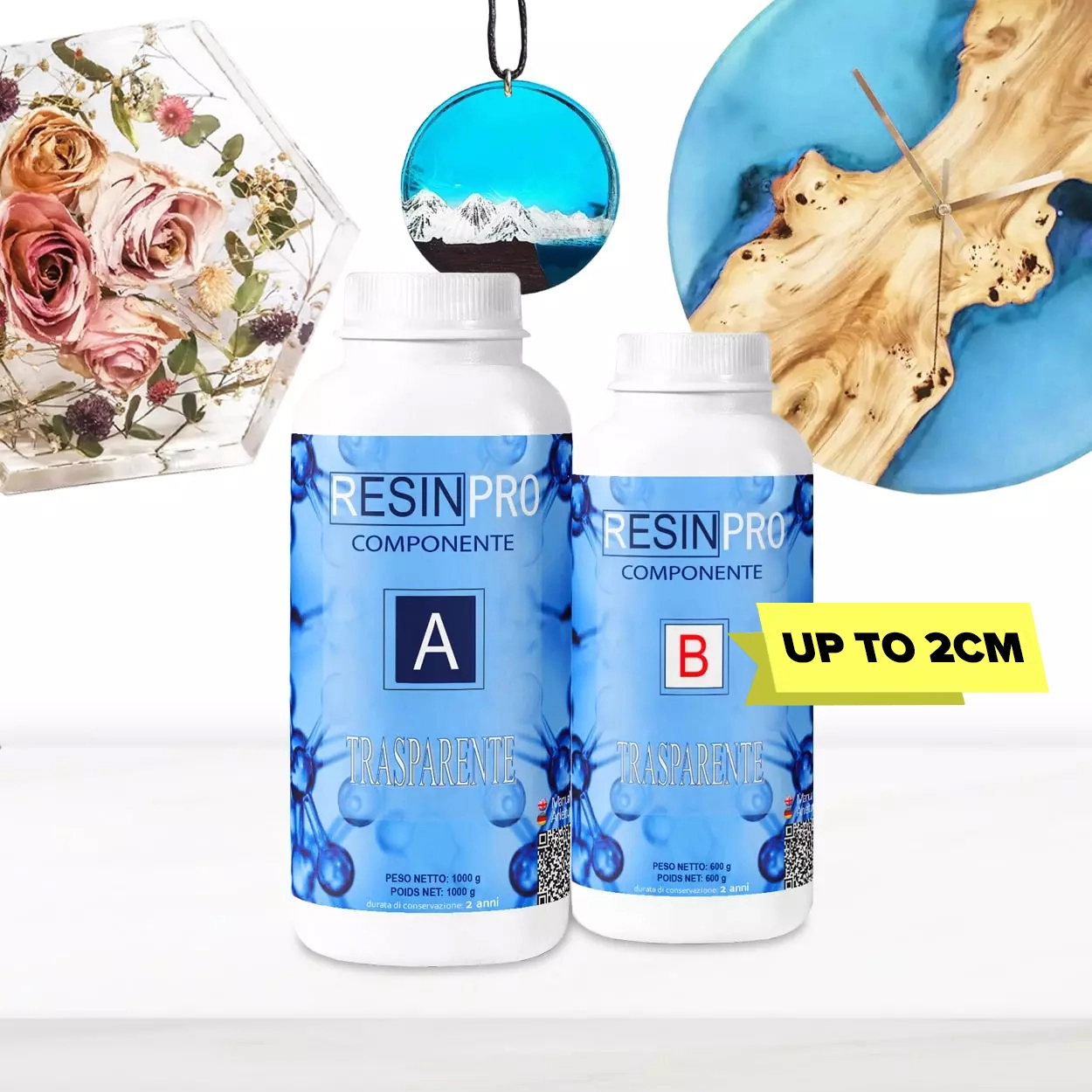
If you’re working with non-toxic epoxy paints or resins, understanding UV protection is key to maintaining a clear, glossy finish over time. Exposure to sunlight can affect how your project looks in the long run.
Why UV Protection Matters
UV rays can cause unprotected epoxy surfaces to yellow, cloud, and break down, which can dull the vibrancy of your work. Quality non-toxic epoxies such as “Trasparente” integrate UV filtering agents to defend against sun damage and help preserve the clarity of your creations.
Choosing a Resin with Reliable UV Resistance
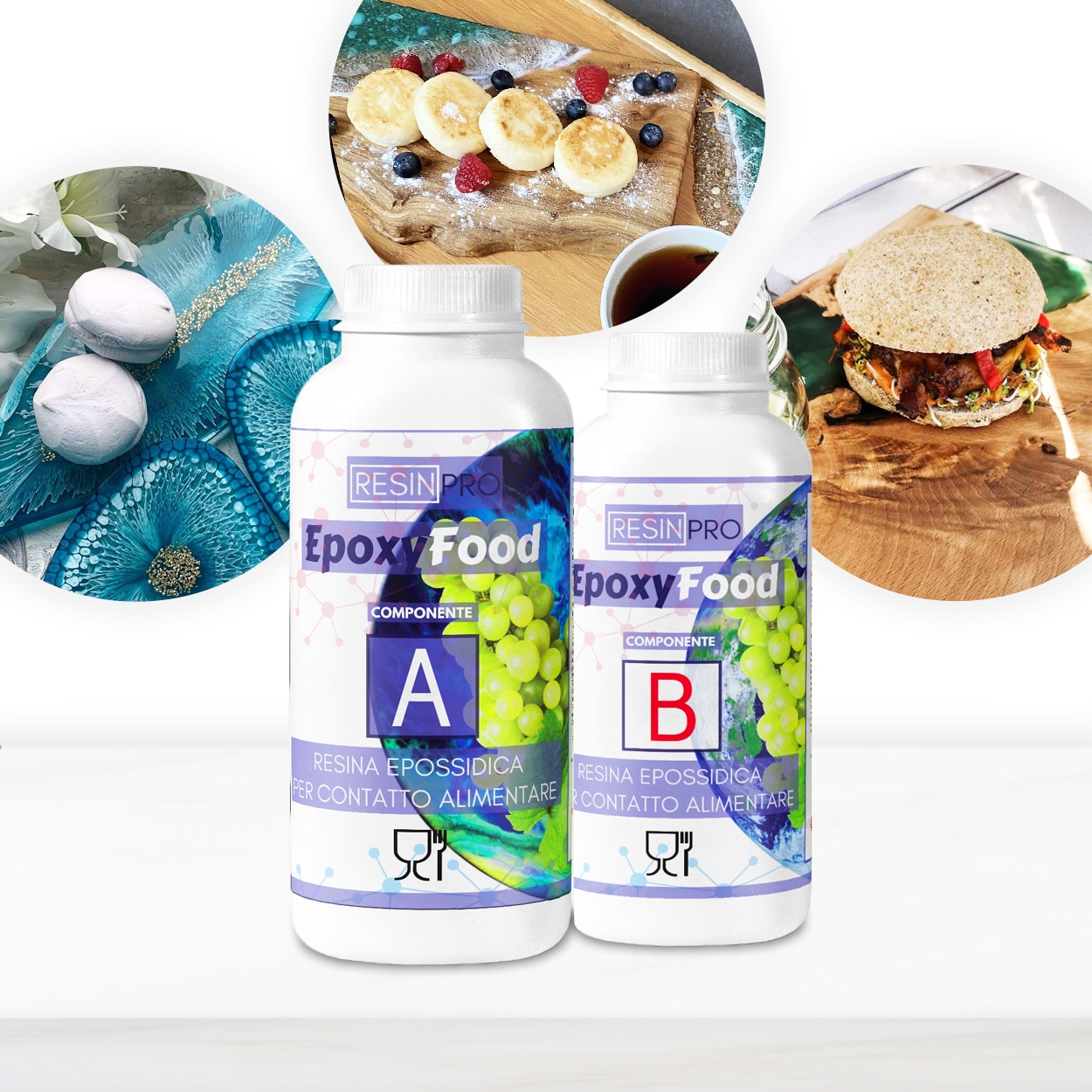
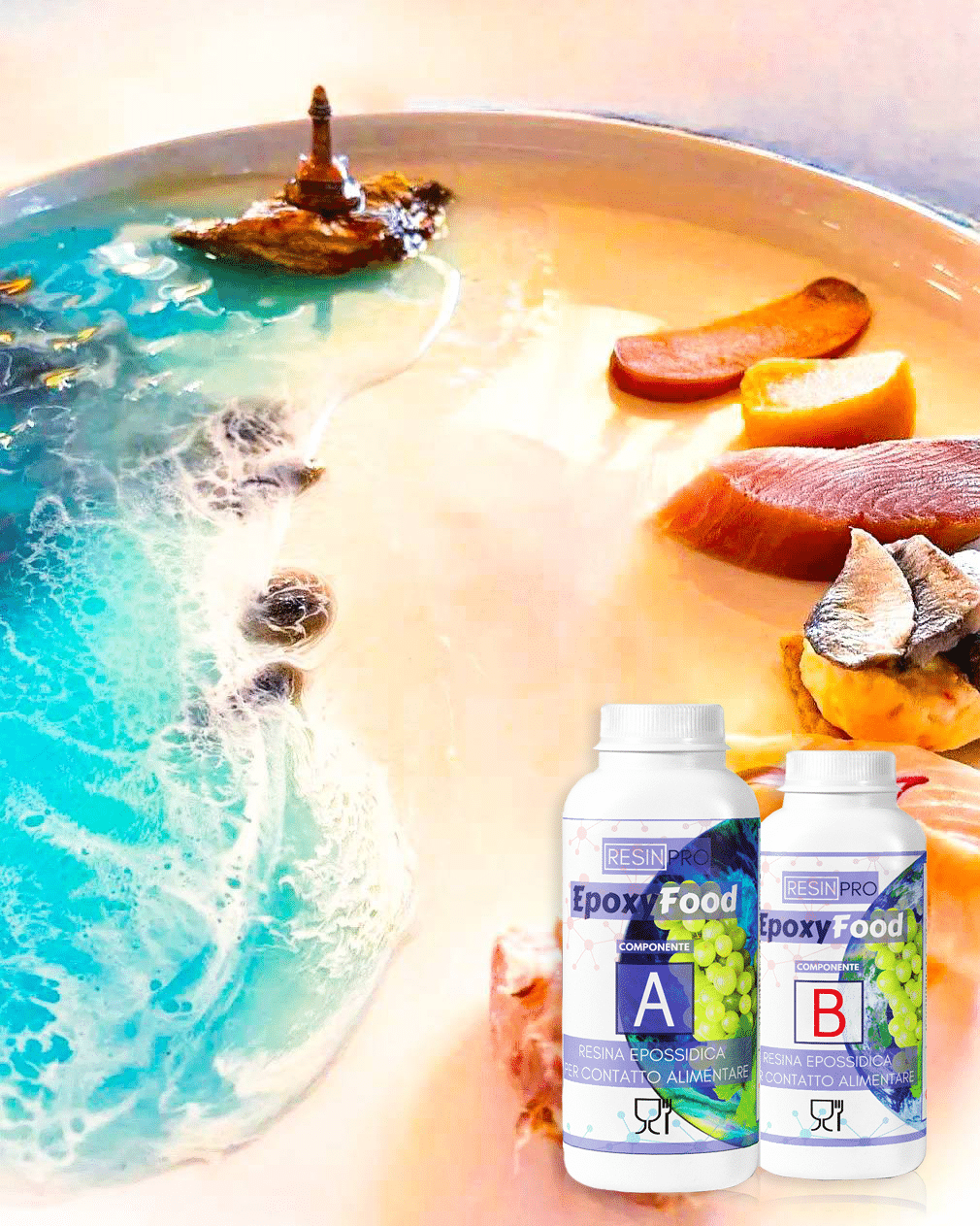
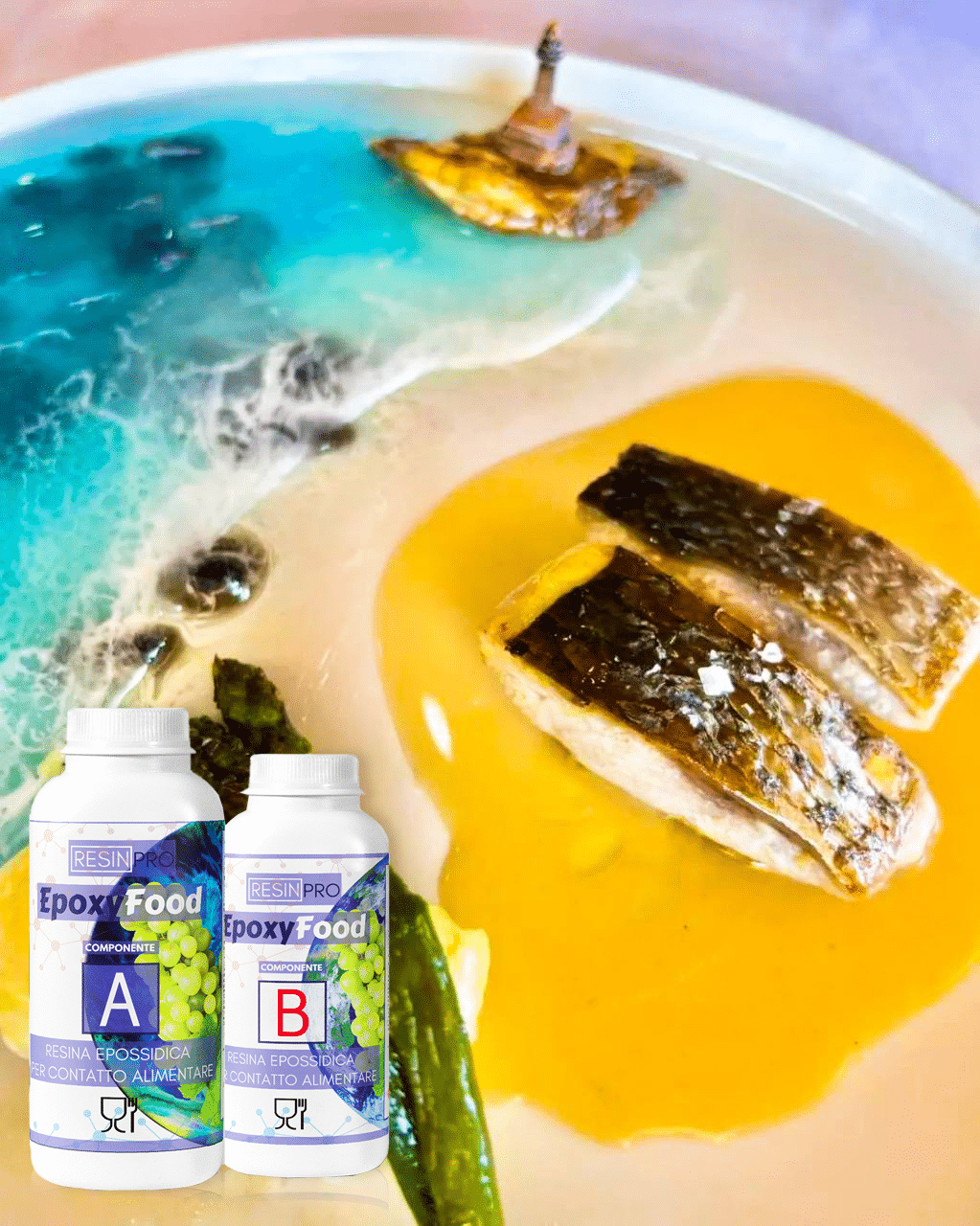
When selecting non-toxic epoxy for artistic or practical projects, opt for products that specifically mention UV stability and include a clear protection period against yellowing. For instance, certified resins like “EpoxyFood” and “Trasparente” offer UV filter technology with a 10-year warranty against yellowing, making them suitable for both food-contact surfaces and decorative pieces.
Practical Tips for Preserving Finish and Clarity
- Apply the epoxy on clean, dry, and dust-free surfaces for best adhesion and finish.
- If your resin project will be exposed to sunlight, consider an extra layer of UV-protective topcoat for added reassurance.
- Follow the manufacturer’s mixing and curing instructions closely, as proper curing maximises both the structural and UV protective qualities of the resin.

Related products
Related guides
Understanding UV protection ensures your non-toxic epoxy paint projects look their best for years to come. To delve further into safe and sustainable epoxy solutions, see our main guide on what non-toxic epoxy paint is called.