 Free shipping on orders over £29,85
  Shipping Tracking!


 Google
 Facebook
← Back to How to renew resin grout?
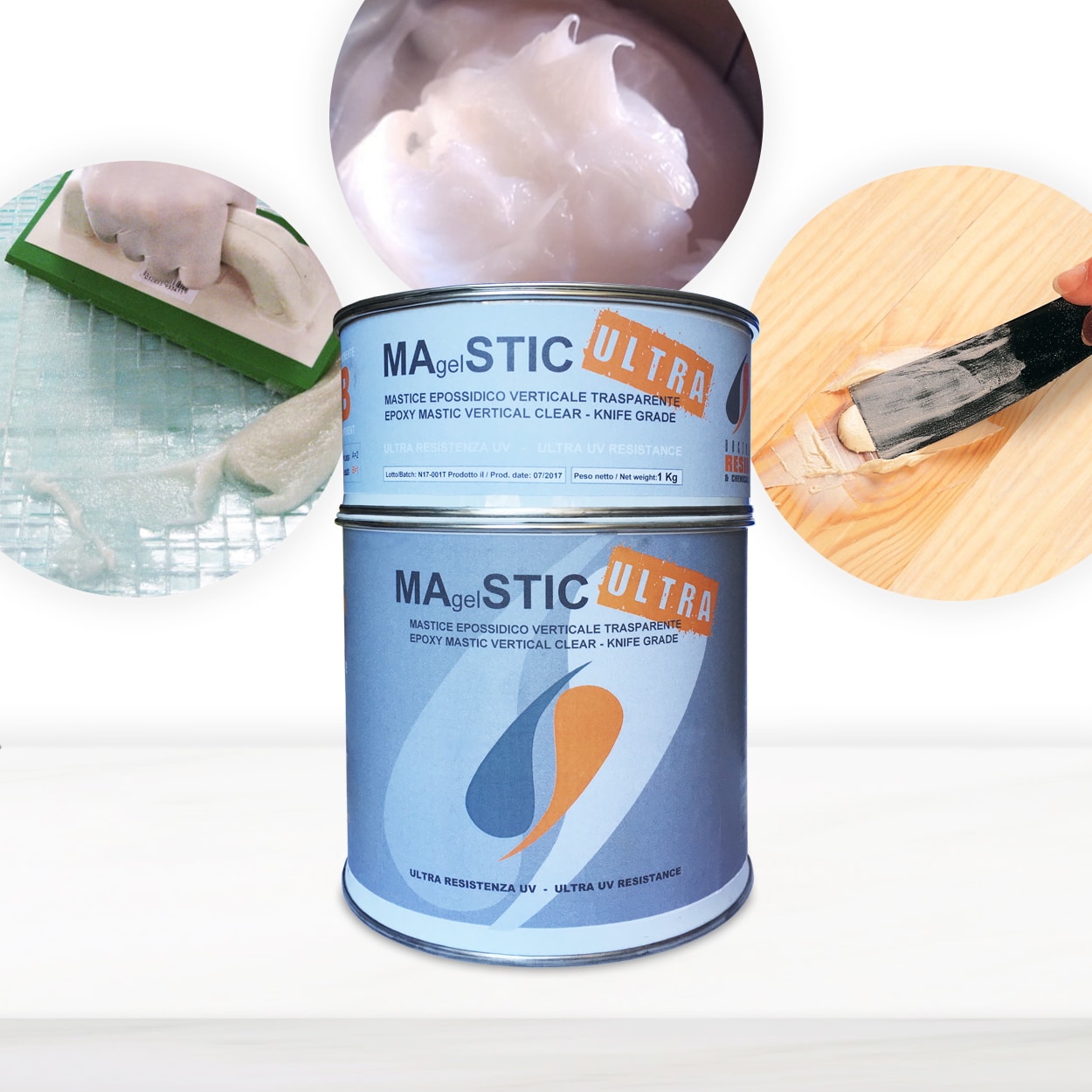
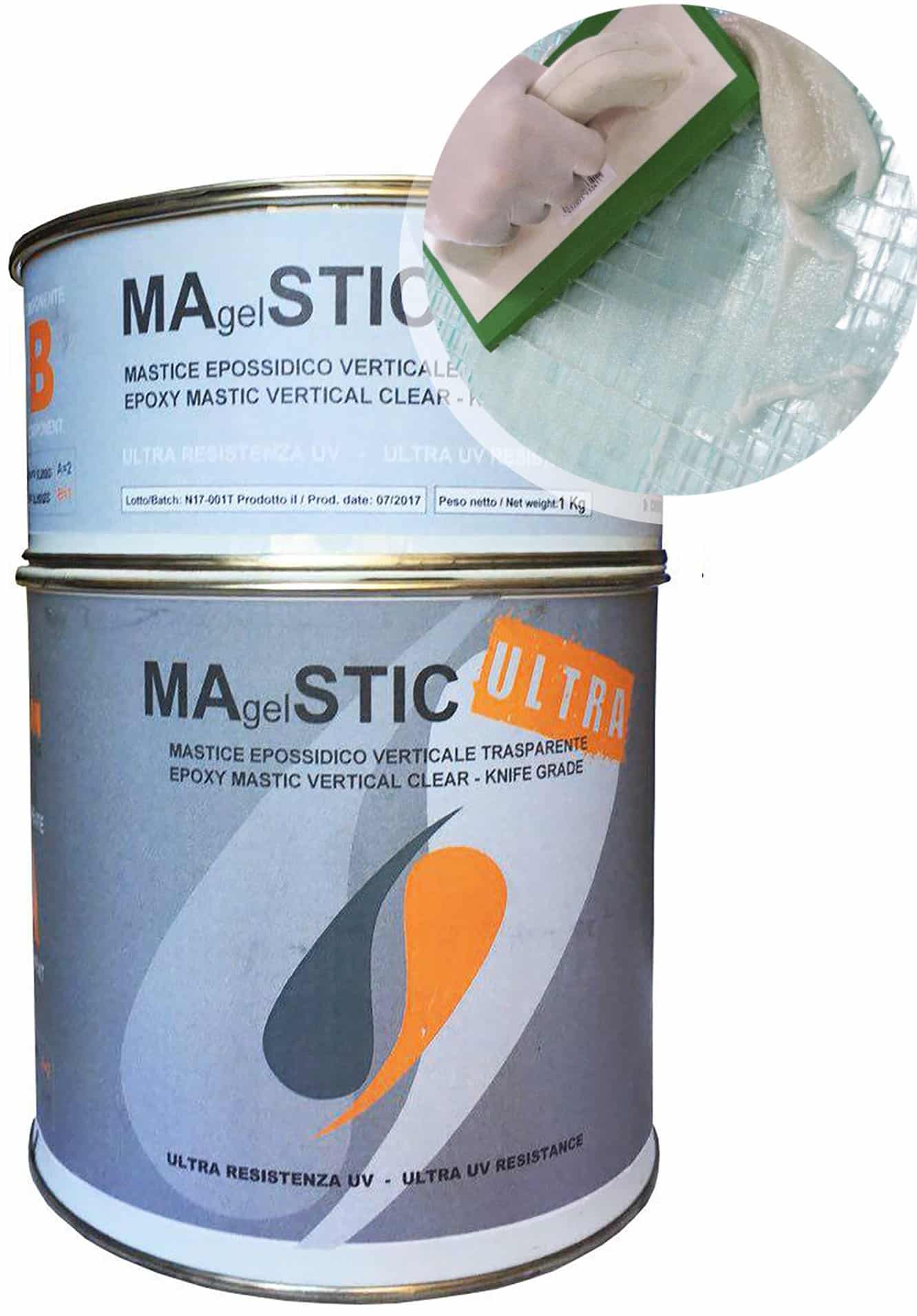
Before embarking on the renewal of resin grout, it’s vital to test compatibility on a small, discreet area. Doing so helps you avoid potential issues and confirms that the selected product is suitable for your surface, whether it’s stone, cement, or metal.
Why a Compatibility Test Is Essential
Many substrates—natural stone, marble, concrete, or tile—can react differently to resins. A patch test ensures that the new grout bonds correctly and does not cause discolouration, surface damage, or unsightly reactions. The compatibility check also lets you review curing time, surface finish, and colour matching before applying the product across the entire area.
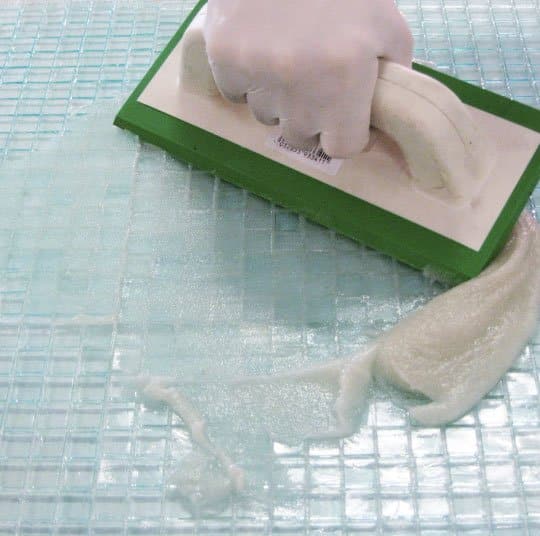
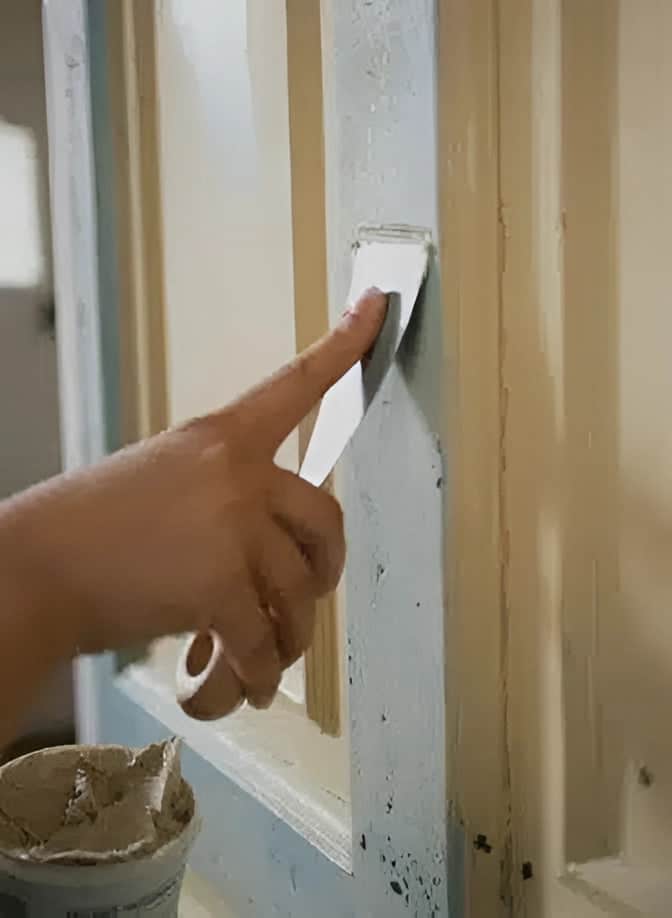
How to Carry Out a Patch Test
- Choose a hidden or low-traffic spot on the surface.
- Prepare a small amount of the resin grout following the product’s ratio and mixing instructions.
- Apply the resin grout as directed, observing recommended temperature and curing requirements (for example, do not apply most epoxy mastics below 10°C).
- Allow the grout to fully cure and inspect for changes in appearance, finish, and bond strength before proceeding with the rest of your project.
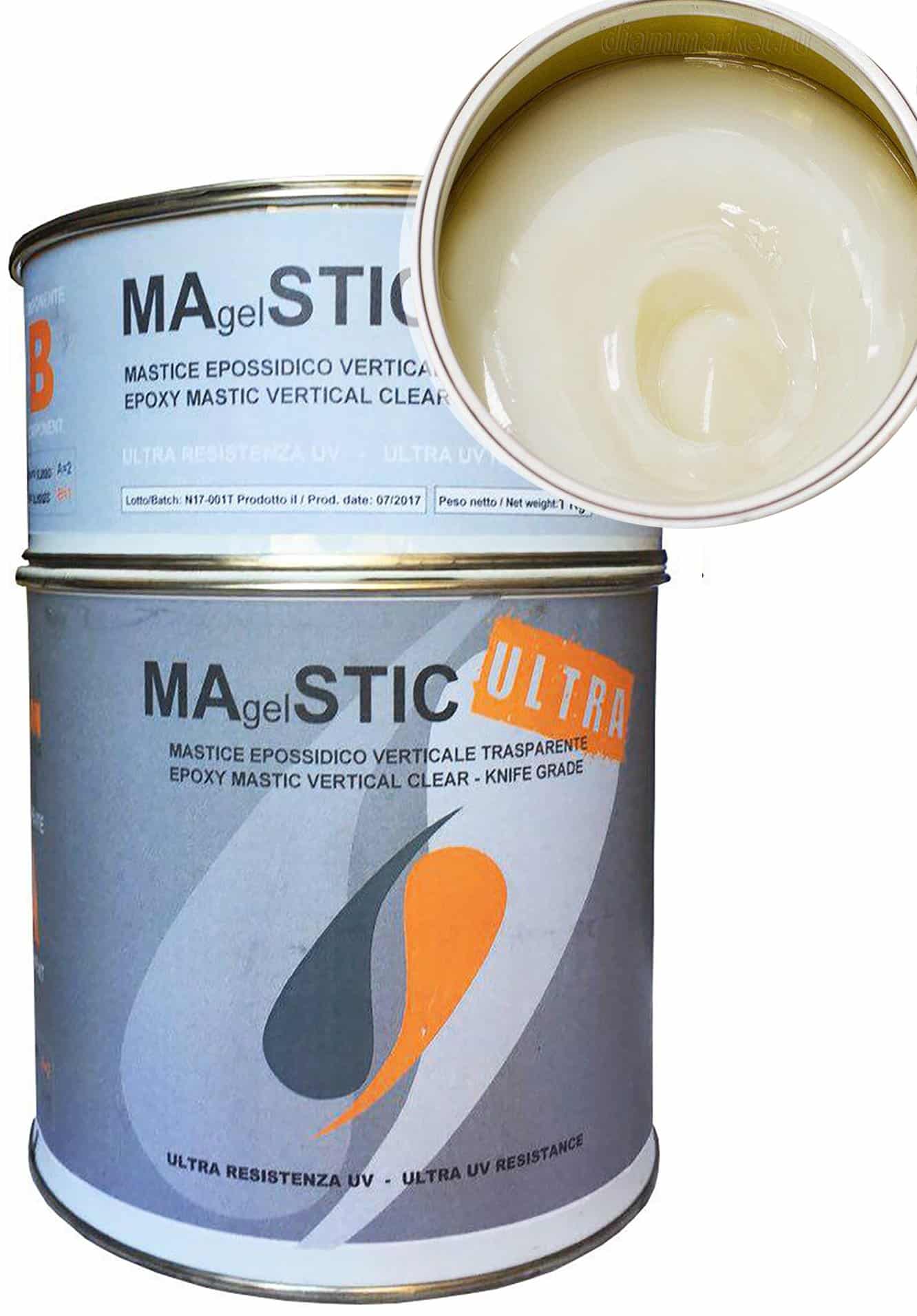
This step is especially important for vertical applications where slumping or running of the resin could be an issue. Selecting thixotropic products like “Magelstick” epoxy mastic may help prevent these problems.
When This Matters Most
Testing on a small area is crucial when working with unfamiliar surfaces, sensitive stones, or if previous treatments may affect adhesion. For restoration on heritage materials or decorative finishes, a patch test safeguards both the surface and your investment in the renewal process.
Related products
Related guides
Testing compatibility before a full resin grout renewal is a simple step that can save time, hassle, and ensure a long-lasting, attractive result. For more comprehensive guidance about renewing resin grout, see our main guide.