 Free shipping on orders over £29,85
  Shipping Tracking!


 Google
 Facebook
← Back to How do you coat with resin?
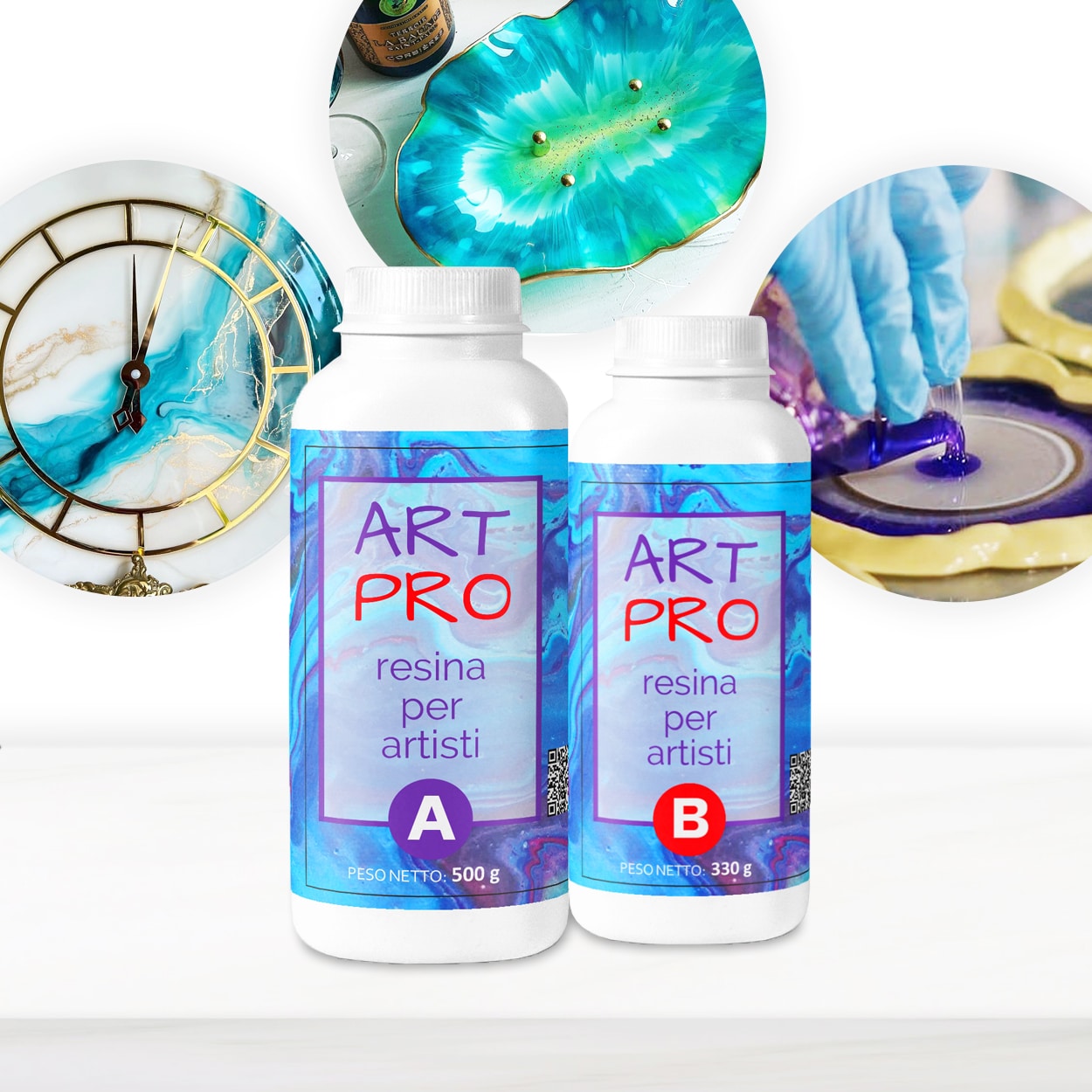

A smooth, glossy resin finish brings out the best in art and home projects, but achieving a flawless surface takes some know-how. Follow these tried-and-true methods for a perfect result every time.
Choosing the Right Resin and Prepping Your Surface
Start with a quality self-levelling resin designed for coatings—these products naturally spread into an even layer with minimal effort. Art Pro Epoxy Resin is popular for its clarity and reliable self-levelling properties, but consider Icrystal or Trasparente if you prefer different working times or finishes.
- Ensure your working area is flat and level—use a spirit level to check in advance.
- Clean the surface thoroughly; remove dust, grease, or debris that could mar the finish.
- Protect your workspace from breezes and floating dust, as these can settle and ruin the gloss surface during curing.


Working Techniques for a Gloss, Level Finish
Follow the manufacturer’s instructions for mixing ratios. Accurate mixing is crucial for proper curing and shine. Pour the resin gently onto the centre of your project and use a spreading tool or plastic spatula to guide it towards the edges. Avoid overworking—self-levelling resins will naturally settle evenly.
- Use a torch or heat gun briefly to pop surface bubbles, taking care not to scorch the resin.
- Cover the freshly poured surface to protect it from dust while curing.
- Maintain a steady room temperature for even curing and optimal shine.
When This Matters: Common Scenarios
A truly glossy, level finish is especially important for display pieces, tabletops, coasters, and decorative trays. Any area that highlights light reflections or is frequently handled will benefit from these careful methods. Using a resin with UV filters, such as Art Pro, can also help maintain clarity over time.

Related products
Related guides
By selecting the right products and following these preparation and pouring tips, you’ll achieve a mirror-like resin surface fit for any project. For more in-depth coating advice or to explore additional techniques, visit our main guide on how to coat with resin.