 Free shipping on orders over £29,85
  Shipping Tracking!


 Google
 Facebook
← Back to How do you apply resin to tables?

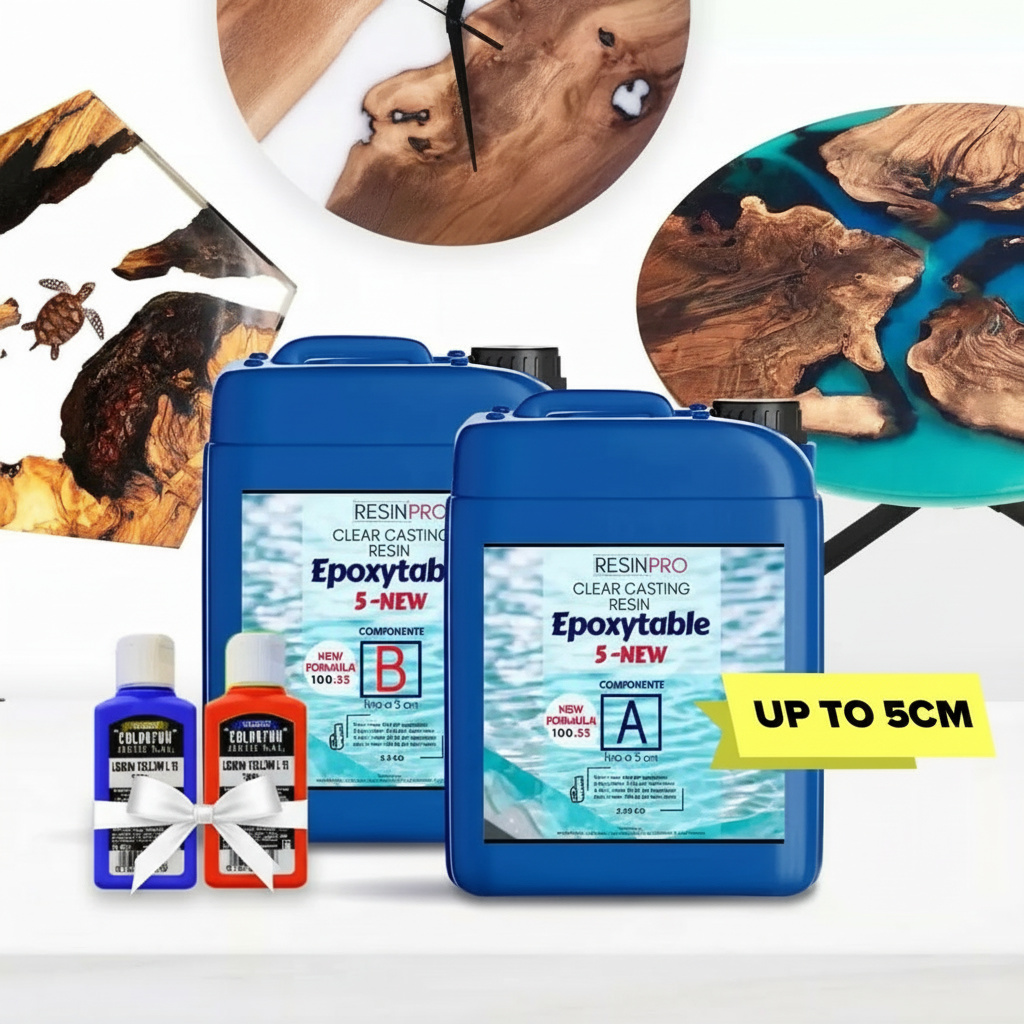
When working with resin tables, achieving a clear, smooth finish without bubbles or patchy spots is crucial to highlight your design. Below are effective techniques to help you avoid common pitfalls during resin application.
Layering Techniques for Clear Finishes
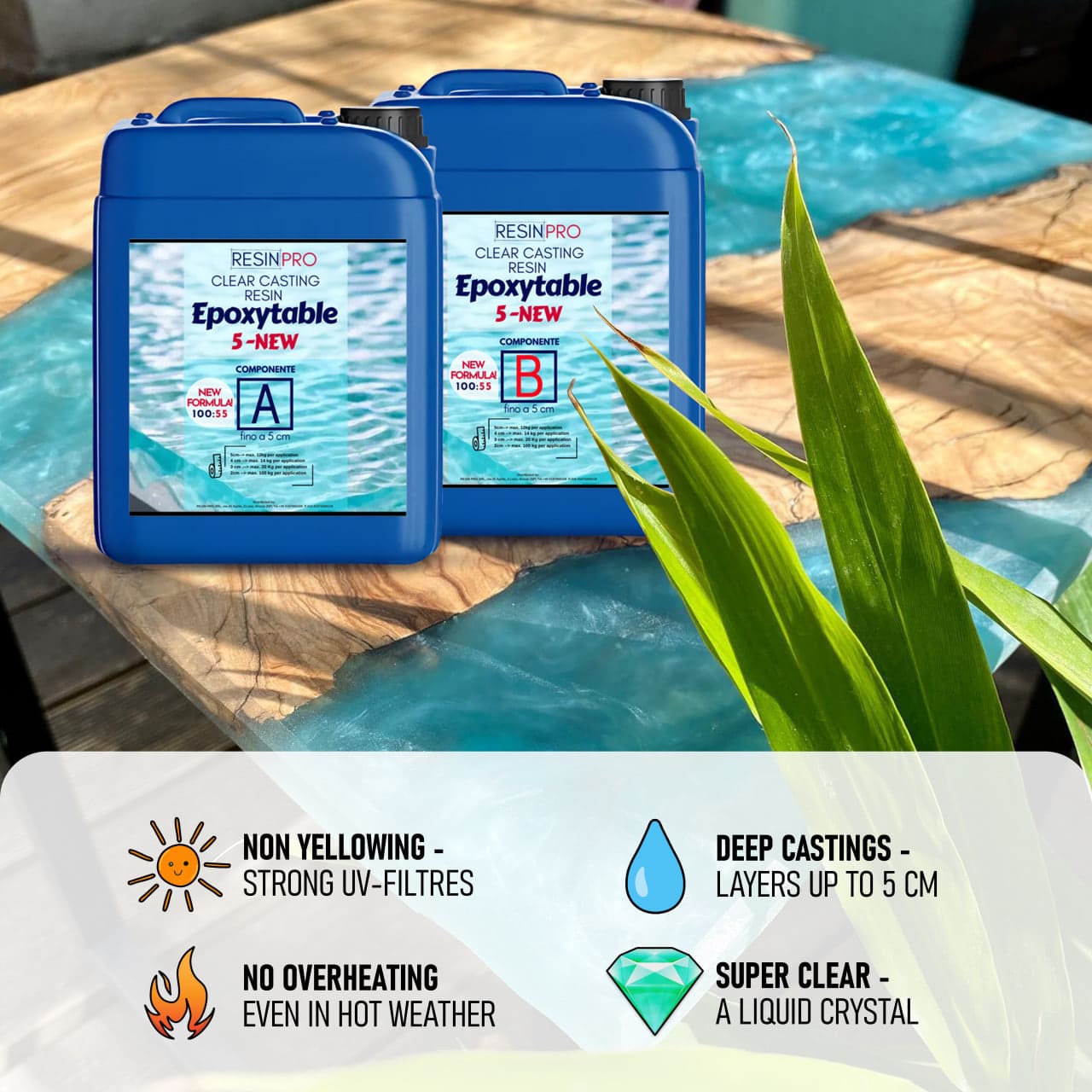
To reduce trapped air and curing issues, pour your resin in stages. For tables up to 5cm thick, such as those using EpoxyTable 5-Five, start with a thin sealing layer. After the first pour has set (typically 20 to 24 hours), proceed with successive pours to achieve your final thickness. This step-by-step layering allows air to escape and supports even hardening throughout the depth.


Practical Tips to Avoid Bubbles
- Mix resin and hardener slowly to minimise air introduction.
- Use a heat gun gently over the surface immediately after pouring to remove any surface bubbles; avoid excessive heat to prevent curing defects.
- If embedding decorative elements, do so only after the initial layer has begun to cure, and pour the remaining resin carefully to avoid disturbing the settled base.
- Ensure your workspace is free from dust and kept at a stable, moderate temperature for optimal results.
When This Matters Most
Bubble control and uniform curing are especially important with thicker pours or when clarity is essential for showing off embedded objects or natural timber grain. Following the right process also reduces the need for laborious sanding or polishing later on.
Related products
Related guides
By applying these techniques, your resin table projects will look professional and last longer. For more advice on resin table applications or comprehensive guides, visit our main page on applying resin to tables.