 Free shipping on orders over £29,85
  Shipping Tracking!


 Google
 Facebook
How is resin applied?
A practical guide to resin application tools and techniques


If you are beginning your journey with epoxy resin—whether for art, DIY, or professional projects—knowing how to apply resin with the right tools is essential for a smooth and durable finish. This page covers essential resin application tools, how each supports your technique, and which is best suited for specific surfaces or effects. Ideal for crafters, artists, and makers seeking reliable, mess-free resin results.
Overview: Tools and Techniques for Resin Application
Applying epoxy resin successfully relies on both choosing the right tool and perfecting your technique. Brushes, rollers, spatulas, and specialist accessories each play distinct roles in surface preparation, spreading, or finishing. Short-pile rollers deliver controlled coverage on detailed areas, large rollers speed up work on big surfaces, while spatulas and silicone brushes lend precision for artistic finishes and edges. Additionally, isopropyl alcohol supports bubble removal and effect work. Selecting the ideal tool directly affects the final resin layer’s smoothness and uniformity.

Essential Resin Application Tools in Action
See the difference proper resin tools make: uniform coverage, minimised bubbles, and smooth finishes are achieved with the right roller, brush, spatula or additive. Using each tool as intended ensures consistent results and avoids common application issues.
Resin & Paint Application Rollers – Short-Pile, Large, and Sponge Types
The Resin & Paint Application Rollers – Short-Pile, Large, and Sponge Types are crafted for versatile and consistent epoxy resin application. Use the 10cm short-pile roller for detailed edges or small sections, and the 20cm roller for efficiently coating large surfaces such as floors, worktops, or panels. The sponge roller stands out for its self-levelling properties, aiding a flawless surface without visible lines or air pockets. These rollers are a must-have for anyone seeking both speed and precision when working with resin.
Tooth Shaped Spatula for Epoxy Resin Application
For achieving a completely even resin layer, especially across tables, trays, or art boards, the Tooth Shaped Spatula for Epoxy Resin Application offers effortless control. Its unique notched edge enables you to spread resin uniformly—minimising defects, bubbles, and uneven thickness. It works brilliantly both on large and compact pieces, helping hobbyists and professionals accomplish smooth professional finishes regardless of project scale.
Reusable Silicone Resin Brush for Epoxy Art and Wood Applications
If you need detail and reusability, the Reusable Silicone Resin Brush for Epoxy Art and Wood Applications is ideal. Its silicone bristles glide resin delicately over art surfaces or intricate wooden projects, allowing fine control for layering, sealing, or creating gradient effects. The brush cleans easily with soapy water for repeated use—a sustainable choice for frequent creators with varied resin tasks.
Pure Isopropyl Alcohol 99.9% – 1000ml Bottle for Epoxy Resin Projects & DIY
The Pure Isopropyl Alcohol 99.9% – 1000ml Bottle for Epoxy Resin Projects & DIY complements your application process by quickly eliminating surface bubbles and supporting striking effects in resin art. Just a few drops across the surface help burst trapped air, delivering a crystal-clear finish. It also doubles up for cleaning moulds and preparing materials, making it a handy addition to your resin workspace.
Tips for Surface Preparation and Flawless Resin Application
For impeccable resin results, always work on a clean, level surface. Prepare all tools before mixing resin to ensure even, uninterrupted application. Use a short-pile or sponge roller to avoid excess pooling; for edges and detail, switch to a silicone brush or notched spatula. Remove air bubbles promptly using isopropyl alcohol and double-check for dust or foreign objects between layers. Cleaning tools immediately after use guarantees longevity and ready performance for your next project.
Expert Advice for Resin Success
Plan your workspace for dust-free results, prepare your tools ahead of time, and always check the compatibility of your surfaces and resin type. Simple steps like using a high-purity isopropyl alcohol to remove bubbles can greatly improve your finished projects.

- Resin & Paint Application Rollers – Short-Pile, Large, and Sponge TypesPrice range: £3.62 through £5.09Rollers designed for precise and uniform application of epoxy resin, suitable for detailed and larger surfaces in resin projects.
- Tooth Shaped Spatula for Epoxy Resin Application£3.45The Tooth Shaped Spatula is designed for precise and even epoxy resin application on various surfaces.
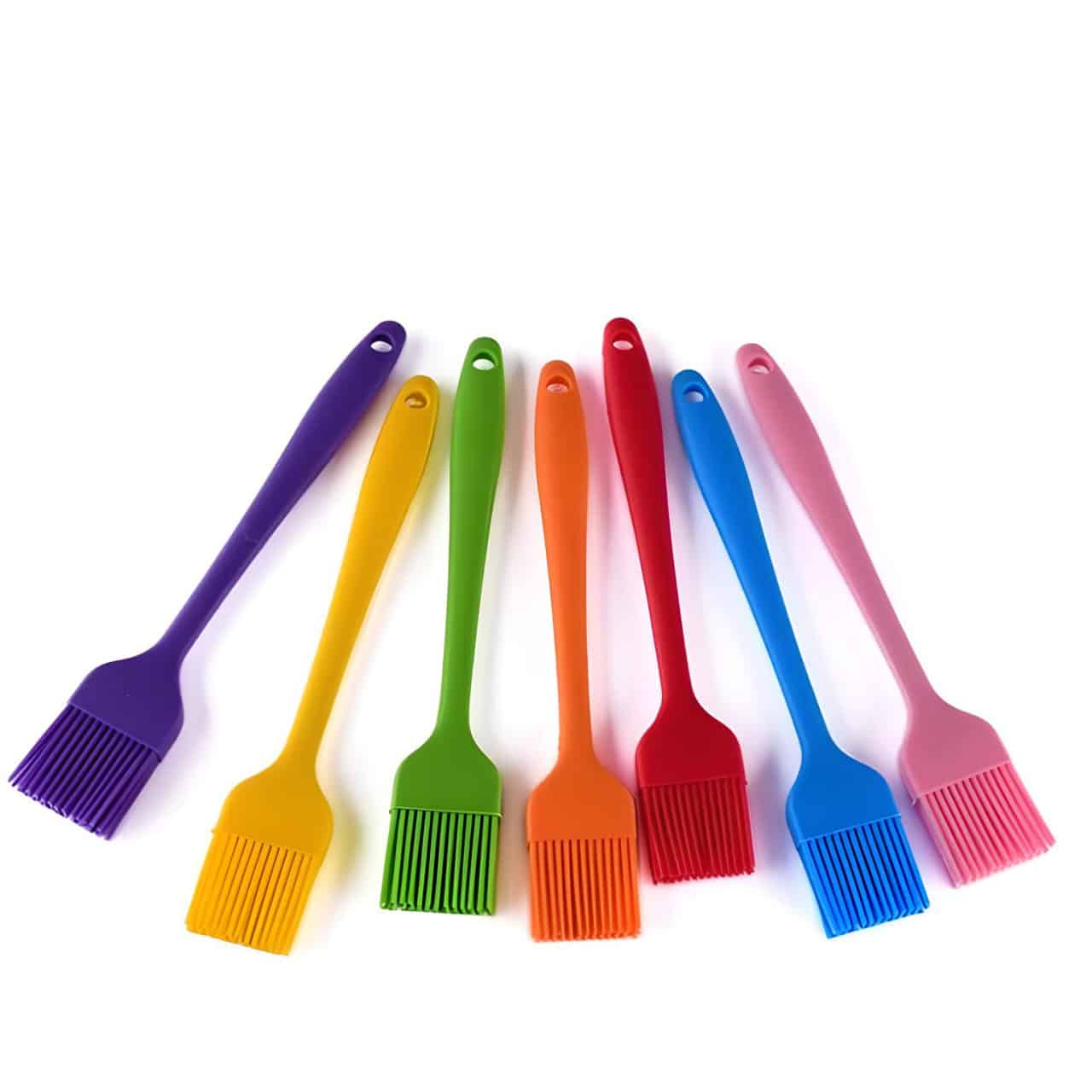 Reusable Silicone Resin Brush for Epoxy Art and Wood Applications£3.62Reusable Silicone Resin Brush enables smooth resin application with easy cleaning and eco-friendly reuse, suited for art and wood projects.
 Pure Isopropyl Alcohol 99.9% – 1000ml Bottle for Epoxy Resin Projects & DIYPrice range: £10.45 through £20.95Pure Isopropyl Alcohol supports epoxy resin projects for bubble removal and creative effects, fitting the theme of resin application.
Frequently Asked Questions
What roller type should I use for detailed resin work?
The short-pile 10cm roller is designed for edges and detailed areas, offering better control without excess resin.
Which roller is best for covering large resin surfaces quickly?
The large 20cm roller is suitable for fast coverage of bigger areas.
How can I achieve a smooth and even resin finish?
Using the sponge roller provides a self-levelling effect that helps achieve a flawless surface.
What tool can be used for even application of epoxy resin?
A tooth shaped spatula is designed to apply epoxy resin evenly, reducing bubbles and uneven layers.
Is a notched spatula suitable for both large and small surfaces?
Yes, the tooth shaped spatula is designed to work efficiently on surfaces of various sizes.
What tools are suitable for applying epoxy resin?
Silicone brushes like this one are commonly used for precise and controlled application of epoxy resin in art and wood projects.
How can I clean tools used for resin application?
Tools such as silicone brushes can be cleaned effectively with warm soapy water shortly after use to maintain their condition.
How does isopropyl alcohol help in resin application?
Drops of isopropyl alcohol applied to mixed resin can remove trapped air bubbles, resulting in a smoother surface finish.