 Free shipping on orders over £29,85
  Shipping Tracking!


 Google
 Facebook
← Back to How to coat a nautical steel bracket with resin?

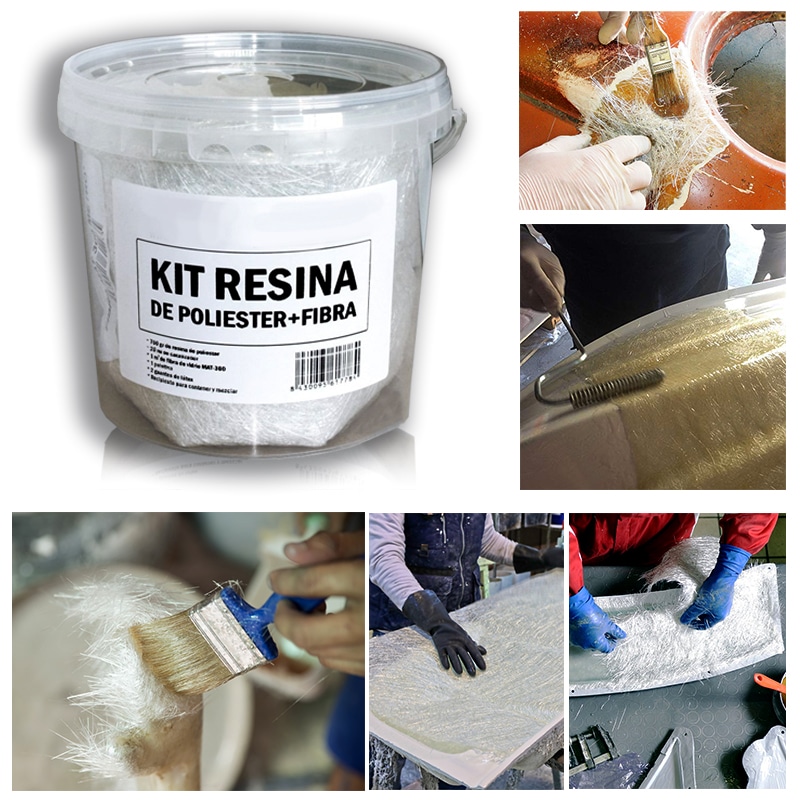
Bubbles and blisters are common challenges when coating nautical steel brackets with resin. Properly addressing these defects is vital to achieve a smooth, durable finish and ensure long-term protection against the elements.
Why Bubbles or Blisters Form
Bubbles can develop in resin coatings due to trapped air, excessive application thickness, or moisture on the steel bracket’s surface. Blisters often result from incomplete curing or contamination. Both issues not only detract from the final appearance but can also compromise water resistance if left untreated.
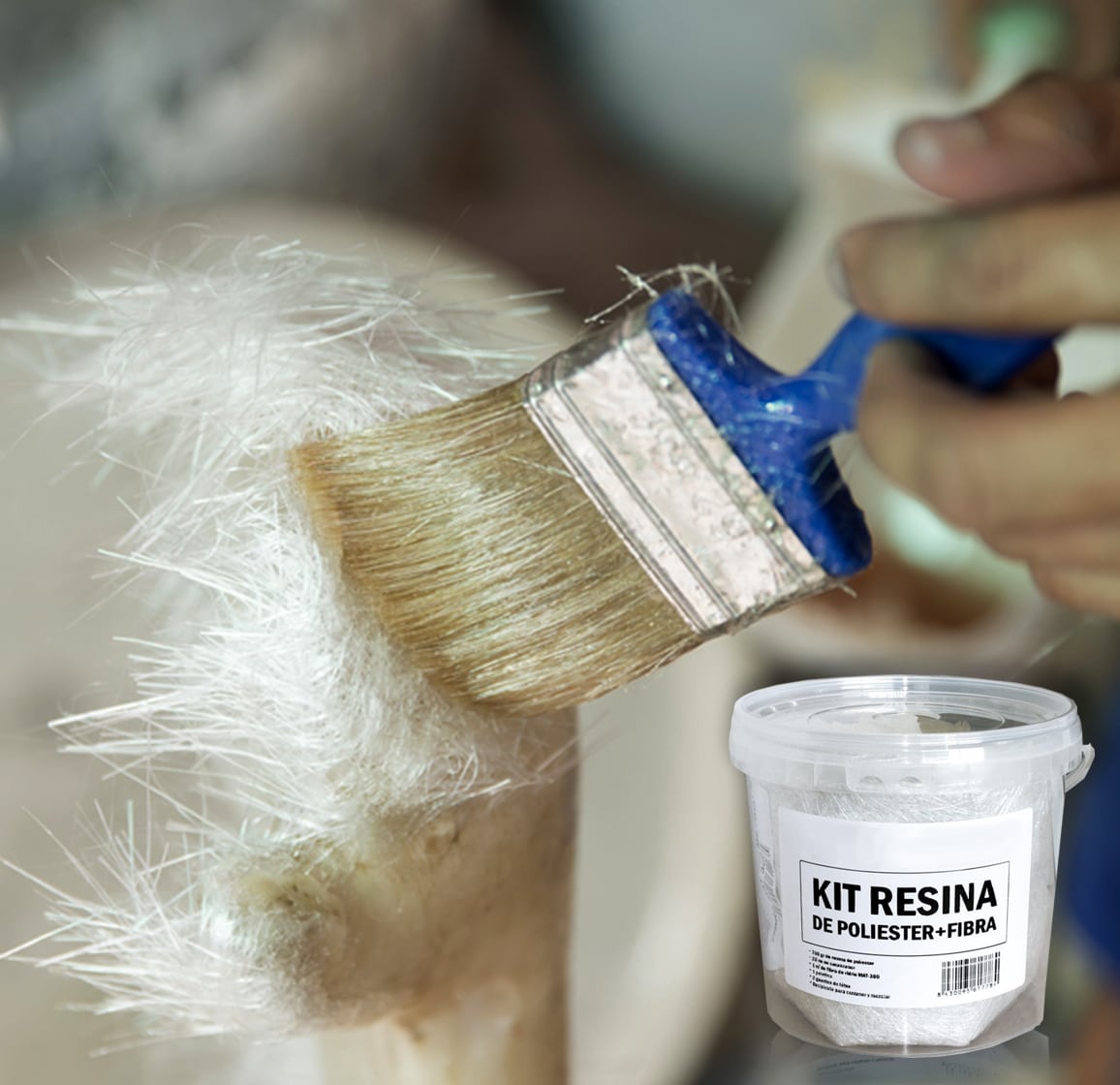
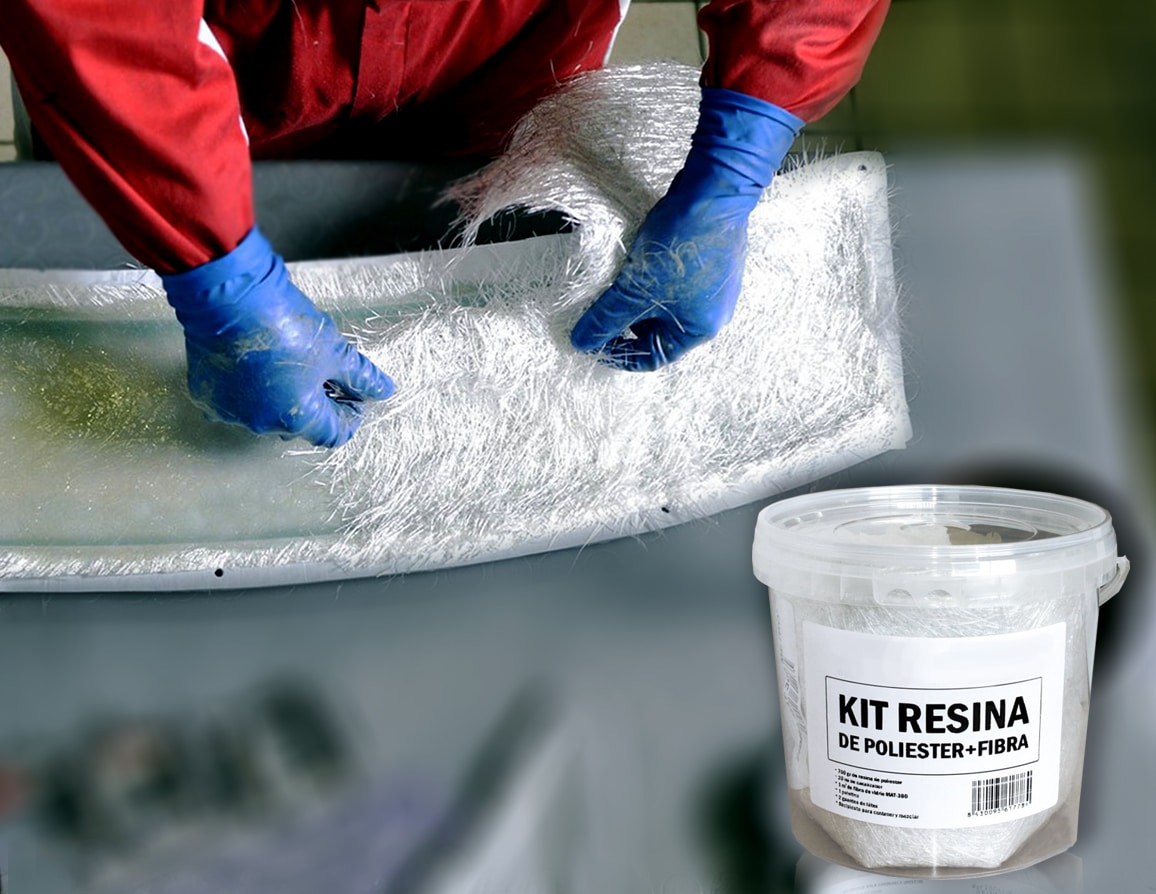
Step-by-Step Correction Process
- Allow the resin to cure fully: Do not attempt to fix bubbles until the layer is completely set.
- Sand imperfection zones: Use fine-grit sandpaper and gently sand the affected areas until smooth, taking care not to damage surrounding layers.
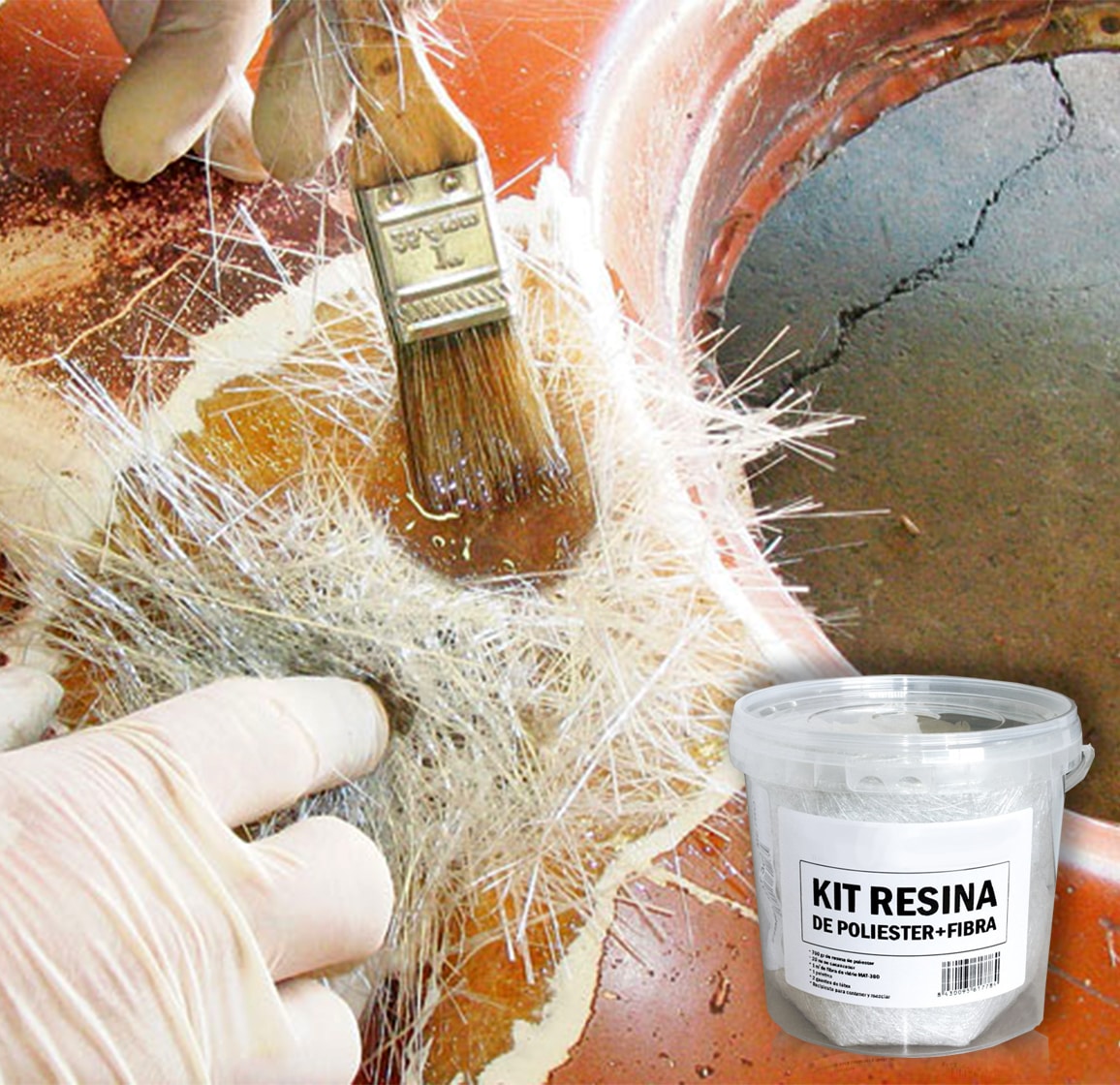
- Reapply resin: Clean off any dust, then mix and apply a thin, even coat of resin such as the Resin Fibreglass Repair Kit or a bubble-resistant product. Work carefully to reduce the introduction of new air pockets, and consider using a roller or brush suitable for resin application.
When Meticulous Repair Matters
In marine environments, even minor surface imperfections in a resin coating can lead to moisture ingress and premature corrosion of steel brackets. For long-term reliability, smooth repairs and proper recoating are especially important on components exposed to constant wetting, physical impacts, or UV exposure.
Related products
Related guides
Restoring a flawless resin surface not only improves the appearance of your nautical steel bracket but also reinforces its protection in harsh conditions. For more information on effective coating techniques and suitable resin products, see our main guide on coating nautical steel brackets with resin.