 Free shipping on orders over £29,85
  Shipping Tracking!


 Google
 Facebook
← Back to How do you make resin for wood?

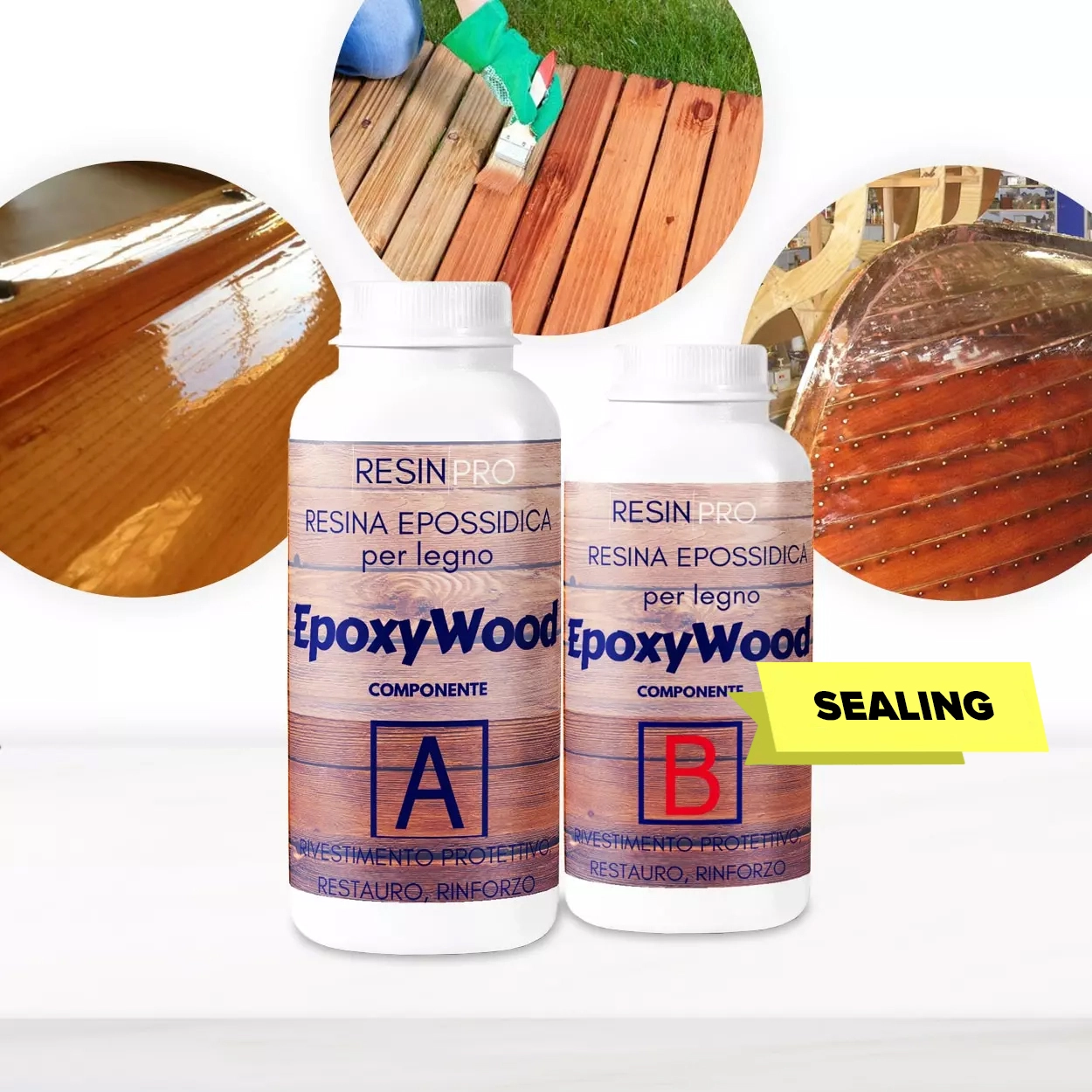
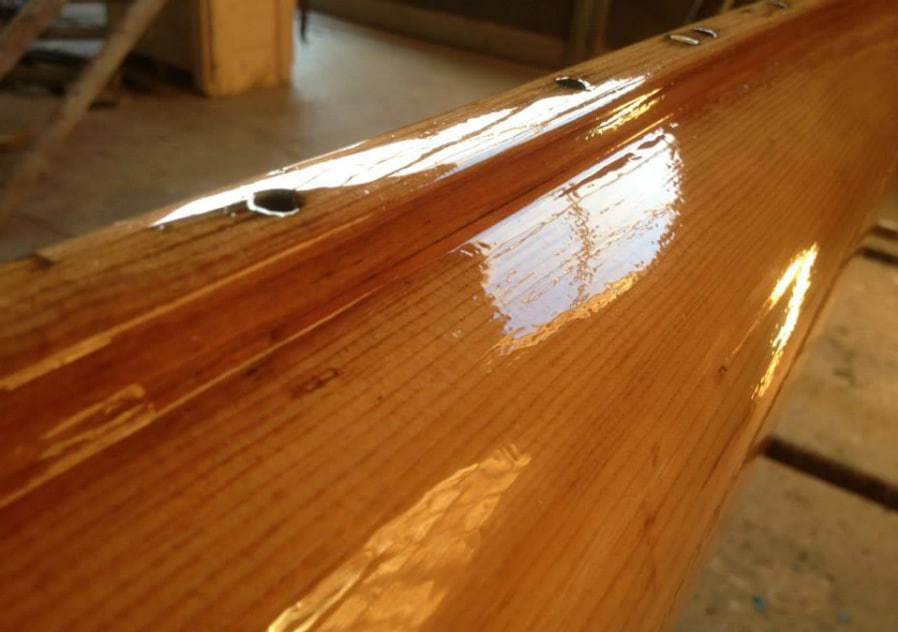
When working with resin and wood, achieving a smooth, strong finish relies not just on materials, but also on controlling curing conditions. Understanding and managing temperature, humidity, and environment can make all the difference to the final quality of your project.
Why Curing Conditions Matter
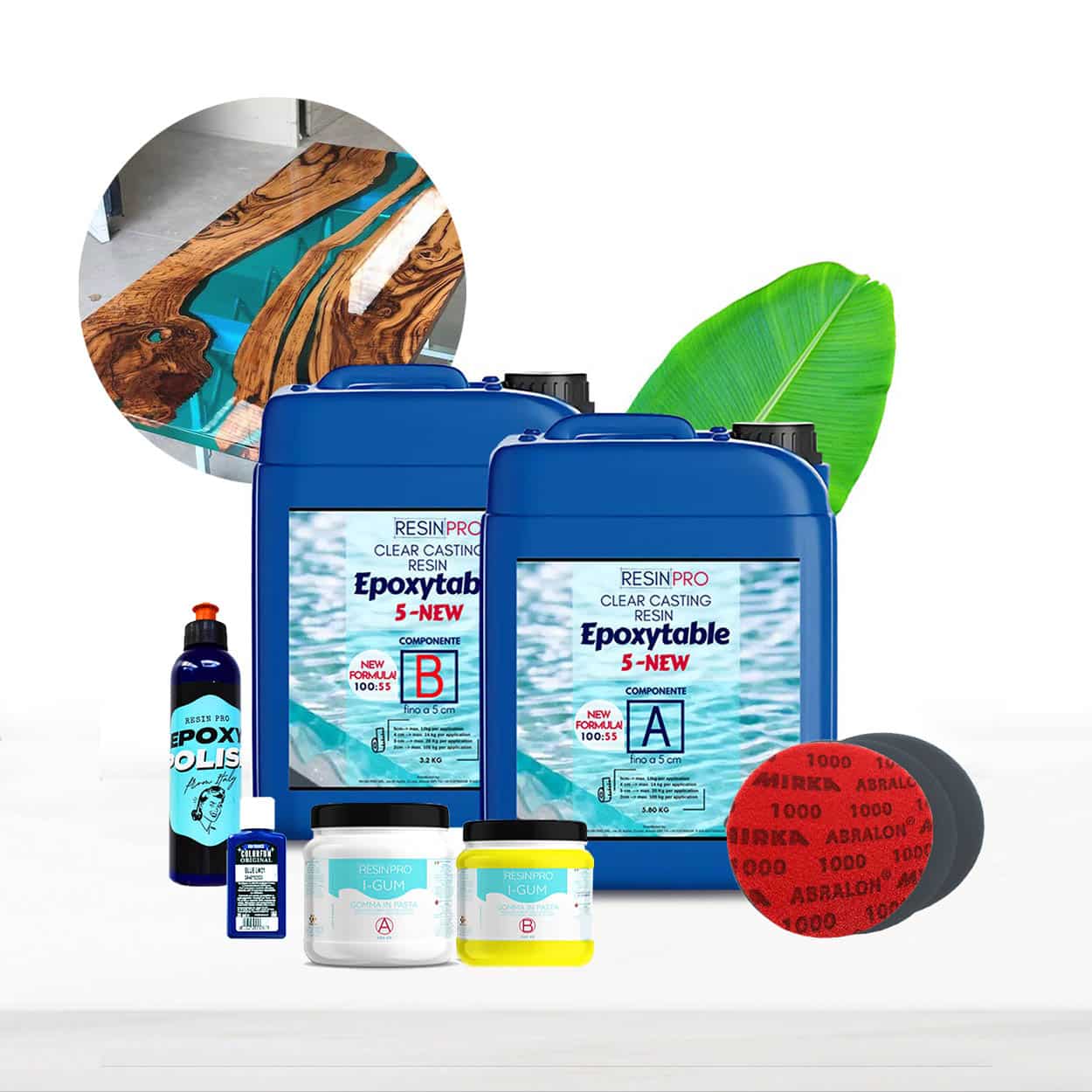
The curing process for epoxy resin is highly sensitive to its surroundings. Fluctuations in temperature or moisture can cause cloudiness, bubbles, or uneven hardening. Especially for deep pours, such as those made with EpoxyTable 5-Five, the right environment encourages a gradual, even cure and minimises issues like warping or tacky surfaces.
Best Practices for Temperature and Humidity
- Keep temperatures stable: Aim for a room temperature between 18–24°C for most resin systems. Avoid working in spaces prone to draughts or direct sunlight.
- Reduce humidity: High moisture levels can affect clarity and cause a milky finish. Whenever possible, work in a dry space and avoid rainy days or damp workshops.
- Allow for adequate airflow: Good ventilation helps dissipate fumes, but strong airflow or fans blowing directly onto the project can disturb the surface and introduce dust or debris.
Simple Guidance for Better Results
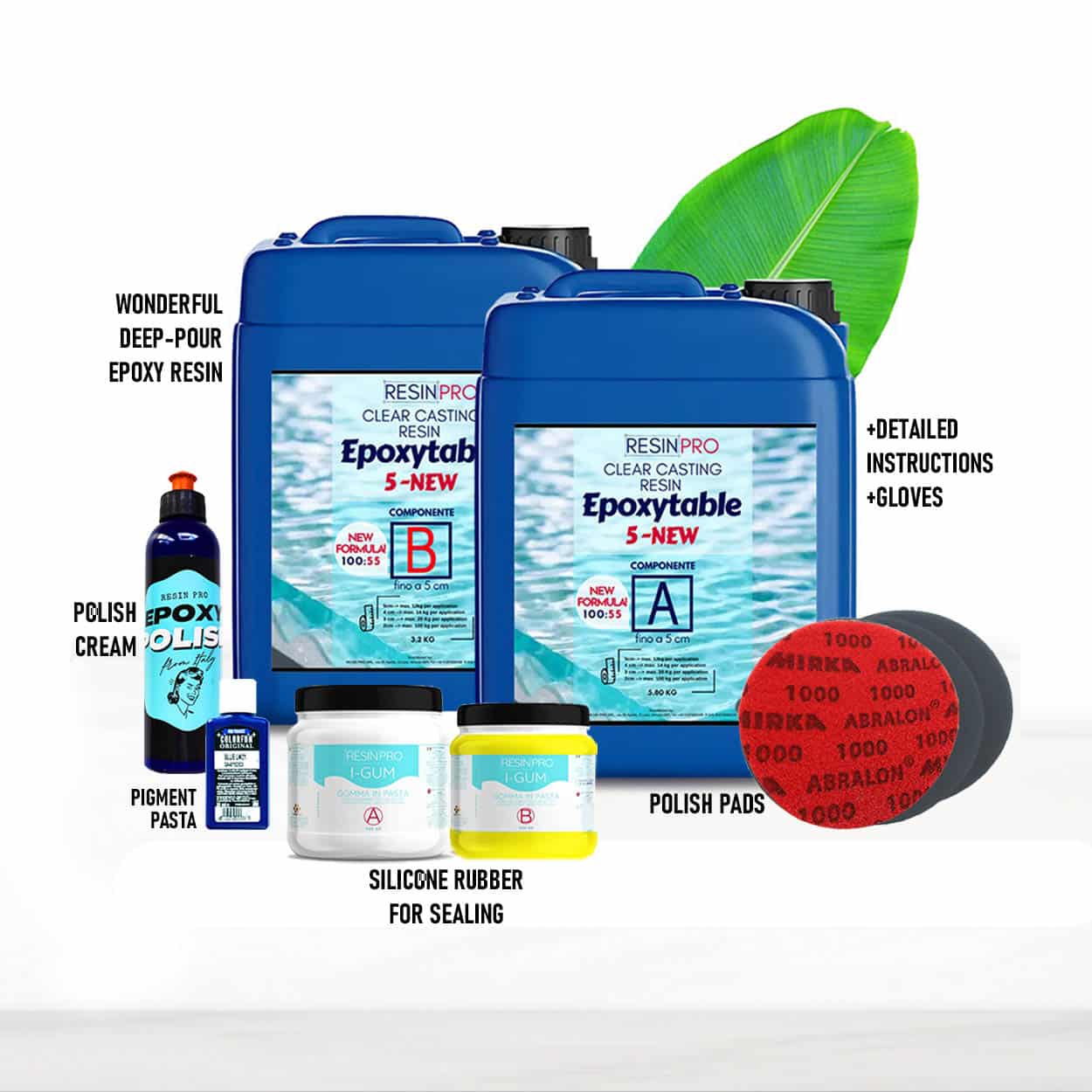
Prepare your workspace in advance and cover your project while it cures to prevent dust settling. Always mix resin and hardener thoroughly as per the instructions for your chosen product. If you are pouring in thicker layers—especially greater than 2 cm—consider products purpose-built for deep pours, such as Epoxytable 10-Ten. Cast in thin layers for very large projects to avoid heat build-up and related defects.
When This Matters Most
Meticulous control of curing conditions is especially important for projects like resin river tables, large castings, and any time you need a flawless, transparent finish. Consistency in environment ensures that even intricate designs achieve the professional quality you’re aiming for.
Related products
Related guides
Mastering curing conditions is a key step in the art of making resin for wood. For more tips and a full overview of resin use with wooden surfaces, see our complete guide to making resin for wood.