 Free shipping on orders over £29,85
  Shipping Tracking!


 Google
 Facebook
← Back to How do you apply enameling resins?
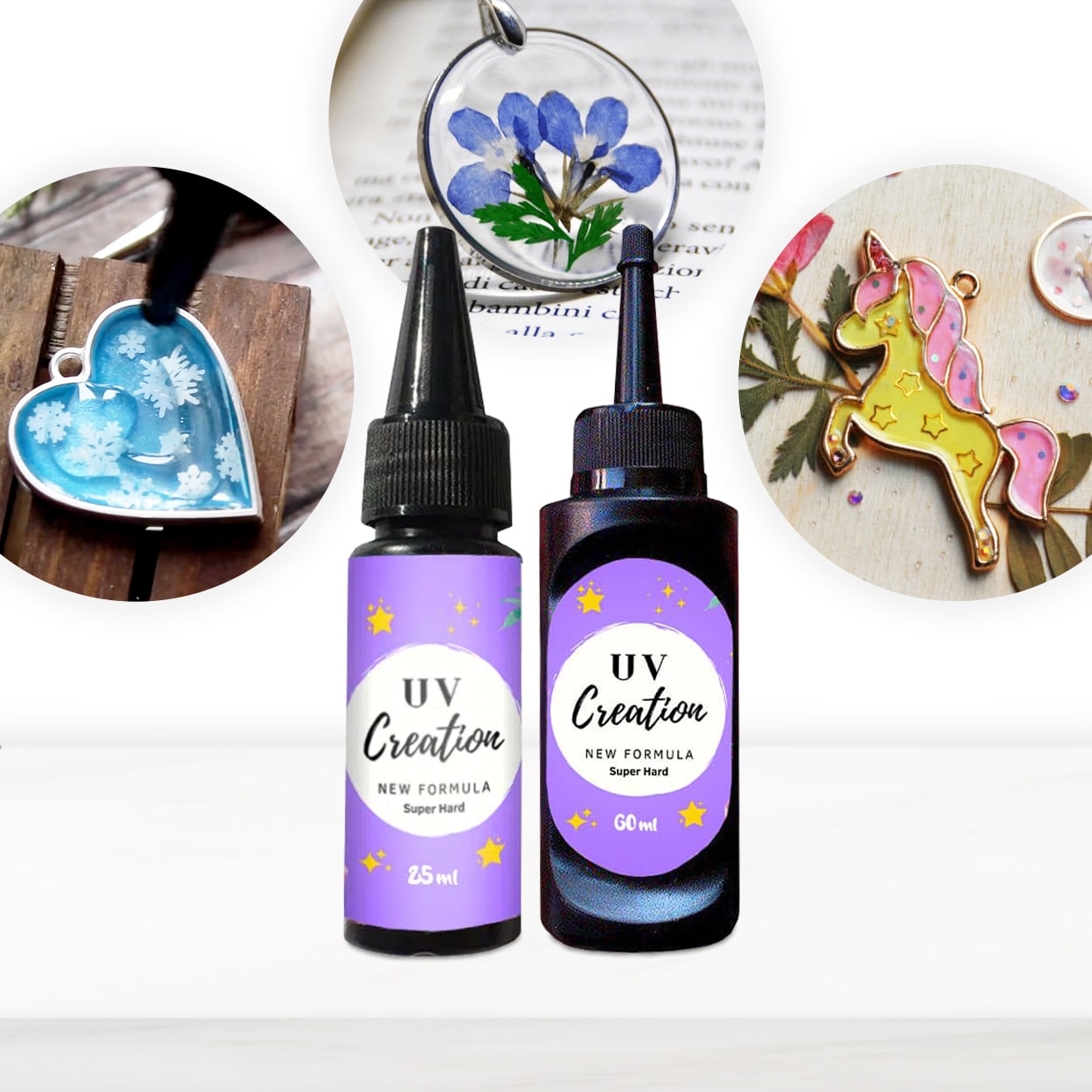
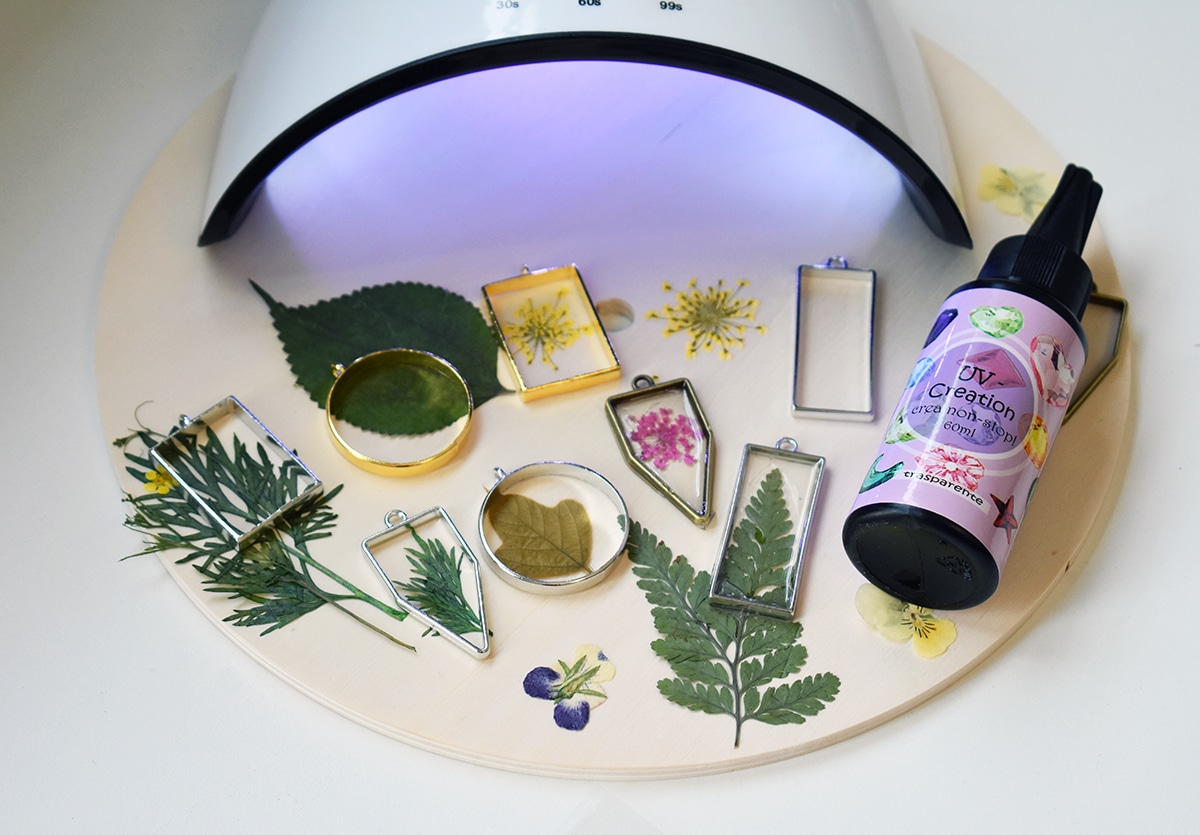
UV resins offer quick and tidy results for small jewellery and craft projects, but their curing process depends entirely on exposure to UV light. Understanding this limitation will help you get flawless, durable creations without surprises.
How UV Resins Cure: The Light-Only Principle
UV resin is formulated to harden (cure) rapidly when exposed to ultraviolet light. Unlike traditional two-part resins, the reaction in UV resin won’t start until UV rays hit the material directly. Any resin shielded by opaque objects, dense colours, or underneath deeper layers will remain liquid, as the light cannot reach those hidden areas.
- All surfaces requiring a solid cure must be directly exposed to the UV source.
- Thickness is best kept below 3 mm per layer to ensure full light penetration.
Practical Tips for Reliable Results
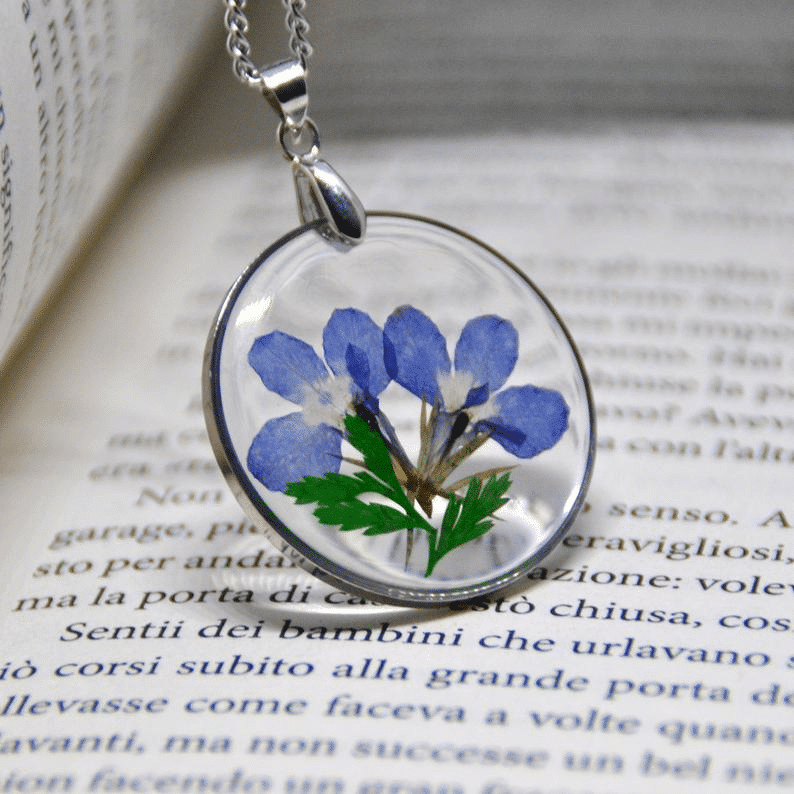
Successful UV resin work relies on careful application. To avoid tacky or under-cured spots:
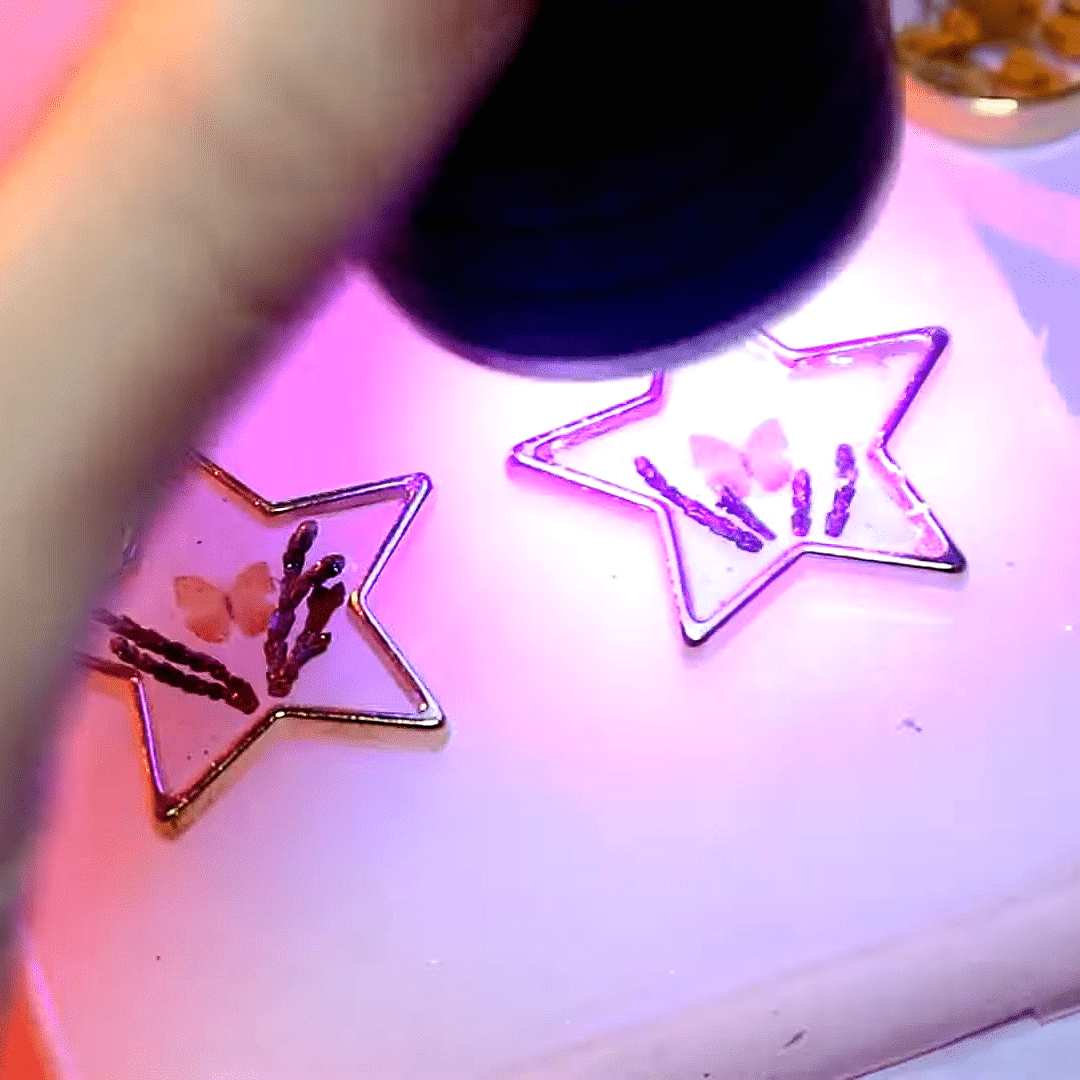
- Work in thin, even layers and cure each before adding the next.
- Choose transparent or compatible colourants (such as Colourfun), as mentioned with products like “UV–Creation” Fast Acrylic Resin. Avoid alcohol inks, as they may interfere with curing.
- Use a strong, even UV lamp, and reposition your piece during curing for all-round exposure if possible.
When This Matters Most
Pay special attention when filling bezels, coating intricate jewellery, or casting small objects. If any section is shielded from light, it may stay soft or sticky, leading to cloudiness and reduced durability.
Related products
Related guides
Being mindful of UV light exposure transforms your results with UV enameling resins. For more on application tips and resin options, see our main guide on applying enameling resins.