 Free shipping on orders over £29,85
  Shipping Tracking!


 Google
 Facebook
What won’t epoxy resin stick to?
Surfaces and moulds that ensure easy epoxy resin removal

Knowing which materials epoxy resin won’t stick to is essential for any artist, crafter, or DIY enthusiast working with resins. If you are casting, coating, or moulding, choosing the right non-stick surface or mould is key to success—preventing damage to your pieces and making demoulding simple. On this page, we compare top-performing non-stick moulds and putty solutions, guiding you towards the right products to use for flawless resin releases every time.
Key Surfaces Epoxy Resin Will Not Bond To
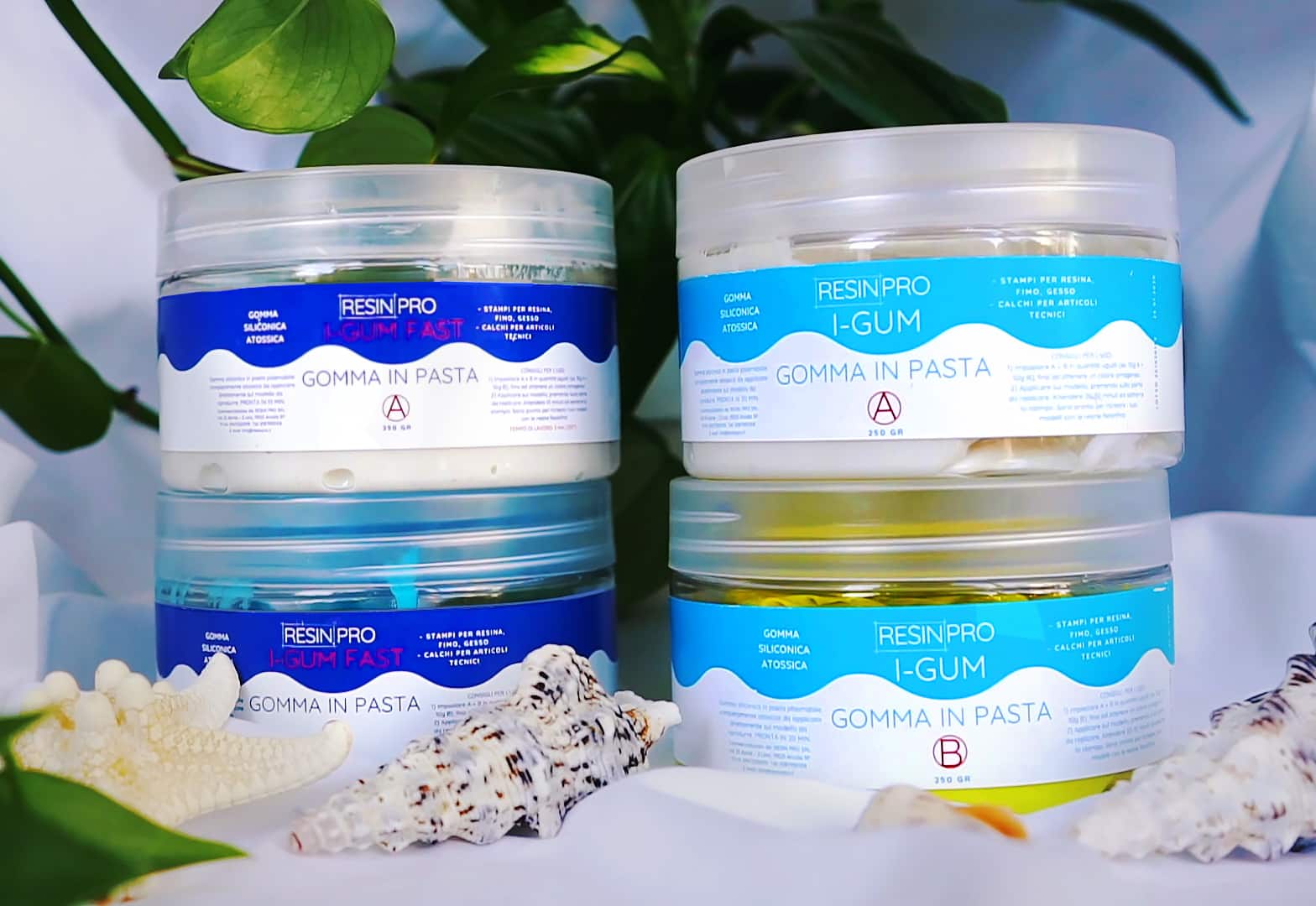
Epoxy resin tends not to adhere to certain materials, with silicone being the most reliable non-stick option. Silicone’s flexible, smooth surface and resistance to resin chemistry make it perfect for reusable moulds, trays, and forms. Silicone putties, such as “I–Gum” – Non-Toxic Silicone Putty for Mould Making, are purpose-built for creating custom moulds that ensure clean resin removal. Standard silicone moulds, found in our Silicon Rubbers and Artistic Design Moulds & Coasters categories, are also widely recognised for their non-stick performance. In contrast, resin may bond to many plastics, untreated metals, or porous surfaces—so always opt for dedicated non-stick materials for resin work.
Silicone’s Role in Resin Release
Silicone materials stand out for their inherent non-stick qualities. Artists choose silicone for its flexibility and reliability, making demoulding cured resin easy and protecting the integrity of creative work. From intricate detail to smooth coasters, silicone-based putties and moulds prevent unwanted adhesion.
“I–Gum” – Non-Toxic Silicone Putty for Mould Making
“I–Gum” – Non-Toxic Silicone Putty for Mould Making is specifically designed for creating custom, reusable forms where epoxy resin will not stick. The two-component putty mixes easily in a 1:1 ratio, with no strong odours and a non-toxic formula—so you can even work without gloves. Its exceptional non-stick characteristics make it ideal for casting unique shapes, intricate details, or for users who want to create their own bespoke moulds for resin, polyurethanes, wax, or cement projects. The superior formula ensures easy demoulding every time, streamlining your creative process.
Silicone Coaster Moulds – Ready-Made Non-Stick Surfaces
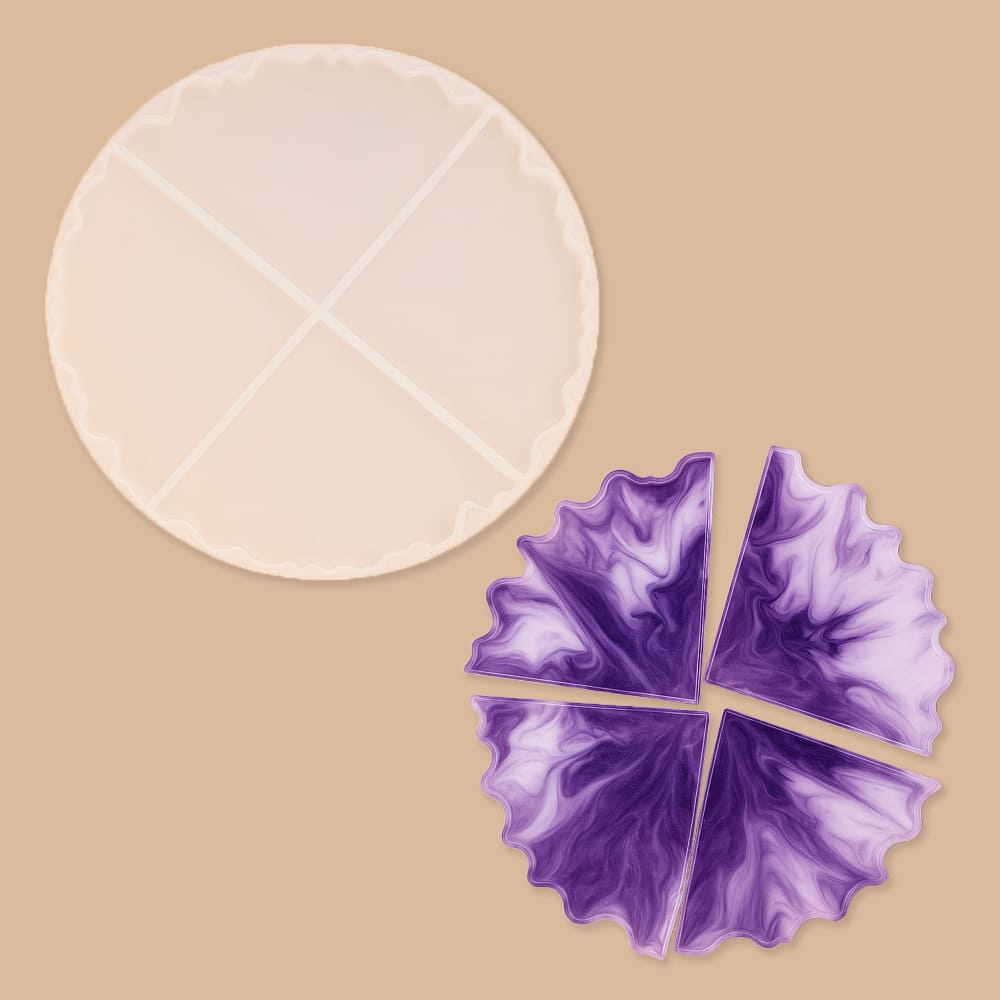
The “Four in One” – Silicone Coaster Mould, 21cm Diameter offers a smooth, professional finish with straightforward resin release. Its reusable, semi-transparent silicone composition means you can cast repeatedly without worrying about residue or build-up. This mould is easy to clean and is best used with heat-resistant resin for coasters or functional art pieces, ensuring professional results with minimal effort. Always avoid aggressive solvents and do not leave resin in the mould beyond the recommended 12 hours.
Triangle Tray Silicone Mould – 32x22x1cm
The Triangle Tray Silicone Mould – 32x22x1cm is ideal for those seeking a wider tray or geometric shape. Its silicone construction guarantees a non-stick environment for resin casting, so cured trays pop out cleanly. Like all high-quality silicone moulds, it is heat-resistant—from -40°C up to 210°C—making it compatible with a range of resin types and ideal for adding coloured layers, inclusions, or heat-resistant clear tops to trays and coasters.
“Pyramid” – Silicone Mould for Resin Casting, 11x11x6.5cm
For resin artists interested in 3D forms, the “Pyramid” – Silicone Mould for Resin Casting, 11x11x6.5cm presents a flexible, high-resistance silicone solution that does not bind with epoxy. This mould supports the creation of jewellery boxes or display pieces, and its easy-clean, soft silicone means there’s no need for extra release agents. Just ensure your cast resin is removed from the mould within 12 hours to maintain peak performance and prevent any accidental adhesion in fine details.
Choosing the Best Non-Stick Materials for Resin Projects
When working with epoxy resin, prioritising non-stick surfaces ensures your creations are easy to release and remain pristine. Silicone is consistently the most reliable and popular option, coming in various mould shapes, trays, and customisable putties. Whether you make coasters, trays, jewellery boxes, or bespoke shaped art, always use moulds and products purposely designed for resin. Avoid lingering resin in any mould for too long and keep to manufacturer guidelines for cleaning. Remember: aggressive solvents can degrade silicone over time, so rely on gentler cleaning practices.
Caring for Silicone Moulds
To maximise the life of your silicone moulds, clean only with gentle agents. Avoid aggressive solvents that may damage the non-stick surface, and remove resin promptly once cured. Consistent care will ensure flawless results across many casting projects.
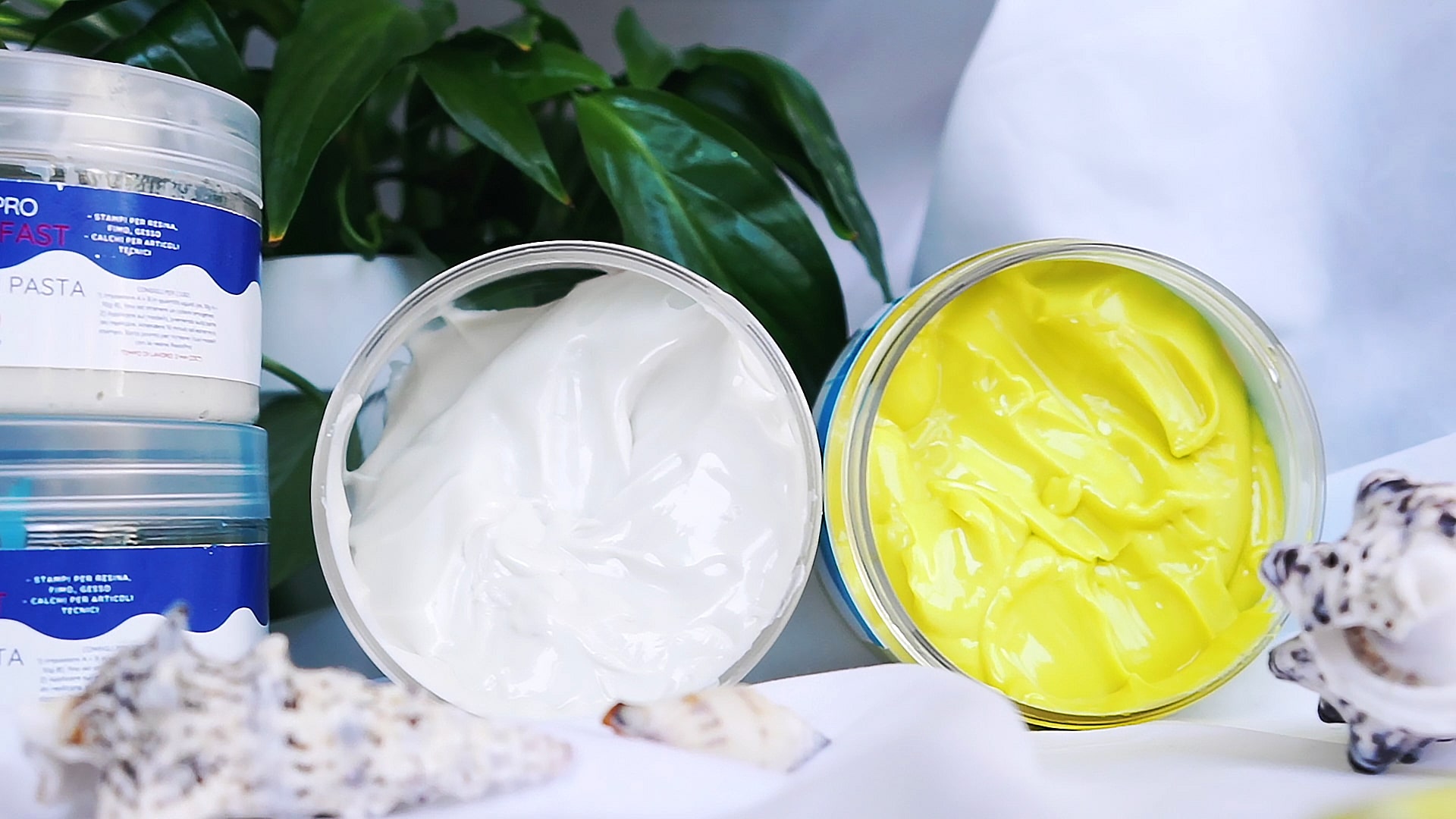
- "I–Gum" – Non-Toxic Silicone Putty for Mould MakingPrice range: £24.00 through £104.95"I–Gum" silicone putty is designed for mould making with epoxy resin and other materials, suitable for use without gloves in a non-toxic, low-odour…
- "Four in One" – Silicone Coaster Mould, 21cm DiameterOriginal price was: £10.95.£8.95Current price is: £8.95."Four in One" – Silicone Coaster Mould offers a reusable, non-stick silicone option for crafting coasters with a professional finish.
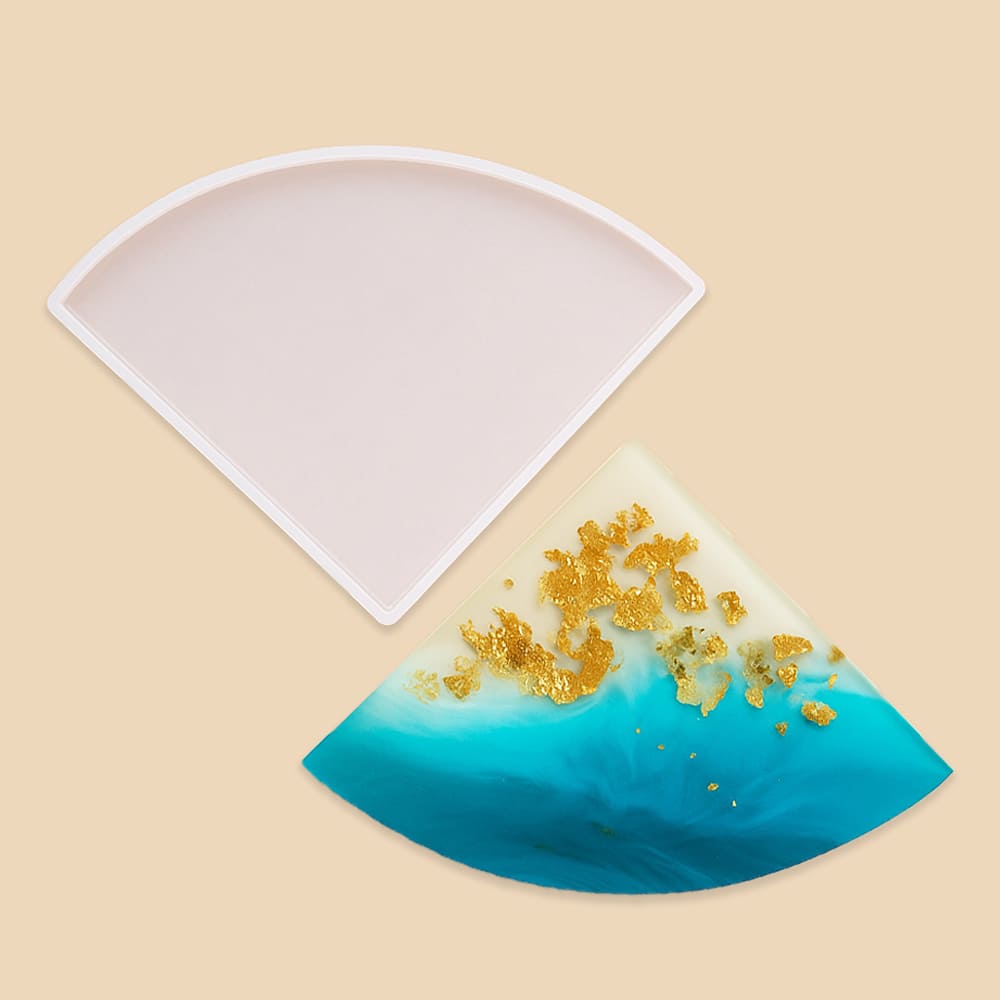 Triangle Tray Silicone Mould – 32x22x1cmOriginal price was: £12.95.£11.45Current price is: £11.45.This Triangle Tray Silicone Mould provides a reusable, non-stick surface suitable for crafts with heat-resistant resin.
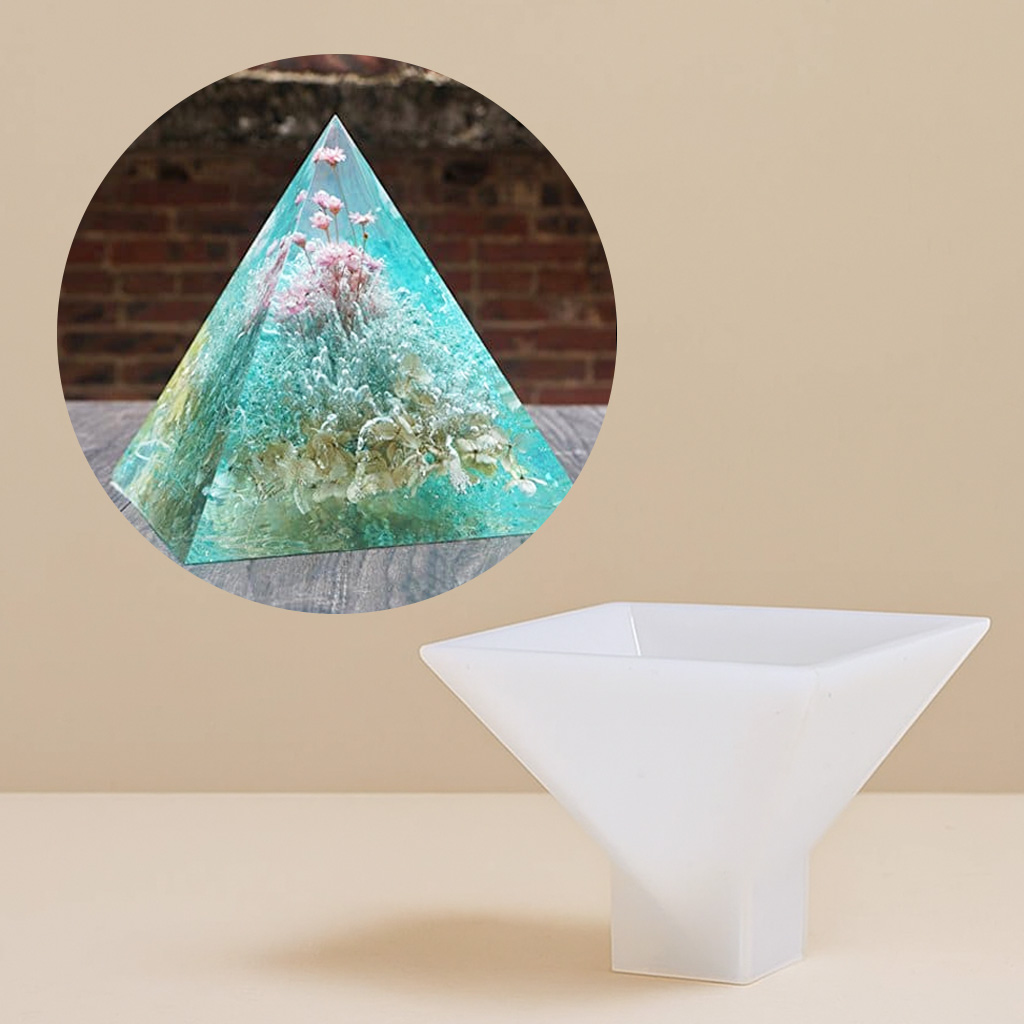 "Pyramid" – Silicone Mould for Resin Casting, 11x11x6.5cmOriginal price was: £8.45.£7.45Current price is: £7.45."Pyramid" silicone mould designed for resin casting jewellery boxes in a non-stick, durable format.
Frequently Asked Questions
Will epoxy resin stick to silicone moulds?
Epoxy resin will not usually stick to silicone moulds, making them ideal for repeated resin casting.
What materials prevent epoxy resin bonding?
Silicone is the most reliable material for preventing epoxy resin adhesion, especially in reusable moulds.
Can other surfaces be used with epoxy resin?
Other plastics, treated metals, or waxed surfaces might sometimes release resin, but silicone guarantees the best results.
How do I clean silicone moulds after resin casting?
Use mild soap and water to clean silicone moulds. Avoid strong solvents that can degrade the non-stick surface.
Why should I remove resin from moulds promptly?
Leaving resin in silicone moulds for too long can sometimes lead to localised sticking, especially in fine details.
Can I use release agent with silicone moulds?
Silicone moulds do not require a release agent for epoxy resin, though it may offer added protection if desired.