 Free shipping on orders over £29,85
  Shipping Tracking!


 Google
 Facebook
← Back to How to use two-component resin to waterproof?

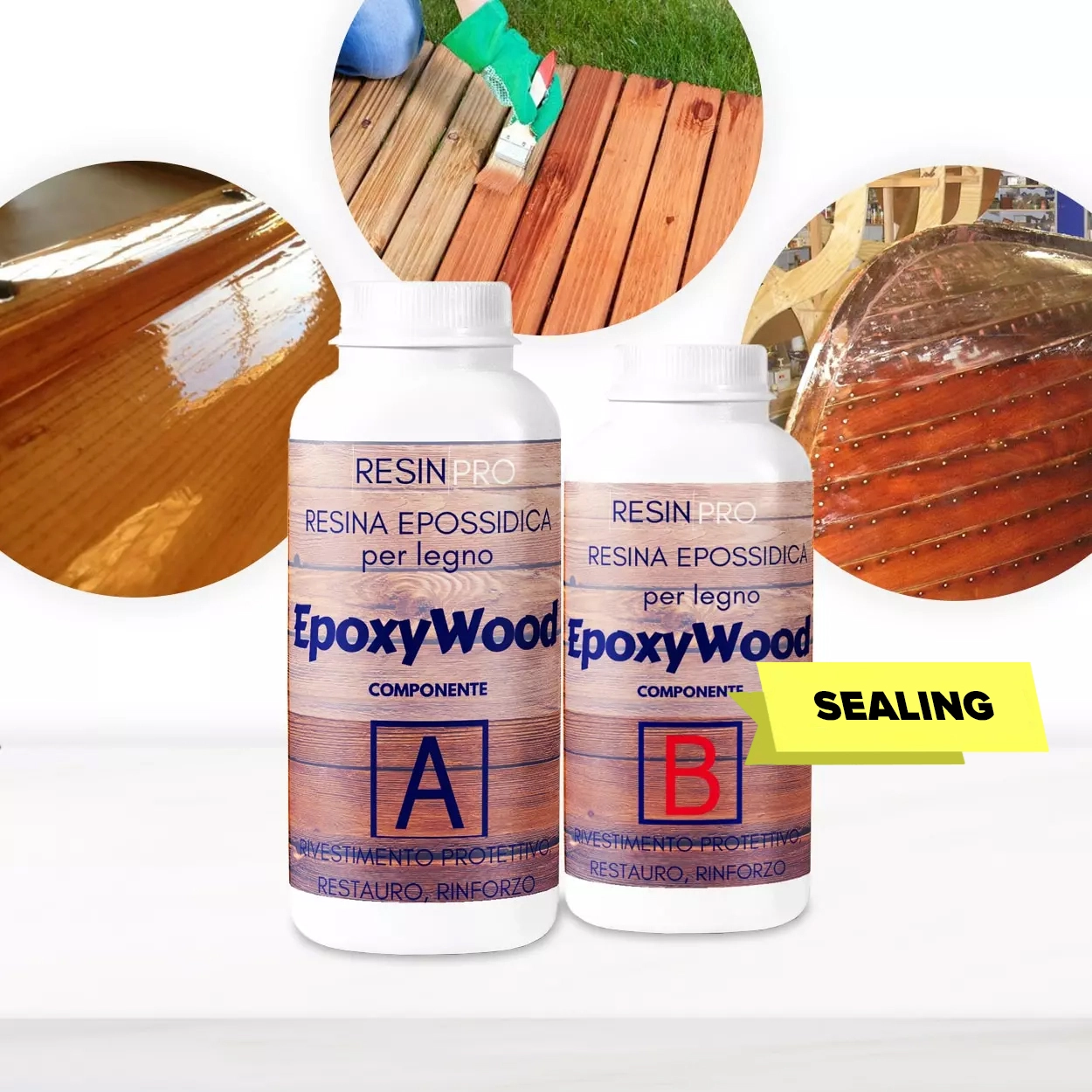
Using two-component resin for waterproofing is highly effective, but applying layers that are too thick can create issues that undermine your results. For long-lasting waterproof protection, understanding how and why to use thin, controlled layers is essential.
Why Thinner Layers Matter
Pouring overly thick layers of resin may seem like a time-saver, but it can actually cause several problems. Thick applications increase the risk of bubbles, incomplete curing, or even overheating during the hardening process. This can lead to a cloudy finish or weak bond, making the waterproofing less reliable over time. For best results, follow the recommended maximum thickness for your chosen product – for example, “Trasparente” clear epoxy resin is ideal for layers up to 2cm at a time.
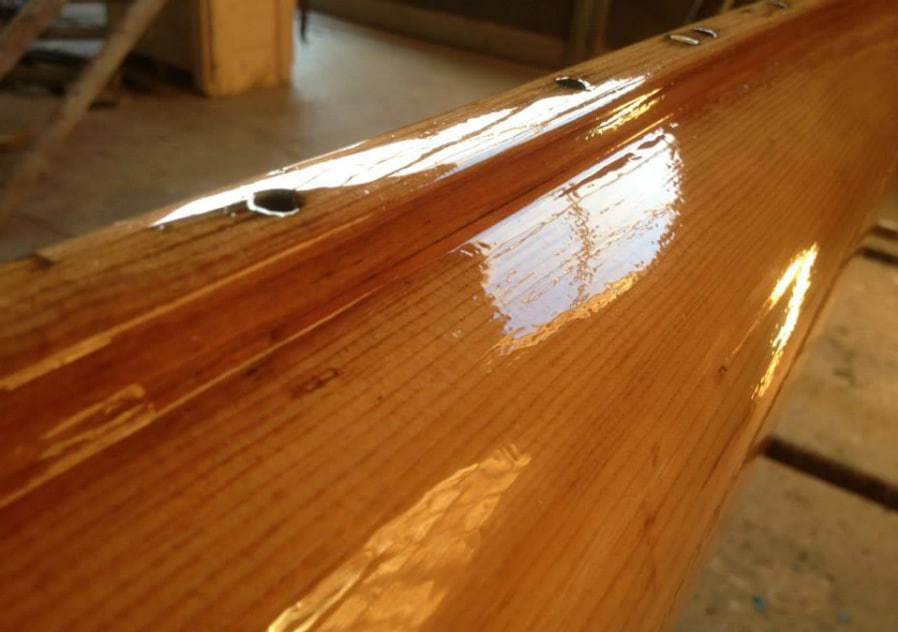

Tips for Layered Application
To build up thickness safely, pour your two-component resin in multiple, successive thin layers, allowing each to cure fully before applying the next. This technique prevents overheating and allows trapped air to escape. Make sure your working environment is at a stable, moderate room temperature, as warmer conditions can encourage premature curing or uneven results.
- Don’t exceed product-specified thickness per pour
- Allow proper curing time between layers
- Smooth each layer for even waterproof coverage
When This Matters Most
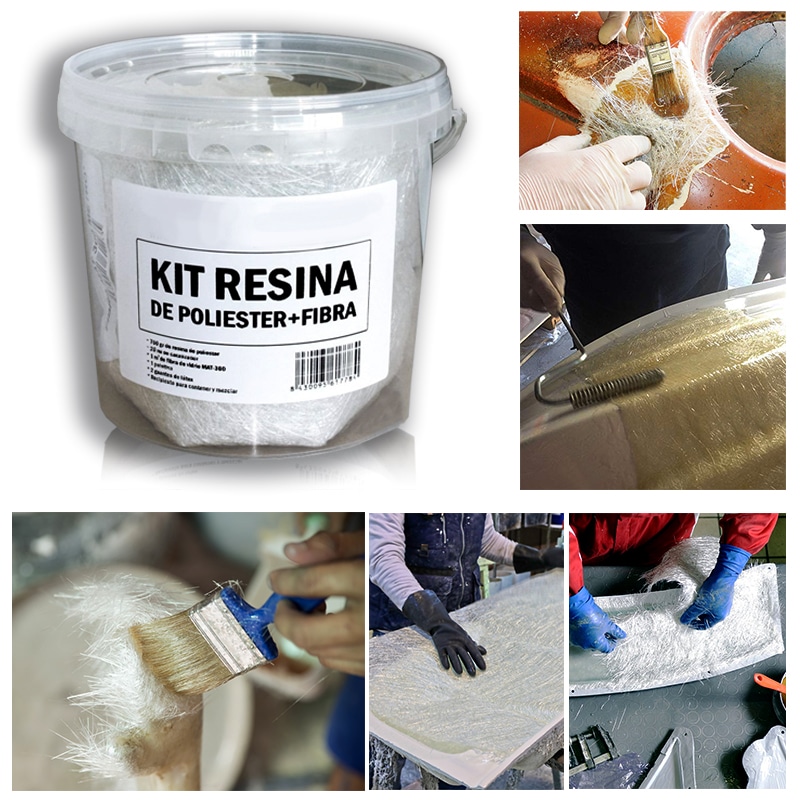
Using thin, even layers is especially important with large or intricate waterproofing projects, such as sealing wood, making resin castings, or repairing fibreglass. Overly thick applications are much more likely to fail in these scenarios, risking unnecessary mess and cost.
Related products
Related guides
Consistent, thin layers are the foundation of successful waterproofing with two-component resin. Following these guidelines helps you achieve a strong, lasting barrier—which is key to any resin waterproofing project. For a full guide on the process, head back to our main page on how to use two-component resin to waterproof.