 Free shipping on orders over £29,85
  Shipping Tracking!


 Google
 Facebook
← Back to How do you remove resin from the floor?
After removing resin from a wooden floor, it’s common to find slight marks or rough patches where residues were scraped away. Sanding can offer a gentle solution to restore a smooth and attractive finish to your wood.
When Is Sanding Appropriate?
Sanding is recommended if your floor still feels uneven or shows minor scratches after resin removal. Using a gentle approach is crucial, especially with older or softer woods to prevent unnecessary wear. Start by testing your chosen sanding method in a discreet corner to judge its effect before proceeding across the entire floor.
Choosing the Right Sanding Tools and Technique
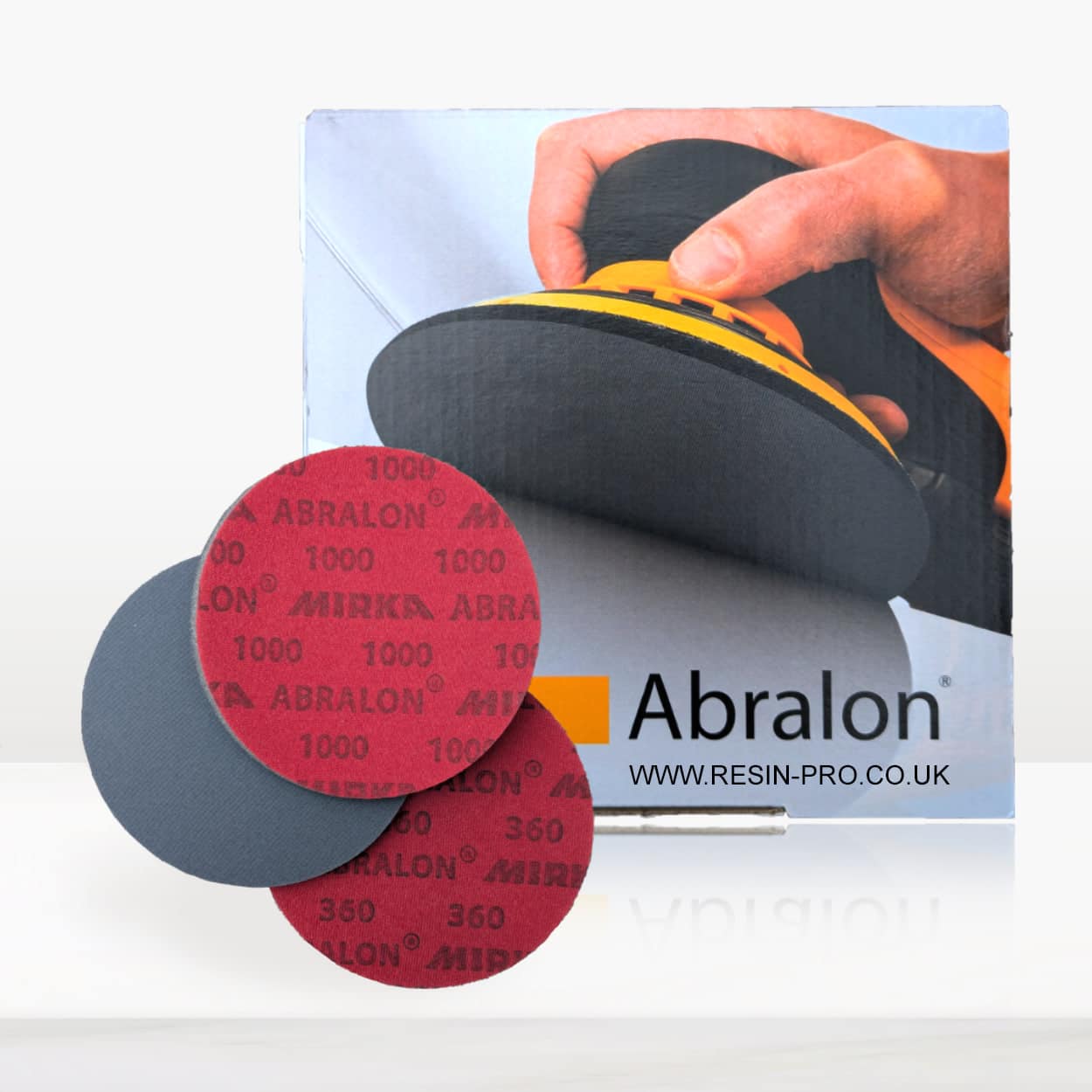
Opt for a fine grit pad or sandpaper (such as 400–1000 grit) to avoid gouging the wood. “Ebonite Abralon” Sanding Pads are specifically designed for projects like this, offering both dry and wet sanding options for controlled results. Work with light, even pressure, sanding along the wood grain to minimise visible marks. It can be helpful to wipe away dust frequently to monitor progress.
Tips for a Tidy Finish
- After sanding, thoroughly vacuum and wipe the surface to remove all dust.
- Depending on the level of restoration needed, consider a wood-safe finish or oil to revive depth and protection to the timber.
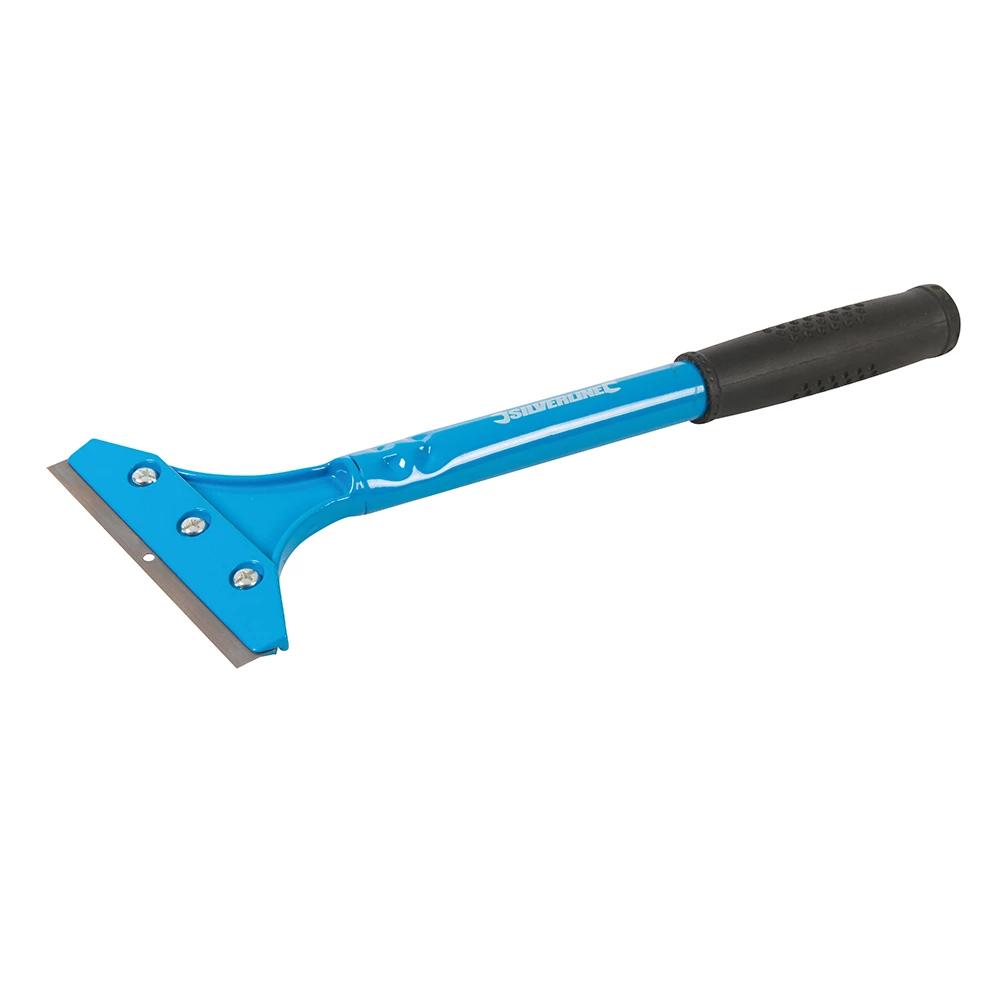
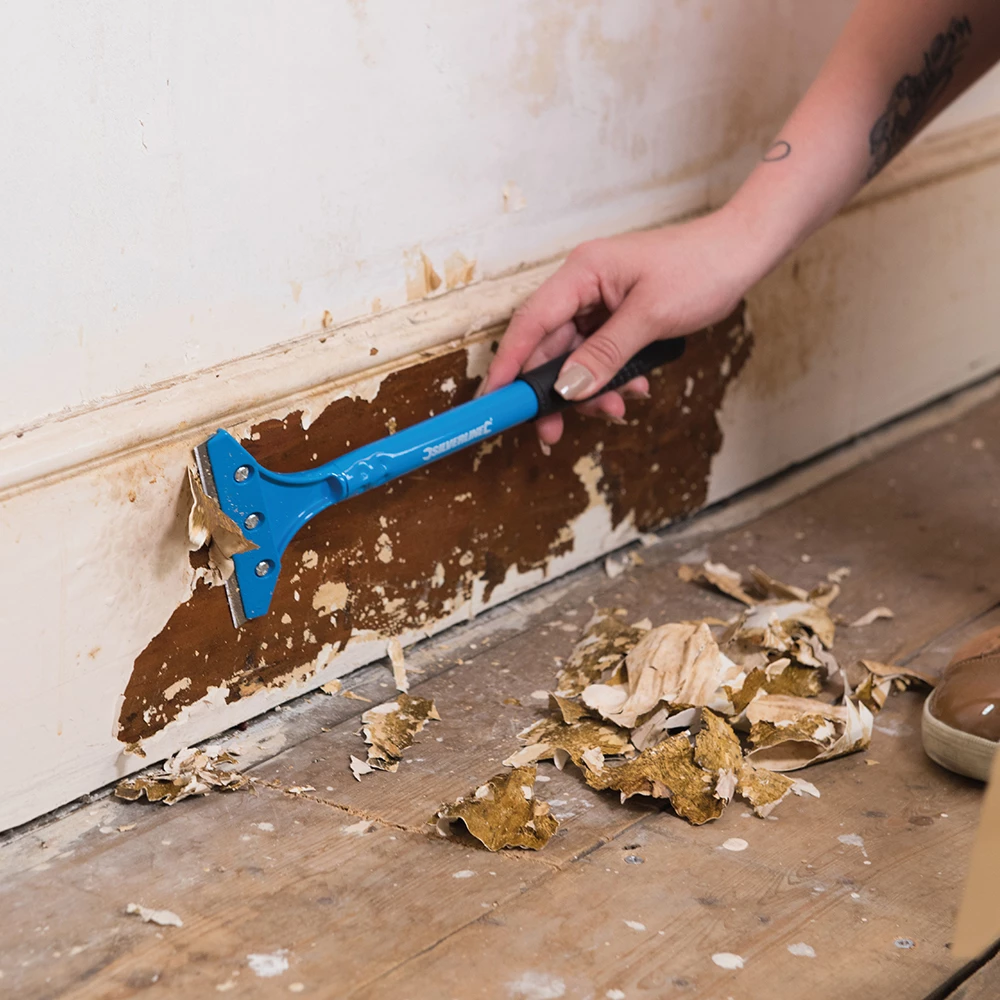
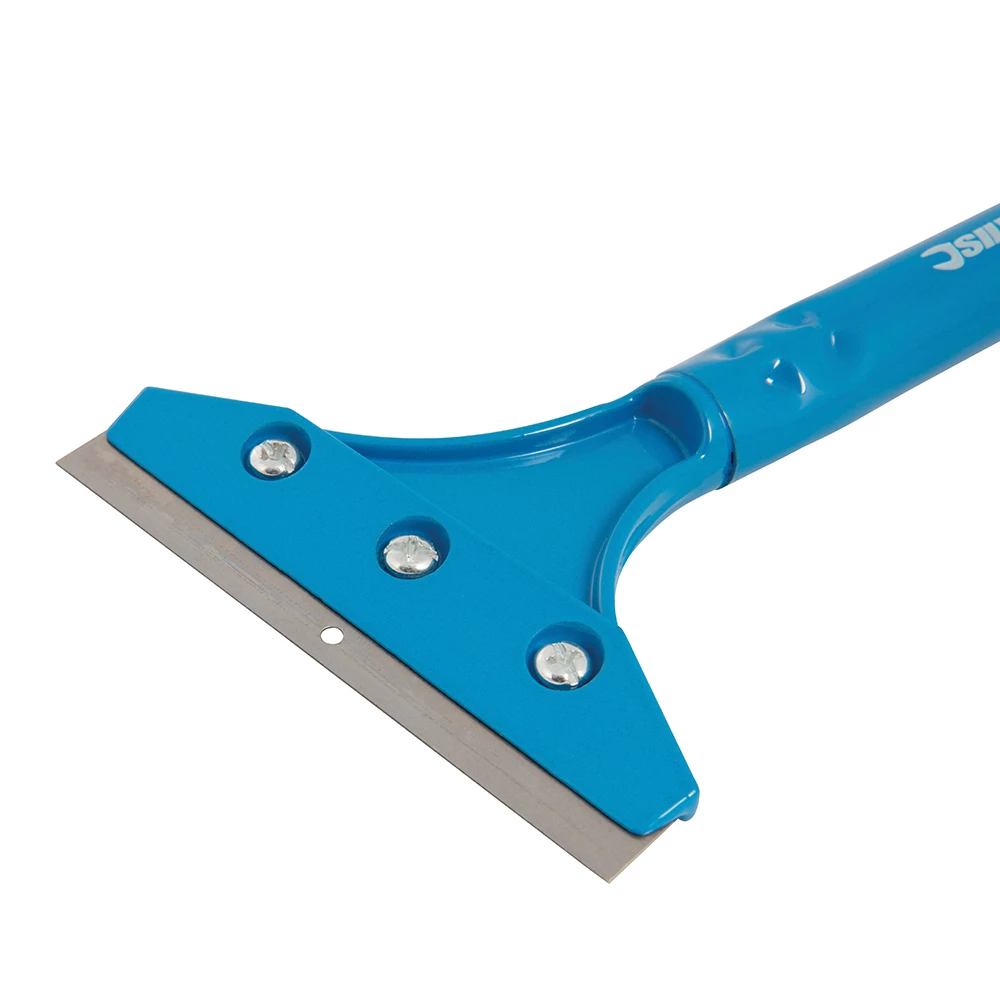
- If further residues remain before sanding, tools like a Heavy Duty Scraper can help target stubborn resin spots.
When This Matters
Sanding becomes especially important if the resin removal has left rough areas that could affect foot traffic or later painting, oiling or varnishing tasks. A smooth surface is key for both safety and best results in refinishing.
Related products
Related guides
Sanding wooden floors after resin removal helps restore their natural beauty and prepares them for future finishing. If you need more tips on tackling resin on floors, explore the full guide at our main FAQ page.