 Free shipping on orders over £29,85
  Shipping Tracking!


 Google
 Facebook
How do you remove resin from the floor?
Effective steps for cleaning resin spills and stubborn residues
Accidentally spilled resin on your floor or discovered stubborn patches of cured epoxy? This step-by-step guide offers reliable methods for removing resin from various floor types, whether you are dealing with recent spills or hardened residues. Follow these practical solutions to restore your floors safely and efficiently, minimising the risk of damage to underlying surfaces.

What You’ll Need
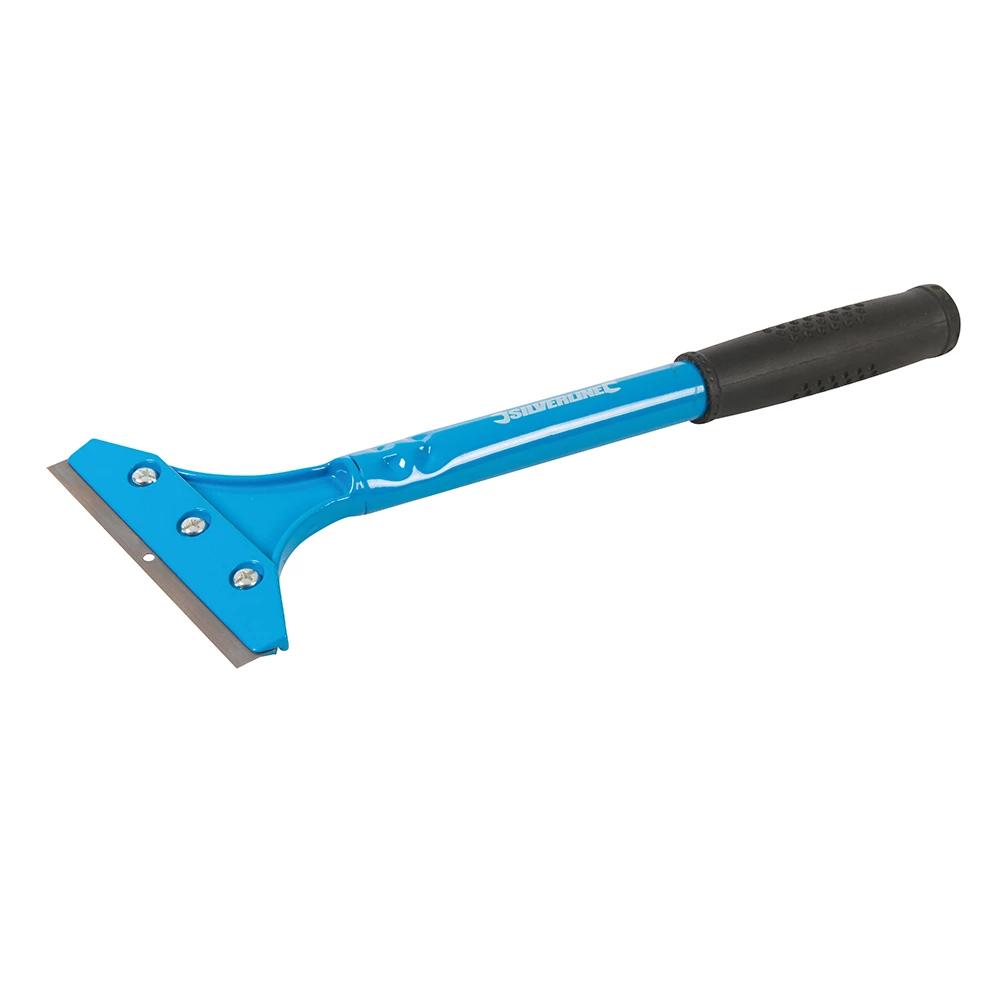
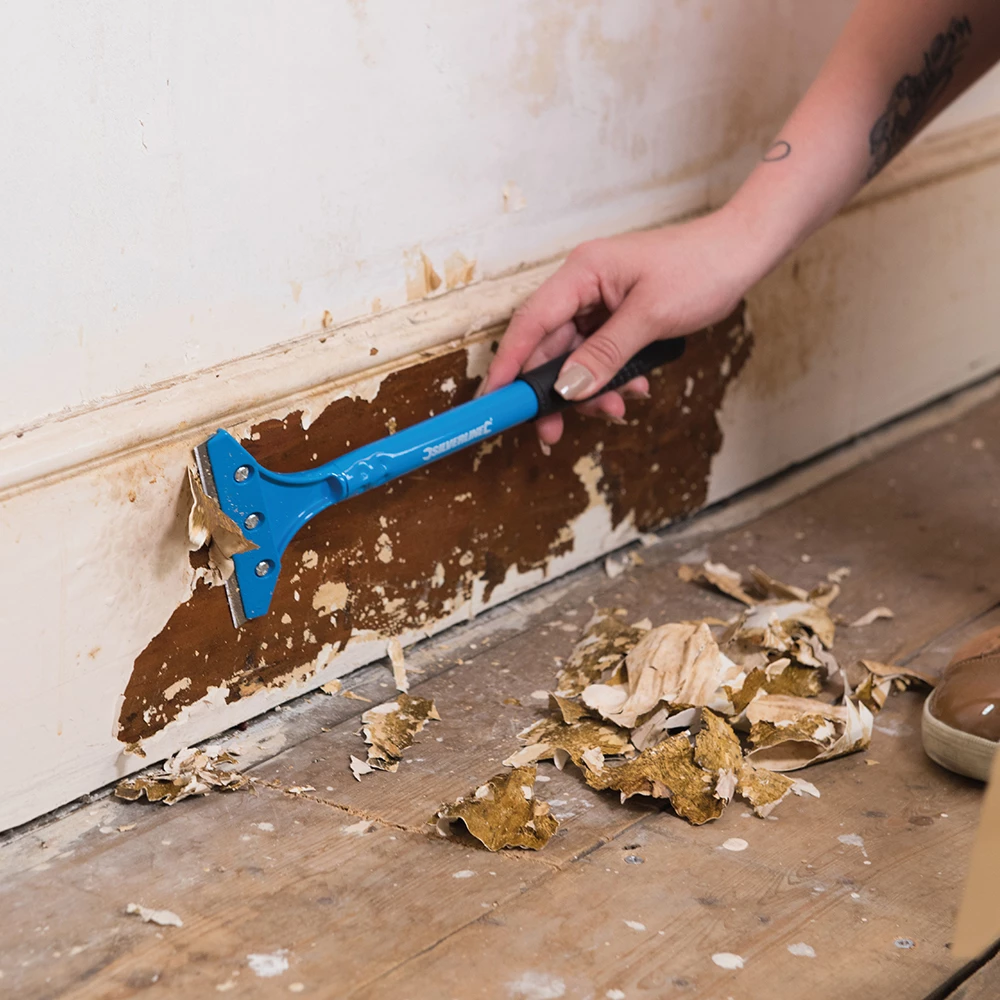
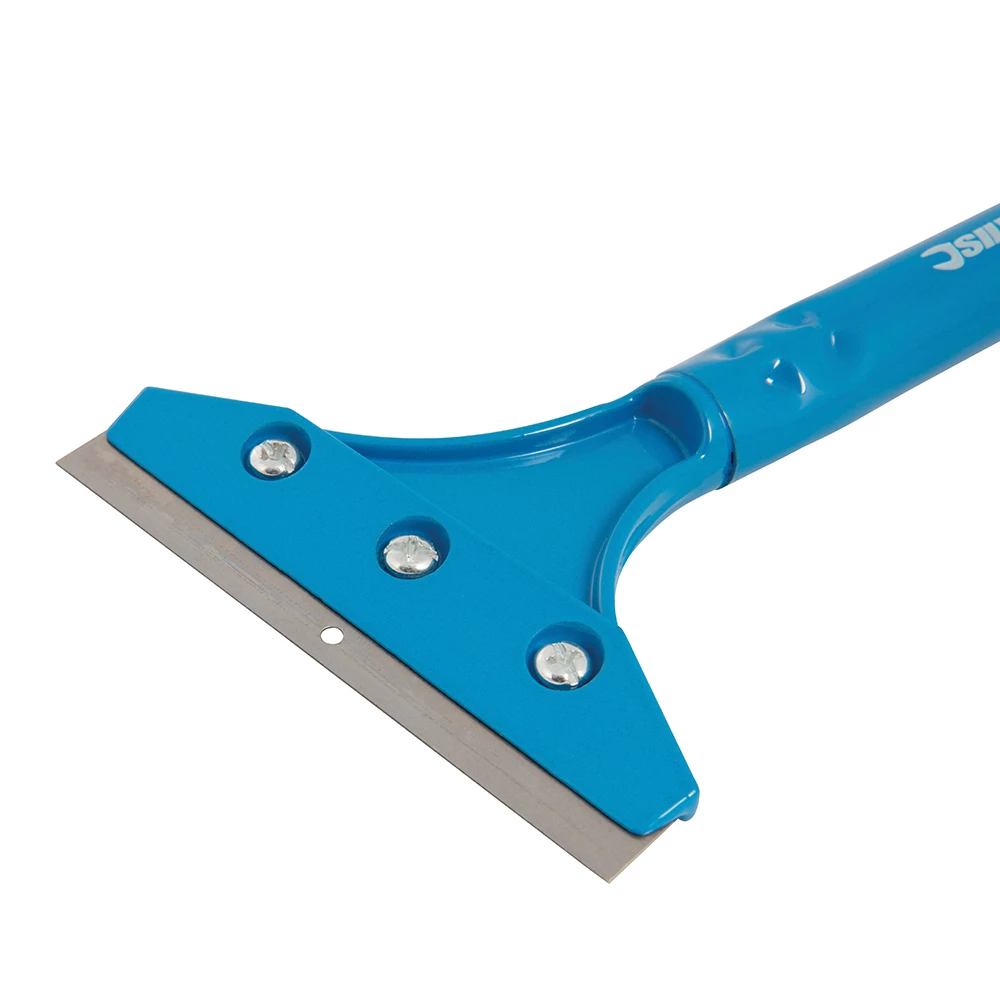
- Heavy Duty Scraper for Paint and Epoxy Resin Removal – for careful manual scraping of cured resin.
- Strong Technical Degreaser for Resin Projects – 100% Natural Formula – ideal for dissolving softer residues or cleaning greasy spots.
- Pure Isopropyl Alcohol 99.9% – 1000ml Bottle for Epoxy Resin Projects & DIY – suitable for residue removal and surface clean-up.
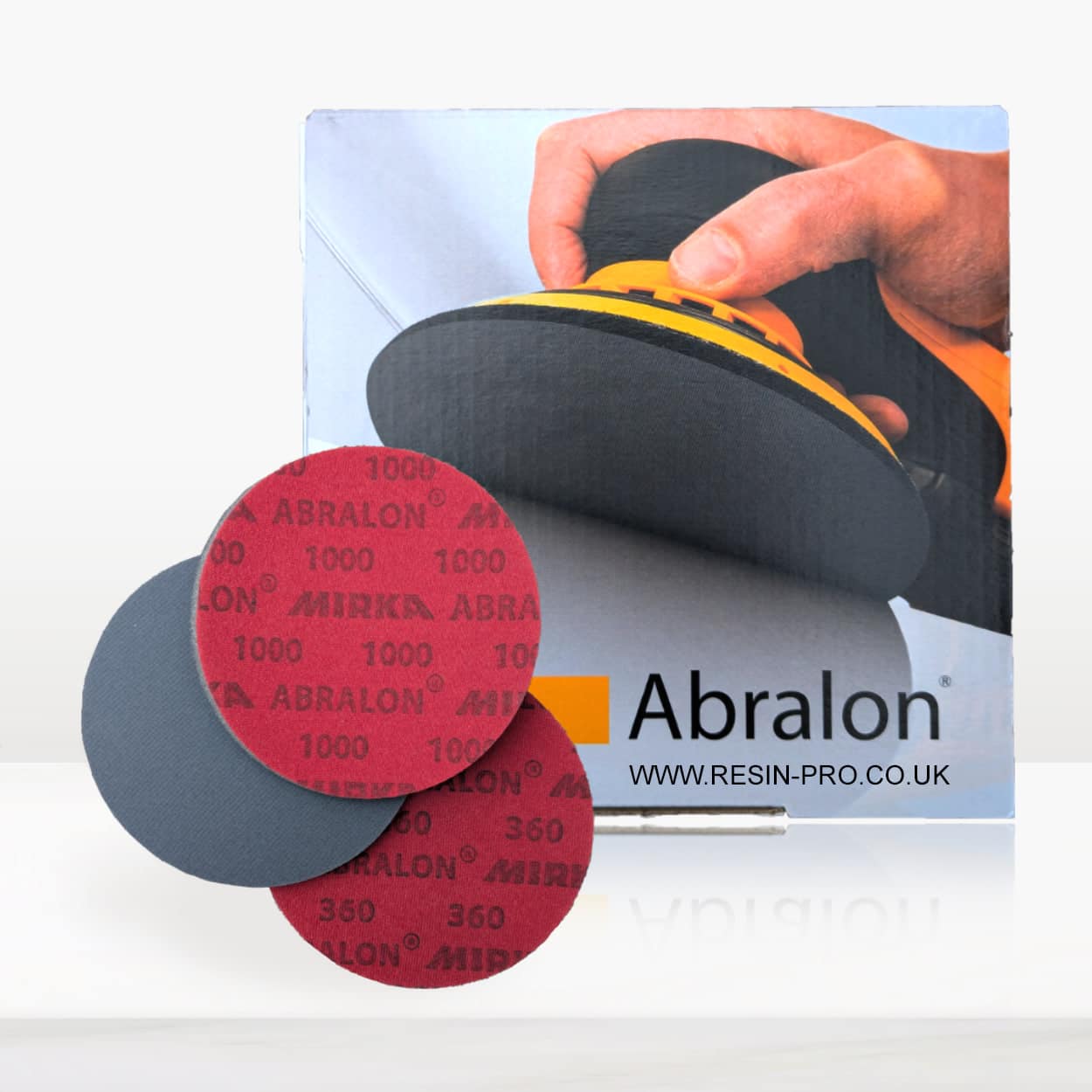
- “Ebonite Abralon” – Sanding Pads 360-4000 Grit for Resin and Wood – for smoothing and finishing after removal.
- Protective gloves, safety goggles, and suitable masks for safety.
- Clean cloths or absorbent rags for wiping surfaces.
- Warm soapy water for basic cleaning steps.
Protecting Your Flooring Before You Begin
Preparation is the key to safe cleanup. Make sure all valuable and delicate items are removed from the area before starting. If your floor is particularly sensitive, lay down a protective layer such as cardboard or old towels around the work zone. By taking a few moments to prepare, you’ll avoid accidental spread of resin or cleaning fluids and reduce the risk of lasting marks.
Step 1: Assess and Prepare the Affected Area
Begin by inspecting the resin spot—determine if it is fresh, sticky, or already cured. Move any movable furniture out of the way and sweep the area to remove dirt or debris, as these can scratch the floor during removal. Gather all materials listed above and ensure you are working in a well-ventilated space to avoid inhaling any fumes or dust created during the process.
Protect adjacent surfaces with masking tape or old sheets if necessary. Always use gloves and, where relevant, safety goggles when working with tools or cleaning agents.

Step 2: Remove Excess or Cured Resin Mechanically
For hardened or thick resin spots, start with gentle mechanical removal. Carefully approach the edge of the spill using a Heavy Duty Scraper for Paint and Epoxy Resin Removal, angling the blade parallel to the floor rather than straight down. Work slowly, applying light pressure to avoid gouging or scratching delicate flooring. Continue to chip away thin layers until most of the resin has been lifted.
If at any point the scraper meets significant resistance or the floor is at risk, stop and reassess before proceeding further.
Step 3: Apply Cleaning Agents to Residual Resin
Once the bulk has been removed, you may notice slight smears, stains, or tacky patches remaining. For these, apply the cleaning solution most appropriate to your floor type—first test in an inconspicuous spot. Use a small amount of Strong Technical Degreaser for Resin Projects – 100% Natural Formula for greasy or organic residues, wiping gently with a clean cloth. For resin that has set thinly on a surface, dampen a cloth with Pure Isopropyl Alcohol 99.9% – 1000ml Bottle for Epoxy Resin Projects & DIY and gently rub the spot. Avoid overly saturating wooden or porous floors, as too much liquid can cause damage.
Work in small sections, changing cloths as they pick up residue to prevent smearing.
Step 4: Finish the Surface and Restore Appearance
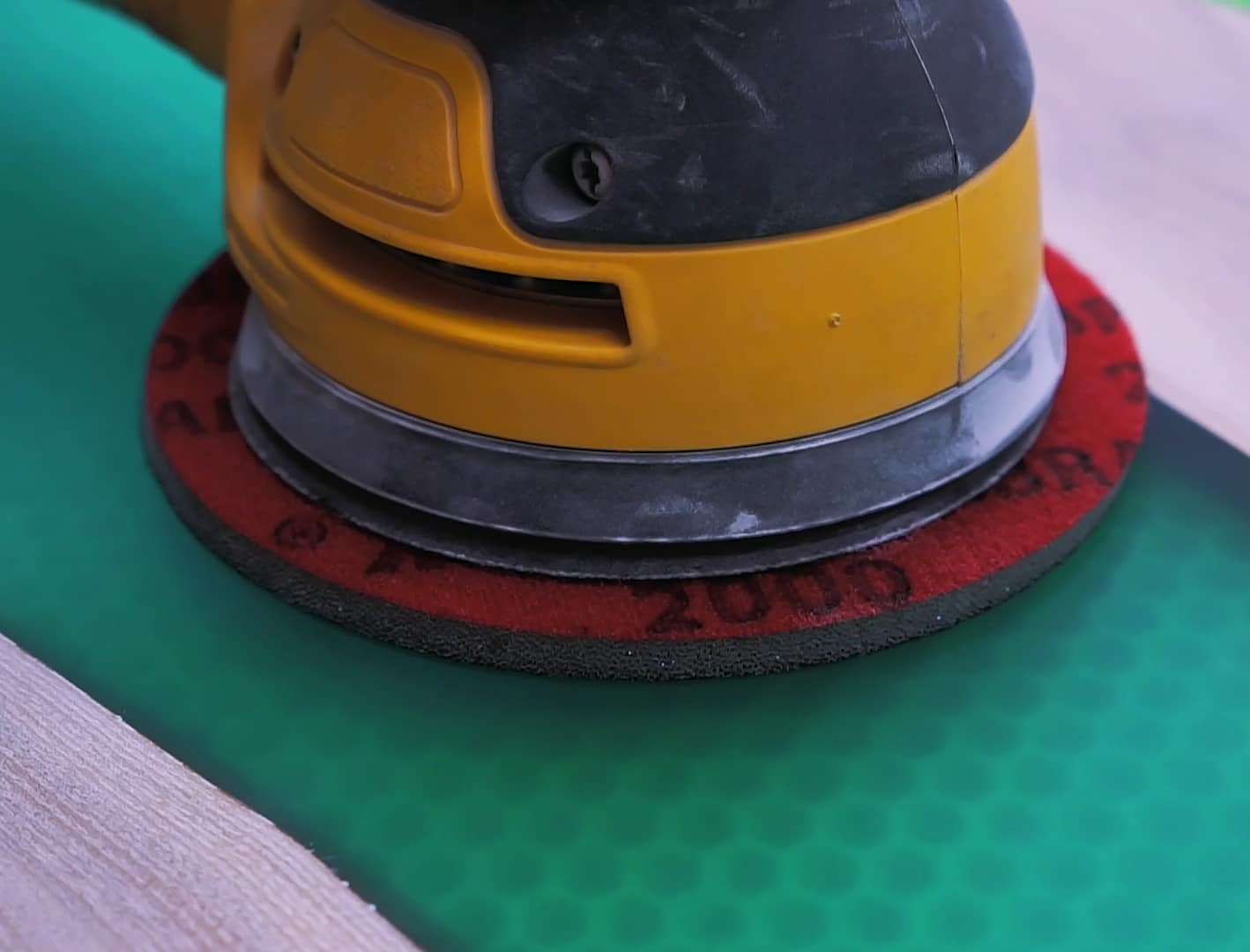
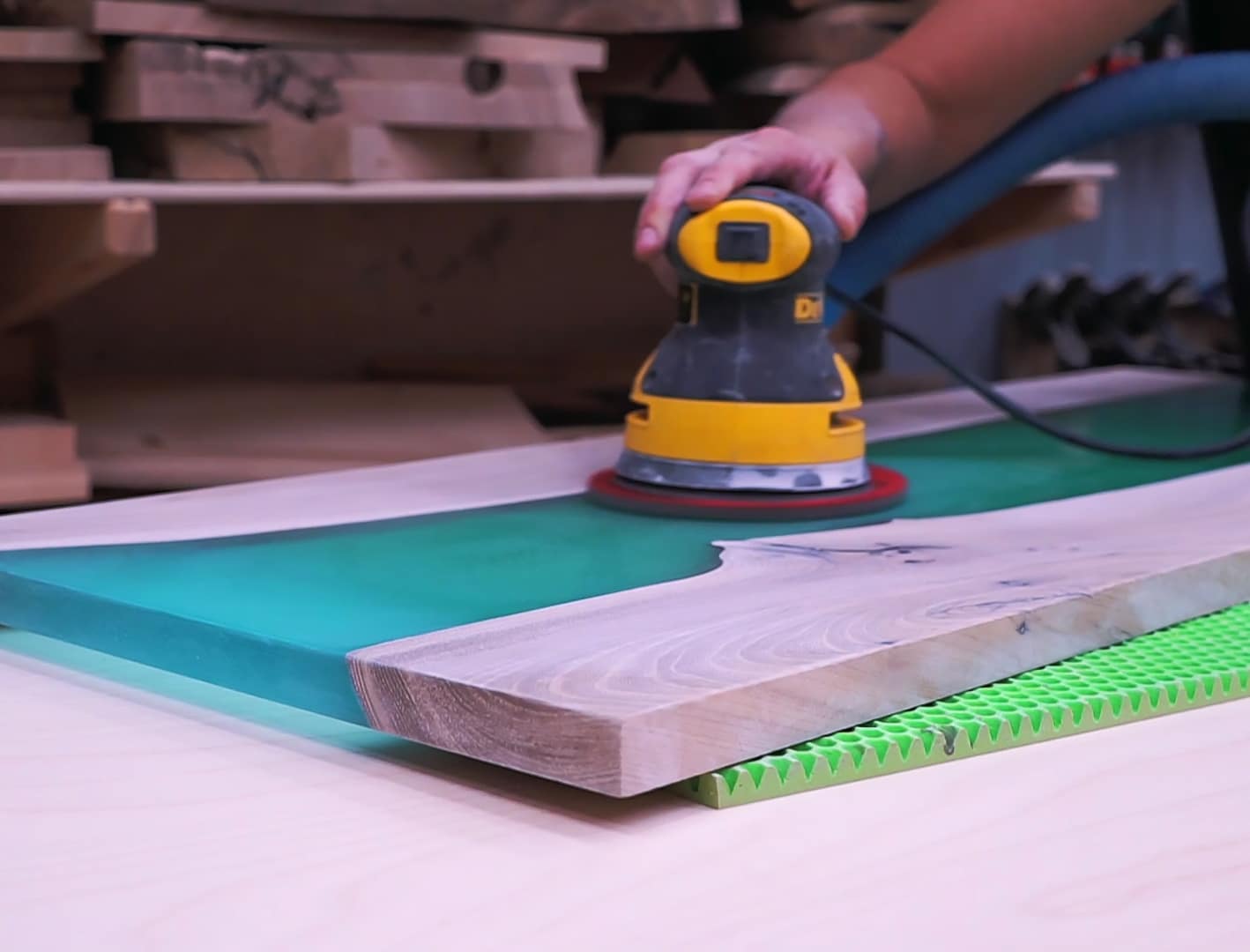
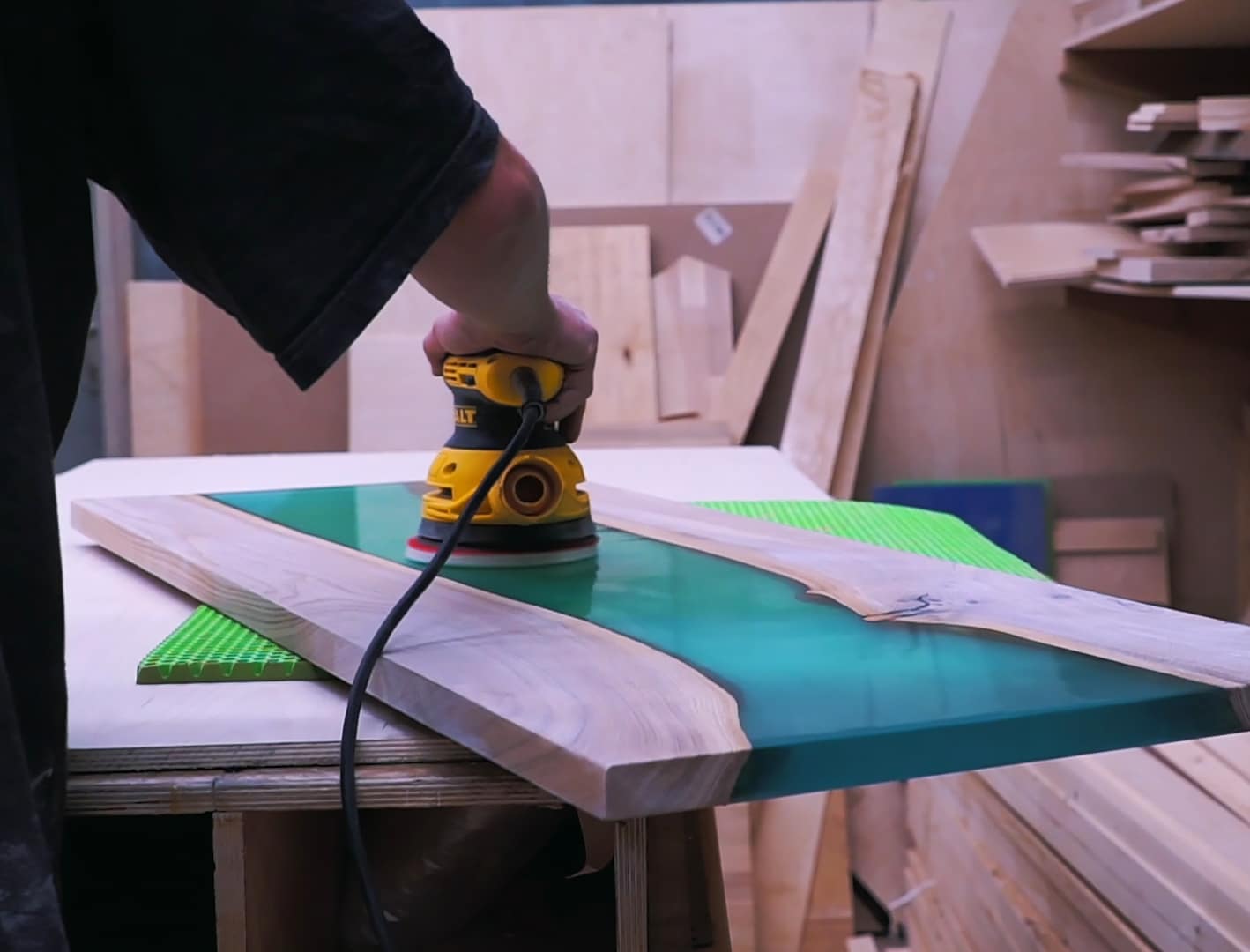
After resin removal, lightly sand any rough spots or faint marks using “Ebonite Abralon” – Sanding Pads 360-4000 Grit for Resin and Wood, selecting a finer grit for sensitive or polished floors. Use gentle, circular motions and keep the pad slightly damp for more even abrasion. This helps restore the smooth finish and eliminates last traces of haze or textural variation left by scraping or solvents.
Once satisfied, wipe the area with a clean, damp cloth and allow it to dry thoroughly before returning furniture or walking over the affected spot.
Tips for Safe and Effective Resin Removal
- Always ventilate the area properly when using alcohols or cleaning agents.
- Test first on an inconspicuous spot to ensure no damage or discolouration occurs.
- Work slowly to avoid damaging the floor; rushing increases the risk of scratches or gouges.
- Never use harsh chemicals on delicate surfaces such as natural wood or patterned tiles.
- If in doubt, consult your floor manufacturer’s care guide before beginning.
When Professional Help Is Needed
If the resin spot covers a large area or is deeply bonded to sensitive flooring, do not hesitate to seek professional guidance. Specialised flooring experts have equipment and solutions designed for large-scale or historic floor restoration. Attempting complex removal on your own can result in unwanted damage or void your floor’s warranty, so weigh the risks before proceeding with extensive jobs.
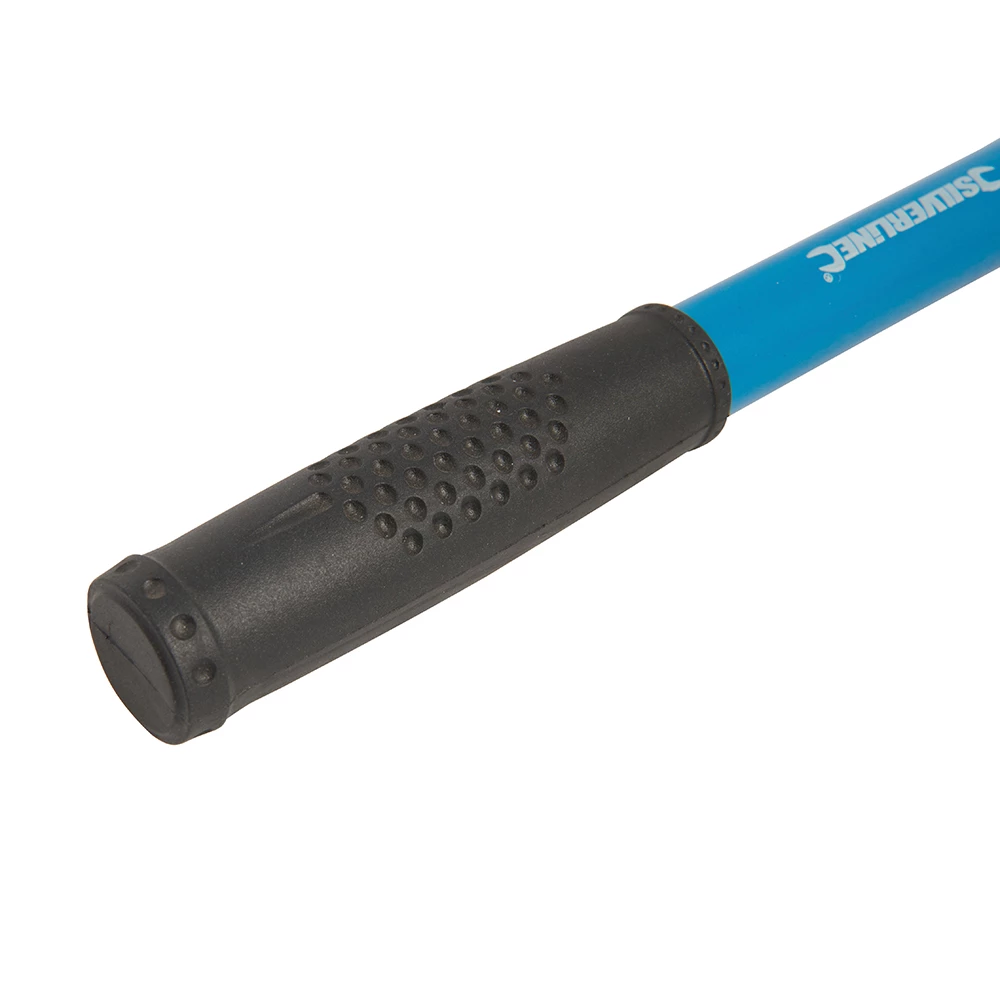
- Heavy Duty Scraper for Paint and Epoxy Resin Removal£8.95Heavy Duty Scraper offers a lightweight design and razor-sharp blade, suited for controlled removal tasks in floor and wall renovation.
- Strong Technical Degreaser for Resin Projects – 100% Natural FormulaOriginal price was: £10.95.£9.45Current price is: £9.45.Strong Technical Degreaser is designed for cleaning resin and grease from various surfaces with a natural, gentle formula.
- Pure Isopropyl Alcohol 99.9% – 1000ml Bottle for Epoxy Resin Projects & DIYPrice range: £10.45 through £20.95Pure Isopropyl Alcohol 99.9% is used to remove bubbles and create effects in epoxy resin projects, supporting resin work in the chosen theme.
- "Ebonite Abralon" – Sanding Pads 360-4000 Grit for Resin and Wood£4.15"Ebonite Abralon" Sanding Pads are suitable for precise polishing on resin and wood, supporting detailed finishing in various projects.
Frequently Asked Questions
How do I remove cured epoxy resin from a floor?
Use a manual scraper to gently lift off cured resin. Avoid harsh force to prevent damaging your floor; follow up with cleaning agents if needed.
Which cleaner is recommended for resin stains?
For light resin stains or sticky patches, a natural degreaser works well. For tougher, cured spots, isopropyl alcohol can be effective on most surfaces.
Is sanding suitable on wooden floors post resin removal?
Yes, gently sanding with a fine grit pad can help smooth marks left by scraping or cleaning. Always test in a small area first.
How can I prevent scratches while removing resin?
Work slowly with sharp, suitable tools and avoid using excessive pressure. Consider protecting the area with sheets before starting.
How can I remove resin without harming delicate floors?
Always start with the gentlest method and test in an inconspicuous spot. Avoid aggressive solvents and tools on sensitive materials.
Is isopropyl alcohol safe for cleaning all floor types?
Isopropyl alcohol can damage some finishes and should be patch-tested first, especially on timber, laminate, or painted surfaces.