 Free shipping on orders over £29,85
  Shipping Tracking!


 Google
 Facebook
← Back to How are epoxy powders composed?
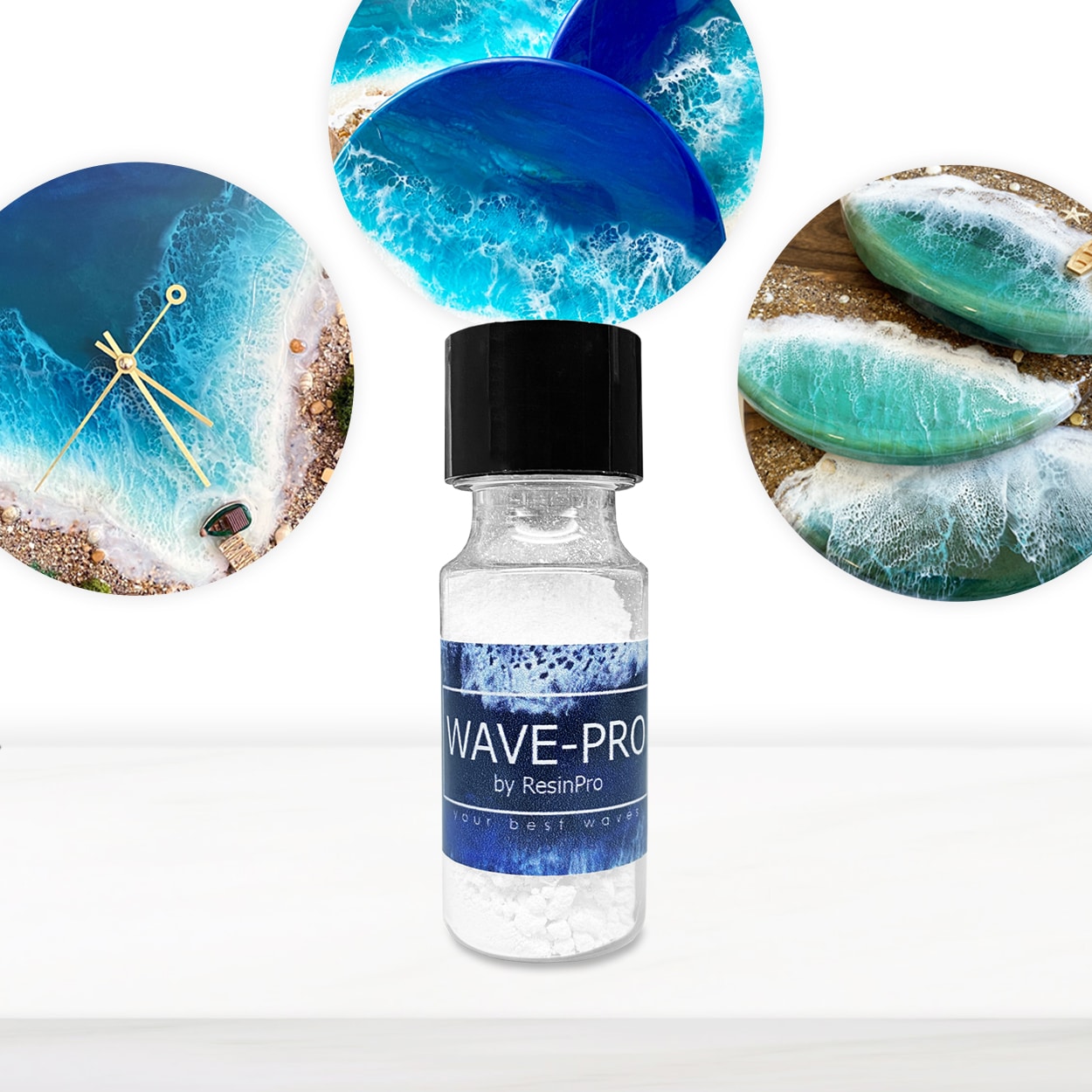

Achieving realistic wave effects in resin art can add a dramatic, ocean-inspired flair to your projects. The right technique and powder additives are essential for producing those stunning, organic patterns that mimic the movement of the sea.
Choosing the Right Wave Additive
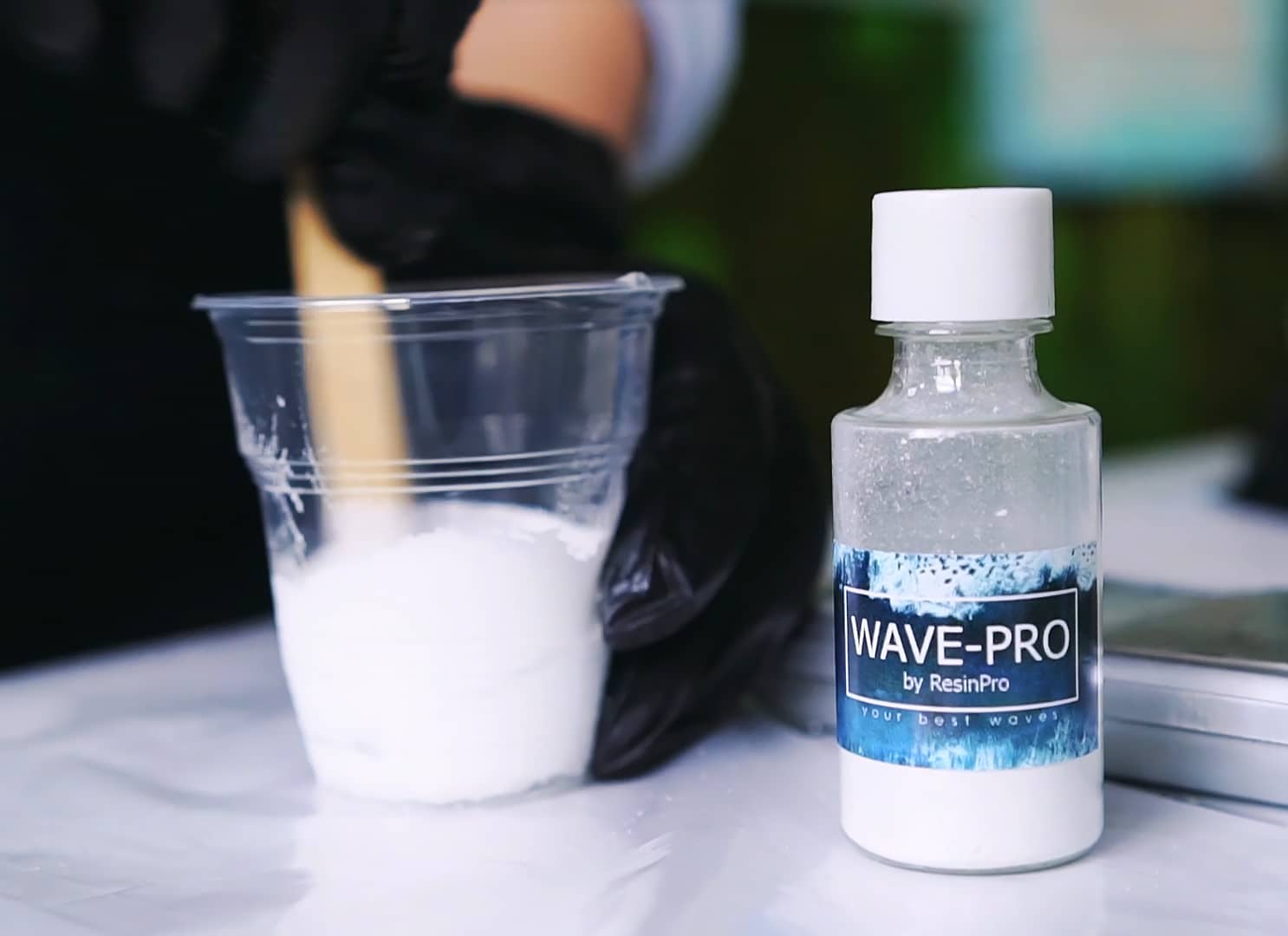
For natural-looking wave or cell patterns in epoxy resin, a specialised reactive powder such as Wave-Pro is the gold standard. This is a non-toxic, odourless powder that disperses the resin as you work, generating lifelike wave and cell structures. Unlike methods that rely on alcohol or heat, this approach is straightforward and helps ensure consistent results.
How to Use Wave-Pro for Best Results
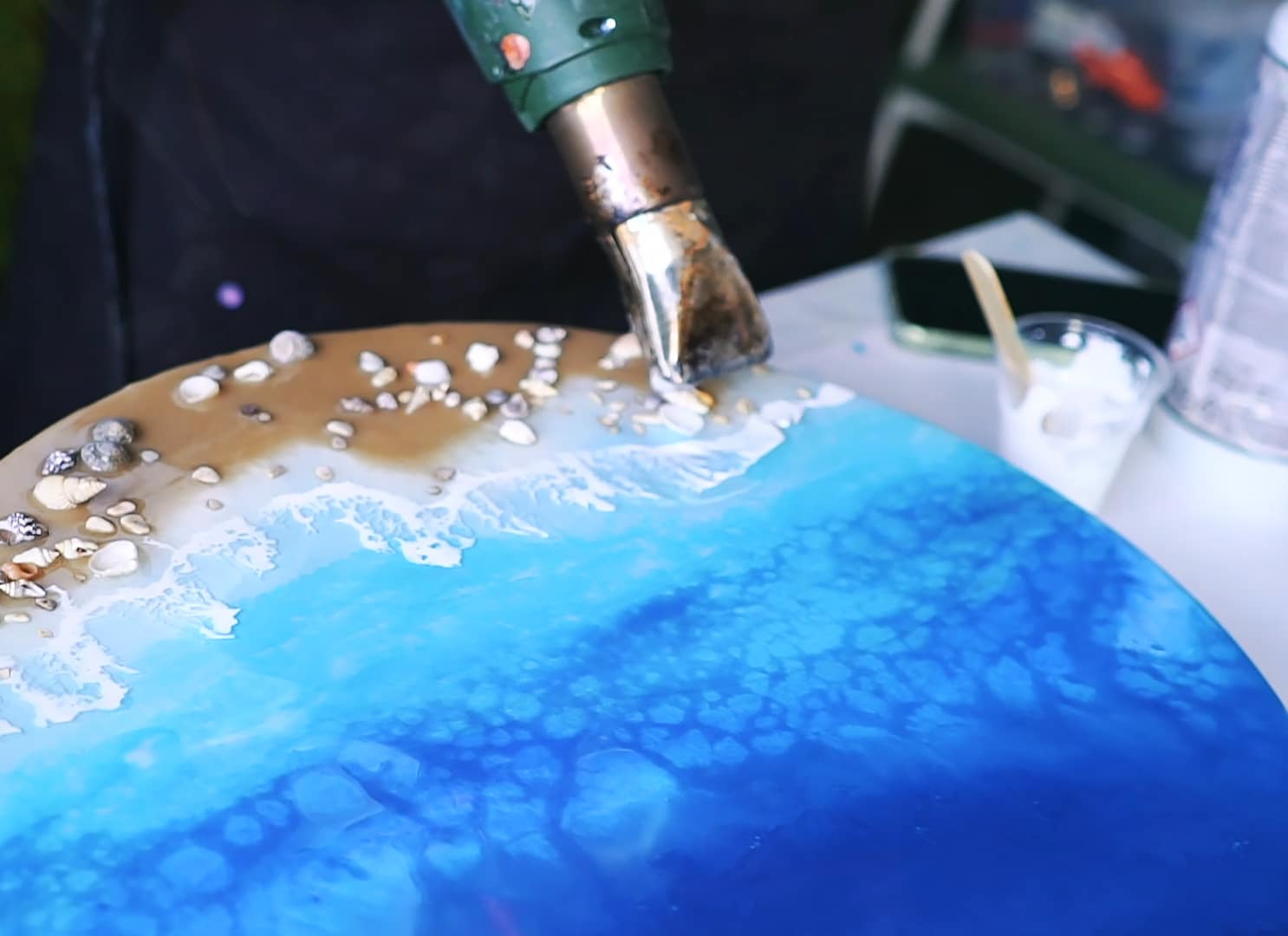
Start by preparing your epoxy resin according to the manufacturer’s instructions. Mix your chosen pigment into part A of the resin, then combine with the hardener. After pouring your pigmented resin onto your substrate, sprinkle or blend in the Wave-Pro additive in the areas where you wish the wave effects to appear. Using a spatula or stick, gently manipulate the resin to direct the flow and enhance the wave movement. Compatible with various pigment shades, Wave-Pro performs best with pourable resin formulations designed for art projects.
When This Matters: Ocean Art and Statement Pieces
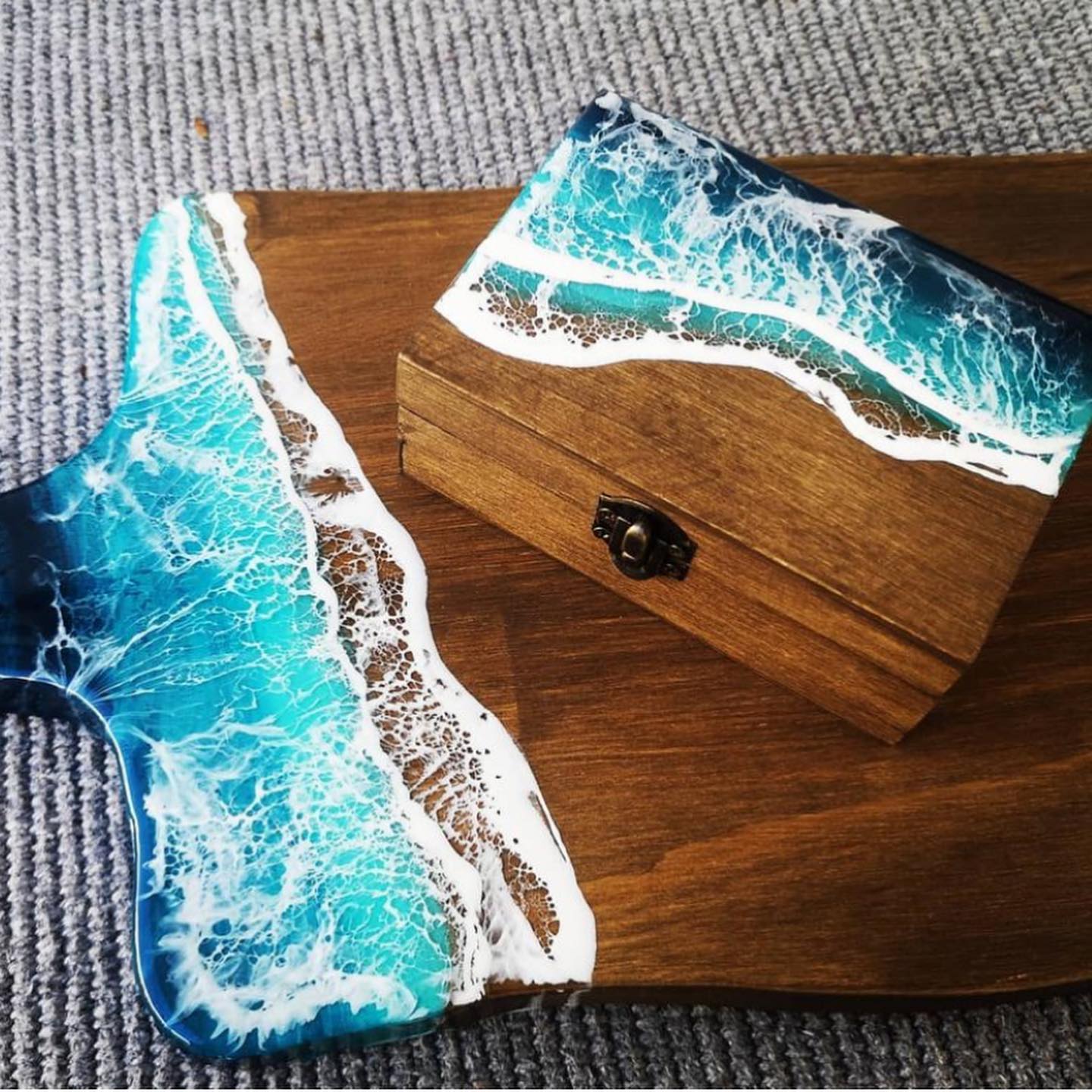
Wave effects are especially impactful for projects like beach-themed trays, ocean-inspired jewellery, and statement art panels where a dynamic, moving water look is desired. These techniques can elevate standard resin pours into unique, professional-quality artworks.
Related products
Related guides
Mastering wave effects brings added depth and realism to your resin art. For more on how various epoxy powders are composed and how they perform in creative projects, visit our main guide on epoxy powder composition.