 Free shipping on orders over £29,85
  Shipping Tracking!


 Google
 Facebook
← Back to How are epoxy powders composed?
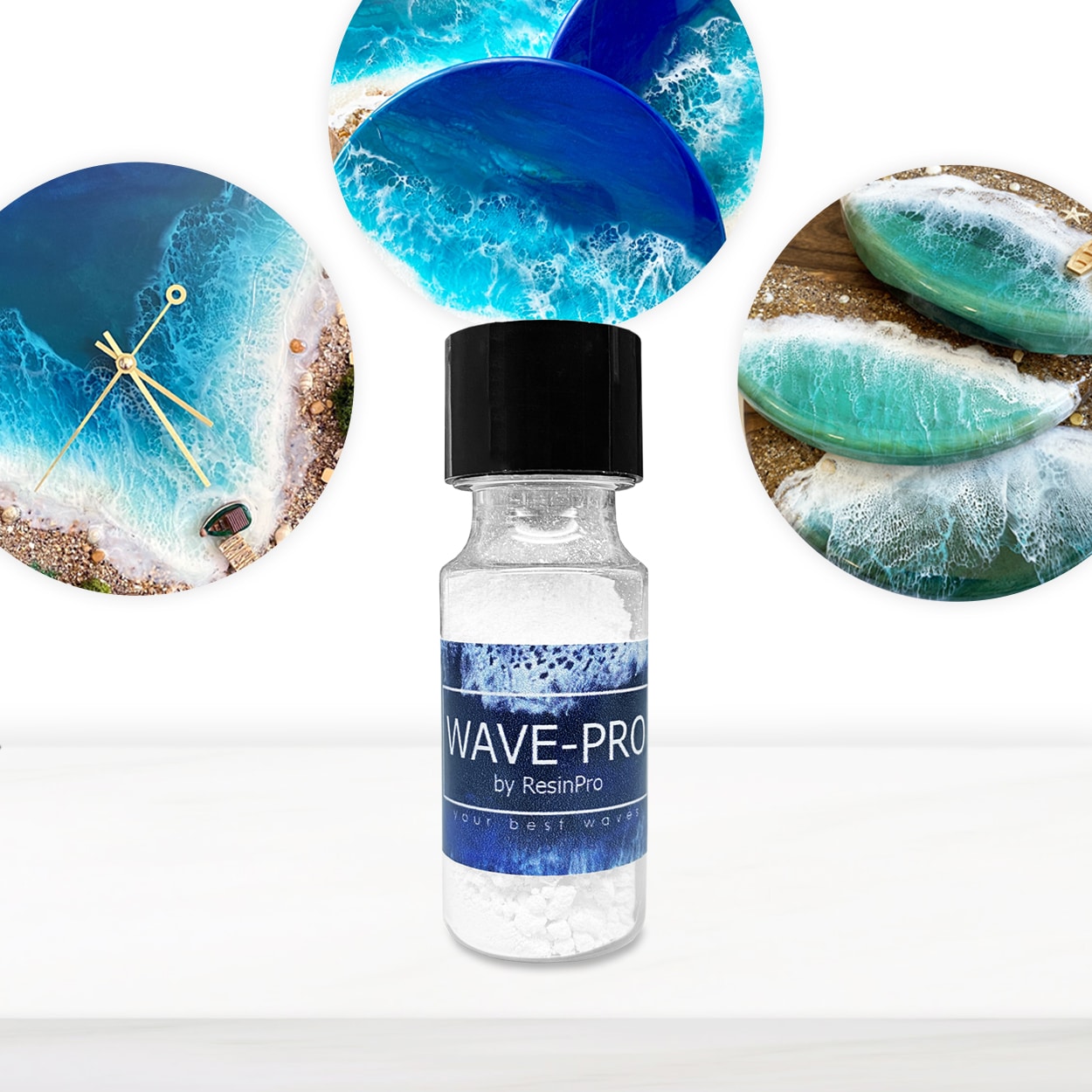

Epoxy powders have become immensely popular for home crafting and resin art, but many people wonder just how safe they are for DIY use. Let’s look at what you should know before getting started.
What Makes Epoxy Powders Safe?
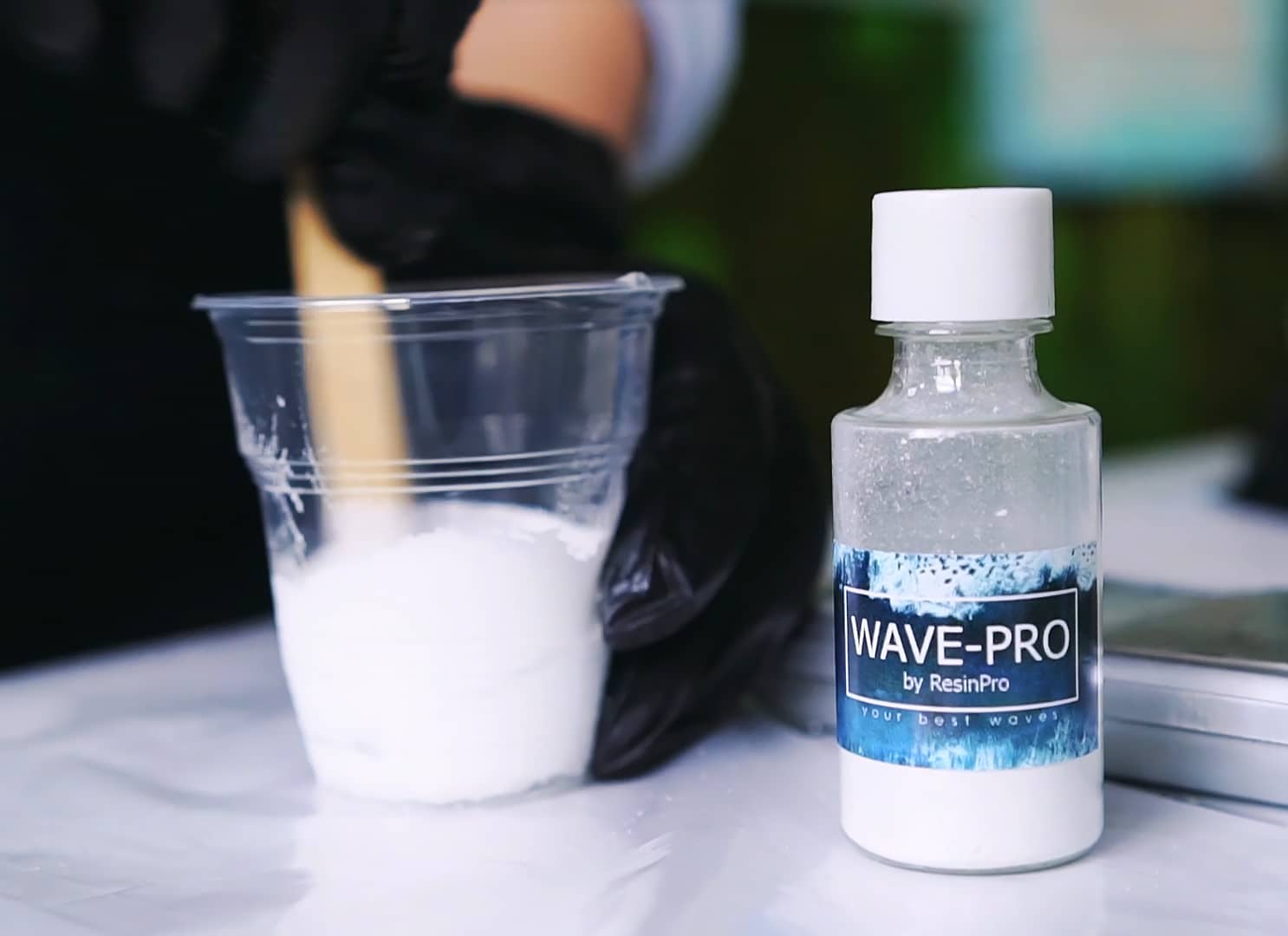
Many modern epoxy powders, such as the Wave-Pro pigment additive, are formulated with safety in mind. These powders are often non-toxic, solvent-free, and odourless, reducing the risk of inhaling harmful fumes or experiencing skin irritation. Products without added solvents or volatile organic compounds (VOCs) are generally considered a safer choice for home environments.

Tips for Safe Use at Home
- Read Instructions: Always follow the manufacturer’s usage and safety guidelines.
- Use Protective Gear: While non-toxic powders minimise risk, wearing gloves and a dust mask is recommended when handling any fine powders.
- Ventilation: Mix and use your epoxy powders in a well-ventilated area, even with solvent-free options.
- Proper Mixing: For best results and safer application, thoroughly blend powders into the resin or paint as directed. For example, with neon powder pigments, blend into component A of the resin before adding the hardener.
When Safety Matters Most
Extra care is important if there are children or pets at home, or if you are sensitive to dust or chemical products. Choosing a non-toxic and solvent-free option, like Wave-Pro, provides added peace of mind. Always store powders securely and clean up spills promptly to avoid accidental contact or inhalation.
Related products
Related guides
Epoxy powders are generally safe for home use when you opt for products designed with non-toxic, solvent-free formulas and take basic safety measures. For more information about epoxy powder ingredients and their composition, visit our main guide on how epoxy powders are composed.