 Free shipping on orders over £29,85
  Shipping Tracking!


 Google
 Facebook
How to cut epoxy resin?
Expert advice for clean, precise cuts and glossy finishes


Cutting epoxy resin can be daunting, but with the right technique, safe approach and a steady hand, you can achieve clean, accurate edges on your resin art, tabletops or craft projects. This guide explains the entire process, from preparing your workspace to refining the finish, so you can work confidently and avoid common mistakes.

What You’ll Need
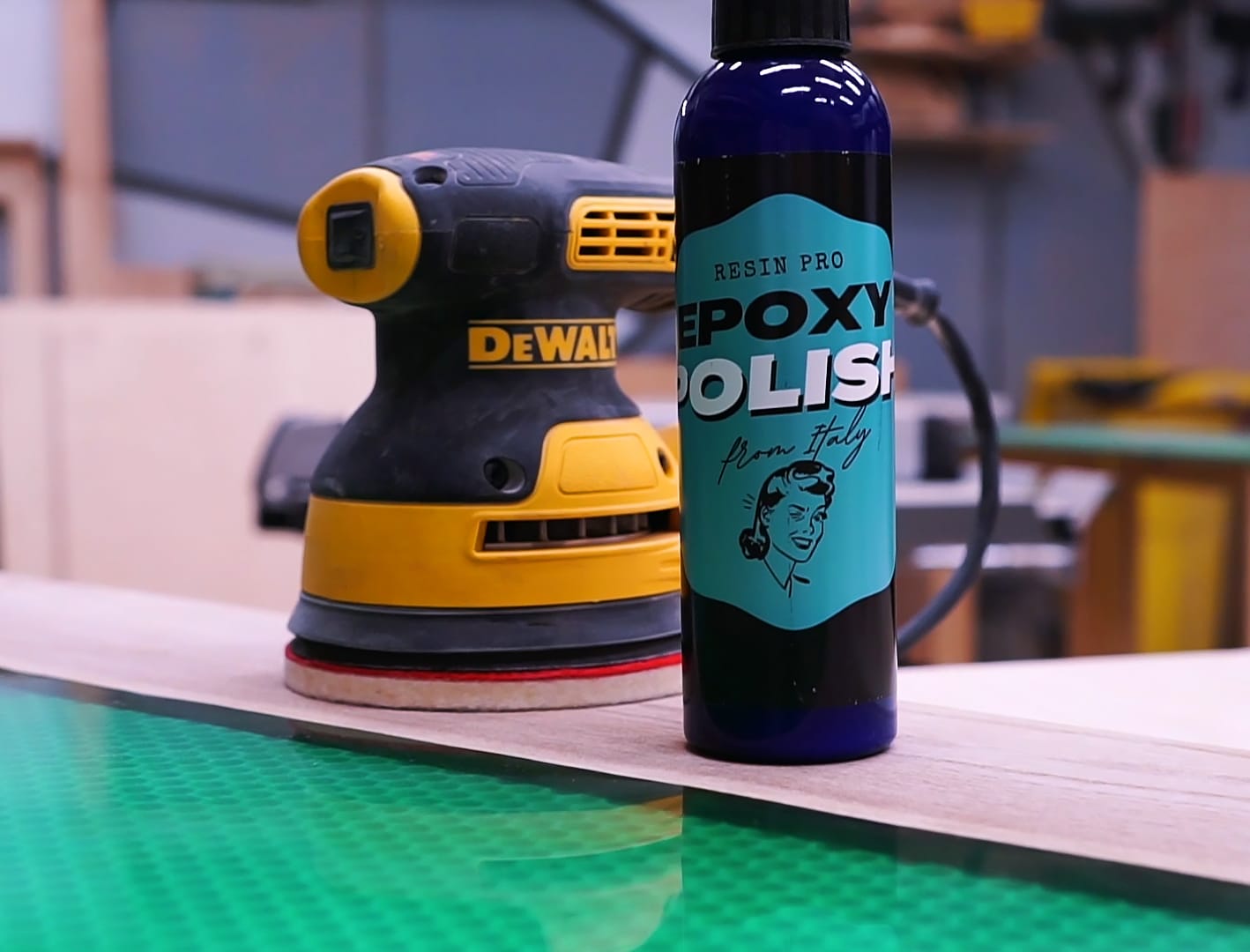
- “Epoxy Polish” – Epoxy Resin Polishing System: A polishing system designed to remove fine scratches and restore a smooth, glossy surface to epoxy resin and similar materials.
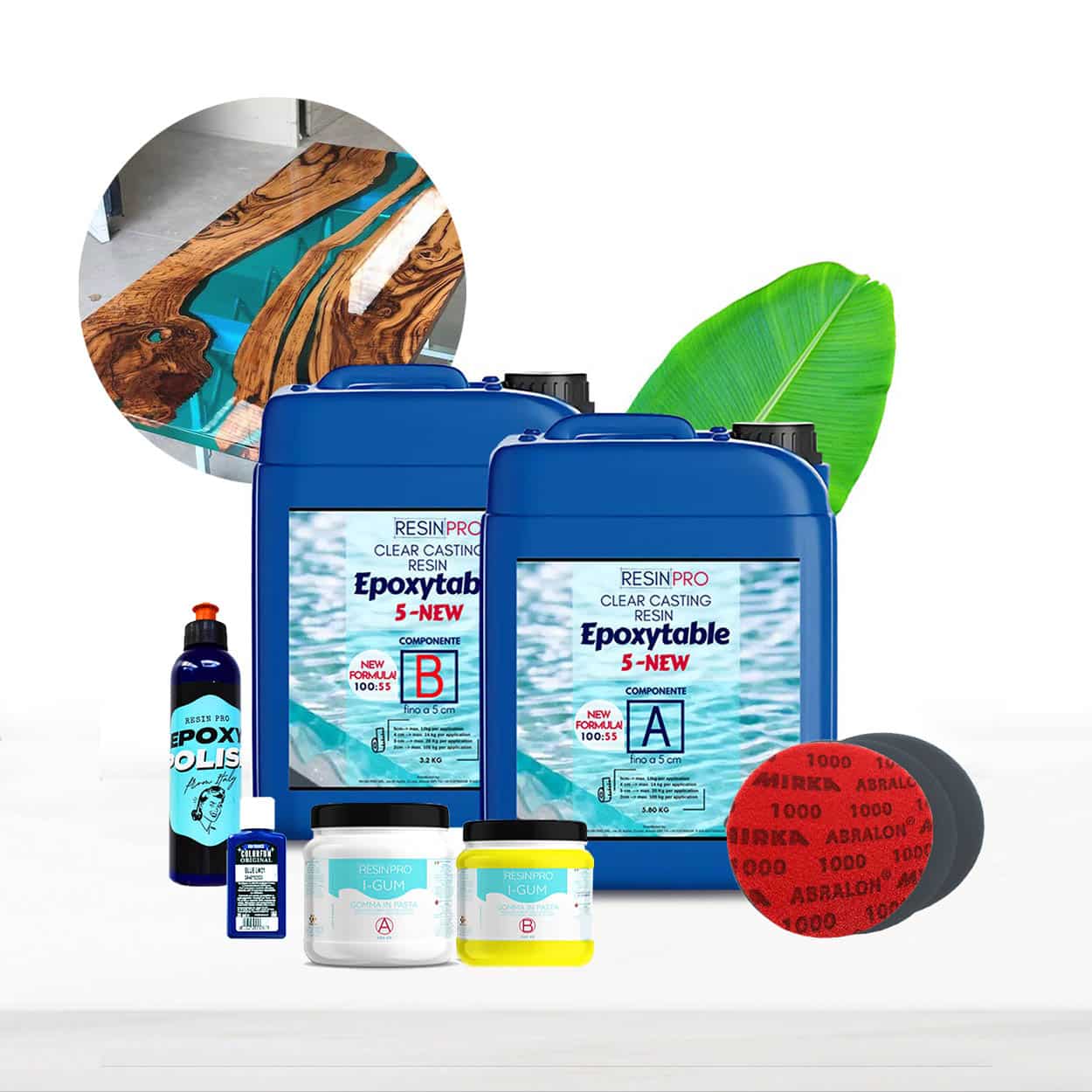
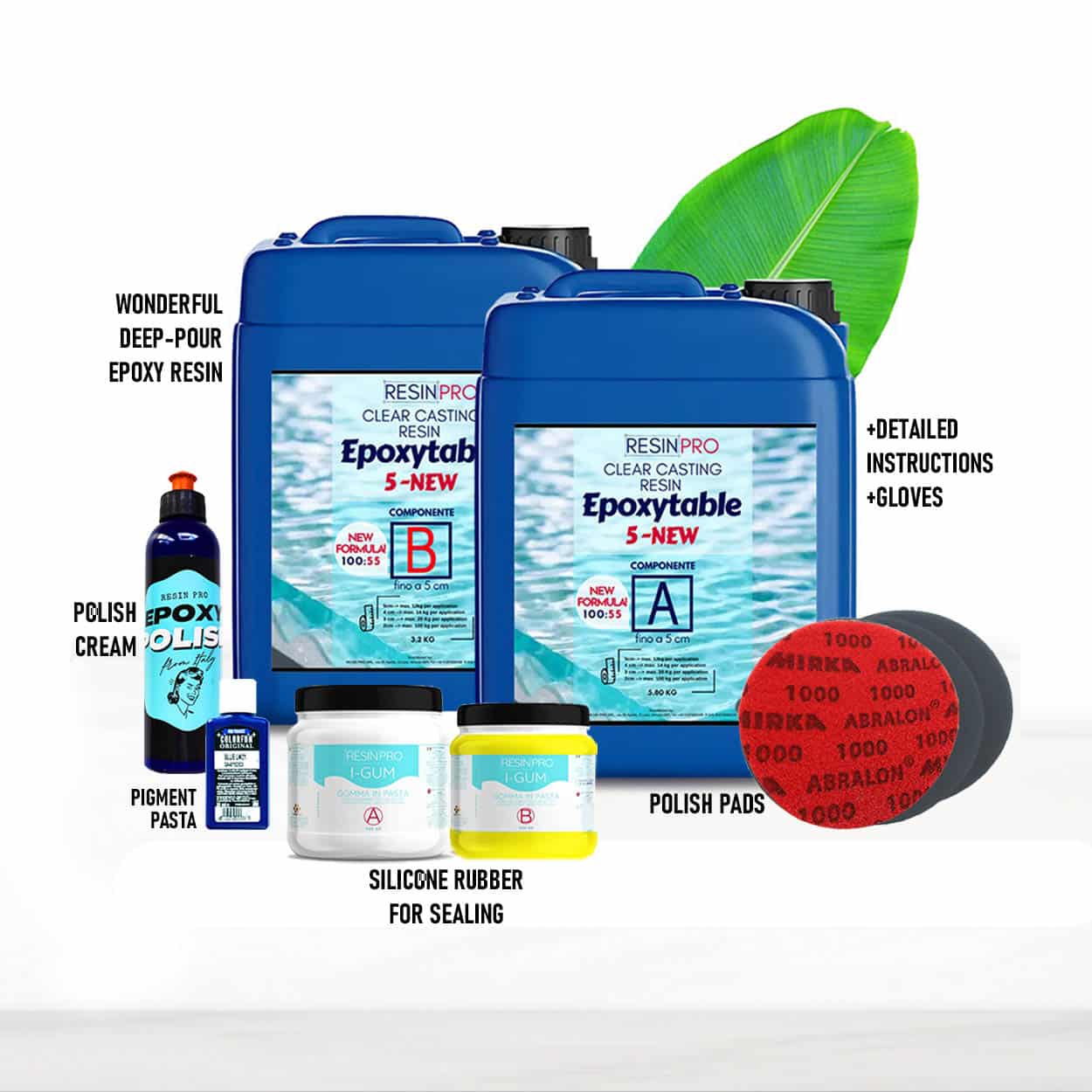
- “River-Table” – Complete Kit for Creating Your First Epoxy Resin Table: Complete kit designed for creating wood and epoxy resin tables with guidance suitable for beginners.
- Pure Isopropyl Alcohol 99.9% – 1000ml Bottle for Epoxy Resin Projects & DIY: A high-purity alcohol for removing bubbles and cleaning in epoxy resin crafting.
- Safety goggles, gloves and dust mask
- Fine-tip permanent marker or tape
- Masking tape
- Workholding clamps
- Robust workbench or stable surface
- Cutting tool (tungsten carbide blade, rotary tool or fine-tooth saw)
- Sandpaper (various grits: 240, 400, 800 and up)
- Lint-free cloths

Work Surface Safety and Preparation
Ensure your area is clear of clutter and you have plenty of lighting before starting any cuts. Keep all cutting and polishing compounds within reach, and always use protection for eyes, hands, and airways. Consider laying down a dust sheet or using vacuum extraction during sanding to reduce airborne particles.
Step 1: Prepare Your Workspace and Materials
Ensure your workspace is well-ventilated, free from dust and has enough room to handle both your resin piece and all required tools. Place your resin project on a sturdy, flat surface and secure it using clamps if possible, especially if you’ll be using power tools to cut through. Always wear protective gear and use a well-ventilated workspace. Begin by thoroughly cleaning your resin piece to remove any debris, sticky residue, or oil. Wipe the area you intend to cut with a lint-free cloth, lightly moistened with Pure Isopropyl Alcohol 99.9% – 1000ml to ensure an uncontaminated, smooth surface for marking and support material adhesion, such as tape.
Step 2: Mark, Tape, and Support the Cut Line
Plan your cut using a fine-tip permanent marker or tape to mark precise cutting lines. For straight edges or patterns, use a steel ruler or a shaped template. Marking both sides of the resin piece ensures an even result. To minimise chipping, place masking tape directly along both sides of your cut line. This supports the epoxy resin’s surface and can help reduce flaking. Mark your cut lines with precision before making any cuts.
Step 3: Cut Your Epoxy Resin Carefully
Choose a tool suitable for your project’s thickness and complexity—common choices include a fine-tooth hand saw, a rotary tool with an appropriate attachment, or a table saw with a sharp carbide blade. For curved cuts, a rotary tool is recommended; for straight cuts, a mitre or circular saw works well. Allow the resin to cure completely before attempting any cutting. Attempting to cut partially cured resin can result in a sticky, uneven edge or cracking. When cutting, proceed slowly and steadily, supporting the material throughout. Keep your hands away from the blade and ensure the surface is fully secure.
Cut slowly and steadily to prevent chipping or cracking. If working on a large surface such as a table, the “River-Table” – Complete Kit for Creating Your First Epoxy Resin Table offers detailed instructions and suitable resin materials that are robust enough for cutting after full curing.

Step 4: Sand and Polish the Edges
Once the resin has been cut, begin sanding the edges to remove any saw marks or roughness. Start with coarse sandpaper, gradually progressing to finer grits for a smooth finish. Always sand in a consistent direction using gentle, even pressure to avoid introducing waves or dips. For optimal clarity and shine, polish the edge with a resin-specific system such as the “Epoxy Polish” – Epoxy Resin Polishing System. This polishing kit is designed to remove micro-scratches and restore high-gloss clarity to cut or sanded resin surfaces. Sand in multiple stages, using finer grits for best results.
Tips, Common Mistakes, and Troubleshooting
Plan every cut, and never rush—impatience leads to chips and breakages. If your resin is not fully cured, delay cutting until it passes the manufacturer’s recommended cure time. Always support your project securely to prevent unwanted movement, and use sharp, clean tools to ensure clean cuts. Remove any dust or debris between sanding stages, ideally with isopropyl alcohol. If you notice cloudiness or a dull edge after sanding, use a dedicated polish to achieve the desired gloss. Cutting too quickly or with excessive force can cause stress fractures or uneven results.

Creating a Flawless Finished Edge
After sanding, polishing is key for professional results. Use circular buffing motions with a resin-specific polishing cream and buffing pad. Check progress frequently. For awkward shapes, hand sanding may provide greater control, while power polishers can help on flat, wide edges. Ensure all polishing residues are cleaned away using a lint-free cloth lightly moistened with isopropyl alcohol.

- "Epoxy Polish" – Epoxy Resin Polishing SystemPrice range: £18.95 through £47.45Epoxy Polish is designed for achieving a clear, glossy finish on resin projects with minimal effort and professional results.
- "River-Table" – Complete Kit for Creating Your First Epoxy Resin TablePrice range: £198.45 through £467.45"River-Table" kit provides the materials and instructions needed for crafting a wood and epoxy resin table, suitable for beginners and enthusiasts.
 Pure Isopropyl Alcohol 99.9% – 1000ml Bottle for Epoxy Resin Projects & DIYPrice range: £10.45 through £20.95Pure Isopropyl Alcohol 99.9% in 1000ml is used for epoxy resin projects to remove bubbles and support creative resin effects.
Frequently Asked Questions
How long should epoxy resin cure before cutting?
Epoxy resin should be fully cured, which typically takes at least 48–72 hours, but always check product guidelines for best results.
What tools are safest for cutting epoxy resin?
Fine-tooth saws, rotary tools with the correct attachments, and sharp carbide-tipped blades are best for clean, safe cuts.
How do I prevent chipping when cutting epoxy?
Apply masking tape over the cut line, cut slowly, and always use sharp blades to minimise chipping.
Do I need to polish after cutting epoxy resin?
Polishing after cutting removes scratches and restores the glossy finish, especially on exposed or visible edges.
What is the best way to clean after cutting epoxy resin?
Wipe surfaces with isopropyl alcohol and a lint-free cloth to remove dust and sanding remnants.
Can I cut epoxy resin with hand tools?
Yes, provided the hand tool is sharp and appropriate for the project size. Work steadily for best results.